Reading Navigation


This content is grounded in peer-reviewed research, clinical guidelines, and established best practices. Claims are reviewed for accuracy and transparency. Learn more about our evidence standards
Midlife Crisis in Men: What It Looks Like and How to Deal with It
- A midlife crisis typically appears between the ages of 40 and 60. For men, it may occur even earlier, in their late 30s, due to shorter life expectancy and lack of self-care practice. During this period, men can face crises multiple times.
- It can be recognised by overall life dissatisfaction, spontaneous decision-making, withdrawal from relationships, increased focus on health and appearance, and moderate changes in sleep and appetite.
- Ageing, hormonal changes, family dynamics, career stagnation, new responsibilities, fear of mortality and health issues are among the most common triggers.
- Existential-oriented treatments, couples therapy, and self-awareness practices are efficient in navigating the change.
From sitcoms and comedy sketches, we all know the signs of a midlife crisis: buying fancy sports cars, having new sudden affairs, starting exotic hobbies, getting tattoos or hair colouring, and other significant changes in one’s appearance. Behind the facade, there is always some dissatisfaction — ageing can bring on feelings of self-doubt, confusion, regrets, and unfulfilled dreams.
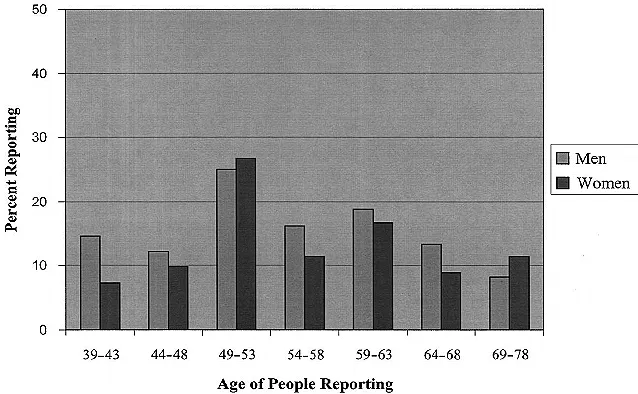
Although a midlife crisis is not an official and diagnosable mental health condition, it affects millions of men, typically between the ages of 40 and 601. Despite the media often portraying a crisis as a widespread issue, a US study found that only 10% of American men might undergo one. At the same time, this study shares that around 25,4% of men and 26,3% of women self-reported that they had a midlife crisis in the past.
This life stage can become a period of emotional and psychological uncertainty, followed by questions like “Where did life take a wrong turn?” and “Is this all there is?” From the outside, a midlife crisis may look confusing or even irritating. It is often misunderstood and dismissed as “daddy’s odd quirk”, but in reality, all the doubts and worries about life choices can feel completely overwhelming. This article explores the entire path of the midlife crisis in men, from early signs and triggers to practical ways of turning this turbulent period into a fresh start.

What a Midlife Crisis Really Means for Men
For the first time, the definition of midlife crisis was introduced in 1965 by Canadian psychoanalyst Elliott Jaques in his book “Death and the Mid-Life Crisis”. However, he didn’t specify the age or the symptoms. The author briefly described this midlife stage as “a time when adults contemplate their mortality and the waning years they have left to enjoy life.” In that time, it was believed that people reach their peaks at the age of 35.
Fifty years later, the concept has become more detailed. In public polls, most respondents believe the midlife crisis, on average, begins at age 44 and ends at age 592. For men, these years are often associated with reflections on their accomplishments, life goals, relationships, and achieved status. The realisation that they are ageing and not young anymore hits hard, leading to general shifts in self-perception. It may persist for months (or even 3 to 10 years, notes EBSCO), and come back multiple times: men go through midlife crises not only once in a lifetime, but, in some cases, repeatedly.
Over the years, cultural expectations and traditional male roles have evolved, creating space for delayed retirement, more active later life, and a future less constrained by ageist stereotypes. This tendency has influenced both the timing and the perception of midlife crises.
Behavioural changes during the crisis may be confused with signs of depression and burnout: mood swings, emotional numbness, social withdrawal, irritability, or apathy. The crisis can trigger depression3, and burnout may be paired with the ageing crisis. However, the straight line between mental health conditions is in their origin. Depression and burnout are biological, psychological, and cognitive reactions to a wide range of causes, such as stress or environmental changes. On the contrary, a midlife crisis is existential — it arises from questions of meaning, identity, and life direction.
Studies explain it as a life stage directly correlated with low levels of life satisfaction1. According to this research, the progression of happiness during a person’s life is U-shaped, with peaks of happiness in childhood and later adulthood. By midlife, overall life satisfaction naturally reaches its lowest point on the curve. Nevertheless, it’s not the same for everyone. Middle-aged men experience the crisis distinctly, at different stages of their lives, and some don’t face it at all.


Root Causes and Triggers
A male midlife crisis is often linked to both internal and external factors, such as hormonal changes, divorce, “empty nest syndrome”, or career stagnation. Yet these are not always clear causes. More often, they function as triggers within a broader existential re-evaluation. Researchers suggest that for men, work-related issues are more likely to be the starting point of this process. Common causes can be divided into four main groups:
Psychological
- Unfulfilled dreams. Retrospectively, this brings disappointment in personal, career, or financial goals set earlier in life which are still not achieved. “I’m 50 and I’ve never even been on a cruise!”
- Success of others. Since men can be highly competitive, hearing about someone’s accomplishments and comparing them to your own can be a painful experience. Especially when both of you work in the same company but with different salary rates.
- Self-evaluation. With time, priorities and values change, forcing recalibration. This turmoil period is characterised by evaluating life choices, often not in one’s favour.
- Fear or mortality. In previous centuries, the first half of life was seen as a steady rise, and the second as a decline, making a person vulnerable in the face of death. Even today, when lifestyle and lifespan have changed drastically, we still intuitively feel the threat.
Biological
- Andropause and hormonal changes. Some studies suggest that andropause, also simply called “male menopause” with a gradual decline in testosterone levels, may contribute to the stress experienced by men in midlife. However, there is only limited evidence for this.
- Ageing. Age-related physical changes — inflammation, disrupted sleep, muscle loss and others — can lower resilience and amplify fatigue, irritability, and emotional reactivity.
- Health issues. With age, new health challenges arise: chronic pain, cardiovascular diseases, and cognitive decline. They can remind men of the limited lifetime and prompt anxiety or fatigue.
Social & Cultural
- Responsibility overload. Caring for ageing parents while supporting children places men in a complicated position, where emotional and financial demands accumulate and begin to feel unsustainable.
- Career stagnation. Job loss or a plateau is very likely to become the starting point of a man’s midlife crisis. The feeling that professional development is stagnating after years of rise can lead to frustration. Ageism in the workplace adds another layer of stress: middle-aged men often worry about losing their jobs and being unable to find a new one, being replaced by younger colleagues, or even by AI. Depression after retirement4 is also very widespread.
- Emotional suppression & masculine norms. Men are usually taught to stay strong, self-reliant, and not show any signs of weakness. Over time, suppressed emotions, unmet expectations, and the gap between idealised masculinity and lived reality can resurface under pressure.
- Economic and career pressure. Career stagnation, financial insecurity, inflation, and the persistent expectation to earn more and provide stability can intensify stress — reinforcing a sense of failure during midlife.
Changes in Family Dynamics
- Divorce. This major family change may erode a sense of trust and force men to reevaluate their life choices. Divorce is also a common trigger for depression.
- Kids leaving home. After kids head off to college or start their own families, the newfound freedom can feel uncomfortable. It’s also known as “empty nest syndrome”5: life is no longer revolving around kids’ needs and schedules, and with the free time comes uncertainty — “What is the centre of my life now?”
- Parents getting older. Ageing parents require more attention, care, time, and resources. This leads to new emerging challenges and hard choices. Seeing your parents in need of help can be emotionally difficult.
- Death of loved ones. When deaths become more frequent in one’s close circle, grief can provoke men to think about their own demise.
Find a Therapist to Discuss Your Personal Triggers

 United Kingdom
Psychedelic integration and psychosynthesis coach in London offering trauma-informed preparation and integration sessions to translate psychedelic experiences into lasting change.

 Germany
 Johannes Nagler is a Gestalt therapist and psychologist based in Munich whose work focuses on helping adults navigate difficult life phases, release inner blockages and develop self‑awareness and resilience.
Common Signs and Symptoms
In general, the midlife crisis in men is described as a process of intensive transition of the self6: reevaluation of life goals, confrontation with death in the future, and reinterpretation of the past. The symptoms can be grouped into 4 categories — emotional, behavioural, physical, and social, — defining what a midlife crisis looks like for a man.
Emotional Signs
Life dissatisfaction
Once you liked your job and saw inspiring horizons — and now all of this is gone. You feel stagnation, loss of control, and uncertain prospects. When happiness turns into apathy or restlessness, it may be the first symptom.
Sadness, depressive mood
Depression, burnout, and midlife crisis may co-occur7. If you notice increased sadness and several physical signs, such as loss of appetite or dizziness, it’s recommended to consult a therapist. The American Psychological Association reports that only in the US, depression affects nearly 6 million men every year8, and between the ages of 40 and 60, the risks increase.
Nostalgia and regrets
Daydreaming about the times of youth creates a pleasant fantasy and a private space away from chores, bills, and responsibilities. At the same time, nostalgia may not be so sweet as imagined — it comes with a sense of missed opportunities.
Mood swings
From hope to hopelessness, from motivation to tiredness, from empathy to irritability — they are just one step away from each other.
Behavioural Signs
Spontaneous decision-making
If previously even small decisions took time to process, now you feel an urge for immediate changes. Unusual hobbies, uncontrolled purchases, spontaneous trips and adventures are a loud attempt to reclaim lost time and squeeze every drop out of life.
Sudden lifestyle changes
Along with new hobbies and habits, it manifests in exaggerated attention to sports, experiments with style and identity, and a shifting sense of self — from a new haircut to a new worldview.
Having a love affair
When men notice that their family and friends don’t understand the changes, they are easily drawn into an affair to find temporary support. In midlife, men may start to focus more on other people and their emotions, so marriages that are already strained can suffer as a result.
Physical Signs
Stronger focus on appearance and health
During this period, attention to appearance — wrinkles, muscles, height or weight — may noticeably increase. While caring about health and fitness is normal, it can become problematic when body-related concerns start to take up too much mental space or affect self-esteem.
Frequent risk-taking behaviour
Some men show a rise in risky behaviours, such as drinking more alcohol, misusing substances or medication, gambling, making impulsive choices, engaging in extreme sports, reckless driving, or self-harm. These behaviours often reflect attempts to escape emotional pressure.
Sleep and appetite changes
Shifts in sleep and eating patterns are common. They may include insomnia, putting off sleep, racing thoughts before sleep, as well as binge eating, reduced appetite, or constant hunger — all potential signs that something is out of balance.
Chronic fatigue
Constant tiredness can follow prolonged stress or burnout. It may show up as low energy, brain fog, malaise, and feeling exhausted even after a full night’s sleep, making daily tasks harder to manage.
Social Signs
Withdrawal from relationships
When they feel misunderstood, men are likely to escape conversations that feel like a battle. Some struggle with explaining the mood changes, while others find communication itself overwhelming during a turbulent period of life. Sex may also become an additional burden.
Social isolation
Over time, a defensive approach to communication results in isolation, which in turn affects self-esteem and trust. However, it’s pretty rare in midlife, and connections can be restored when the peak of the crisis passes.
Giving up on plans
For men who go through a midlife crisis, goals set earlier can feel meaningless or unattainable. Many give up on progress because plans are perceived as too difficult or not worth the effort.
If 1–4 points above resonate, it might be a signal of mild mental health issues or a temporary emotional dip. Meanwhile, if 5 or more seem familiar, it might be time to reflect on recent life changes and consult a psychotherapist.

The Stages of a Midlife Crisis
There is no clearly defined classification of midlife crisis stages or cycles. Nevertheless, two broader approaches can be relevant — the happiness-age curve and the Bridges Transition Model.
The happiness-age framework9 indirectly confirms the age-related crisis. Satisfaction levels gradually decline since early adulthood in the 20s and reach the lowest point in the middle of the 40s (the “lowest” age varies between 37 and 65 in different countries).
Another framework is the Bridges Transition Model, designed in 1991 to examine how individuals navigate change and transitional periods. The model outlines three key stages:
- Ending, Losing, and Letting Go. On this stage, a person confronts the loss of familiar routines with intense emotional and psychological responses. That turning point creates a boom effect followed by behavioural changes.
- The Neutral Zone. It’s characterised by confusion and uncertainty as a person adapts to new circumstances, often with decreased motivation.
- The New Beginning. Finally, a person accepts the change positively and begins to embrace new roles, goals, and ideas. It leads to renewed enthusiasm and connection.
People move through the stages at different paces, so that the whole transition may take years. The good news is that the duration depends on the personal attitude. A person who finds the change beneficial is more likely to pass the stages quickly and easily, compared to someone who finds it frustrating or traumatic. In any case, transition is inseparable from progress — it’s not a trap or stagnation, but a dynamic reappraisal of life.
Impact on Self-Esteem and Relationships
In any demographic, middle-aged men present the highest suicide rate: adults from 30 to 59 years accounted for 52% of all cases. Dr. John Barry, an expert on male psychology, suggests that the key issue related to suicide in this age group seems to be family breakdown. “Men who are divorced are at much higher risk than divorced women or other men. My research has found that the key cause of distress to men after the breakdown is being prevented from having enough contact with their children,” he explains.
Fortunately, not all cases of male midlife crisis lead to irreversible consequences. Men mostly show signs of social withdrawal or, on the contrary, become highly active in seeking new connections. Partners and children often internalise the blame, wondering if they could have tried harder, listened more attentively, or if they somehow triggered the shift themselves. For both sides, a midlife crisis is a period of misunderstanding: internal conflict for men, confusion and chaos for their families.
But what are partners supposed to do? Firstly, understand the psychology of the male midlife crisis. Start by giving your partner private and non-judgmental space, stay compassionate, set boundaries for unacceptable behaviour, and take good care of your own mental health. If misunderstandings grow, consider professional counselling and couples therapy: it helps to maintain self-confidence, fosters supportive communication, and promotes the freedom to be yourself.
Coping Strategies and Real Solutions
“Midlife crises aren’t always negative. This can be the opportunity for someone to get more aligned with who they are now and how they want to enjoy the years ahead,” shares Aniesa Hanson, Ph.D. and counselling therapist. “It can help us embrace change and use it as a motivator to become a better version of ourselves”.
Since the crisis is, at its core, a reappraisal of personality, the way through it lies in daily acts of self-awareness and self-care — steps to meet your new self. Studies exploring midlife crisis management suggest several strategies:
- Acknowledge your feelings. Accept all of them as valid and valuable. Use self-reflection practices, such as journaling or naming emotions, when you feel confused.
- Analyse your physical and mental well-being. Embrace the changes in how you look and feel. Spend time outdoors, and don’t forget about regular exercise according to your energy level. Sufficient sleep and a balanced diet are also helpful in reducing stress.
- Talk to someone — a partner, a like-minded person, or a therapist. Sharing helps normalise what you’re going through and eases emotional overload. In the most intense situations, a therapist can offer professional guidance.
- Set new, achievable goals. Don’t look back on plans made years ago. Define your top priorities based on who you are right now and what you are looking for: comfort, connection, clarity?
- Reconnect with loved ones. Encourage open communication and mutual respect. Accept that at first, your partner may act and react very differently from what you expected.
- Pursue new interests. Explore new hobbies, nutrition plans, and travelling routes without becoming obsessed with the sense of novelty. Try sports, walking and other physical activities to manage the stressful feelings as they arise.
- Slow down in decision-making and avoid the temptation. It’s critical in destructive behaviours, such as drinking, substance abuse, self-harm, and reckless driving. Delay significant decisions (breaking up with a partner or quitting your job) until the acute symptoms subside.
Besides these practical steps, you can join or create your own support network to share experiences with. This can be a close circle of like-minded people: friends, partners, community members, or mentors. Organisations like Men’s Sheds, the Centre for Male Psychology, and talking groups provide safe spaces where men can meet and engage in activities like crafting.
Reach Your Goals with Our Professional Support

 Germany
 Julianna Markus is a psychologist and mindfulness-based therapist based in Trier, Germany.
When to Seek Professional Help
With time, frustration and social withdrawal can turn into severe depression. This shift is recognisable by its symptoms:10 constant tiredness, hopelessness, sleep and appetite disturbances, problems getting along with others, escapist and abusive behaviour, irritability and anger that gets out of control, problems with alcohol or drug use, headaches, and sudden pain.
When self-awareness and lifestyle changes aren’t enough to prevent depression, it’s time to seek professional male midlife crisis treatment: psychotherapy is a very helpful tool to navigate the crisis. In magazines on male psychology, authors suggest existential-oriented therapy to discover new meaning in life. Researchers consider this method suitable for mental issues linked to death awareness, identity, isolation, and freedom. However, it’s widely discussed that therapists are usually not trained to deal specifically with male-typical communication styles and issues, so new specialised training and programs are necessary.
Moreover, consider couples therapy together with your partner: opening up to loved ones keeps destructive feelings from taking over. If you are having suicidal thoughts, contact your healthcare provider or national hotlines immediately.
Myths and Misconceptions About Men’s Midlife Crisis
Not all researchers recognise the midlife crisis (both in men and women) as a real mental health state. For some, it remains a myth1 based on overlapping symptoms of other conditions, such as depression, burnout, or social anxiety. From that perspective, a midlife crisis is a predictable result of delayed help-seeking and the slow-burning life dissatisfaction.
There are also some stereotypical views on how people behave during a crisis. It’s believed that the label is just an excuse for bad behaviour and “going wild” when bored. In reality, this myth skips over many other signs of self-recalibration, while risk-taking and abusive patterns apply only to a minority of cases.
Another misconception insists that a midlife crisis means weakness and the inability to hold yourself together when life is falling apart. However, for many people, identity crises can lead to personal and professional growth. According to the theory of psychosocial development11, introduced by psychoanalyst and ego psychologist Erik Erikson, resolving challenges at each stage of life helps develop new skills needed for the life ahead. Erikson noted that middle-aged individuals face the resistance between generativity and stagnation. Depending on how people go through periods of life, they can pass to the next stage in good shape, with newly redefined values and goals.
“That’s why men in their 70s are often happier than men in their 40s. This is something I have found repeatedly in my own research with thousands of men in the US, UK and Germany,” adds Dr. John Barry, an expert on male psychology.


The midlife crisis, often considered a breakdown, can be a breakthrough. It’s usually overwhelming and functions as an individual mechanism of coping with too many changes at once. Retirement, family stress, fear of mortality, empty nest syndrome, job loss, illness, responsibility for kids and elderly parents — all these can really turn life upside down.
That’s why asking for help is not shameful or a sign of weakness, it’s a radical act of self-care. Midlife is a process of transition, and with proper support, going through turbulent times of self-discovery and reappraisal can become fulfilling — a solid foundation for growth.
FAQ
 Expert Board Member
The midlife crisis is not that common as popular culture suggests (only 10-20% of the population experience it), but can be a normal part of the aging process. If it happens it’s not a diagnosis and is not always about “going wild” but rather an existential turning point: a recalibration of meaning, identity, and priorities. Still, if the shift comes with heavy drinking/drug use, reckless behaviour, anger, deep withdrawal, or any self-harm or suicidal thoughts, it’s a clear signal to get professional help fast.






 Netherlands

 Spain
Spain