

Ketamine Clinics in the UK
Use our ketamine clinic directory to locate licensed ketamine treatment medical centers, book consultations, and access innovative mental health treatments.
 United Kingdom
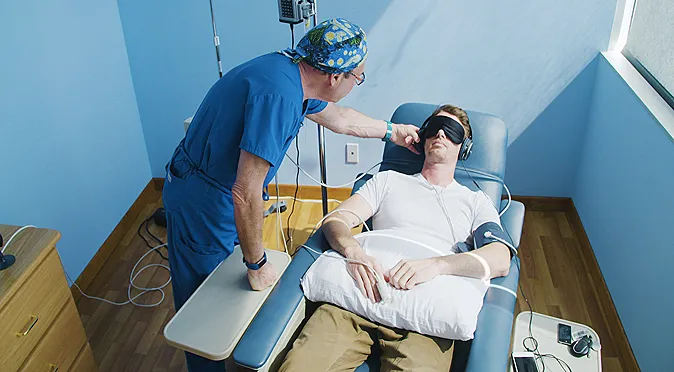
Psychiatrist‑led NHS clinic in Oxford offering self‑pay ketamine (IV and oral) and Spravato esketamine treatments with formal assessments and reviews.
 London, United Kingdom
 Private London clinic providing supervised in-clinic Esketamine (Spravato®) nasal spray for treatment-resistant depression with consultant psychiatrist assessments.
 London, United Kingdom
 Clinic in London offering medically supervised ketamine infusion therapy for depression with structured monitoring and follow-up.
 London, United Kingdom
 Mental health ketamine specialist clinic offering ketamine assisted psychotherapy for treatment resistant depression and PTSD and anxiety
 London, United Kingdom
 Ketamine-assisted therapy for treatment-resistant mental health and addiction
 London, United Kingdom
 Multidisciplinary team that aims to reduce acute and chronic pain and improve quality of life.
 London, United Kingdom
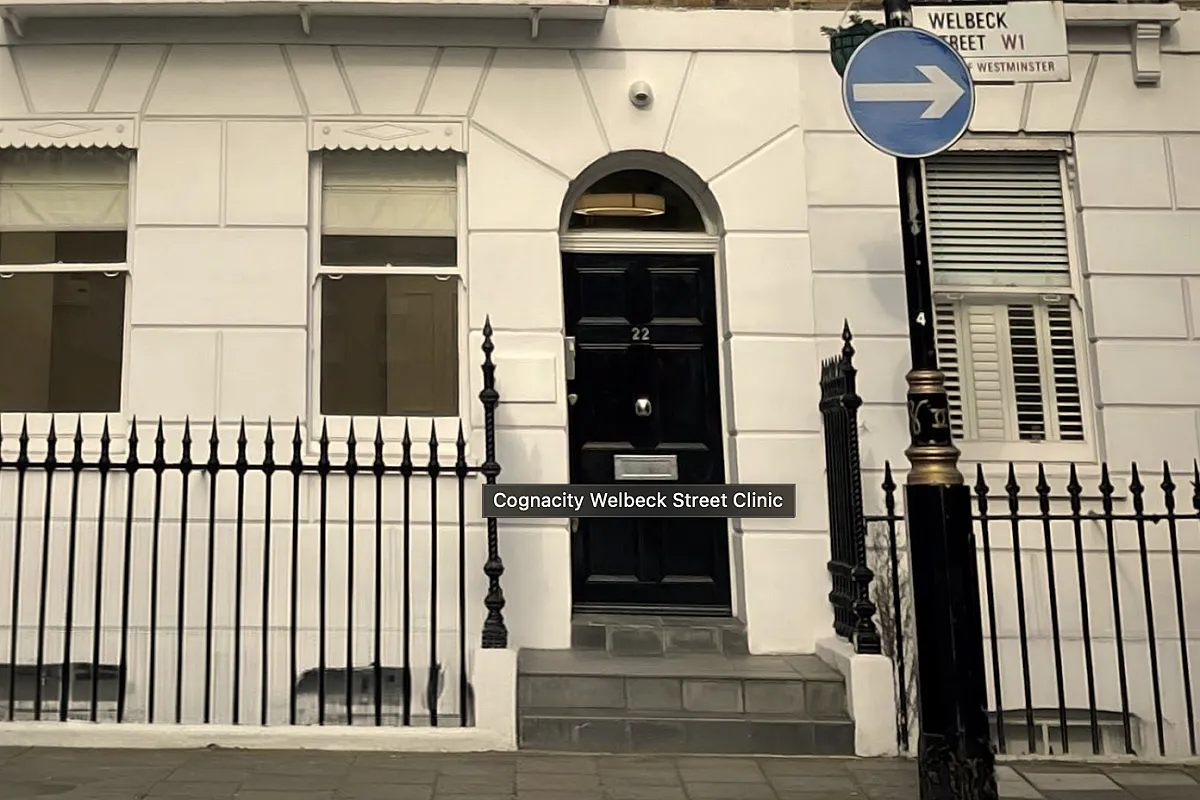
 Global experts in mental health and performance offering personalised psychiatric and psychological care, coaching, organisational well‑being and high‑performance programmes
 London, United Kingdom
 World‑renowned consultant‑led psychedelic treatment provider in London, offering ketamine infusion therapy and bespoke mental‑health care to help patients overcome depression, PTSD, anxiety and related disorders
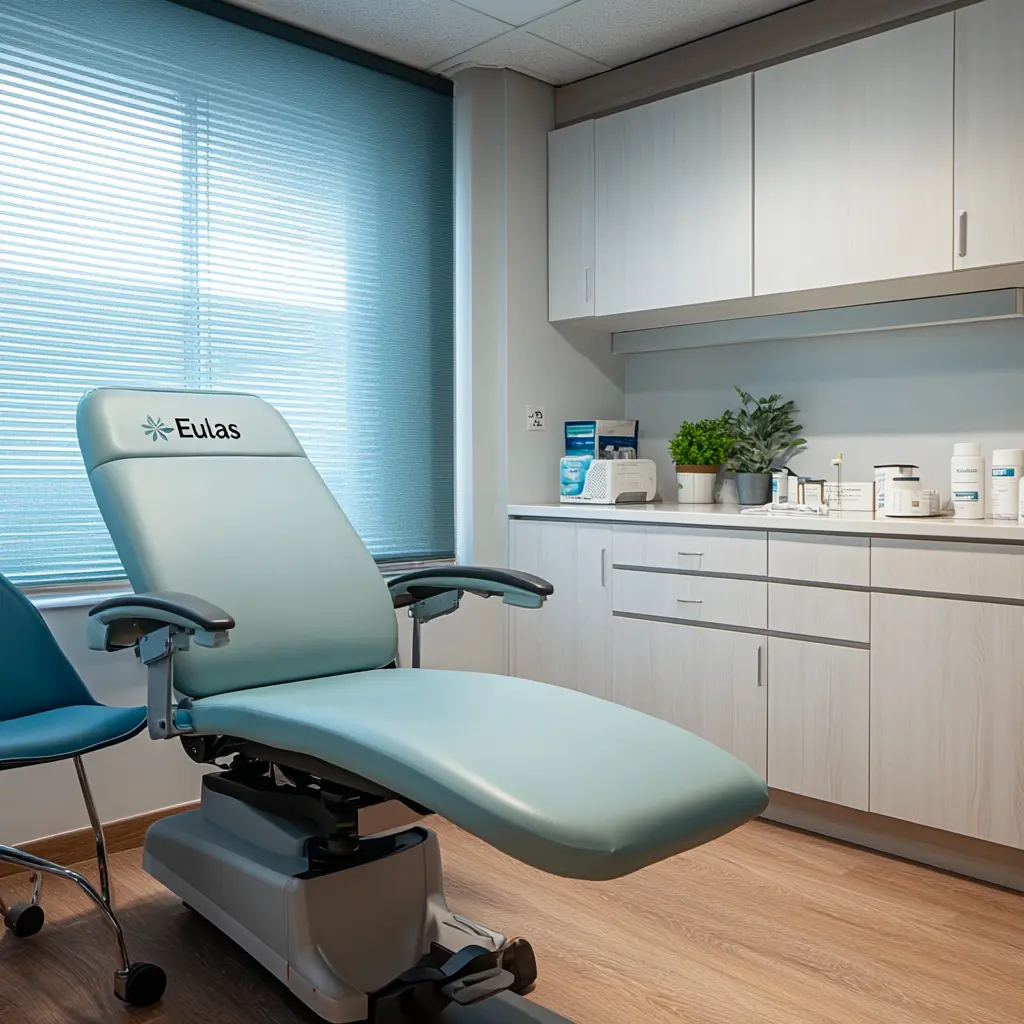
Ketamine therapy, when offered by registered medical professionals, is legally available in the UK — but the access is relatively limited, and NICE guidelines do not recommend it for NHS use. In addition to its medical use in hospitals for anesthesia and pain relief, ketamine is also being prescribed as an off-label treatment option for mental health conditions like depression. If, after speaking to a healthcare professional, you believe that ketamine therapy might be a good option for your situation, the following guide will help you understand how this treatment works and how to choose a ketamine clinic near you.
What Is Ketamine Therapy?
Ketamine was originally developed and is still widely used in hospitals around the world as an anaesthetic. In lower doses, it has been found to produce rapid antidepressant effects in some patients.
There’s been a huge expansion in the number of ketamine clinics in the UK and in other countries. Ketamine, as a therapy, will be prescribed and administered by trained healthcare professionals, normally after other mental health treatments have not given sufficient relief for patients in need.
What conditions can be treated with ketamine therapy?
Patients seeking a licensed ketamine clinic in the UK may find help for:
- Treatment-resistant depression
- Major depressive disorder
- Certain chronic pain conditions, such as neuropathic pain or CRPS
- Post-traumatic stress disorder
- Anxiety
- Substance use disorders
Patient screening and assessment should always be done to ensure suitability for ketamine treatments.
Safety first
When searching for a ketamine clinic, your primary consideration should be an appropriately equipped clinical environment with trained staff. Regulated ketamine treatment centers should have:
- medical and psychiatric screening for potential patients
- continuous monitoring during treatment
- structured follow-up care coordinated with existing mental health providers
Who Might Be a Candidate for Ketamine Therapy?
Ketamine therapy could be a good option for people who:
- have depression or depressive symptoms and have not responded to other treatments
- have chronic pain conditions
- have been assessed by a mental health professional
Generally, ketamine therapy is best considered as part of a more holistic treatment plan, not a first-line or standalone solution.
Who is ketamine therapy not for
Ketamine treatment may not be appropriate for everyone, such as people:
- with uncontrolled cardiovascular conditions or high blood pressure (though clinics may monitor and manage mild to moderate hypertension)
- with certain psychiatric presentations, such as schizophrenia or other active psychotic conditions
- with liver or kidney dysfunction
- with active substance use disorder where stabilisation has not occurred
- with epilepsy
- taking specific medications like CNS depressants and MAOIs
- who are pregnant or breastfeeding
- with a history of bladder issues (risk of ketamine-induced cystitis, though uncommon with therapeutic doses)
Pre-treatment evaluation
Before treatment begins, clinics should offer patients:
- a detailed clinical assessment
- physical health screening
- mental health evaluation
- a review of current medications and supplements
This process helps medical professionals determine whether the potential benefits outweigh the risks and if ketamine therapy is a good fit.
What to Expect at a Ketamine Clinic
Initial assessment
Your first appointment at a ketamine center normally includes:
- review of medical and psychiatric history
- questionnaires and assessment of patient symptoms
- a discussion of treatment goals and outlining a treatment plan
Infusion sessions
At a ketamine infusion clinic, the treatment day usually looks similar to this:
- Arrival and check-in
- Baseline observations like blood pressure and heart rate
- Administration of ketamine (commonly IV, though other medically-approved methods like intramuscular or nasal spray are used)
- Monitoring throughout the session
- Observation period after the infusion
A trained clinician remains present to provide support and ensure safety.
Treatment schedules
Ketamine treatment centers typically offer:
- an initial series of treatments over several weeks (generally up to 6 weekly sessions)
- follow-up or maintenance sessions if clinically appropriate
The number of sessions varies depending on individual response and the clinic’s protocol.
Safety and side effects
Common short-term effects may include:
- dissociation
- nausea
- temporary increases in blood pressure
- dizziness
These effects are monitored during the session and usually resolve within a short period.
After treatment, patients are advised to rest and avoid driving for at least 24 hours or making major decisions for the remainder of the day. Longer-term risks — like tolerance, cystitis, and cognitive effects — are uncommon at therapeutic doses, but should also be discussed during screening.
Aftercare and support
Ongoing care may include:
- follow-up appointments
- coordination with your existing mental health providers
- psychological support where available
This continuity is an important part of treatment planning.
How to Choose the Right Ketamine Clinic in the UK
Using a ketamine clinic directory allows you to compare services and make an informed choice.
Credentials and accreditation
Look for a ketamine medical clinic that:
- operates within UK healthcare regulations
- has clear medical leadership (psychiatrist, anaesthetist, or pain specialist)
- uses established ketamine treatment protocols
Safety protocols
A reputable ketamine infusion center should have:
- defined screening criteria
- continuous monitoring during treatment
- emergency medical procedures and equipment
Safety standards should be transparent.
Treatment philosophy and support
Consider whether the clinic offers:
- individualised treatment plans
- coordination with psychotherapy or mental health care
- structured follow-up
This reflects a comprehensive approach rather than a single intervention.
Practical considerations
When searching for a ketamine clinic in your area, you may also compare:
- location and travel requirements
- in-person vs telehealth assessments
- cost and payment structure
- insurance or workplace health benefits (where applicable)
Questions to ask before booking
Before committing to a clinic, ask:
- What does the assessment process involve?
- How many sessions are typically recommended?
- What are the full costs, including follow-up?
- Who will be present during the infusion?