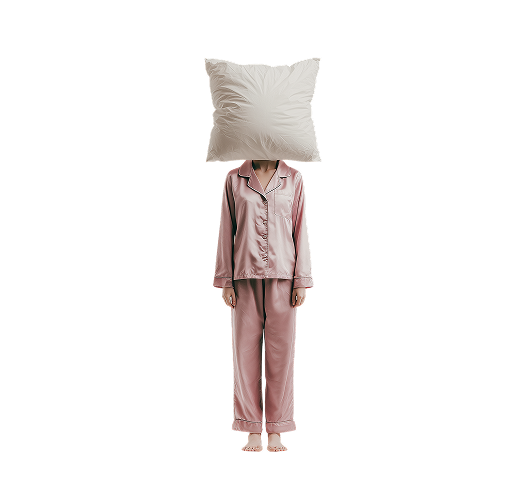
Free Online Brain Fog Test & Personalised Recommendations

Take this 3-minute test to check your brain fog symptoms & get personalised recommendations
Select your gender to begin:
By clicking Start, you agree to the Terms and Conditions and acknowledge the Privacy Policy
Key takeaways
  • 3-minute brain fog self-check with instant score
  • Screens mental fatigue, clarity/attention and confusion
  • Explains what is brain fog, common brain fog causes
  • Actionable next steps; not a diagnosis
  • Mentions when low iron/ferritin may warrant a check
  • Retake to monitor change over time

Disclaimer

This tool is for education and screening only. It does not provide medical advice or a diagnosis. If symptoms persist, worsen, or you feel unsafe, contact a qualified professional, your local emergency number, or a health helpline.

About This Test

This free online brain fog test is for adults who want a quick, research-informed check of brain fog symptoms. In under three minutes, you’ll rate everyday difficulties linked to concentration, memory, mental clarity and fatigue. Your score shows likely severity and explains what brain fog feels like, how it can affect work, study, relationships and daily life, and what to try next.


Our screening is informed by the validated Brain Fog Scale (BFS) research, which groups symptoms into three areas: mental fatigue, impaired cognitive acuity (e.g., word-finding, attention), and confusion. We adapt those ideas into a short self-check to help you decide what to do now. Brain fog can have many contributors (sleep loss, stress/anxiety, low iron / low ferritin, perimenopause, post-viral change, medication effects). Use your result as a starting point, not a diagnosis. If your score is higher, consider a focused evaluation; if it’s lower, simple steps can still help (sleep routine, pacing, note-taking, activity breaks). You can retake the brain fog test to track change over time.

How the test works

You rate how often you notice: (1) mental fatigue, (2) attention/word-finding/memory lapses (impaired cognitive acuity), and (3) confusion. Scores map to severity bands (none–severe) and suggest next steps: self-help strategies, checks to consider (e.g., iron status if appropriate), and when to seek a clinical review. You can retake this brain fog checklist to track progress.

Scientific basis

The structure mirrors the Brain Fog Scale (BFS) literature showing a three-factor solution — mental fatigue, impaired cognitive acuity and confusion — and good psychometric properties. This short screen is BFS-informed for education; diagnosis requires clinical assessment.

Test Author

Agata Debowska (PhD), Prof. Daniel Boduszek (PhD), Dr. Marek Ochman (MD, PhD), Dr.n.med. Tomasz Hrapkowicz, Martyna Gaweda (MD), Anastazja Pondel and Beata Horeczy (MD).

FAQ:

What does my score mean? Toggle answer

It sums how often key brain fog symptoms occur and suggests next steps.

Is this a diagnosis? Toggle answer

No. It’s a self-assessment. Only a clinician can diagnose underlying conditions.

What is brain fog / what causes it? Toggle answer

“Brain fog” describes reduced mental clarity/attention. Contributors can include poor sleep, stress/anxiety, low iron / low ferritin, post-viral change (e.g., COVID brain fog), perimenopause, medication effects, and other health issues. Seek medical advice if unsure.

How to get rid of brain fog? Toggle answer

Improve sleep, hydration and nutrition; pace tasks; use lists/timers; manage stress; address contributors (e.g., iron deficiency if present) with a professional plan.

When should I seek help? Toggle answer

If symptoms are new, worsening, affect daily life, or follow illness/injury—book a clinical review. Seek urgent care if you have red-flag symptoms (e.g., acute neurological changes).
Last Updated: 6 October 2025

Check Your Mental State

See all