Reading Navigation

This content is grounded in peer-reviewed research, clinical guidelines, and established best practices. Claims are reviewed for accuracy and transparency. Learn more about our evidence standards
Mushrooms for ADHD: Can Microdosing Psilocybin Relieve Symptoms?
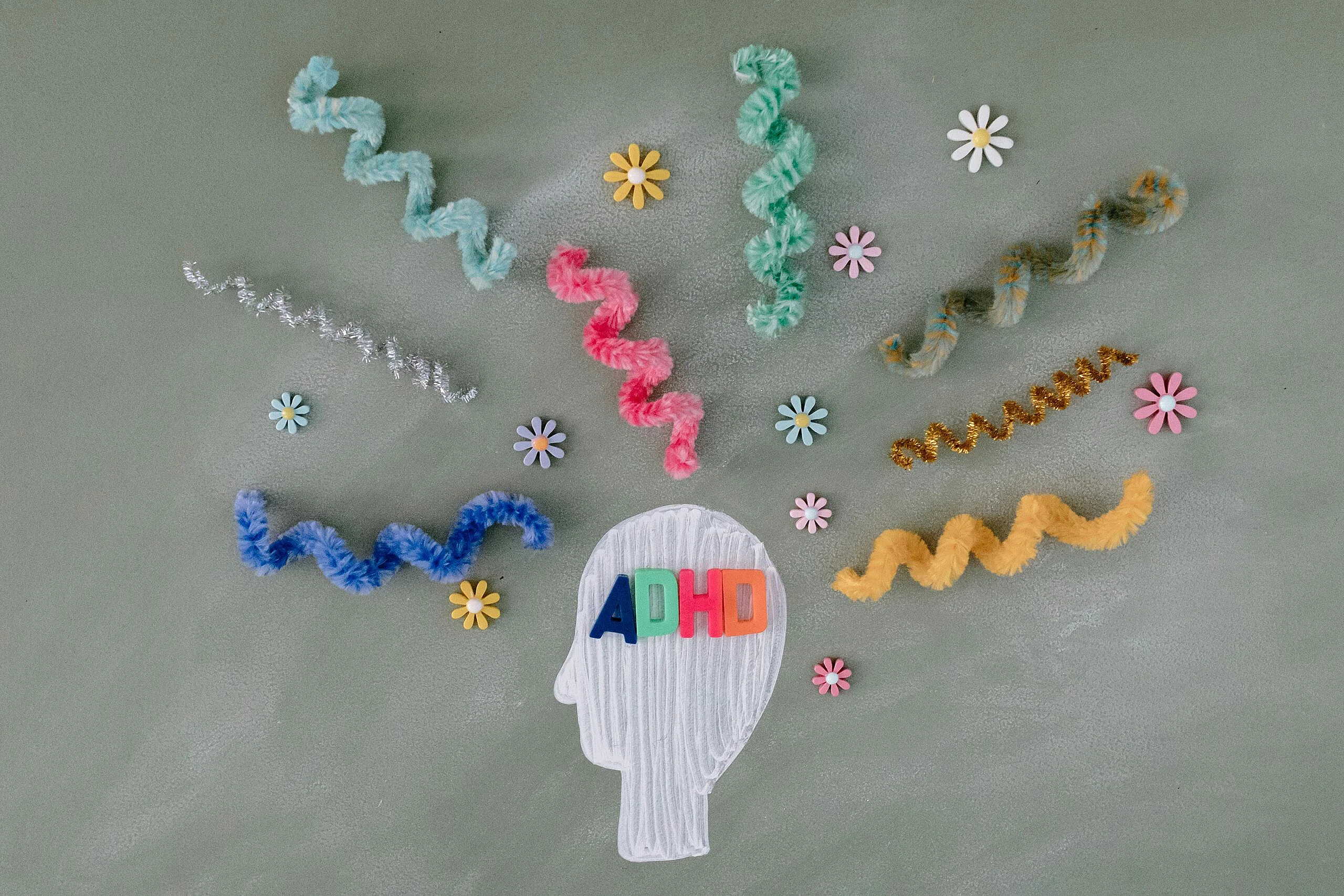
When I received an ADHD diagnosis at 47, a flood of feelings followed. First, came relief. I finally had an explanation that didn’t involve calling myself lazy for struggling with basic everyday tasks. Then, came grief. Why hadn’t this been caught earlier? How different might my life have been? Looking back, I’d lived a textbook ADHD life — multiple careers, constant moves across the U.S. and abroad, impulsive, novelty-seeking behavior, an absurd amount of hobbies and passionate interests, an ongoing inability to focus on just one thing.
But, once I hit middle age, I began to struggle with intense feelings of overwhelm and maintaining baseline emotional regulation became harder (It’s likely my symptoms were intensified by perimenopause; in fact, many women get diagnosed at this time.) After the dust settled, the question remained: now that I finally had a diagnosis, what was I supposed to do about it?

What is ADHD?
ADHD stands for Attention Deficit Hyperactivity Disorder. Often diagnosed in childhood, ADHD is a neurodevelopmental disorder that hinders one’s ability to focus and is characterized by hyperactivity and increased impulsivity to a level that can negatively impact a person’s quality of life. According to the Center for Disease Control (CDC), 6% of adults1 and 11.4% of children2 in the United States have the condition. Globally, the rates are slightly lower, 5-7% of children and 2.5-4.5% of adults are affected. The rates continue to rise as awareness of the disorder grows.
Difficulty paying attention is one of the key symptoms of ADHD, and one may argue that in the smartphone era all of us are struggling to maintain focus3. But, ADHD is a serious disorder that can negatively impact a person’s relationships, ability to learn, employment, finances, self-esteem, and overall physical health and safety.
Here are some typical symptoms of ADHD in adults4:
- Disorganization
- Poor time management and executive functioning
- Problems focusing on a task and following through
- Frequent mood swings
- Impulsivity
- Forgetfulness (also frequently losing or misplacing things)
- Trouble sitting still or relaxing
- Poor emotional regulation and/or quick temper
While it’s not clear exactly what causes ADHD, research suggests5 it is linked to a combination of genetic factors and early neurodevelopmental influences. These include differences in brain development and connectivity, as well as specific early adversities6 — such as extreme prematurity, fetal alcohol syndrome, profound early deprivation, or significant prenatal stress and inflammation, alongside potential environmental exposure to tobacco, alcohol, and lead.
In my case, both my father and brother have ADHD. But, since I grew up in the 80s’, when doctors posited that ADHD only affected young boys, I was never diagnosed. It turns out that women and girls tend to exhibit different symptoms than men and boys. For example, whereas boys in school may exhibit “disruptive” or “hyperactive” behavior in the classroom, girls with ADHD may experience more internalizing symptoms: restlessness, inattentiveness, constant daydreaming, or even anxiety.
Standard Treatment of ADHD
Once ADHD is diagnosed by a psychiatrist or general practitioner, there are several evidence-based treatment options. For the purpose of the discussion below, I’ll be focused on treatment particularities of adults rather than children.
Health care providers typically recommend a multi-modal approach to treating ADHD, combining two or all three of the following:
- Psychotherapy, specifically Cognitive Behavioral Therapy (CBT)
- Lifestyle changes (diet, exercise, regular routines)
- Medication (stimulant and non-stimulant)
Most current guidelines still list stimulant medication7 (methylphenidates like Ritalin or Concerta or amphetamines like Adderall or Vyvanse) as a first-line treatment for many adults. Mainly because they tend to reduce ADHD symptoms relatively quickly. However, a 2020 review shows8that no single medication consistently outperforms others, and overall evidence quality is often rated as low once study bias is considered.
Medication response varies widely. People may experience adverse side effects, such as insomnia, appetite suppression, irritability, and anxiety. If stimulants are not well tolerated or appropriate, non-stimulants (like atomoxetine or guanfacine) are commonly used as alternatives7. Nevertheless, both stimulants and non-stimulants can increase heart rate and blood pressure7 — which is why constant monitoring is recommended, especially for people with cardiovascular risk factors.
Find Trusted Therapists for ADHD Treatment

 United Kingdom
Integrative counselling and psychotherapy offering online and in-person sessions in Exeter for anxiety, depression, stress, and relationship issues.
 United Kingdom
 Gemma Autumn is an integrative psychotherapeutic counsellor based in London who offers adult and adolescent psychotherapy using a flexible, person-centred approach.
My personal experience has been mixed. I can take a low dose of stimulant medication, but certain medications have caused anxiety and what feels like a rapid heart rate (even if my heart rate when measured is “normal”). Particular medications like Vyvanse (Elyvanse in Europe) are also expensive and sometimes hard to source.
That’s why some people are turning to alternative treatments for adult ADHD — such as microdosing psychedelics, specifically psilocybin.
Mushrooms for ADHD: What is Psilocybin?
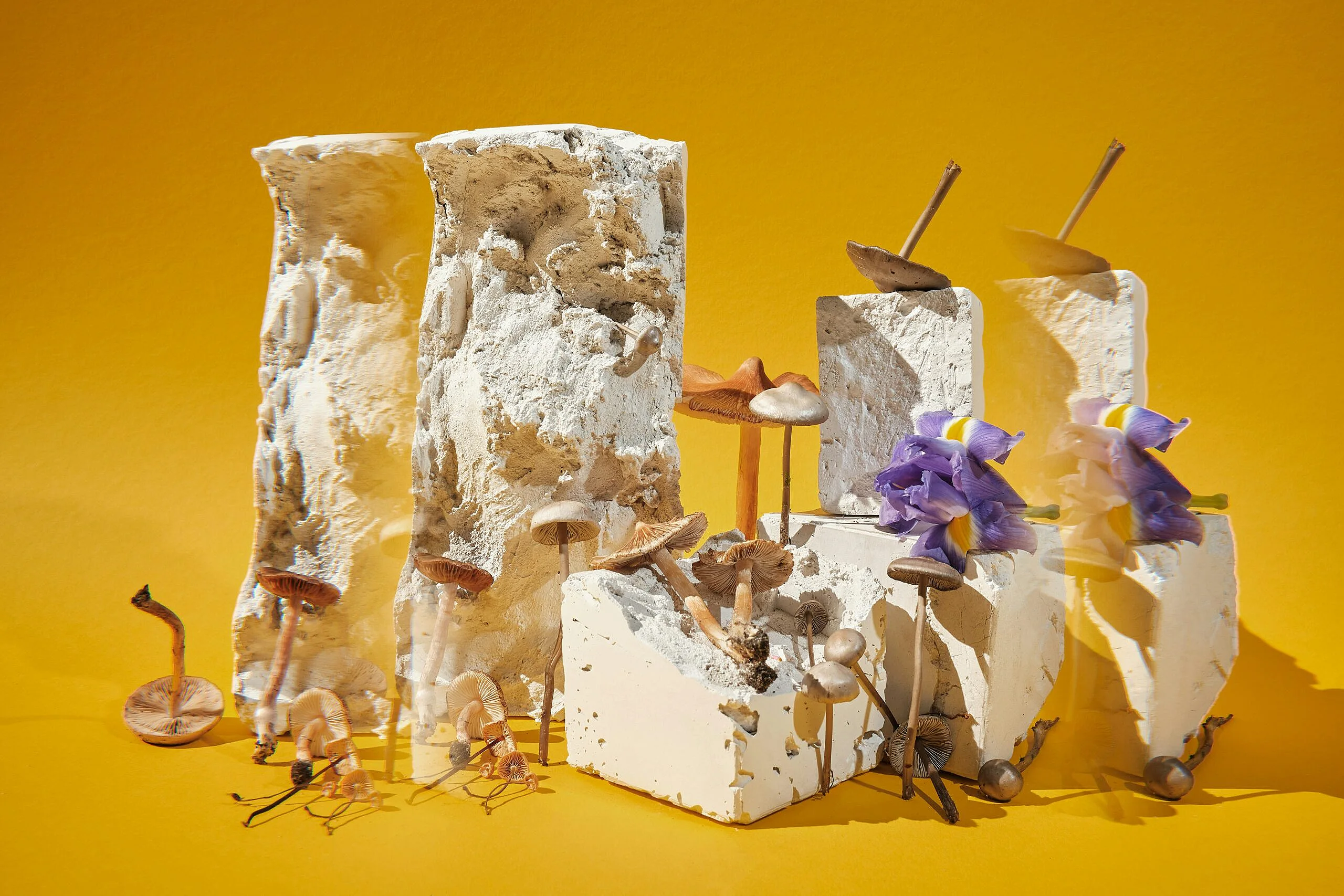
Also known as magic mushrooms, psilocybin is a psychedelic compound9 found in over 200 species of mushrooms that causes hallucinogenic effects. When ingested, it is converted to psilocin in the body. Structurally similar to serotonin, psilocin binds to the same structures in the brain, causing changes in mood and perception. The bigger the dose, the more intense the effects.
However, when microdosed on a schedule, the effects of psilocybin are more mild and therapeutic. Currently, psilocybin is an emerging treatment for a variety of mental health conditions such as depression10, anxiety11, PTSD12, and, most recently, ADHD13.
What Does Current Science Say about Treating ADHD with Psilocybin?
I spoke with one of the leaders in the field, Dr. Eline Haijen-Bongers, PhD, a postdoctoral researcher at the Department of Neuropsychology and Psychopharmacology at Maastricht University in the Netherlands. Together with her research team, Haijen-Bongers has published three peer-reviewed papers on the effects of psilocybin on ADHD in the past four years:
- Microdosing with psychedelics to self-medicate for ADHD symptoms in adults: A prospective naturalistic study
- Effects of psychedelic microdosing versus conventional ADHD medication use on emotion regulation, empathy, and ADHD symptoms in adults with severe ADHD symptoms:14A naturalistic prospective comparison study
- Trait mindfulness and personality characteristics in a microdosing ADHD sample:15 a naturalistic prospective survey study
It’s important to note that these are naturalistic studies, which look at how treatments work in real life, not in a lab. The subjects in these studies go about their normal routines and self-report their experience, rather than researchers controlling every variable. Participants in the study sourced their own psilocybin and microdosed according to their own protocol and then filled out a questionnaire about their overall well-being and ADHD symptoms.
In Haijen-Bongers’ studies with her colleagues, participants reported reduced ADHD symptom severity, improved well-being, and changes in time perception over periods of two to four weeks. These studies also found increases in trait mindfulness — a person’s general ability to stay present in everyday life — and decreases in neuroticism, a personality trait associated with emotional instability and anxiety. As Haijen-Bongers explained, neuroticism reflects vulnerability to stress and mood disturbance, so “a decrease in neuroticism is a positive change.”
However, because these studies relied on self-report and lacked placebo controls, they cannot determine whether the improvements were caused by psilocybin itself. Haijen-Bongers is careful to emphasize that point. “We followed individuals with ADHD who planned to microdose on their own initiative to see how they were doing before, during, and after microdosing,” she explained. This approach captures lived experience, but not causality.
To address that limitation, Haijen-Bongers also contributed to a randomized, double-blind, placebo-controlled clinical trial using twice-weekly low doses of LSD. In that study, both the psychedelic group and the placebo group showed significant improvements in ADHD symptoms over time — but there was no meaningful difference between them. The results suggest that expectancy and belief may play a substantial role in perceived benefits, particularly in microdosing, where the subjective effects can be subtle.
“Both groups really improved over time,” she says. “That says a lot about the placebo effect.”
Recent placebo-controlled evidence further supports this interpretation. A study of two double-blind RCTs published in February 2026 found no reliable effects of psilocybin microdosing on attention, mood, cognitive control, or well-being beyond placebo in healthy participants. While they often described their experiences as subjectively positive, this didn’t translate into measurable cognitive or emotional benefits once expectancy effects were accounted for.
Haijen-Bongers’ work points toward an important distinction: microdosing may not be improving attention or impulsivity directly, but rather changing how people relate to their symptoms. Emotional regulation — the ability to notice, manage, and respond to emotions without becoming overwhelmed or reactive — appears to be a particularly promising area. In this study14 comparing microdosing to conventional ADHD medication, participants who microdosed showed improvements in one key aspect of emotion regulation: cognitive reappraisal, the ability to reinterpret or reframe a situation in a way that changes its dysregulating emotional impact.
Get Help Managing What’s Hard to Hold

 Netherlands
 Spain
Spain Interestingly, the recently published RCTs did not directly assess cognitive emotional functioning. While they included broader measures of psychological flexibility and mood, it remains unclear whether microdosing could influence reappraisal specifically. It is therefore worth considering that psilocybin might impact how individuals interpret or respond to their symptoms: brain function and behavior might still be impacted at more subtle levels. Future trials in clinical ADHD samples will be needed to clarify this possibility.
Haijen-Bongers is now preparing a larger, lab-based study to better understand why some people with ADHD report benefits from microdosing. The upcoming trial will include approximately 100-120 adults with ADHD and will focus less on attention and more on emotional regulation. Rather than assuming microdosing improves focus directly, the study will examine whether changes in emotional reactivity and coping may help explain perceived improvements. The study will also account for expectancy effects, a major factor in microdosing research.
What Can We Conclude from the Research?
The key takeaway is that microdosing psychedelics cannot currently be considered a proven treatment for ADHD. In fact, 2026 trials found that psilocybin microdosing was no more effective than placebo16 on measures of attention, mood, or cognitive control.
While some individuals report feeling better, Haijen-Bongers emphasizes that evidence remains limited. “I would be very cautious,” she said. “The long-term effects are often not properly investigated, and interactions with other medications are not well known.” For now, she stresses that microdosing should be approached as an experimental practice. “People should really try to inform themselves properly before trying something like this,” she said.

Legality and Availability of Psilocybin in the U.S. and Europe
Keep in mind that psychedelics like psilocybin are largely illegal in the United States and Europe, though laws vary by location. In the U.S., it is still illegal under federal law, despite decriminalization efforts in some cities and the creation of regulated, supervised psilocybin therapy programs in states like Oregon and Colorado. In most of Europe, psilocybin is also illegal, with penalties differing by country. The Netherlands is one exception, where psilocybin truffles are legally sold. Overall, availability is uneven, and the legal risk depends on where you live.
In short, psychedelic therapy is an evolving field, so use caution when considering whether microdosing psilocybin for ADHD is right for you. If you have ADHD, let your natural curiosity guide your research on this topic — talk to leading professionals who are working carefully and responsibly to unlock the power of psychedelics as tools for healing.
FAQ
 Expert Board Member
Products or interventions aimed at wellbeing, cognitive improvement or emotional regulation have typically been considered as potential therapeutic avenues in ADHD. Nevertheless, carefully conducted research challenged the benefits, and suggested that placebo itself might have a strong effect. Recent evidence of psilocybin microdosing effects in ADHD, carefully summarized below, seems to be affected by a similar controversy. Staying tuned to the latest scientific input remains critical to streamline microdosing towards optimal benefit and manage patient expectations.