This content is grounded in peer-reviewed research, clinical guidelines, and established best practices. Claims are reviewed for accuracy and transparency. Learn more about our evidence standards
The Rise of ADHD: Awareness or Overdiagnosis?
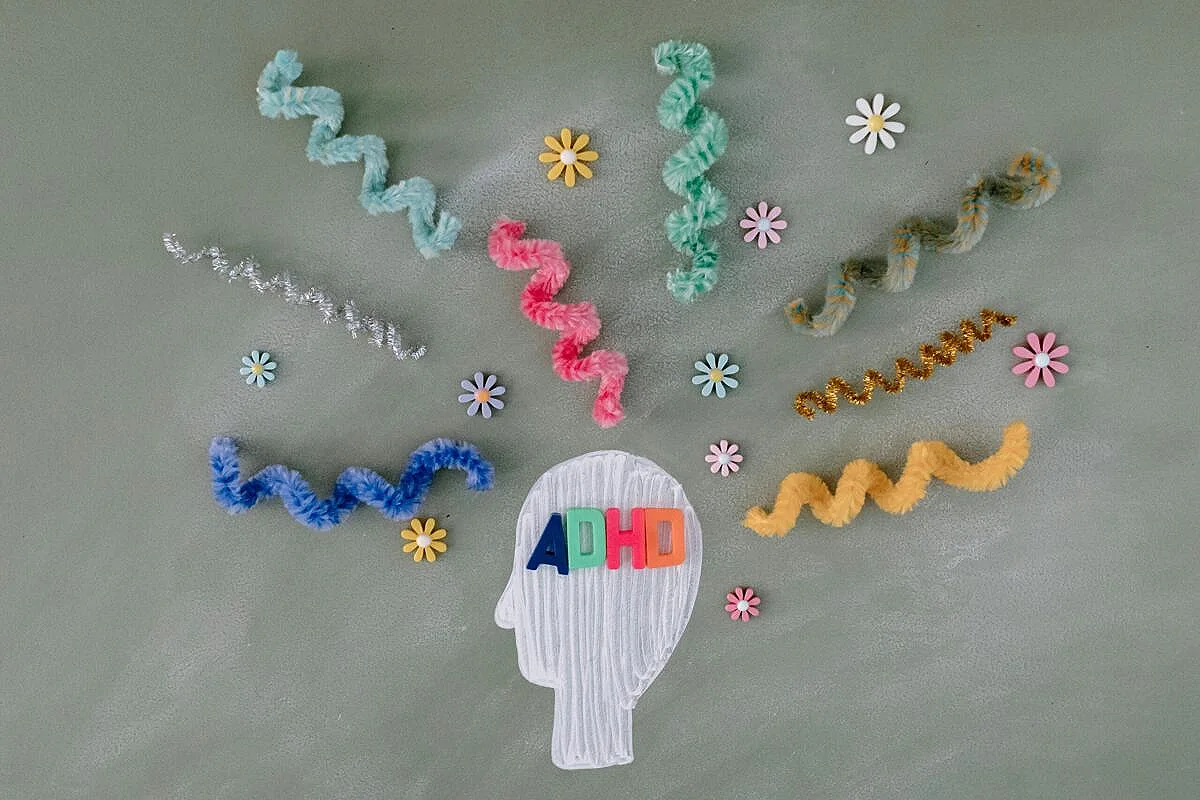
Typically, ADHD has been viewed as a condition that affects young children, diagnosed more commonly in young boys — but an improved understanding of the condition is leading to greater diagnosis in adults.
Record numbers of people are being diagnosed with ADHD, and the prevalence of late diagnosed adults, particularly in women, is also increasing.
We notice this change, see it in our communities and in our news feeds. But where is it actually coming from?
Previous research suggests that the prevalence of ADHD diagnoses1 rose twofold from 6.8% to 14.4% between 2005 and 20142, noting that the rise in cases might be due to increased referrals and improved diagnosis and awareness. However, recent research from the UK3 on 2 to 19 year olds, and a global meta-study of children4, suggest that there is no evidence of an increase in actual population-wide ADHD prevalence since 1999.
Potentially conflicting information. Are cases really on the rise? Adding to this, research suggests that there is a strong link between ADHD and anxiety, a condition which has also seen an increase in diagnosis5 in recent years.
William Schroeder, founder of Just Mind Counseling says he believes the rise in diagnosis is because more people are becoming aware of the symptoms. Speaking to States of Mind, Schroeder says:
“There is a greater awareness3 of mental health in general, but especially ADHD and its symptoms, which is leading to increased diagnoses.


“ADHD is misunderstood by others frequently. People may view the symptoms as simply laziness, attention problems and/or hyperactivity, when it’s really an executive functioning issue. Many adults spent years being labeled as lazy or unmotivated when, in reality, they had ADHD.”
Neuropsychologist Dr Jesisca McCarthy explains in an interview with States of Mind, that ADHD diagnoses are rising worldwide due to three specific factors3. These include:
- Greater diagnostic clarity and understanding among medical and mental health professionals as to what ADHD is
- Reduction in mental health stigma
- Increased awareness amongst the public that symptoms they may be experiencing could be ADHD
“The stigma around neurodiversity, including ADHD and autism, is diminishing. We can partially thank social media and technology for this,” says Dr McCarthy.
On the other hand, she highlights that there is a lot of misinformation about ADHD on social media6, which sometimes encourages people to speak with their primary care providers or seek out specialized mental health evaluation.
ADHD In Women And Girls
Adding to the complexity, are the gender-specific aspects of ADHD symptoms and diagnosis.
According to studies by Epic Research, a health systems database in the US, ADHD diagnoses in women ages 23 to 49 have nearly doubled from 2020 to 2022. Researchers say this is partially due to a better understanding of how ADHD affects girls and women.
Dr McCarthy adds more perspectives to the gender part of the equation, discussing atypical presentations of ADHD7, which are more common in females.
She notes that puberty is often the “break point” for females with ADHD, where coping strategies no longer work because fluctuations and hormones, especially estrogen, impact both cognitive and emotion regulation symptoms.
This could explain why girls tend to be diagnosed a few years later than boys8 — if diagnosed at all before adulthood.
“There is a fair amount of adults walking around, especially women, who have ADHD but have been made to silently suffer through their increasingly inadequate coping strategies, especially as perimenopause gears up,” she says.
Chronic anxiety can also mimic ADHD symptoms, which can confuse the diagnosis.
The most important conversations shaping the future of psychedelics, delivered weekly.
From thought-provoking podcasts and original stories to research breakthroughs and industry news, stay connected to the conversations that matter.


Joined by 12,000+ readers
“A lot of women were either underdiagnosed or misdiagnosed9, which is partially why we are seeing an influx of women coming forward for evaluation in their twenties, thirties, forties, and beyond,” says Dr McCarthy.
Dr. Saara Haapanen, a performance coach for women with ADHD and founder of Performance is Haapanen, helps ADHD women train their brains and bodies for optimal performance, and highlights potential misdiagnoses.
“Anxiety, as well as depression, can be symptoms of unmanaged ADHD10. I was diagnosed with depression many times before a brain scan concluded I had ADHD,” says Dr. Haapanen.
“The condition is so misunderstood by the general population, the issues arise when you ask an ADHD brain type to fit into a mold or do things that are very challenging for their neurotype such as sitting still in a chair and listening, that’s not really how our brains are built to work.”
ADHD and Anxiety
Adding yet another layer to the puzzle, is research showing an overlap between ADHD and anxiety11, and that people who have ADHD often have heightened levels of anxiety.
Dr McCarthy highlights that one of the biggest problems regarding ADHD is that secondary diagnoses, such as anxiety and depression, are oftentimes misdiagnosed as the primary issue.
This is because these symptoms are more obvious, and are the symptoms that drive people to seek medical help.
Dr. Carolina Estevez is a psychologist at Soba of New Jersey, believes that the dismissal of symptoms as simply hyperactivity ignores the core issue of a “neurobiological difficulty with executive functions like time management, attention span, and impulse control.”
“These difficulties in executive functioning can lead to a large overlap with anxiety, where comorbidity (the simultaneous presence of two or more conditions in a patient) is estimated up to ~50%12,” says Dr Estevez.
“This is due to chronic stress of forgetting appointments, missing deadlines, or being inconsistent, which generates intense secondary anxiety about underperforming or failing which can be mistaken for or complicate a primary anxiety disorder.”


However, Schroeder adds that many people with untreated ADHD experience anxiety because of the symptoms, with anxiety forming as a coping response to attention deficits.
In his therapy with clients, Schroeder highlights some of the most significant work with ADHD is centered around working through shame. One of the best tools he finds that works for his clients is EMDR13, as past negative experiences, running late, forgetting things, and impulsive actions may cause “shame-filled” memories.
“EMDR can help to reduce the intensity and help that person not to respond to that old wound and to be grounded in the present moment,” he says.
“Chronic anxiety can also mimic ADHD symptoms, which can confuse the diagnosis.
In therapy, we help people with ADHD understand that the symptoms aren’t because of laziness.”
In conclusion, the conversation around ADHD is evolving. While increased awareness is generally a welcome addition, it should be complimented with a related increase in nuance. Overlapping conditions like anxiety, gender-specific realities, and systemic factors can shape our understanding and our diagnosis — and influence how and if we seek help.
 Expert Board Member
Mental health has become a hot topic in the past years, from child formation and family environment to work cultures. Talking about it and seeking help from specialists is less and less stigmatized, yet questions arise whether all people receiving a diagnosis are actually suffering from the condition. Particularly in the case of ADHD, the recent increase in diagnosed cases might lead one to be sceptical. In this article, specialists that diagnose and treat ADHD give considerable insight into the matter.