Can Non-Hallucinogenic Psychoplastogens Deliver the Therapeutic Signal?
- Psychedelics don't just alter consciousness — they rapidly boost the brain's ability to rewire itself. That plasticity may be what actually supports healing.
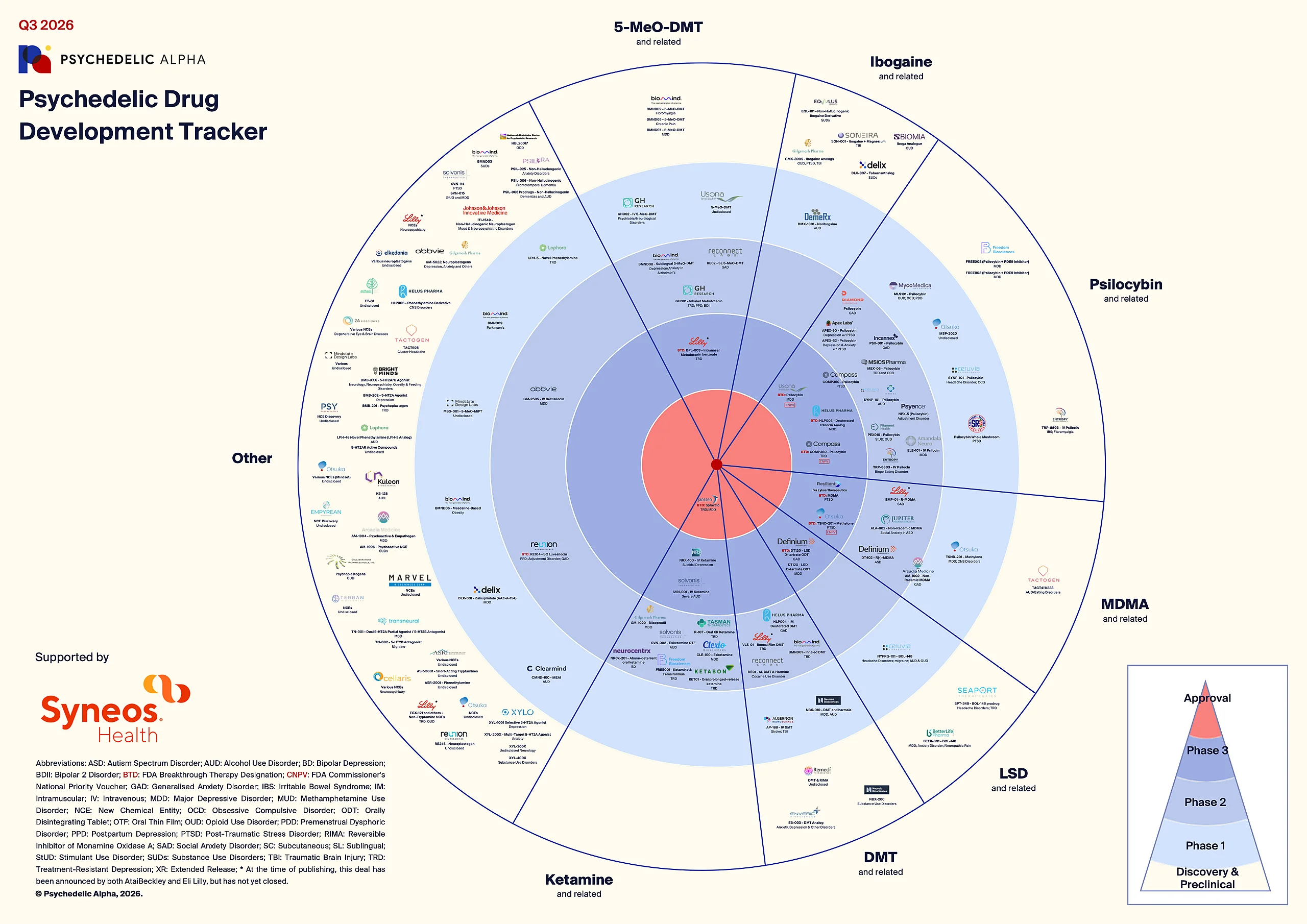
- A new class of drugs, called neuroplastogens, is engineered to trigger that same rewiring without the trip. Several are already in human trials, but none has yet completed a Phase 2 or 3.
- "Psychoplastogen" covers any fast-acting compound that drives lasting plasticity, including psychedelics. "Neuroplastogen" increasingly means the non-hallucinogenic substances.
- A central debate remains unresolved: whether the subjective psychedelic experience is necessary for therapeutic benefit, or whether the plasticity cascade alone is sufficient.
- If neuroplastogens work, these drugs could be taken at home like ordinary medication, reaching far more people than clinic-based psychedelic therapy ever could.
Over the past decade, renewed interest in psychedelic medicine has revealed that compounds such as psilocybin, LSD and ketamine not only produce profound alterations in consciousness but also rapidly stimulate brain plasticity. But is enhanced brain plasticity the key mechanism underlying their therapeutic effects? This question has spurred interest into developing modified versions of psychedelics that have the trip removed as new mental health treatments.
While big pharma has begun to snap up psychedelic companies, clinicians and scientists still debate over how and why these treatments could treat mental health conditions. Classic psychedelics like LSD, psilocybin, DMT and 5-MeO-DMT activate a subtype of serotonin receptors (5-HT₂A) on neurons in the cerebral cortex, which is thought to be the mechanistic basis of changes to perception.
But, beyond the trip, studies in animals have shown that psychedelics increase brain plasticity. Researchers believe an additional “therapeutic signal” emerges beyond the 5-HT₂A receptor activation. Rather than producing perceptual alterations, bursts of excitatory signals and upregulation of neuroplasticity occur. Importantly, these changes appear to underlie the rapid and durable antidepressant effects of psychedelics. Notably, these plasticity changes persist long after the drug is cleared, suggesting lasting circuit rewiring.


Psychoplastogens vs Neuroplastogens
The term “psychoplastogen” was coined to describe any fast-acting agent that induces durable neural plasticity changes. Traditional examples include ketamine, MDMA, and classic psychedelics. The term “neuroplastogen” is often used interchangeably, but often specifically for non-hallucinogenic ones. Increasingly though, neuroplastogen has become a term for drugs inspired by psychedelics but chemically engineered to avoid altering perception.
Pharmaceutical companies hope to harness these plasticity boosting effects by designing and exploring drugs that reproduce this plasticity-promoting signal. For this article, neuroplastogen is the term used for drugs designed to trigger the same plasticity cascades as psychedelics, without inducing a “trip”.
Biotechs have sprung up to develop these compounds, with several already in human trials. For example, zalsupindole (DLX-001) is based on the chemical structure of 5-MeO-DMT: it binds 5-HT₂A receptors* and drives plasticity, yet in clinical trials it produced no dissociation or hallucination.
A type of protein “gateway” found on neurons, particularly in the cerebral cortex, that respond to the neurotransmitter serotonin. Classic psychedelics such as psilocybin, LSD and DMT activate these receptors, triggering changes in brain signalling that contribute to altered perception and consciousness, while also stimulating processes involved in neural plasticity.
Not every drug that activates 5-HT₂A receptors is psychedelic. Lisuride, for example, can activate 5-HT₂A receptors without producing LSD-like hallucinations even though it is closely related. This suggests that different drugs activate the 5-HT₂A receptor signal in different ways — a phenomenon known as biased agonism — and is one reason scientists believe it may be possible to separate the neuroplastic effects of psychedelics from the psychedelic experience itself.
Tabernatholog (DLX-007) is a modified version of ibogaine that reduced depression-like behaviours in rats, while avoiding the cardiac-related toxicity that has limited ibogaine’s clinical development.
Similarly, 2-bromo-LSD is a modified version of LSD that has been shown to increase aspects of growth in isolated neurons, as well as reducing depression- and stress-linked behaviours in mice.
This raises important questions in developing next-generation treatments for mental health conditions. Can boosting plasticity without the trip help people overcome treatment-resistant depression or severe anxiety?
Additionally, these drugs might also be helpful in treating neurological or neurodegenerative disorders like Alzheimer’s disease and Parkinson’s disease where boosting plasticity might help to restore declining brain function. Or, even repairing brain function following traumatic injuries to the brain or a stroke.


The Therapeutic Signal
Converging studies indicate that psychedelics, ketamine and other psychoplastogens activate a cascade of molecular changes inside neurons that leads to changes in excitation and growth of new connections. This suggests a single dose of drug could trigger lasting biological changes.
Ketamine rapidly increases dendritic spine formation in the brains of mice, which are key for building new connections, and these changes parallel its rapid clinical antidepressant effect. Likewise, studies show psychedelics like psilocybin, LSD and DMT can change neural structure and elevate plasticity-related brain-derived neurotrophic factor (BDNF). These neuroplastic changes outlast the acute drug effects, offering a plausible “rapid-reset” of neural circuits in depression.
Is Plasticity More Important Than the Psychological Effects of Psychedelics?
There are multiple schools of thought regarding how psychedelics can help mental health conditions. Some researchers argue that the increase of brain plasticity is the essence of the therapeutic effects of psychedelics. In this view, the “trip” is a side effect; the key is opening a window of malleability in brain circuits.
This is also supported by studies where sub-psychedelic “microdoses” or non-psychedelic analogs still produce plasticity and antidepressant-like behaviour. Some patients report antidepressant benefits from microdosing, which challenges the necessity of a full-blown “trip”.
From this stance, non-hallucinogenic neuroplastogens could in principle deliver the same therapeutic signal to patients, with far fewer complications. Zalsupindole (DLX-001) showed brain signals linked to brain-plasticity that were comparable to ketamine but without dissociation.
Gilgamesh Pharma has tested blixeprodil (GM-1020), a drug inspired by ketamine, and completed a randomized Phase IIa trial in major depressive disorder. Early results suggest rapid antidepressant effects with “low dissociative” effects. While these drugs are still in the early stages of human clinical trials, the hope is that such drugs could be taken at home, repeatedly or intermittently, to steadily reinforce adaptive neural circuits.
The most important conversations shaping the future of psychedelics, delivered weekly.
From thought-provoking podcasts and original stories to research breakthroughs and industry news, stay connected to the conversations that matter.


Joined by 12,000+ readers
What About the Psychedelic Experience?
An opposing view emphasizes that the mystical or emotional experiences induced by classic psychedelics are integral to their therapeutic power. Studies show the depth of the “mystical type” experience correlates with long-term symptom relief. In fact, the subjective effects of psychedelics could be necessary for their enduring therapeutic effects.
The rationale is that the experience fosters psychological insight, emotional release, or a sense of meaning that rekindles neuroplastic processes. Following psychedelic therapy, patients often report profound realizations about themselves or their lives, which can catalyze changes in thoughts and behaviour.
Critics of the purely biological model note that boosting plasticity with antidepressants or even direct BDNF analogs does not produce the dramatic, rapid mood lifts seen with psychedelic therapy. The psychological context is key, so the drug’s plasticity window is combined with meaningful changes catalysed by therapy. Non-hallucinogenic psychoplastogens might underdeliver therapeutically as psychological engagement may augment the biological signal.
An Integrated Model
A middle-ground model has gained traction in recent years. The REBUS (Relaxed Beliefs Under Psychedelics) framework says psychedelics temporarily loosen entrenched patterns of brain network activity, creating a critical period of plasticity. This view combines how sensory and emotional content of the trip and psychotherapy can reshape brain circuits. Essentially, the drug provides a neurobiological “reset button” by opening a window of plasticity, and the subjective experience steers where the reset leads.
This synergistic model proposes that psilocybin acutely lowers the precision of negative self-beliefs (relaxation) during the trip and can cause a persistent revision of these beliefs after the session — the subjective process and brain plasticity go hand-in-hand.
From this angle, non-hallucinogenic neuroplastogens might still work, but perhaps best in conjunction with psychological therapy. In other words, the drug jump-starts plasticity, but to get the most out of it, some form of therapy might be needed.
Where Does the Evidence Currently Stand?
Human neuroimaging studies consistently show acute changes in functional connectivity following psychedelic administration. Ketamine’s ability to improve depressive symptoms within hours provides perhaps the strongest clinical evidence that rapidly enhancing neural plasticity can produce meaningful therapeutic benefits.
On the other hand, the subjective-experience hypothesis has more limited randomized data. Most studies of “microdosing” have been small or uncontrolled, and even when users report modest mood lifts, it’s unclear if true plasticity occurred. The plasticity-only hypothesis is still awaiting a definitive test in people, no non-hallucinogenic plasticity drug has yet completed a Phase 2 or 3 clinical trial, so we don’t know if removing the trip is effective in patients.
How Might Non-Hallucinogenic Psychoplastogens Change the Game for Mental Health Treatment?
Non-hallucinogenic psychoplastogens could have huge public health benefits if they prove effective. Without the intense psychedelic experience, they could be prescribed more like conventional medications. Patients could self-administer at home if safety profiles are acceptable, potentially reaching many more people than the few thousand who undergo psychedelic therapy in clinics.
However, there are still risks and unknowns. Any drug that can powerfully alter brain plasticity might have long-term consequences, as plasticity without any psychological support could, in theory, result in unpredictable brain circuit changes.
From the regulatory standpoint, agencies like the FDA are already granting “Breakthrough Therapy” designations to some psychedelics, including psilocybin for treatment-resistant depression and MDMA for PTSD. Regulators may view non-hallucinogenic compounds more favourably as the scheduling issues around hallucinogens will be avoided. For example, the Phase 2 study for zalsupindole received FDA clearance to be taken at-home rather than in a clinic — a regulatory milestone suggesting comfort with its safety profile.
If neuroplastogens are eventually approved as at-home medications, this could dramatically expand access (no need for 8-hour clinic sessions) and transform psychiatric treatment. Rather than weekly pills, patients might come in for an hour-long dosing session (like ketamine clinics today), perhaps repeating doses monthly or quarterly. However, some form of psychological support — even in the absence of a classic “trip” — may still be needed to maximize benefits and safety.
The next few years will be critical. If non-hallucinogenic psychoplastogens demonstrate rapid, durable relief in large trials, it will cement the idea that we can decouple the “trip” from the therapy. But if these drugs underperform compared to their psychedelic prototypes, it will underscore the irreplaceable role of psychological change in healing. Rather than choosing between biology and psychology, psychiatry may ultimately find that both are essential: brain plasticity opens the window for change, while experience determines what happens next.

FAQ
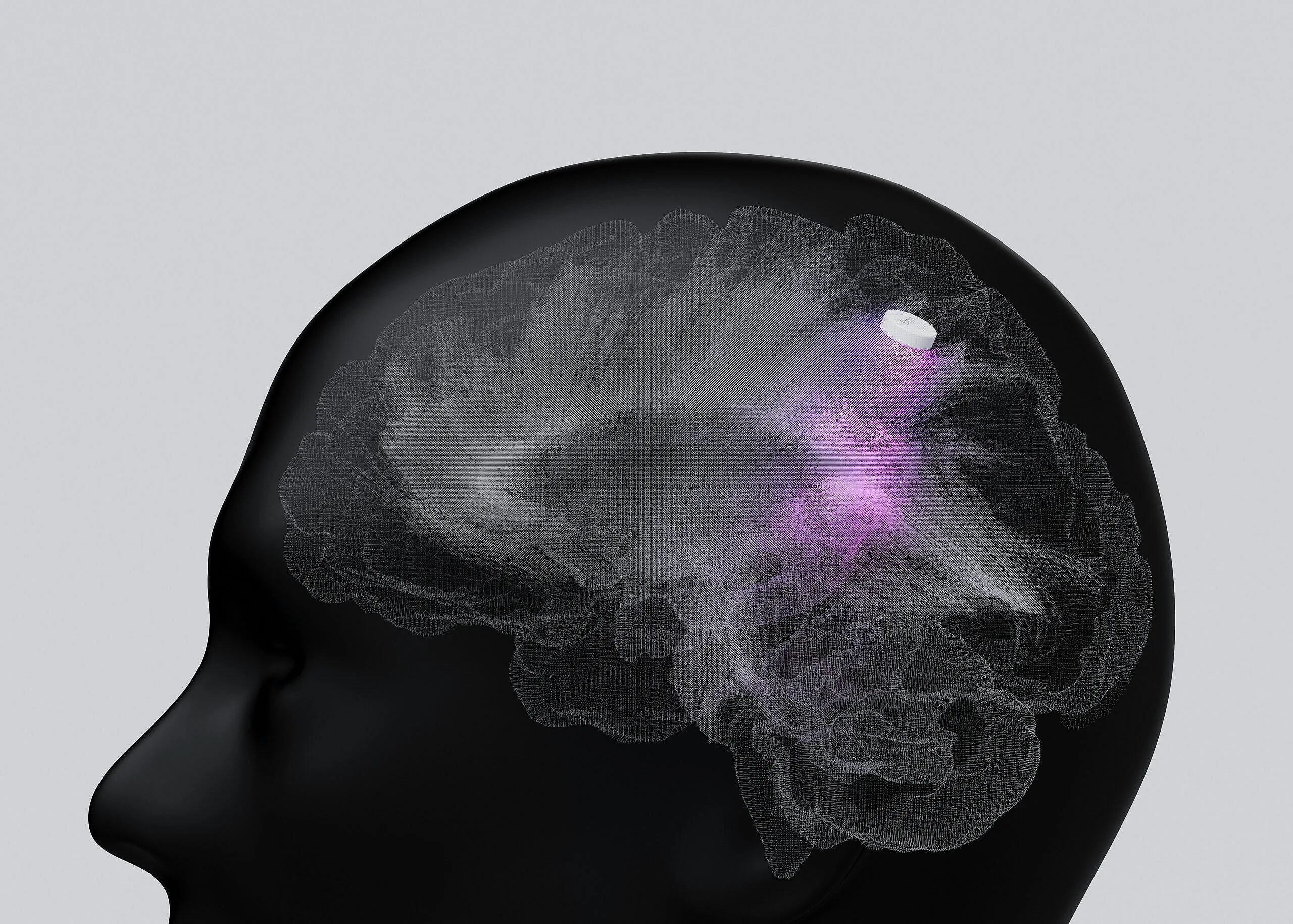
Neuroplastogens and psychoplastogens activate molecular pathways that make brain cells more able to change and form new connections. Depending on the drug, this can involve serotonin 5-HT₂A or glutamate receptors, followed by signalling through cellular growth-related pathways involving BDNF, TrkB and mTOR.
These processes can increase the growth of dendritic spines and formation of new synapses, effectively creating a temporary “window of plasticity” during which neural circuits may be more readily remodelled by learning and experience. While changes to neurons are measured microscopically, functional brain imaging shows changes in the activity of brain networks in people.
Several biotechnology and pharmaceutical companies are developing drugs designed to harness psychedelic-associated neuroplasticity without the “trip”. Delix Therapeutics is one of the most prominent developers of specifically non-hallucinogenic neuroplastogens. Its lead compound, zalsupindole (DLX-001), has entered clinical development for major depressive disorder and is designed to promote neuroplasticity without producing psychedelic or dissociative effects.
Other, smaller companies are currently in the early stages of development and have not yet tested compounds clinically. These include BetterLife Pharma who are developing 2-Bromo-LSD (2-Br-LSD), under the developmental code name BETR-001 for the treatment of cluster headaches. A precursor of 2-Br-LSD is also under development by Seaport Therapeutics (SPT-348) for the treatment of neuropsychiatric disorders. Further players in the field include Gilgamesh, Xylo Bio, 2A Biosciences, Psilera, and others who are investigating neuroplastogens for a range of psychiatric and neurological conditions.
Depression is currently the major clinical target of neuroplastogens. Researchers are also investigating neuroplasticity-promoting compounds for conditions including anxiety disorders, post-traumatic stress disorder, traumatic brain injury and substance use disorders.
Additionally, applications in neurological and neurodegenerative conditions are being explored, as the perception-altering effects of classical psychedelics may be contraindicated in conditions like Parkinson’s disease and Alzheimer’s disease where there is risk of acute psychosis and confusion. However, most novel non-hallucinogenic psychoplastogens remain in the experimental phase and have not yet been tested in people.
Psychoplastogens are defined primarily by what they do to the brain: they rapidly promote structural and functional neural plasticity. Psychedelics are generally defined by their ability to produce characteristic alterations in perception, cognition and consciousness. Many psychedelics, including psilocybin and LSD, are therefore psychoplastogens based on their reported effects on plasticity.
However, a psychoplastogen does not necessarily have to be psychedelic. Researchers are now developing compounds intended to retain the plasticity-promoting effects while reducing or eliminating hallucinations and other subjective effects.
If the term is used broadly, yes. Esketamine (Spravato) is a form of ketamine, which promotes neuroplasticity. Spravato is FDA-approved for treatment-resistant depression and for depressive symptoms in adults with major depressive disorder with acute suicidal ideation or behaviour. However, the newer class of specifically engineered non-hallucinogenic psychoplastogens are still in clinical development and are not yet approved for psychiatric treatment.
Increasing brain plasticity is not necessarily beneficial by itself. A highly plastic brain can be more sensitive to environmental, psychological and behavioural influences, potentially strengthening maladaptive as well as beneficial patterns of thinking and behaviour. The longer-term consequences of repeatedly enhancing neuroplasticity using psychoplastogens are not yet well understood.
Currently, novel non-hallucinogenic psychoplastogens are investigational drugs and cannot be marketed as approved treatments. Their legal status will ultimately depend on clinical trial outcomes and regulatory approval.
In the United States, Spravato (esketamine) is an approved prescription medicine and a Schedule III controlled substance, while ketamine is approved as an anaesthetic and is sometimes prescribed off-label for psychiatric conditions. Classic psychedelics such as psilocybin and LSD remain Schedule I controlled substances under US federal law and are not FDA-approved medicines. The picture is similar, although regulatory frameworks differ, in the UK and Europe, with no classical psychedelic currently having approval as a psychiatric medicine.