
This content is grounded in peer-reviewed research, clinical guidelines, and established best practices. Claims are reviewed for accuracy and transparency. Learn more about our evidence standards
Brain Changes After One Psilocybin Treatment
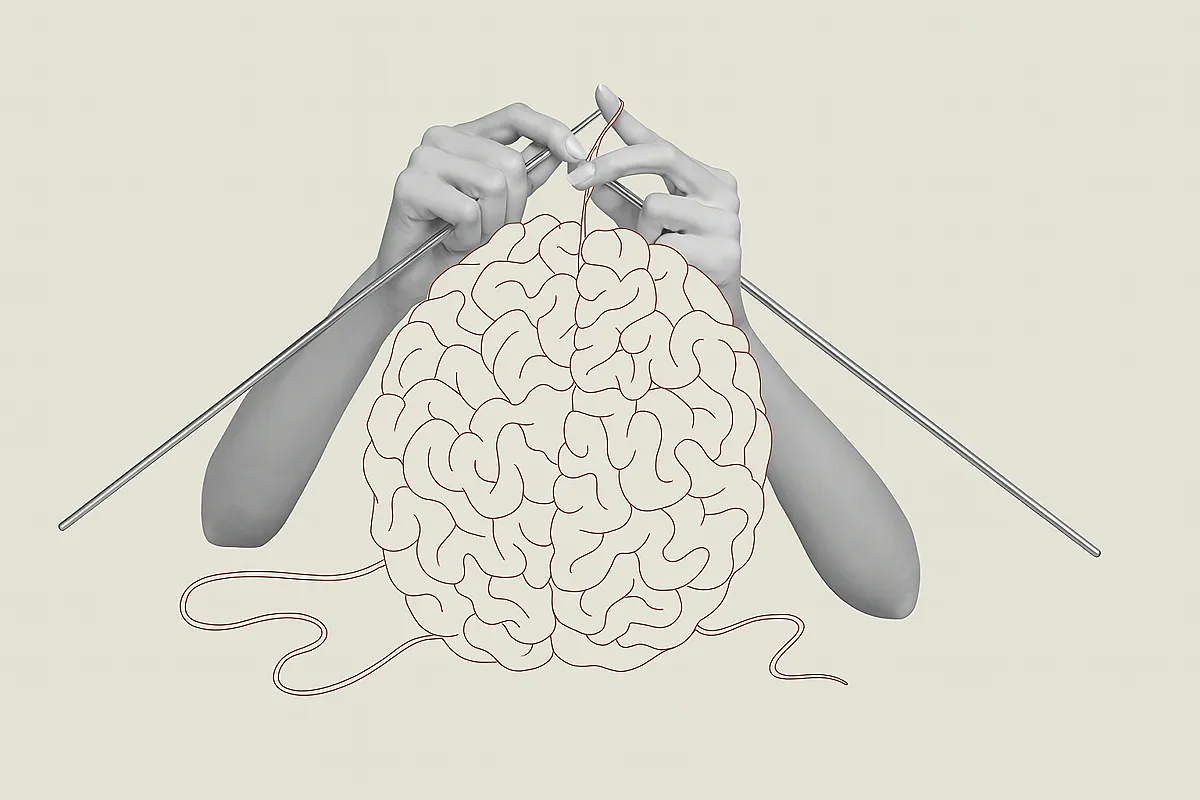
Increasing research has revealed the potential of psychedelic medicines such as psilocybin to help treat mental health conditions such as anxiety, depression and post-traumatic stress disorder (PTSD).
How psychedelics help to improve symptoms of these conditions has been linked to changes in brain networks and increased neuroplasticity in the brain following treatment.
Now, a new study from researchers at the Centre for Psychedelic Research at Imperial College London and UC San Francisco has found both structural and functional brain changes1 following psilocybin treatment, which support these findings and help to explain their mental health benefits.

Changes In Brain Entropy
The study1, carried out in 28 healthy participants, has revealed that a psychedelic dose (25 mg) of psilocybin caused increased brain entropy both during treatment and in the hours following.
Entropy is a concept from physics that describes the amount of variability, complexity, and unpredictability within a system. In neuroscience, entropy2 is used as a measure of how richly and flexibly the brain is processing information at any given moment. A highly ordered system tends to follow predictable patterns, whereas a higher-entropy system can explore a wider range of possible states.
During a psilocybin experience, the brain appears to enter this more flexible mode, with neural activity becoming less rigid and more dynamic. In the study, the researchers linked shifts in brain entropy — or “robust increases in signal complexity” — during a psilocybin treatment to the emotional insights that people experience during the treatment.
The authors write that increases in brain entropy predicted psychological outcomes such as “psychological insight and improved wellbeing”, and that the level of entropy predicted how much insight the participants felt the next day. It also linked to improvements in wellbeing one month later.
Speaking to States of Mind, study author Professor David Nutt explains that this finding on changes in brain entropy is vital for mental health outcomes.
“It means the brain is more flexible so people can escape from deeply rutted ruminative type of thinking,” explains Professor Nutt.


White Matter Fibres
The study also used advanced structural neuroimaging, namely diffusion tensor imaging3 (DTI), which is a type of MRI, to examine changes to the white matter fibre tracts that connect regions of the brain together. The study revealed “compacting” of white matter fibres across the prefrontal cortex and subcortical regions of the brain.
White matter fibres are vital for communication between brain networks as it represents the integrity of long range neuron connections throughout the brain, with fibre integrity being correlated with healthy cognition4.
Plasticity of white matter5 structure has been associated as being critical for learning complex skills, and studies show that changes in white matter, from learning for example, contribute to the development of functional brain networks6.
Professor Nutt highlights that this finding from the study shows that new brain circuits are established after the treatment.
“This is very important as the finding can help explain why just a short psychedelic trip can lead to enduring improvements in mood,” he says.
Previous research has found that white matter fibres are altered or damaged7 in patients with major depression. For this reason, psilocybin-assisted therapy in people with depression could restore, or enhance white matter fibres, although this hasn’t been studied yet.
The most important conversations shaping the future of psychedelics, delivered weekly.
From thought-provoking podcasts and original stories to research breakthroughs and industry news, stay connected to the conversations that matter.


Joined by 12,000+ readers
Placebo Comparison
Importantly for understanding the effects of psilocybin on the brain, this study used a placebo-controlled, within-subject design, meaning all subjects experienced both treatments administered within the study.
The research team administered a low dose of 1mg of psilocybin to participants as the “placebo” and a higher 25mg dose one month later. Importantly, 1mg is a sub-perceptual dose, sometimes called a microdose, meaning that it does not cause hallucinations, or a psychedelic “trip”, whereas 25 mg is a perceptual dose.
This enabled the researchers to accurately measure the changes to each person in the study’s brains using electroencephalography (EEG) and advanced methods of neuroimaging.
The team measured participants’ psychological insights, wellbeing and cognitive ability during the weeks between the first and second dose. They then took the same measurements during the 25mg experience and the month following, enabling a comparison of the two doses.
The Psychedelic “Trip” Is Important For Wellbeing Outcomes
Whether or not the psychedelic component of these drugs contributes to potential improvements in mental health symptoms is currently a source of debate in psychiatry8.
However, research has pointed to elements of the subjective experience of the altered state induced by psychedelics, such as mystical insights, as being linked to long-term improvements in mental health9.
In this current study, the authors highlight the connection between changes in brain entropy and psychological insights, which suggest that the psychedelic experience is vital for long-term mental health outcomes.
The authors write: “This finding lends further support to the position that the psychedelic experience is involved in the therapeutic effects of psychedelic compounds.
“In terms of subjective effects, the present work only reports on generic intensity.”
To better understand this, the authors suggest that future research could examine additional, more specific dimensions of experience, such as emotional breakthroughs.
Senior author on the study, Robin Carhart-Harris, Ralph Metzner Distinguished Professor of Neurology at UCSF, stated: “Our data shows that such experiences of psychological insight relate to an entropic quality of brain activity and how both are involved in causing subsequent improvements in mental health.
“It suggests that the trip — and its correlates in the brain — is a key component of how psychedelic therapy works.”
“It helps justify ongoing research in other disorders where thinking is deeply rooted, such as anorexia and addictions. These data will be presented in the future,” adds Professor Nutt.
The team emphasise that more research is needed to confirm the results along with even more advanced imaging methodologies to examine the reliability of the findings.

 Expert Board Member
As interest in psychedelic-assisted therapies grows, understanding what happens in the brain during and after treatment is an important area of research. This article explores emerging evidence that a single psilocybin treatment may produce lasting changes in brain function and structure, potentially supporting greater psychological flexibility, insight, and wellbeing. By translating complex neuroscience concepts into accessible language, this article provides a helpful overview of how psychedelic experiences may contribute to enduring therapeutic outcomes.