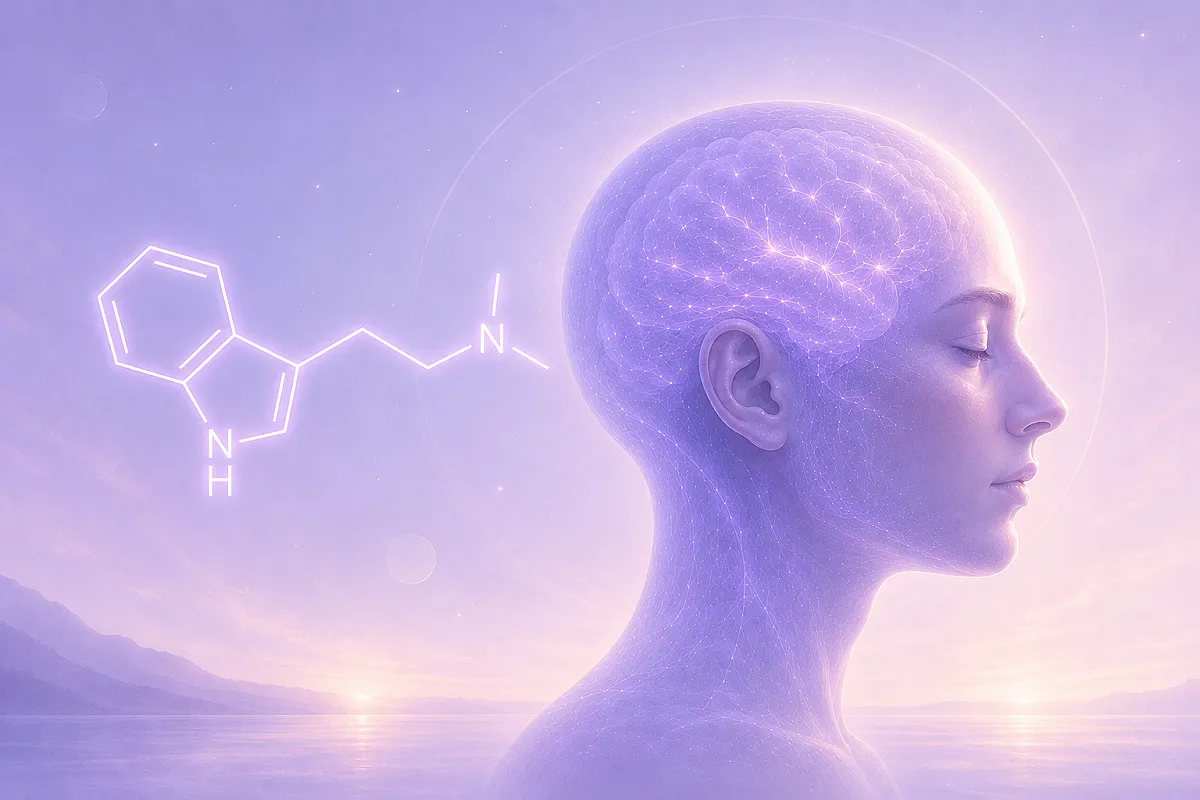
Can Magic Mushrooms Help With Alzheimer’s?
The modern psychedelic renaissance has been largely driven by research into depression, anxiety, PTSD, and addiction. But as scientists explore how psychedelics affect the brain, researchers are beginning to ask broader questions: could these compounds play a role in neurodegenerative diseases like dementia and Alzheimer’s?
A new case study1 is grabbing some attention on the subject. The report describes an elderly woman in her 80s with advanced Alzheimer’s who, following two supervised psilocybin sessions, showed striking improvements in memory, mobility, and self-care. Her family and caregivers saw changes they hadn’t seen in years.
It’s a single case. It’s not clinical proof. But it’s the kind of finding that makes researchers stop and ask questions — and offers patients glimmers of hope.

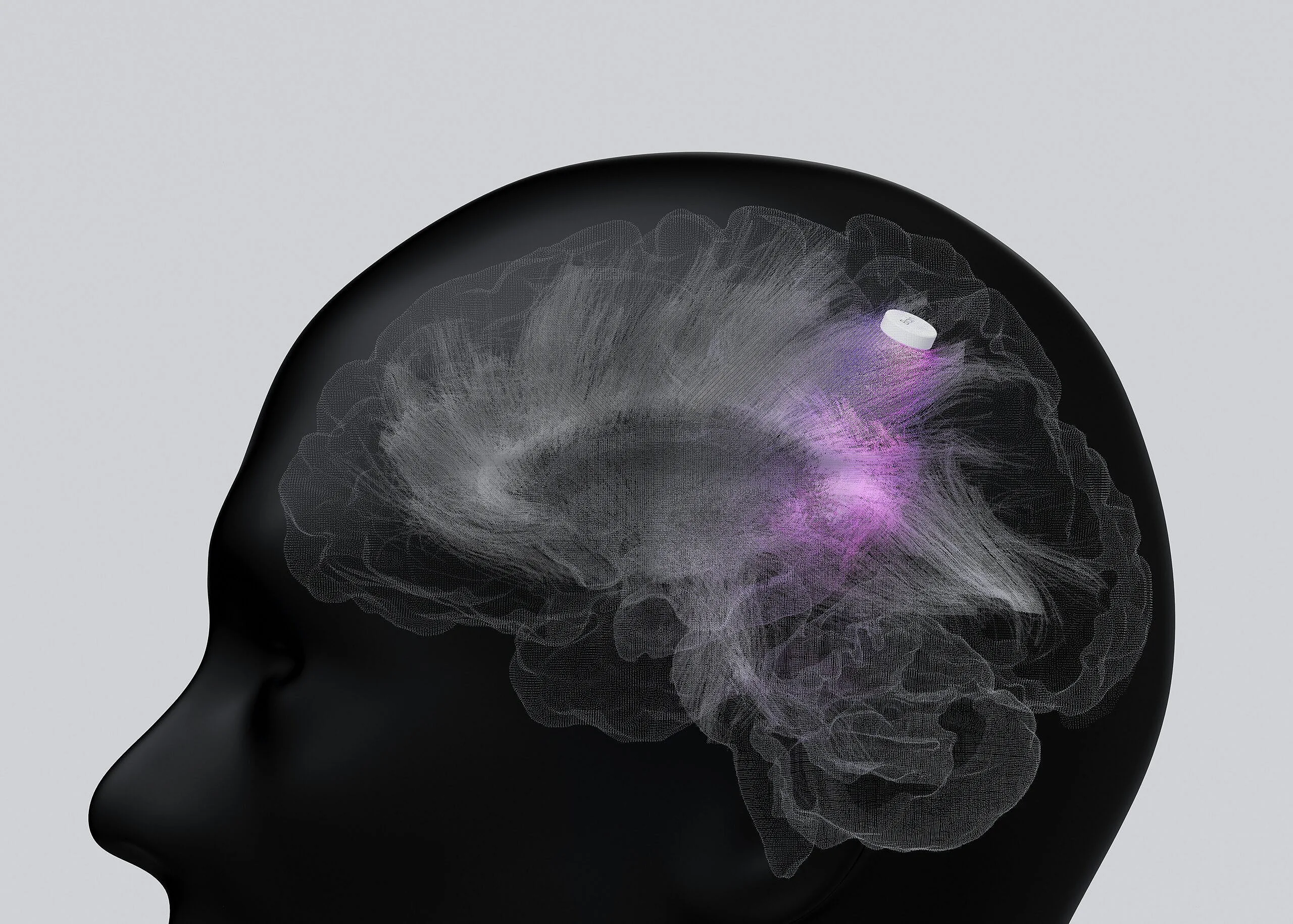
Suffering From Alzheimer’s, Psilocybin May Have Helped
By the time of treatment, the woman’s condition was severe. She needed help walking, dressing, and eating. Her speech had been reduced to a handful of words. She was incontinent.
During a supervised session with a high dose of psilocybin mushrooms, caregivers observed effects like heavy sweating and a prolonged sleep-like state lasting nearly 19 hours.
Then the woman woke up — and began speaking. Recalling memories. Having conversations.
In the weeks that followed, her family reported she was recognizing relatives more consistently, walking with greater independence, dressing herself, and had regained bladder control. They hadn’t seen this in years.
A second supervised session of psilocybin, at a lower dose, appeared to reinforce the improvements.
Why Scientists Are Paying Attention
No one is claiming that psilocybin reverses Alzheimer’s. The more cautious — and arguably more interesting — hypothesis is that psychedelics might temporarily improve communication between surviving brain networks, making abilities that still exist more accessible.
This connects to a growing body of research around neuroplasticity2. For a long time, the assumption was that the adult brain was largely fixed. Modern neuroscience has shown that’s not the case. The brain can continue forming new connections throughout life, even in old age.
Psilocybin may support3 that process in a few specific ways. It activates serotonin 5-HT2A receptors, which are involved in perception, cognition, and mood. Brain imaging work has also shown that psilocybin temporarily reshuffles how large-scale brain networks talk to each other, reducing rigid patterns and allowing different regions to interact in new ways.
The most important conversations shaping the future of psychedelics, delivered weekly.
From thought-provoking podcasts and original stories to research breakthroughs and industry news, stay connected to the conversations that matter.


Joined by 12,000+ readers
In someone with Alzheimer’s, the theory goes, those temporary shifts might allow partially functioning circuits to work more effectively — even if only for a limited time.
Inflammation is another thread worth watching. Chronic inflammation is believed to play a role in Alzheimer’s alongside protein buildup and neuron loss, and early lab studies suggest psychedelics may have anti-inflammatory properties. Whether that matters in practice, no one yet knows.
What We Don’t Know
This is one case. There was no control group, no standardized cognitive testing, and no confirmed Alzheimer’s diagnosis through biological markers. Most of what was documented came from family and caregiver observations — meaningful, but not the same as clinical measurement.
Dementia symptoms also fluctuate naturally. It’s genuinely impossible to say how much psilocybin contributed versus what might have shifted on its own.
Safety is also a concern. The first session involved heavy sweating and possible overheating. She recovered, but older adults carry elevated risks from heart conditions, falls, and medication interactions. One case can’t tell us whether this approach is safe for that population.
But what it can do is point toward the right questions. And increasingly, some researchers are starting to ask them seriously — including a study at UC Berkeley currently examining how psilocybin affects healthy adults aged 60 to 85, with brain imaging and cognitive testing running alongside.
A Meaningful Signal in an Understudied Area
The psychedelic research field has moved fast, but almost entirely within mental health. Depression, PTSD, addiction, end-of-life distress — these are the categories that have attracted clinical trials, headlines, and investor attention.
Neurodegeneration has been a quieter frontier. This case study doesn’t change that overnight. But it does offer a clear, testable question: if cognitive function can be preserved within damaged brain networks even in advanced Alzheimer’s, could psychedelics provide a temporary key?
Carefully designed trials are the only way to find out. For now, this is a signal worth taking seriously, and a reminder that when it comes to the ageing brain, we may still be underestimating what’s possible.