Psychedelic News of the Week
The psychedelic field is having a busy summer. New research keeps arriving, the industry around it keeps moving, and both are picking up speed. So we went through the past few weeks and picked out the stories that told us something new — about science, the market, and where all of this is heading.
Here’s what caught our eye.

Eli Lilly is buying AtaiBeckley for up to $3.8 billion — and it’s not the first deal between big pharma and psychedelic developers
On July 16, Eli Lilly announced an agreement to acquire AtaiBeckley, the company formed last November when atai Life Sciences and Beckley Psytech joined forces. The deal is worth up to $3.8 billion ($2.8B upfront) and is expected to close in the third quarter, once shareholders and regulators sign off.
What caught our attention wasn’t the size of the deal, but what Lilly was actually buying. AtaiBeckley’s lead asset BPL-003, an intranasal formulation of 5-MeO-DMT, is designed to be fast. The whole clinic visit takes around two hours, and most people in the trial were ready to go home after 90 minutes. In a field where one session can tie up a therapist for 6-8 hours, that difference is enormous: it decides whether a clinic can treat 2 or 20 patients a day.
BPL-003 is being developed for treatment-resistant depression, and the FDA granted it Breakthrough Therapy Designation last October. In the earlier Phase 2b trial, people’s depression symptoms improved within 2 days of a single dose and were still improved nearly 2 months later. Curiously, the word “psychedelic” never appears in Lilly’s announcement: the pipeline is described as “rapid-acting neuroplastogens,” and the substances themselves (like 5-MeO-DMT and DMT) are named without ever invoking the category they belong to.
Whatever Lilly chooses to call it, the company isn’t the first to place this bet. Otsuka, a Japanese pharma major with a long-standing psychiatry franchise, moved first and quietly — investing in Compass Pathways1 in 2020 and buying Mindset Pharma2 in 2023 for around $59 million. AbbVie followed, acquiring Gilgamesh Pharmaceuticals’ lead depression compound3 in autumn 2025. And this March Otsuka came back for Transcend Therapeutics4 and its PTSD candidate TSND-201.
In three years, a modest, almost experimental purchase turned into billion-dollar commitments, helped along by Johnson & Johnson’s esketamine spray Spravato5, which became a genuine blockbuster and created exactly the kind of clinic infrastructure treatments like BPL-003 could slot into.
“Lilly’s pending acquisition of AtaiBeckley is the clearest strategic validation to date of psychedelics and interventional psychiatry as an emerging pharmaceutical category,” wrote H.C. Wainwright analysts6. Though they cautioned that it “should not be interpreted as supporting a uniform re-rating of every psychedelic developer: it raises the strategic floor for differentiated late-stage assets while also raising the bar for clinical maturity, indication selection, intellectual property, treatment duration, durability, and real-world scalability.“
So who might be next on pharma’s shopping list? Two candidates come to mind: Compass Pathways7, submitting COMP360 to the FDA in stages with a possible launch in early 2027, and Helus Pharma8 (formerly Cybin), whose Phase 3 trial has passed 86% enrollment9, with results due before the year is out. Helus, incidentally, doesn’t use the word “psychedelic” either: its website calls the compounds “novel serotonergic agonists.” Which suggests Lilly’s careful phrasing isn’t a one-off but something closer to house style across the industry.
The Lilly deal is still an agreement rather than a done thing, and BPL-003’s Phase 3 results are years away. But after a decade of psychedelic research living mostly in universities and small biotechs, the large companies that bring medicines to pharmacies have started showing up.
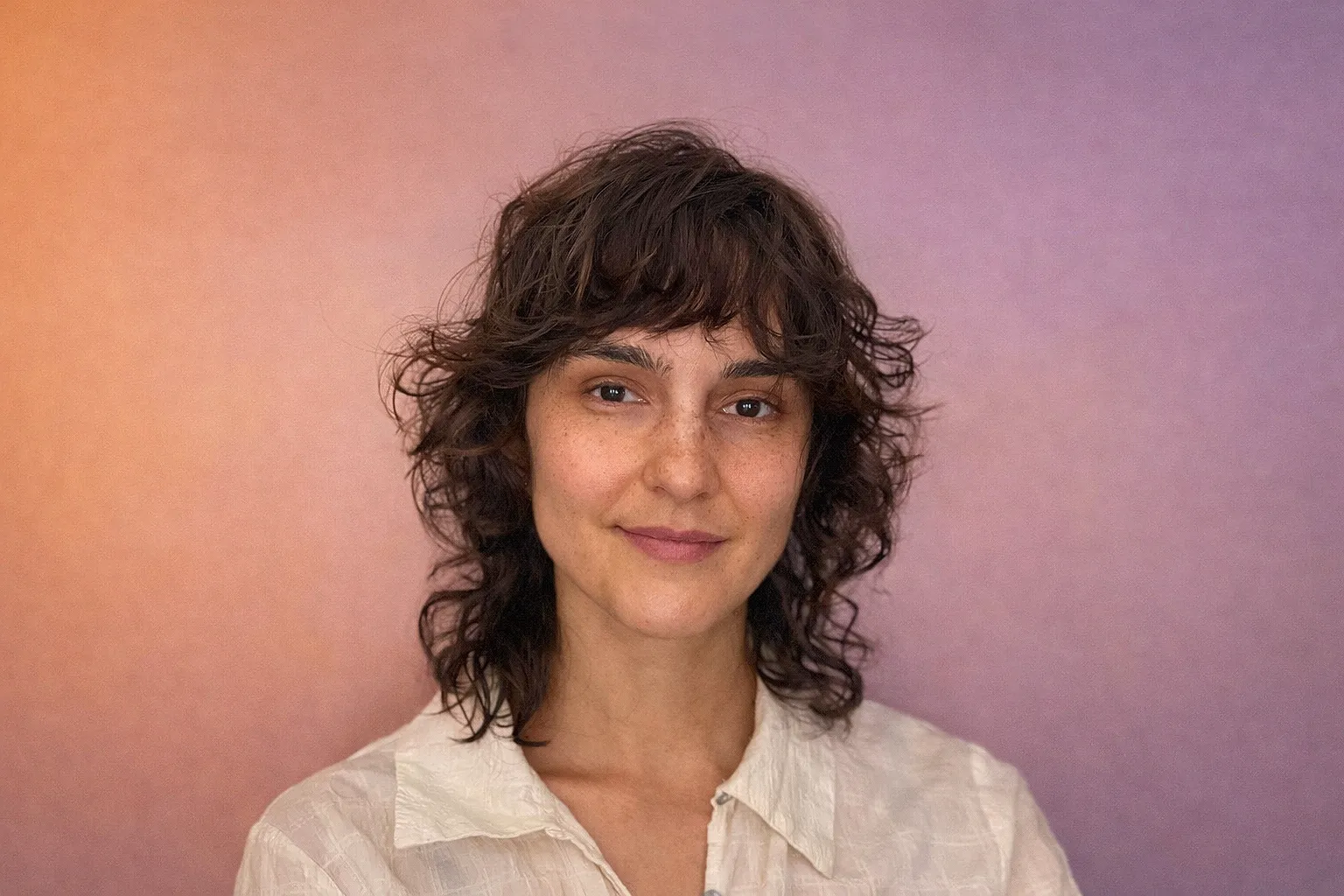
Psilocybin put 75% of veterans in a small trial into PTSD remission
In July, researchers at Ohio State University published the first US clinical trial11 of psilocybin-assisted therapy in military veterans with PTSD. It was a small one: 12 participants, all with severe symptoms that years of counseling and medication had failed to shift. One month after treatment, nine of them (or 75%) no longer met the criteria for PTSD.
What stands out in this research is the substance. For most of the past decade, PTSD has been MDMA’s indication; it was the condition that carried the field to the FDA, until Lykos Therapeutics was turned down12 in 2024. Ibogaine has since become a common choice in veteran-focused research — the study’s lead author, Stacey Armstrong, has studied it herself13 in Special Operations veterans. And methylone is now in Phase 3 for the same condition. Psilocybin, over those same years, has mostly been tested for depression, addiction and anxiety.

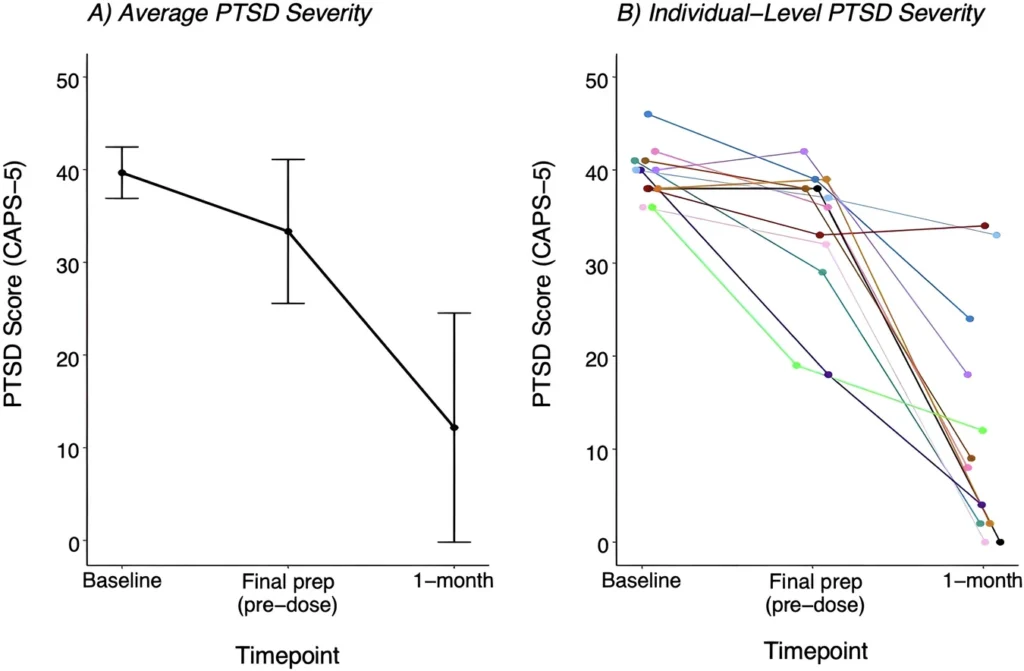
The protocol ran 11 weeks: 8 hours of preparation therapy, two dosing sessions at 15 mg and 25 mg, then 6 to 8 hours of integration work. Symptom severity fell by an average of 27.5 points on the Clinician-Administered PTSD Scale for DSM-5 (CAPS-5). There were no serious adverse events, and suicidal thinking did not increase, which matters in a group at elevated risk.
The demand for this trial was also a finding in itself: more than 3,600 veterans applied for 12 places. One of them, Army veteran Zachariah Collett, medically retired at 25, described the treatment three years on as gentle:
It allowed me the space to rediscover, or discover, things I didn’t know I was capable of doing.
Another finding may matter more than the headline number. Symptoms began fading during the preparation therapy, before anyone had taken anything. And that early change, not the participants’ expectations, predicted who did well. “This treatment is more than just a drug,” said senior author Alan Davis. “The drug itself is a catalyst for the deep work that opens a window for people to perhaps access things they wouldn’t be able to access emotionally otherwise, and what that does is catalyze the therapeutic process after.“
However, the authors are direct about the limits: 12 people, no control group, everyone knew what they were taking, and a short one-month follow-up. Pilot studies like this reliably produce larger effects than controlled trials do. So the team is now seeking funding for the next steps and broader research.
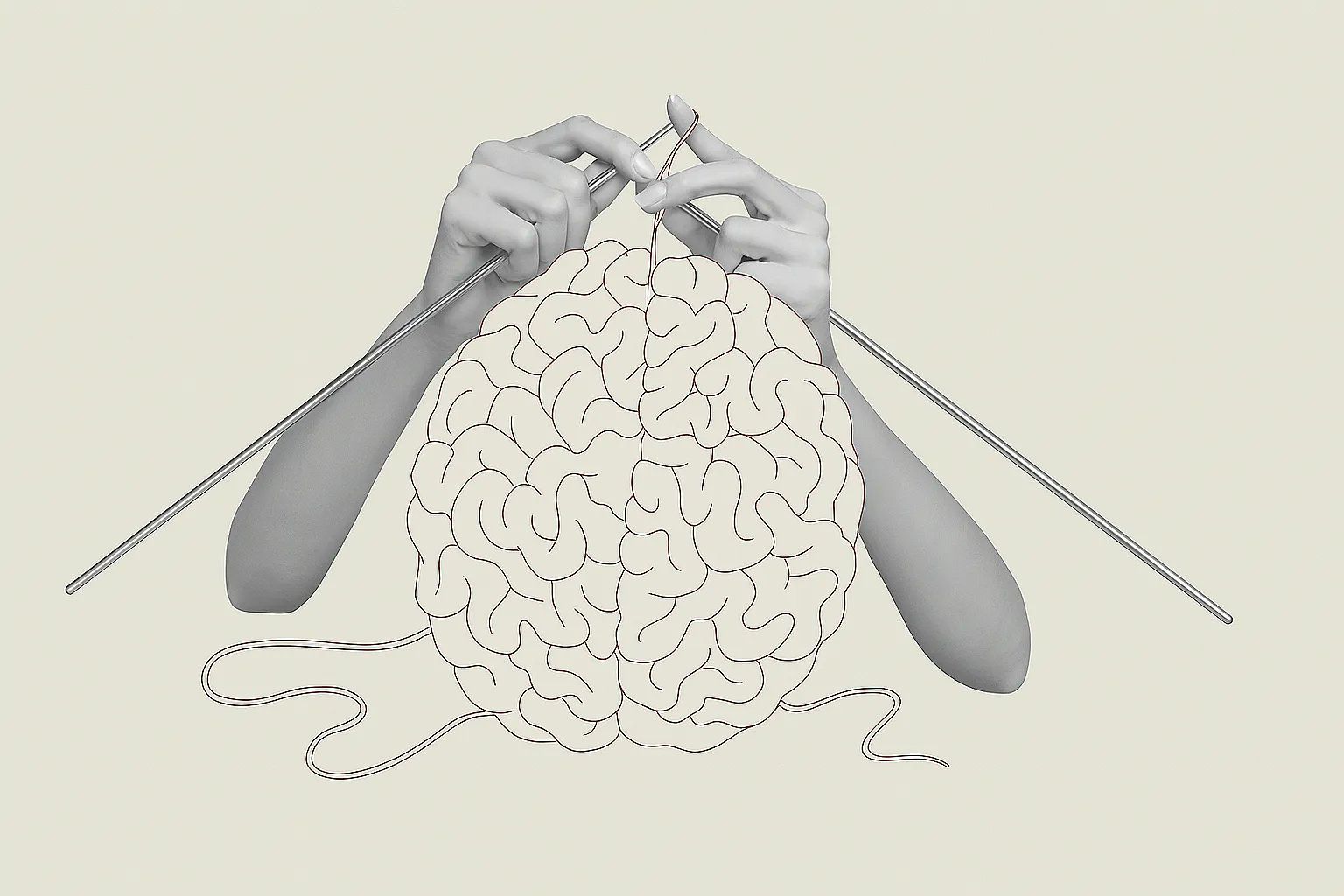
One dose of psilocybin causes lasting changes to the brain
A new study in Human Brain Mapping14 offers a possible answer to a question that has trailed psilocybin research for years: why can one session help people long after the substance has left the body?
Researchers from UC San Francisco, Universitat Pompeu Fabra and Imperial College London scanned healthy volunteers a month after a single high dose and found the brain was still working differently: more flexibly, and with its internal signals running in a noticeably different direction. The people whose brain activity shifted the most were also the ones who reported feeling better weeks later.
Top-down signals run from the cortex, the brain’s planning and control center, down to deeper regions. We can consider them as instructions. Bottom-up signals run the other way, from structures handling sensation, reward and motivation up to the cortex. Think of them as raw input. Normally the instructions dominate. But 4 weeks after the dose, that balance had shifted14: the instructions had weakened, and the raw input coming up from below had grown louder.
Why does that matter? There’s a widely cited model called REBUS15 that offers an answer. The brain constantly predicts what’s coming next. When those predictions harden, thinking starts to loop — and psychedelics, in this view, soften them.
The study involved 25 adults who had never taken a psychedelic. Each was given a 1 mg dose too small to feel, scanned a month later, then given a full 25 mg dose and scanned again a month after that. Mapping the changes, the researchers found the weakened top-down flow matched the distribution of serotonin receptors, and the strengthened bottom-up flow matched dopamine receptors — a hint that dopamine may play a role the field has largely overlooked.
“Our findings suggest that a single psilocybin experience may produce lasting changes in the way brain regions involved in motivation communicate with one another,” said Lorenzo Pasquini, assistant professor of neurology at UCSF. But he was careful about the limits: “Our study does not directly measure serotonin or dopamine activity. Instead, our conclusions are based on computational models informed by known receptor distributions. These findings should therefore be viewed as generating mechanistic hypotheses that will need to be tested in future experimental studies.“
This isn’t an isolated result. In July, another study in Nature Communications17 (which we covered here) found that one dose of magic mushrooms left white matter fibers denser a month later. The two papers share several authors and use the same dose design, so they read as complementary views of the same terrain rather than independent confirmations. Both are small, and both involve healthy volunteers instead of patients. But the shift in the field is telling: the question is no longer whether psilocybin works, but what exactly it is doing in the brain.

The most important conversations shaping the future of psychedelics, delivered weekly.
From thought-provoking podcasts and original stories to research breakthroughs and industry news, stay connected to the conversations that matter.


Joined by 12,000+ readers
Another single-session finding: Single dose of LSD improves motor learning and reduces stress
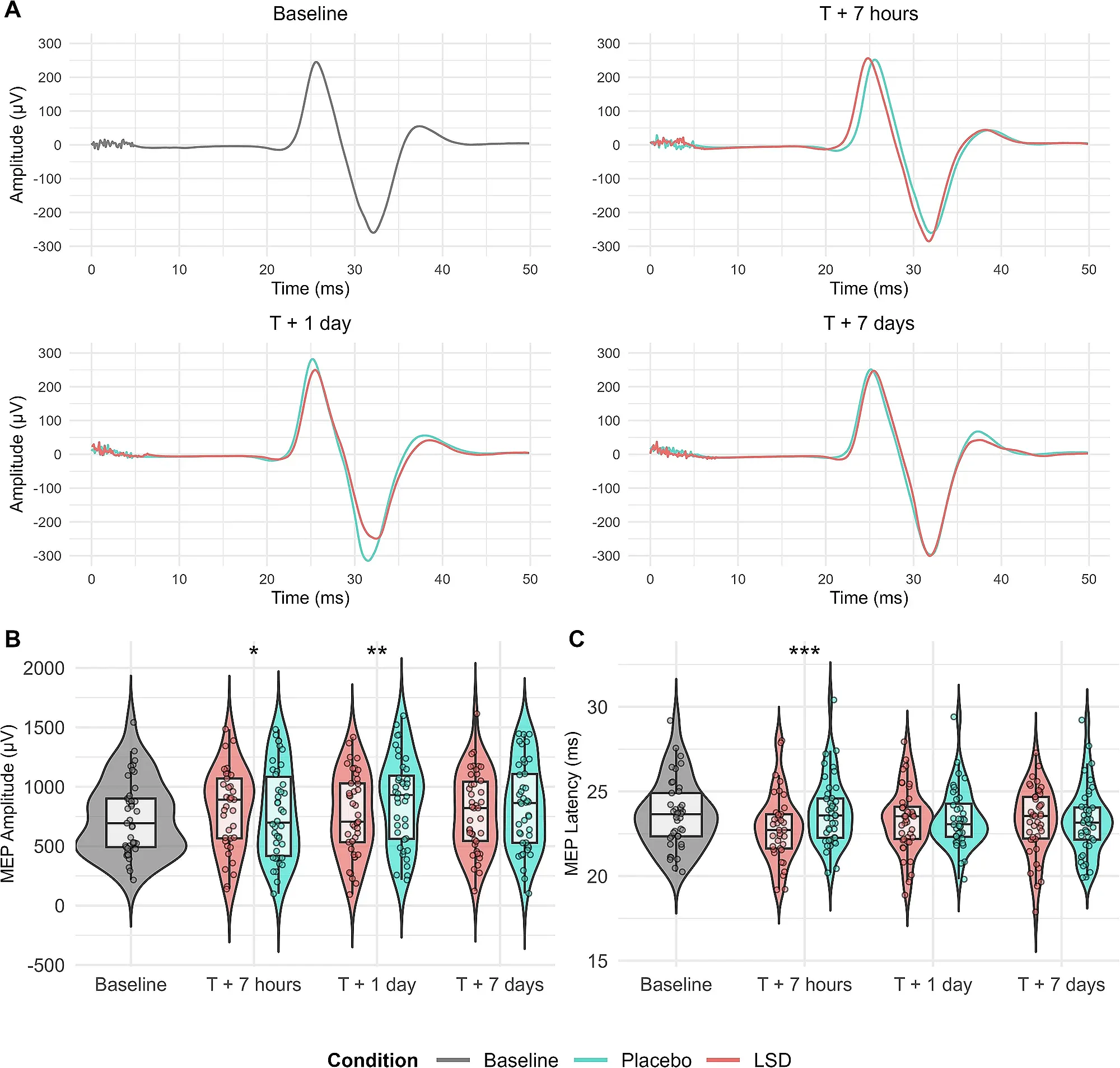
A study published in Neuropsychopharmacology18 found that people who had taken a single 100-microgram dose of LSD were measurably better at learning a new physical skill the following day. Which skill exactly? Not salsa dancing, unfortunately — typing a 9-digit sequence on a keyboard with the non-dominant hand, as fast and accurately as possible. They also reported lower stress a week later.
What makes this study interesting is what the researchers chose to look at. Most work on what psychedelics leave behind has gone in one of two directions: measuring neuroplasticity in the brain, or measuring reductions in symptoms of mental health conditions. Learning sits between the two: it’s what neuroplasticity is supposed to enable, and what therapy depends on — and in humans it has barely been examined.
“We knew of the theory that psychedelics stimulate neuroplasticity, and neuroplasticity is closely connected to learning,” said Abigail Calder, a postdoctoral researcher at the University of Fribourg. “As we planned the study there was beginning to be a lot of research on psychedelics and neuroplasticity, but there was almost nothing on learning. It seemed like time to begin filling in that gap.”
The trial involved 45 healthy adults, each receiving LSD in one session and a placebo in another at least 4 weeks apart. The gains showed up not during practice but after it. Participants were tested twice, following 10 and 80 minutes of rest, and after the longer break those who had taken LSD were roughly 33% faster, with no loss of accuracy. That resting phase, when the brain files away a newly practiced skill, is called consolidation — it’s central to how people relearn movement19 after a stroke or brain injury. And it matters beyond the lab: if a psychedelic can widen the window in which the brain absorbs new movement patterns, the application isn’t psychiatry — it’s rehab.
The limits of the study are considerable, and Calder lists them herself. The tools meant to measure neuroplasticity directly failed, blood markers showed nothing, and the blinding didn’t hold.
We aren’t sure how reliable the effect on motor learning is, how long it lasts, or under what exact circumstances it arises. We also don’t know if it generalizes to other types of learning, and we actually can’t even say whether it’s directly related to neuroplasticity. So hold off on taking LSD before trying to study or start skiing lessons.
In psychedelic therapy, the playlist is part of the treatment too
A new scoping review published in Brain and Behavior20 gathered up six decades of quantitative research on what music actually does during a psychedelic session. A team at Sydney Medical School identified 19 studies and 330 participants in total. That number is surprisingly small, given that a playlist features in almost every clinical protocol and nearly every psychedelic trial ever run.
According to the review, music shapes the psychedelic experience in three ways: by amplifying and intensifying emotions, by recruiting brain networks involved in meaning-attribution and visual imagery, and by increasing overall neural entropy.
The most striking numbers come from a single open-label psilocybin trial21 in treatment-resistant depression. Participants were scored on how much they liked the music, resonated with it and stayed open to it. Those ratings tracked closely with mystical and insightful experiences, and with lower depression a week later: correlations in the range of 0.5 to 0.7, which in psychological research counts as a moderate-to-strong relationship.
How intense the drug itself felt showed no relationship to depression outcomes at all. A separate 2024 analysis22 found something similar: emotional response to music predicted symptom relief even after accounting for how intense the experience felt and how vivid the imagery was.
None of this is a new idea so much as a measurement of an old one. “Set and setting” has always been part of the psychedelic field’s vocabulary, though the setting is usually pictured as a room: the couch, the eyeshades, some pillows. What this review suggests is that the most consequential part of the setting may be the one you can’t see.
Nevertheless, this review is not enough to make firm conclusions. The samples are small, and a correlation between two subjective ratings is a thin basis for claims about what heals. The review’s own conclusion isn’t that music beats the dose, but that we still know remarkably little about how it should be chosen or delivered. Still, if a playlist is doing structural work rather than filling silence, it probably deserves more thought than it usually gets — whether you’re in a clinic or at home.
So to close, this is the playlist Mendel Kaelen put together for the Imperial College London trial described above — the very music those patients heard during their sessions. Kaelen is the neuroscientist behind much of the research on music in psychedelic therapy. He now runs Wavepaths, a company building adaptive music for therapy sessions.
Press play, and stay tuned for the next issue!