Music is The Bridge: MAPS Launches Psychedelic Education Initiative
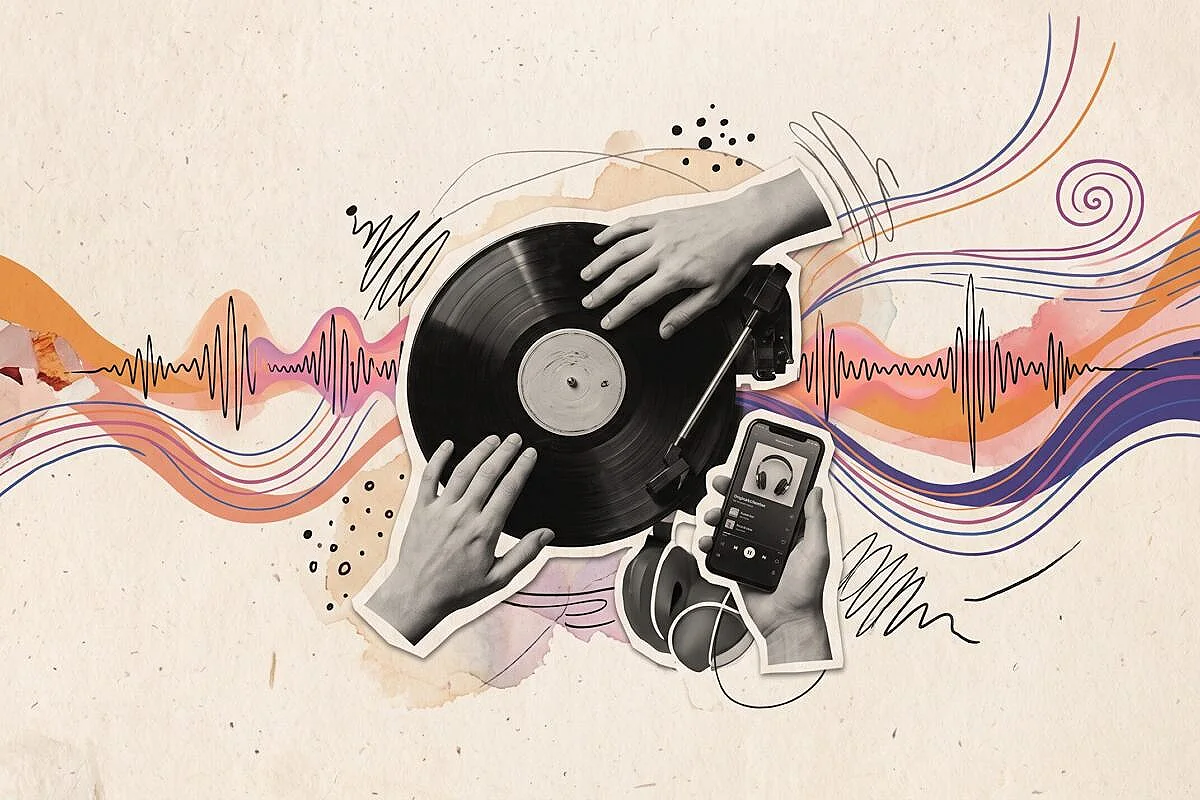
A new cultural initiative to provide education about psychedelic medicines has been launched by the Multidisciplinary Association of Psychedelic Studies (MAPS). The Music is the Bridge series explores music and storytelling to introduce new audiences to evidence-based education and reduce stigma.
While psychedelic clinical trials and research are exploding across the globe, showing promise in the treatment of mental health, public awareness of psychedelics lags behind. A 2025 study from RAND highlights that seven out of 10 US adults reported no exposure to media coverage on psychedelics in the past 90 days, and that 19% strongly opposed allowing medical professionals to use psychedelics as a therapy.
To help bridge the gap between current science and public awareness, MAPS has launched its Music is the Bridge series featuring curated playlists, a collaboration with the Shulgin Foundation, and a soon-to-come Late Night Talk Show with live music sets.
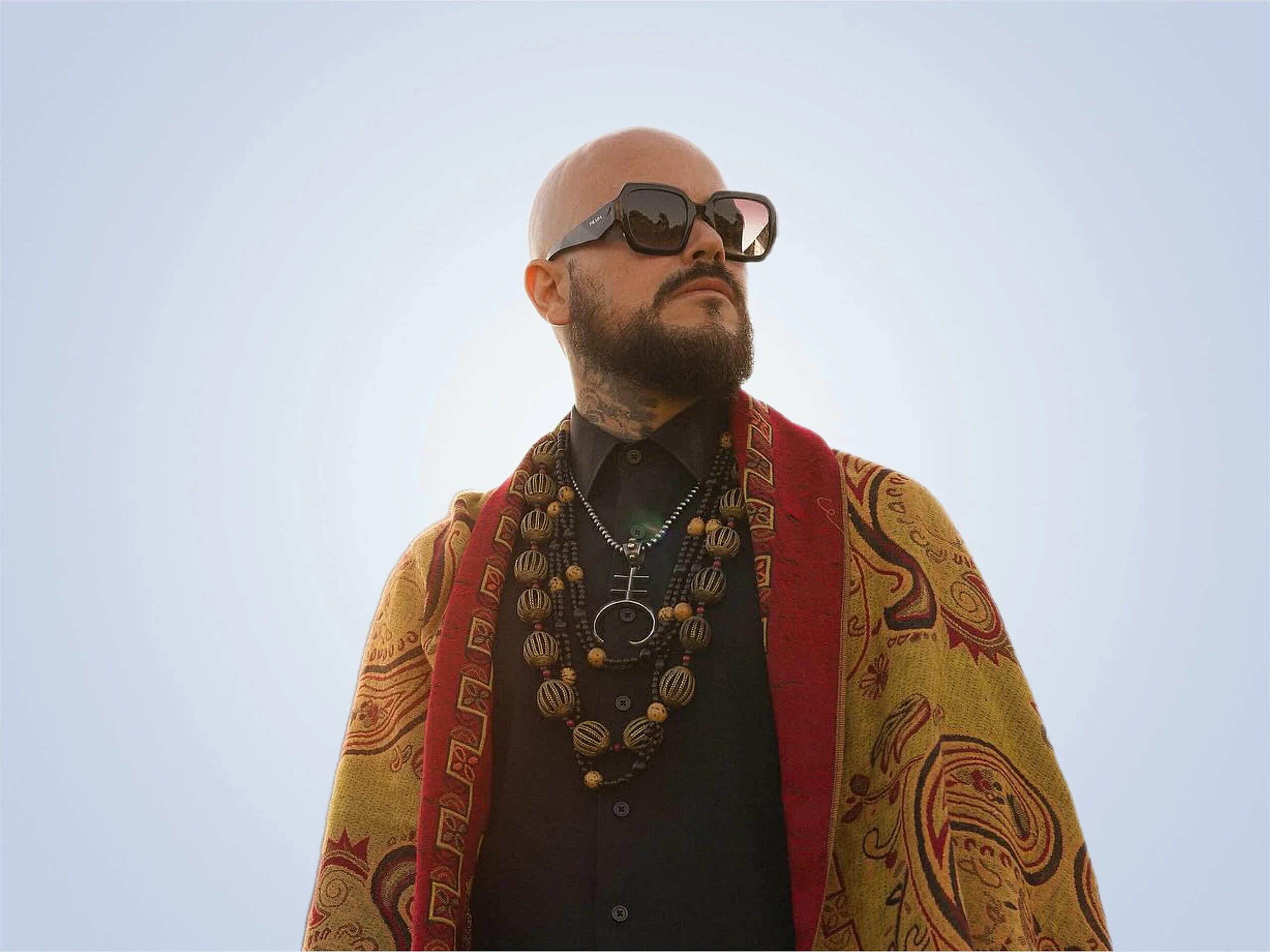
Devon Phillips, Partnerships Manager at MAPS, speaks to States of Mind about the series and how music acts as a tool for both connection and education.

Music And Education As Transformation
Aiming to provide accessible and transformative educational resources, Phillips says that Music is the Bridge aims to connect people through music as a shared experience.
Launched in 2024, Music is the Bridge started as playlists curated by artists such as Lil Yachty and Melissa Etheridge — inspired by their personal connection to psychedelics — paired with accessible learning resources.
Phillips, whose background is in neuroscience, explains that the idea for the series came from his personal experiences of music acting as a bridge to connect people.
“If I work with one of our PhD researchers and they are talking about something I can’t really understand, I can put on Marvin Gaye, and we instantly have a connection, because we both see ourselves,” says Phillips.
Even though we might have had a different experience when we first heard the song, it is now a really relational piece.
He explains that the way he personally learned about psychedelics wasn’t simply through information, but through the containers in which that information arrived.
“Information is a great vehicle and a great tool, but true education is transformation,” says Phillips.
“There needs to be a vehicle that takes information and turns it into transformation. I realized that the container the information comes in can influence you just as much as the information itself.”
For me, I heard about Socrates in class, but it didn’t really stick with me. The first time I heard Inspectah Deck on a Wu Tang Clan song talking about Socrates, it interested me — I thought, “Who is Socrates?”, and it got me into philosophy.
The most important conversations shaping the future of psychedelics, delivered weekly.
From thought-provoking podcasts and original stories to research breakthroughs and industry news, stay connected to the conversations that matter.


Joined by 12,000+ readers
Improving Public Understanding And Reducing Stigma
Featuring a host of musicians, artists and educators, Music is the Bridge aims to reach new public audiences.
Not only can audiences listen to music curated by their favourite artists, but the playlists are accompanied by a free psychedelic fundamentals one-on-one course that provides an introduction to the historical uses of psychedelics and scientific applications, as well as integration workbooks that have been developed by therapists and researchers.
Devon explains that the series is also acting as a tool to help people communicate with loved ones about the impact that psychedelics have had on their lives.
For some people, psychedelics changed their life — maybe they saw god and don’t know how to tell their friends without seeming too much.
“Now they can send a playlist from an artist they both like. For example, one girl explained that she and her dad could never really see eye-to-eye on psychedelics, which were a big part of her life. Incubus were his favorite band, so she sent the singer’s playlist to him, which opened up a dialog on psychedelic usage.”
“We are providing a way to slowly open up the conversation with loved ones and friends.”
Building Bridges
The next chapter of the Music is the Bridge series is a collaboration with The Shulgin Foundation — the home of Alexander Shulgin’s lab. Biochemist Shulgin was pivotal in introducing MDMA in psychotherapy.
At his historic lab, where Shulgin resynthesized MDMA in 1976, MAPS has teamed up with a host of musicians and chemist and journalist Hamilton Morris, host of Hamilton’s Pharmacopeia, to film on-site with musicians.
Devon describes the lab as a “living archive and a creative commons”, a place where science, culture and consciousness have intersected.
“Alexander and his wife Anne have had such a large impact on the work that we do,” Devon explains.
“The concept of the project is every artist having a short 10-minute episode at the farm.”
Devon says the series aims to connect psychedelic cultural history beyond its clinical present, documenting how psychedelics move from counterculture into clinical and research settings.
This work honours the Shulgins as cultural ancestors whose work shaped an entire movement, and continues MAPS’ commitment to meeting people where curiosity and creativity already live.
The project also plans to launch a Late Night Talk Show, 1980s-style programme, MAPS TV.
“The 80s was the height of the drug war, but also when MAPS was founded. So we’re reclaiming that broadcast propaganda of “just say no”. Within this talk show and telethon night, we’re going to have a music break.”
The break will feature live performances from artists and musicians to integrate the show with the Bridge’s music element.
You can watch the Shulgin Lab tour on YouTube, and listen to curated playlists from your favourite musicians at Music is the Bridge on the MAPS website.