This content is grounded in peer-reviewed research, clinical guidelines, and established best practices. Claims are reviewed for accuracy and transparency. Learn more about our evidence standards
Beats & Psilocybin: Inside a Music Executive’s Psychedelic Routine
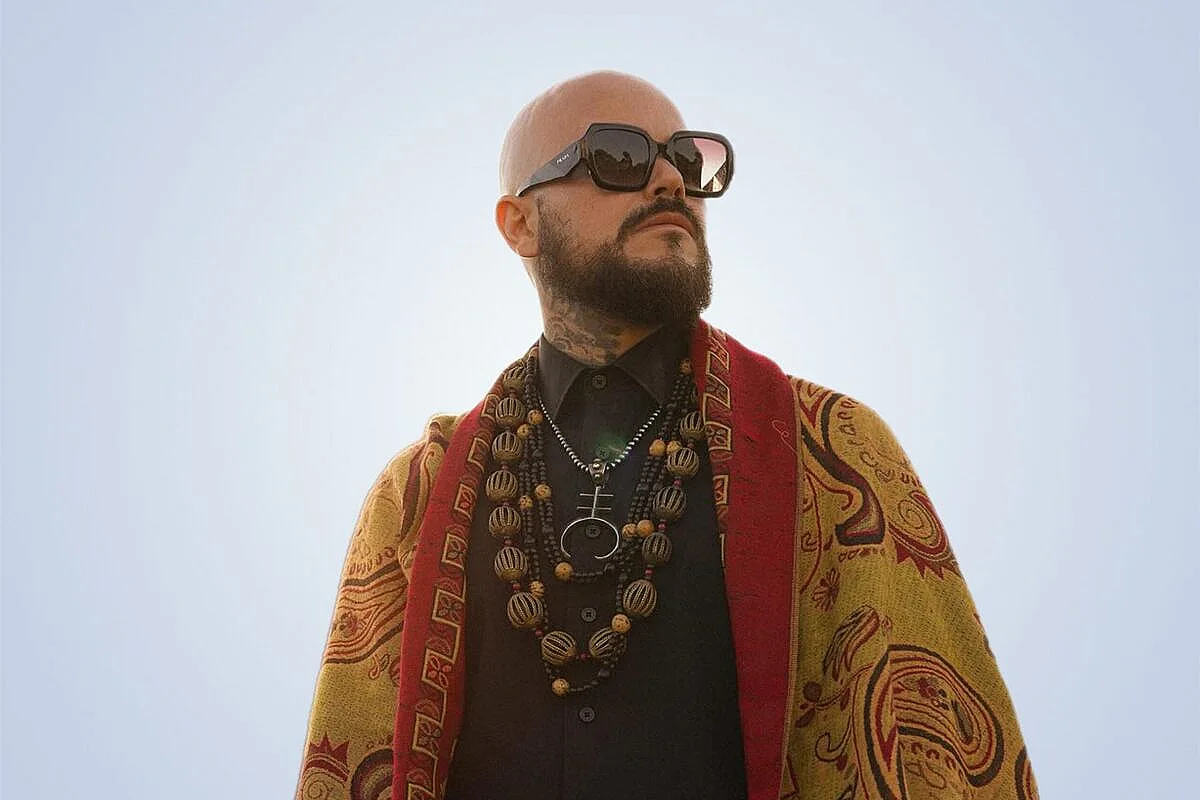
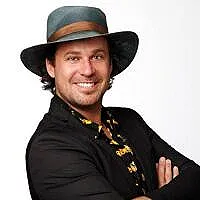
For music executive Edward Crowe, high-dose mushroom ceremonies in the woods are how he resets before touring — a personal ritual he credits with cutting stress, quitting alcohol, and helping him stay present through the demands of the music industry. It’s one person’s routine — and here’s how it works for him.
Getting ready to embark on the second leg of a national tour with the hit rapper Yelawolf, music industry executive Edward Crowe has a unique and proven approach to getting into peak health for the journey ahead.
“I have to go out to the woods and do a high dose mushroom ceremony because this process allows me to depart for tour with the right energy,” says the Nashville-based music mogul and serial entrepreneur.
“The current climate of the world is heavy in general, and the fast pace of touring, the artist life, the demands of navigating the industry and everything that comes with being in my position can be very difficult without the proper orientation.
“Mushrooms help me get my mind right, and my mental and physical health flows from that.”
Deep in the Tennessee wilderness, on a spread he owns tucked far away from the sold out venues and the high octane thrills of touring life, he sits beside the cackling fire and among wild animals to nourish his spirit and fortify his health in collaboration with the guidance of psilocybin mushrooms.
“When I tell people about my process for sitting with myself and doing mushrooms in a ceremonial way, deep in the wilderness at night, sometimes they tell me: ‘I can’t do that. I’m scared,’” he admits. “And I always tell them… I’m scared too. I’m scared to death before I go out to the woods for a mushroom ceremony. But it’s absolutely necessary that I do this to be able to give back to the mushroom, to society, and to the world.”
Crowe doesn’t romanticize the process. It’s physically and emotionally grueling. His ceremonies are part prayer, part purge, part rebirth.
Mushroom Therapy And New Perspectives
Crowe first broke into the music industry as a roadie, and had a very different approach to touring life at the time. He describes partying and drinking constantly while cutting his teeth in the business, neglecting his health and long-term vision in the process. It was a mushroom ceremony that helped him shake his taste for alcohol, even though he didn’t particularly go into the experience looking for that result.
“I lost the taste for alcohol and saw that in order to progress in the business and in my life, I couldn’t constantly be partying on tour like I was. I realized that my mind was my biggest asset, and in order to execute at the highest level, I needed to be sharp at every moment out on the road.”
After one ceremony, he went home and gave away many of his belongings from previous phases of his life. “I gave away all my old furniture. Didn’t sell it, just said, ‘Please come pick it up.’ I didn’t even want the energy anymore. It’s about moving to the next level.”
Mushrooms tend to amplify my gratitude. Every day, all day long. To pay attention, make eye contact, ask people’s names.
Each time he returns from the woods, he says, “I’m like a newborn baby. Then you can load me back up with the stress. I’ll just take it, spit it back in the fire, and bounce back.”
Stress, Crowe says, is poison. Touring, constant motion, and the invisible weight of expectation can twist into the body until it demands release. He emphasizes how important it is to find healthy ways to release stress, because it can truly destroy you.
“I had to take that stress out there, man. Now I feel like a superhero,” he says. “Everyone around me said, ‘What the hell happened? You’re in a much better mood than yesterday.’”
During one particularly deep journey, Crowe literally felt something shift inside him. “I felt something like a placenta-type thing around my heart, like someone was bear-hugging it. And during that trip, I felt that thing get eaten away from my heart. Then I came out with better energy, more smiling, brighter eyes.”
The most important conversations shaping the future of psychedelics, delivered weekly.
From thought-provoking podcasts and original stories to research breakthroughs and industry news, stay connected to the conversations that matter.


Joined by 12,000+ readers
Facing Fear to Find Clarity and Gratitude
These mushroom therapy sessions have helped him with both emotional and physical health. “My mushroom ceremonies inspire me to exercise and to meditate. Gratitude leans toward physical health because it puts a natural smile on your face, a glow in your eyes, makes your heart beat calmer and with less heartache.”
He laughs when he says it, but the point lands hard: “Stress will kill you, you know. I do these journeys to get the stress out of my body and start fresh.”
On tour, mental and physical health are put to the test night after night for months at a time.
After a run of sold out shows in major venues and a recent international performance in New Zealand to a festival audience, the artist Yelawolf that Crowe manages is headed back out on tour for the remainder of the month of November. To get his mind right for the tour, there was only one place that Crowe could venture to prepare himself to steer the ship.
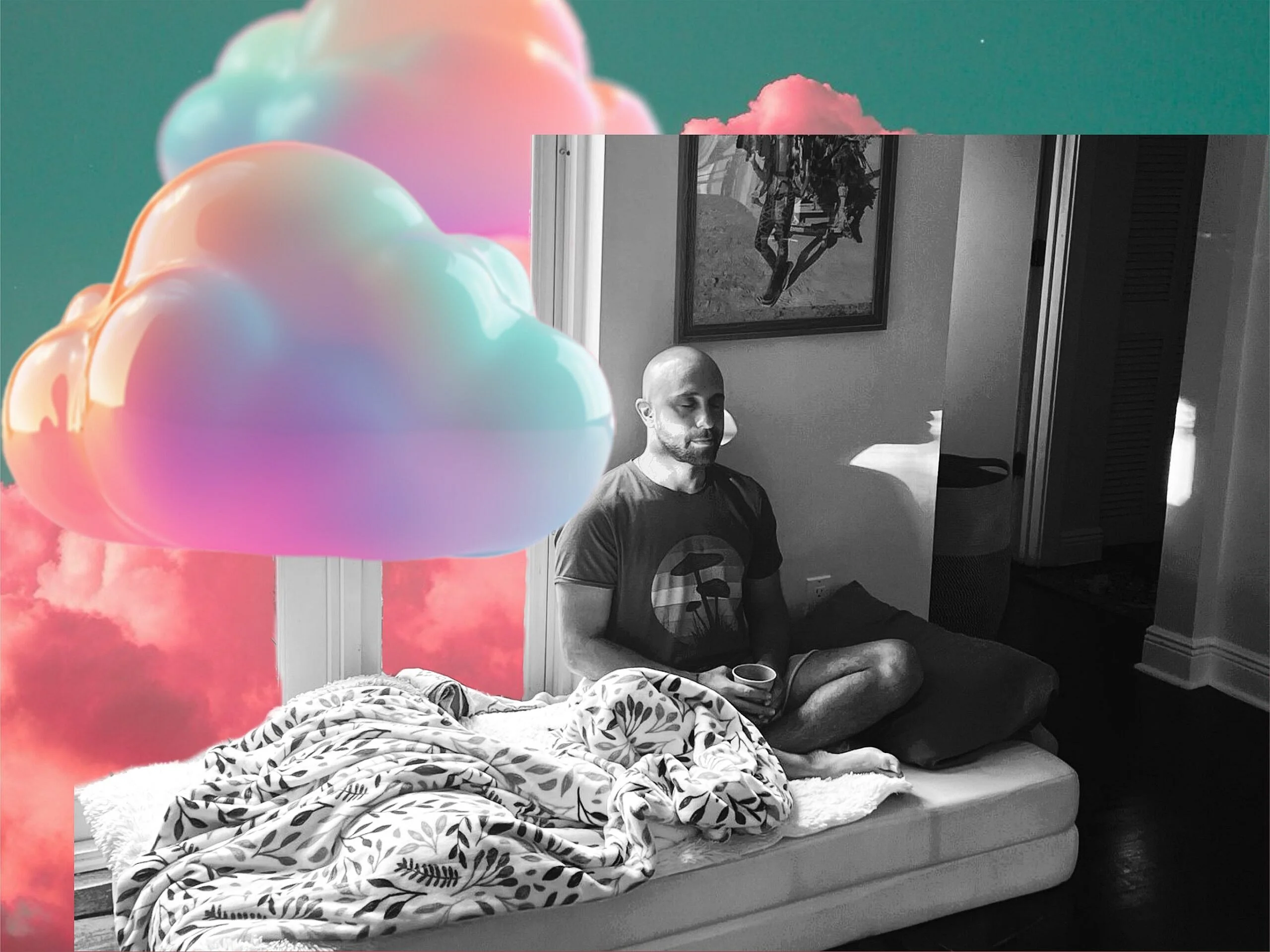
Between shows, Crowe finds a quiet room and sits in meditation. “I try to wake up before everybody else, find a quiet room before soundcheck, and meditate. It’s very important because I can drive the ship if my mind is in line.”
The superpower isn’t invincibility or fame, but vulnerability. The courage to walk into the woods, to kneel before a fire, to purge what hurts, and to come back smiling.
His mushroom ceremonies may happen in the woods, but the spirit of them travels everywhere he goes. If the mushrooms have taught Crowe anything, it’s presence.
“Mushrooms tend to amplify my gratitude. Every day, all day long. To pay attention, make eye contact, ask people’s names. I truly want to know, what is your name? How are you doing?”
That simple human connection, he says, changes everything. “You have to realize that every moment is fleeting, so find it and live in it. Don’t worry about what’s next, don’t regret what’s past.”
He laughs when he remembers another transformation. “My mother used to call it the ‘Jamaica Glow’. After I did a nine-gram dose* on the coast one morning at sunrise while visiting the island. She said I came back glowing. And I try to keep that glow in my life now.”
*NB: This is a so-called “heroic dose”, when the dosage significantly exceeds the medical protocols for the substance. It shouldn’t be taken alone, without preparation or consultation with a medical provider.
Now, Crowe doesn’t argue much. “I have a way of strongly agreeing to disagree. I’ve learned how to express love and step away until that fire in your core calms down.”
The glow, he says, comes from gratitude, from learning to let go and releasing what no longer belongs.
“Mushrooms sharpen my superpower, man,” Crowe says. “They take me back to childhood, help me show gratitude, and heal.”
Crowe describes his work with psychedelics as a ritual of constant renewal comparable to a cycle of “birth, death, and rebirth” that mirrors nature’s own rhythm. “Birth, this moment. Death, rebirth, repeat,” he says. “I do this thing where it’s about psychological rebirth; not in a bad way, but in a powerful way. Death is a transition.”
That superpower, he insists, isn’t invincibility or fame, but vulnerability. It’s the courage to walk into the woods scared, to kneel before a fire, to purge what hurts, and to come back smiling.
“Every time I go out there to the woods to get my mind right and restore my health,” he says, “I come back new.”
 Expert Board Member
Many modern people are subjected to immense amounts of stress every day, which is a problem because stress is one of the most damaging forces you can expose your body to. Chronic, unaddressed stress is as damaging as smoking a pack a day, ages the body faster than heavy pollution, and disrupts the immune system as deeply as a poor diet. Peer-reviewed research shows that psilocybin can reduce long-term anxiety, repair stress-damaged neural pathways, and significantly decrease burnout and depressive symptoms, with benefits that often persist for months.