This content is grounded in peer-reviewed research, clinical guidelines, and established best practices. Claims are reviewed for accuracy and transparency. Learn more about our evidence standards

5-Minute Embodiment Techniques to Reconnect with Your Body and Mood

When you’re feeling overwhelmed, your body often knows it before your mind does. In moments of distress — especially when anxiety blurs into emotional shutdown, derealisation, or depressive fog — it can feel impossible to think your way back to calm. That’s where embodiment practices come in. These quick, grounding techniques reconnect you with your physical experience and help anchor you in the present.
A 2024 systematic review found that brief embodiment interventions consistently reduce anxious feelings causes by stressful situations, and may be especially helpful when clear thoughts are hard to access. Compared to breath-only techniques, which showed mixed results, this analysis showed that embodiment-based approaches showed moderate to large benefits across studies.
Just five minutes of tuning into your body can shift your state — gently, accessibly, and without needing to explain how you feel.
The 5-4-3-2-1 Grounding Scan
When you feel emotionally flat, foggy, or distant from yourself, this simple sensory exercise can help you come back to the here and now. Originally used in trauma-informed therapies, the “5-4-3-2-1” method guides you through each of your five senses to bring you back into your body to enhance your mental clarity and awareness.
Here’s how it works:
- 5: Name five things you can see.
- 4: Notice four things you can touch.
- 3: Identify three things you can hear.
- 2: Acknowledge two things you can smell.
- 1: Become aware of one thing you can taste.
This exercise interrupts the mental loop of disturbing thoughts and gently reorients your focus toward your senses. Like a meditative practice where deep relaxation and heightened internal attention coexist, it gently redirects focus toward the senses and supports awareness and sensory regulation.
The key is not just identifying the stimuli, but noticing how your body feels in relation to them: the texture of your sweater against your arm, the distant hum of a refrigerator, the warmth of sunlight on your skin. It’s more than a mindfulness trick — it’s a way to access what somatic therapists call the “felt sense.” That’s the inner experience of safety, presence, and being real in your body.
This technique could be tried when you feel checked out, stuck in overthinking, or numbly going through the motions. Instead of “fixing” anything, it simply helps you return — gently, and without pressure. Even during a stressful Zoom meeting. It’s discreet, effective, and always available.
The 4-Count Box Breath (with a Twist)
Feeling sluggish, unfocused, or overstimulated? The 4-count box breath is a quick, rhythmic practice that soothes frazzled nerves and recenters your attention. It is a structured breath technique used by Navy SEALs, athletes, and trauma therapists alike. It regulates breath, slows the heart rate, and gives your mind something predictable to focus on.
Here’s the basic formula:
- Inhale for 4 counts
- Hold for 4 counts
- Exhale for 4 counts
- Hold for 4 counts
- Repeat for 5 cycles, or about 5 minutes.
But here’s a twist to deepen the embodiment: as you breathe, place one hand on your chest and the other on your belly. On the inhale, feel your belly expand. On the exhale, let it deflate. If you notice your chest doing all the work, consciously shift the breath lower.
Unlike rapid, shallow breathing — which engages the diaphragm less and can heighten anxiety — diaphragmatic box breathing establishes an internal rhythm and structure, helping you reconnect with the present moment, increase awareness, reduce stress, and activate the parasympathetic nervous system, supporting focus, emotional regulation, and a sense of grounding.
Some people find it helpful to visualize the sides of a square while they breathe, or even trace the shape with a finger. Others use the silent mantra “I am OK” during the hold phase.
Do it before bed, while commuting, or when your thoughts start spiraling. Especially on days when you feel like you’ve “left the building” emotionally, breath is your way back in.
Shake It Out — Literally
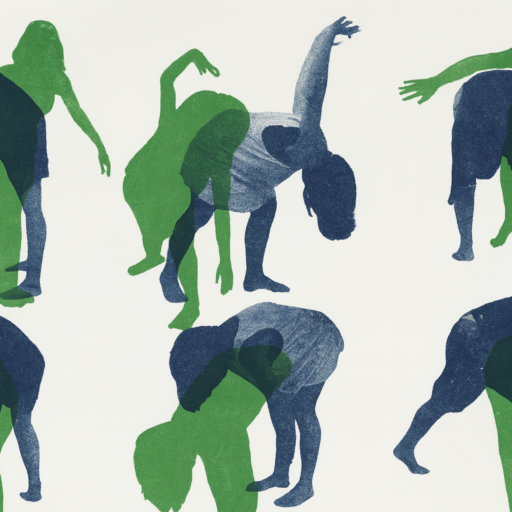
You don’t need to sit still to regulate your state — sometimes, what your body really needs is to move through it. Shaking is one of the most natural and effective ways mammals discharge stress. Animals do it instinctively after a threat. Humans have socialized it out — but you can bring it back.
Start by standing with your feet hip-width apart. Begin to gently bounce your knees and let the bounce travel upward through your spine. Allow your arms, shoulders, and even your jaw to loosen. Gradually increase the intensity: shake out your hands, arms, legs, and torso. Keep breathing deeply, through the mouth if it helps. After a minute or two, pause and notice the sensations in your body. Feel any warmth, tingling, or aliveness? That’s your nervous system discharging energy and rebalancing itself.
This technique is widely used in embodiment practices and Somatic Experiencing, a trauma-informed approach developed by Peter Levine, a pioneer in understanding how the body processes stress and trauma. Shaking helps release muscular tension and is especially useful for emotional dullness, burnout, or that low-grade hum of “something’s off.” It’s a mini-reset for the whole system.
Try it before a difficult conversation, after reading distressing news, or when you feel frozen or overstimulated. You might feel a little silly at first, but even one minute of unselfconscious shaking can clear mental fog and bring your body back online. Think of it as nervous system hygiene — like brushing your teeth.
Weighted Touch Reset
When you feel emotionally distant or low but can’t name what’s wrong, deep pressure touch can offer grounding without words. Whether it’s a weighted blanket, a firm hug, or pressing your hands against your chest — weight can give the body a cue of safety and reduces agitation.
For this quick technique, sit or lie down in a comfortable position. Place one hand over your heart and the other on your belly. Apply light but intentional pressure and breathe slowly. Feel the warmth of your palm and the rhythmic rise and fall of your breath. Stay here for five full minutes.
Alternatively, use objects: a folded towel across your chest, a book on your abdomen, or your hands pressing down gently on your thighs while seated. The goal is to give your body the feedback it craves — that you are here, you are held, and nothing needs to be done right now.
Deep pressure stimulation across the body activates the parasympathetic nervous system indicated by increases in heart rate variability. It’s a favorite among occupational therapists, trauma experts, and people with sensory sensitivities.
This practice can be helpful during depressive dips, shutdown states, or emotional numbness. Weighted touch doesn’t require words or analysis. You don’t have to “do” anything here. Just give your body the message: You are here. You are held. You don’t have to figure it all out right now.
Micro-body Scan for Reconnection
Sometimes the world feels distant — like you’re moving through fog, disconnected from your surroundings or even yourself. A short microbody scan can help rebuild the bridge between mind, body, and environment, gently grounding you in the here and now. Research suggests that even brief body-based practices like this might support better sleep and ease anxiety, making them a helpful tool for everyday emotional recovery. You just need a few minutes of your attention, whenever you need to reset.
Start by pausing and closing your eyes, if comfortable. Bring awareness to the soles of your feet. Feel the contact with the ground. Then move up — to your ankles, your calves, your knees. Keep going: thighs, hips, lower back, abdomen. If you hit a place that feels tight, numb, or activated, pause and breathe into it without effort. Just notice. No need to fix.
This nonjudgmental attention helps to shift focus to interoception processes — the sense of what’s happening inside your body. It’s a key element in emotional regulation: it supports emotional regulation and helps rewire your system over time. In low moods, the body can become invisible or heavy. The scan offers a way to say: I’m here with you, part by part.
Though a review of studies showed that a body scan meditation is not effective enough to improve health-related outcomes, 2–3 minutes of focused scanning builds neural pathways for embodiment. It may also increase tolerance for difficult emotional sensations, because you’re practicing being with them instead of reacting to or avoiding them. Over time, body scan meditations may help build emotional resilience.

FAQ
- What is embodiment, and how can it help with low mood or disconnection?
Embodiment is the practice of bringing your awareness into the body — not just thinking about how you feel, but actually feeling. It can help regulate your nervous system, shift depressive patterns, reduce stress, and restore a sense of presence and vitality.
- Who are these embodiment techniques designed for?
They’re helpful for a wide range of states — including depression, burnout, emotional numbness, overwhelm, and even creative block. Anytime you feel off, disconnected, or shut down, embodiment practices offer a way back in.
- Are these techniques suitable for people with trauma?
Most of these practices are trauma-informed and somatically safe, but every body is different. If a practice feels overwhelming or triggering, it’s okay to stop or try a gentler one. Go at your own pace.
- Do I need special tools or training to try these techniques?
Nope. These are simple, beginner-friendly techniques designed to work with what you already have: your body, your breath, your attention. Tools like blankets or pillows can enhance some practices, but they’re optional.
- How often should I practice them?
You can use them anytime you’re in a safe space (not while driving a car!), or incorporate them into daily nervous system care. Even just one practice a day can gradually rebuild a sense of internal safety and regulation.
 Expert Board Member
Five brief embodiment techniques are outlined that may help individuals reconnect with their physical experience and potentially shift emotional states, drawing on approaches from trauma-informed therapy and somatic practices. While emerging research suggests these body-based interventions can offer psychological and physiological benefits for anxiety and emotional regulation compared to breathing techniques alone, more comprehensive research needs to be conducted and individual responses to such practices can vary.