This content is grounded in peer-reviewed research, clinical guidelines, and established best practices. Claims are reviewed for accuracy and transparency. Learn more about our evidence standards

Burnout Is Rising. Here’s Everything To Know About This Phenomenon
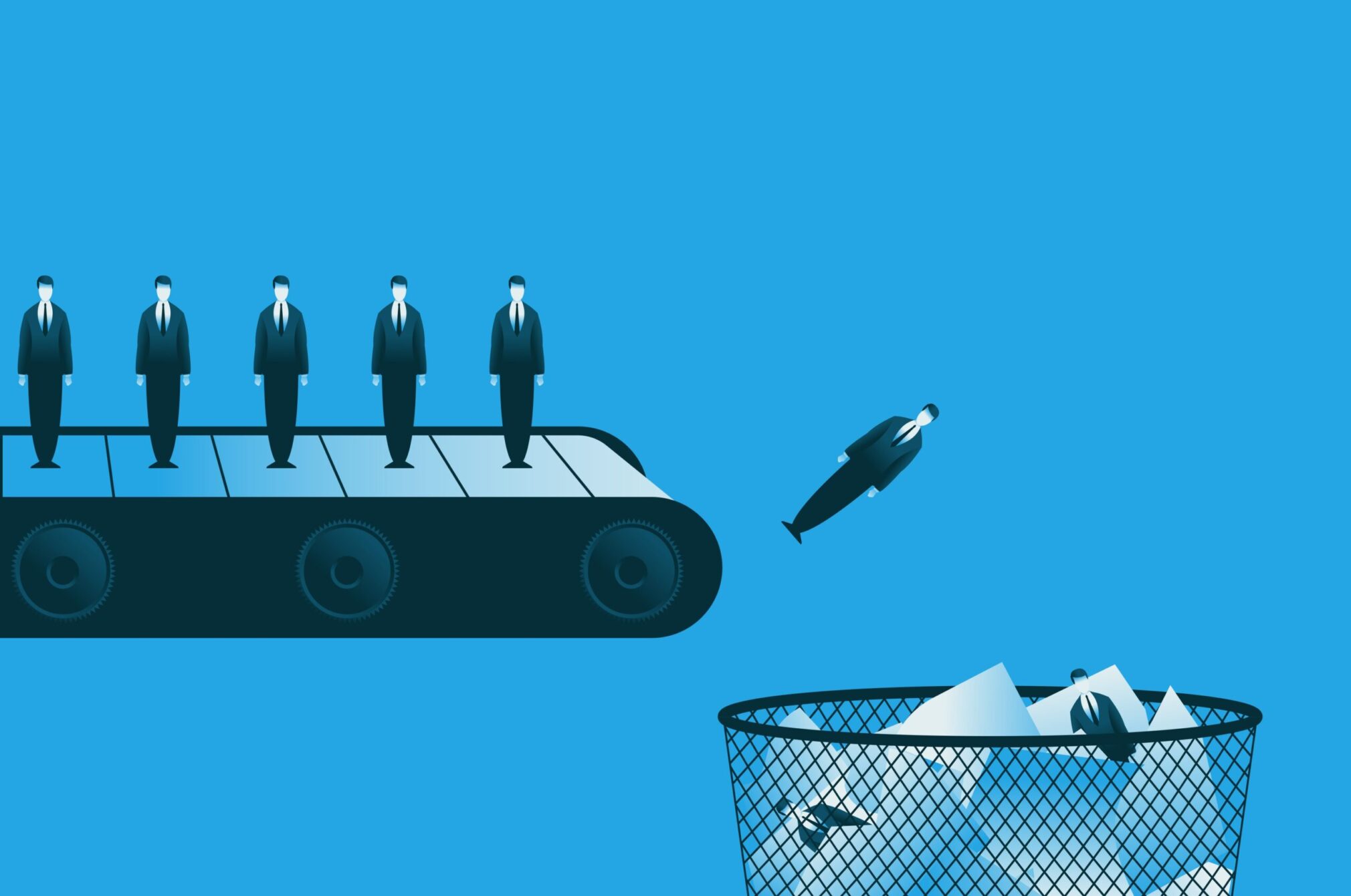
Burnout is reaching alarming levels worldwide, with Mercer’s 2024 Global Talent Trends report stating that over 80% of employees feel they are at risk, driven by exhaustion, financial pressure, and unmanageable workloads. Many of them suffer silently without even recognizing it, as hustle culture blurs the line between productivity and overextension. Here’s what to know and how to protect your psychological safety before it’s too late.
What Is Burnout?
In 2019, the World Health Organization officially recognized burnout in the ICD-11 (International Classification of Diseases) as an “occupational phenomenon,” defining it as a syndrome resulting from chronic workplace stress that has not been successfully managed.
But it is more than just being overworked. Burnout is a state of emotional, physical, and mental exhaustion caused by prolonged stress, especially in situations where your efforts consistently outweigh the rewards. It’s listed in a category for issues that lead people to seek help, even though they aren’t considered official medical conditions, and involves three key elements: physical and emotional exhaustion, growing detachment or cynicism toward one’s job, and a noticeable decline in professional performance.
While the term is often used broadly, the WHO specifies that burnout applies strictly to work-related contexts, not to stress in other areas of life. Work-related can mean different things: caregivers, students, and even activists can burn out when the demands on their emotional and physical energy surpass their coping capacity.
Burnout can take different forms, and some researchers identify three main types:
- Overload burnout occurs when someone is overwhelmed by constant pressure or excessive responsibilities.
- Under-challenge burnout stems from boredom and lack of motivation due to repetitive, unstimulating tasks or misalignement between work and personal values.
- Neglect burnout develops when individuals stop caring for their own needs and feel depleted from ongoing work-related stress.
Is Burnout A Mental Illness Or Can It Lead To One?
Burnout is an “occupational phenomenon”, and is not considered a mental illness. Still there is an ongoing debate among experts about whether it should be classified as a distinct mental disorder. While it’s too early to label burnout as a separate diagnosis, there are numerous efforts to clarify its nature and improve how burnout is measured, aiming to better understand its impact on individuals and society in the future.
What we already know is that burnout plays a significant role in mental health and is linked to higher rates of anxiety, depression, and cognitive difficulties, especially memory problems. It can also worsen existing mental health challenges, creating a feedback loop that’s hard to escape.
How Science Explains Burnout?
On a biological level, burnout means a stress system dysfunction. Chronic work stress leads to hyperactivation of the stress system via sustained overactivity of the hypothalamic–pituitary–adrenal (HPA) axis — main stress system of the body. Chronic HPA axis activation that keeps cortisol elevated and weakens the body’s normal negative-feedback shut-off, leading to ongoing hormonal strain. This can damage the brain’s prefrontal cortex, which is responsible for attention, emotional regulation, decision-making and damage hippocampus — structure responsible for memory and regulates cortisol expression.
Over time, the stress loop may shrink key brain areas like the anterior cingulate cortex while enlarging the amygdala, increasing emotional reactivity and impairing coping even further. This shows that burnout is not just psychological: it causes real changes in brain structure and function.
This can further lead to immune and hormonal disruption, inflammation, heart problems, metabolic issues, and even increased risk of early death. While more consistent and long-term studies are needed, understanding the biology of burnout can help distinguish it from other conditions like depression and guide better treatment.
Why Are We Seeing More Burnout Cases These Days?
Burnout is reaching record levels: according to a 2025 McKinsey report, in two-thirds of the industries more than 20% of employees said they were burned out. It’s not just because people are working harder or coping worse. Structural and cultural shifts over the past two decades are to blame.
Economic instability has made rest feel like a luxury, not a right, blurring boundaries between work and life, increasing job demands, and heightening insecurity. Add in declining community support systems and rising mental health struggles, and it’s no surprise more people are hitting a breaking point.
Technology plays a major role, too. We’re constantly connected, and this 24/7 accessibility means we rarely unplug. Social media fuels comparison culture and hustle narratives that glorify overwork; and according to a meta-analysis of 42 studies involving over 54,000 participants, there’s a clear link between Problematic Internet Use (PIU) — an excessive or poorly controlled internet usage — and burnout.
Altogether it makes today’s burnout less an individual struggle and more a systemic overload. We’re operating in environments designed for productivity, not sustainability. Understanding this shift helps us move from blame to meaningful change.
Burnout vs Stress vs Depression
Burnout, stress, and depression often overlap, but they aren’t the same. Stress is typically acute and situational: a looming deadline, a tense meeting, a tough week. It activates the fight-or-flight response but usually subsides when the pressure lifts. Burnout, on the other hand, is chronic. It builds over time and leads to emotional numbness, detachment, and a sense of hopelessness.
Depression is a clinical condition that can occur with or without an external stressor. It involves persistent sadness, loss of interest in activities, changes in sleep and appetite, and sometimes suicidal thoughts. While burnout can mimic depression, especially in its emotional exhaustion phase, it is usually tied to specific roles or settings, such as a job or caregiving responsibility.
Researchers have found that long-term burnout can increase the risk of developing depression and anxiety. Distinguishing among the three is key to seeking the right support. Treating stress with a vacation, burnout with therapy, or depression with a to-do list will often miss the mark.
Signs You Might Be Burning Out
Burnout doesn’t happen overnight. It sneaks in gradually, often disguised as mere tiredness or lack of motivation. Emotionally, burnout often shows up as irritability, detachment, or a growing sense of cynicism toward your work or responsibilities. You may feel like nothing you do matters, or that you’re just going through the motions.
Physically, the most common symptoms of burnout are fatigue, back pain, headaches, trouble sleeping, and digestive issues, affecting between 57% to 95% of patients with burnout. These somatic symptoms also strongly predict burnout, suggesting that clinicians might consider screening for burnout when patients report multiple unexplained physical symptoms such as fatigue and gastrointestinal problems.
Cognitively, you might struggle with concentration, memory, or decision-making. Behavioral signs include withdrawing from social activities, procrastination, or using food, alcohol, or screens to cope.
Here’s the list of red flags to look out for:
- Constant exhaustion, even after rest
- Insomnia or disrupted sleep
- Frequent headaches or muscle pain
- Increased cynicism or negativity
- Detachment from work or relationships
- Feeling ineffective or unproductive
- Forgetfulness or concentration issues
- Withdrawal from social contact
- Loss of motivation or enthusiasm
- Using substances or distractions to cope
It is important not to miss these symptoms, especially if you aim for perfection and high achievement, often pushing through exhaustion until your body or mind forces a stop. Paying attention to small shifts in your mood, energy, and motivation can be the first step toward recovery.
What Causes Burnout?
Burnout results from a mismatch between what you’re asked to give and the resources you have to give it. It can have multiple causes that may interact with each other.
- Key work-related triggers include overworking, limited control over tasks, and inadequate support from employers. A Gallup study found five main workplace factors that contribute to burnout: unfair treatment, unmanageable workload, unclear role expectations, lack of communication and support from managers, and unreasonable time pressure.
- The lifestyle and mental and physical state you are in also play a role. A systematic narrative review of burnout research from 1981 to 2020 found 40 key risk and protective factors, grouped into 10 areas — all falling into bio-psycho-socio-spirito-cultural domains.
Researchers concluded that exercise, use of information and communication technology, nutrition, consumption of cigarettes, alcohol, and medication, mental health and wellbeing, life satisfaction, work-to-life interrelation, self-esteem, mindfulness, sufficient sleep and relaxation skills and practices, all can influence burnout risk. Demographic links such as gender or education were mixed, so researchers focused on the more universal patterns.
- Personal traits and coping styles can also influence burnout risk. High-achieving, time-driven, and emotionally sensitive individuals are more vulnerable — especially those with neurotic tendencies or Type A behavior (a personality style marked by high ambition, competitiveness, impatience, a strong drive to achieve, and a tendency toward frustration and perfectionism).
Although it’s difficult to pin down how widespread burnout is due to inconsistent definitions and its overlap with depression, estimates suggest that 7–9% of working Europeans experience clinical burnout, with significantly higher rates in high-stress professions like healthcare.
The Cost of Ignoring Burnout
Ignoring burnout doesn’t make it go away. In fact, pushing through exhaustion can lead to long-term consequences. Over time, it results in emotional, social, and physical problems, sometimes culminating in serious illness or harm such as increased risk of cardiovascular disease or diabetes.
Burnout may affect:
- Mental Health: Burnout is strongly connected to anxiety and depression, with studies showing significant correlations. Workers with burnout report chronic fatigue and lower quality of life, impacting both their personal and professional wellbeing.
- Cognitive Function: Burnout negatively affects memory and working memory, with mixed evidence regarding its impact on attention and executive functions like task switching and inhibition.
- Substance Use: Evidence on burnout’s link to substance use is mixed, partly due to varying study methods and the overlap with other mental health issues. Some reviews suggest higher substance use among burnt-out workers, but findings are inconsistent.
- Suicide Ideation: Burnout is associated with increased suicidal thoughts, especially among physicians and medical students, with emotional exhaustion and depersonalization being strong predictors.
Economically, burnout is expensive. In the EU, depression caused by psychosocial work exposures costs European societies over €100 billion annually, with employers bearing more than 80% of the burden. On a personal level, burnout can lead to job loss, relationship breakdowns, and a prolonged recovery process that can take months or even years. The World Health Organisation estimates that depression and anxiety cost the global economy $1 trillion annually due to lost productivity.
There’s also an identity cost. Many people experiencing burnout lose their sense of purpose or self-worth, particularly if their identity is closely tied to achievement. Catching burnout early and creating room for rest and recovery isn’t indulgent—it’s essential.
Can You Recover from Burnout?
Yes, recovery from burnout is absolutely possible, but it requires intentional change and time. The first step is often acknowledging it: recognizing that your exhaustion isn’t normal and that your body is asking for a reset. Recovery usually involves a combination of rest, reflection, and restructuring your relationship with work, responsibility, and self-worth.
Therapy can help, especially approaches like cognitive behavioral therapy (CBT) and trauma-informed care. Setting boundaries, reconnecting with joy, and redefining success are essential elements. Some people may need time off, a job change, or shifts in caregiving dynamics. Others may recover through gradual changes in daily rhythm, support systems, and internal expectations.
Physiologically, the body can heal from burnout, but it needs consistent safety and rest. Recovery isn’t linear, and setbacks are part of the process. But with the right support, most people not only recover from burnout, they come back stronger, with a deeper understanding of their needs and limits.
Dealing with burnout on a general level means combined acknowledgement and effort from individuals and organizations: on a personal level through self-care, mindfulness, and setting boundaries; and on an organizational level by creating supportive environments, recognizing employees, and offering stress-reduction initiatives.
FAQ:
Is burnout a disability?
Burnout itself is not officially classified as a disability, but its severe effects can significantly impair a person’s ability to work and function. In some cases, individuals experiencing intense burnout may qualify for disability accommodations or benefits, depending on local laws and the impact on their health.
Can burnout happen outside of work?
Officially burnout is recognized only as a work-related phenomenon, but caregivers, students, activists, and anyone in emotionally demanding roles can experience similar symptoms of exhaustion and disengagement.
Is it possible to experience burnout more than once?
Unfortunately, yes. Without addressing underlying causes and building resilience, individuals can go through multiple episodes of burnout over time.
What helps prevent burnout?
Boundaries, rest, meaningful work, supportive relationships, regular self-care, and effective stress management techniques all help prevent burnout. Maintaining a healthy work-life balance and seeking professional help when needed are also important.
How long does it take to recover from burnout?
It depends on the severity and individual circumstances. Recovery can take weeks to several months, and sometimes longer if burnout is prolonged or severe.
How can organizations effectively support employees at risk of burnout?
Organizations can create open communication channels, promote psychological safety, offer flexible work arrangements, and foster a culture that values rest, recognition, and employee well-being.
Is burnout covered by insurance?
Burnout is generally not covered as a standalone condition by most health insurance plans, but treatment for related mental health issues like depression or anxiety may be covered depending on your policy. Nevertheless, in some EU countries, employees with burnout are entitled to sick leave for up to two years.
 Expert Board Member
Burnout is officially recognized as a workplace syndrome that's common across knowledge and service work. Extensive research data suggest that it requires organizational solutions like manageable workloads, autonomy, supportive management, and role clarity, and that individual self-care skills are important but insufficient. While burnout can be difficult to distinguish from other conditions like depression or anxiety, fixing the workplace situation is what actually prevents and resolves burnout.