From Tai Chi to Qigong: Try These Forms of Mindful Movement
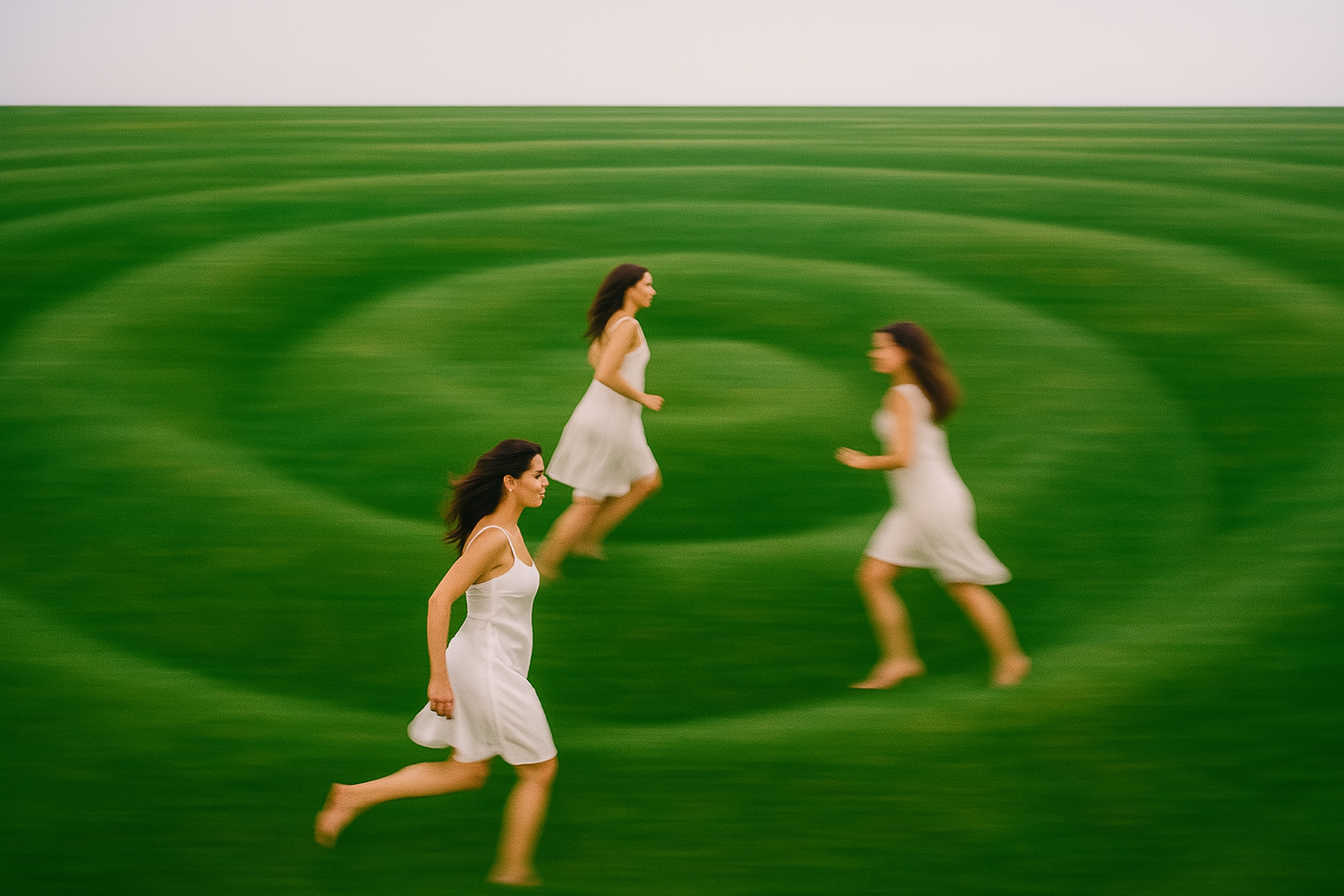
Mindfulness isn’t only about sitting still. In fact, for many people, moving with intention is one of the most powerful ways to calm the mind, reduce anxiety and reconnect with your body. Mindful movement practices come in many forms — from still, breath-driven Qigong to the flowing art of Tai Chi and the intuitive rhythm of dance, and growing research supports their role in mental care.
Below, we explore several evidence-based forms of mindful movement and how each one can help reduce stress, ease anxiety, and support mental resilience.
Walking Meditation
Walking meditation is a simple, accessible form of mindfulness that transforms everyday walking into a conscious meditative act. Rooted in Buddhist traditions — especially in Theravāda and Zen lineages — this practice is centered on maintaining present-moment awareness through slow, deliberate movement. Each step becomes an anchor for attention, paired with awareness of breath, posture, and surroundings.
Unlike seated meditation, it’s dynamic and grounding, ideal for people who feel restless or uncomfortable sitting still. There’s no need for special clothing, flexibility, or prior experience. It can be done almost anywhere — in a park, hallway, or even indoors in a small space.
The pace is intentionally slow, often 1–2 seconds per step, encouraging the practitioner to notice subtle physical sensations: the shift in balance, pressure in the feet, sounds in the environment. It’s especially helpful for those who experience anxiety in the form of overthinking or somatic tension, and for people recovering from trauma who find stillness triggering. Another way to reduce your anxiety is a brief meditation before or after walking — it is proven to work better than walking alone.
- Level: Very gentle, low-impact, accessible for all mobility levels (with adaptations).
- Who it’s for: Beginners, people with anxiety or trauma, or anyone seeking mindful grounding through movement.
- Where to do it: Indoors, outdoors, barefoot or with shoes — wherever you can walk safely and without interruption.
Tai Chi
Tai Chi (Taijiquan) is an ancient Chinese martial art that evolved into a holistic wellness practice. Characterized by slow, flowing, and continuous movements, Tai Chi harmonizes body, breath, and mind. Movements are usually performed in a set sequence known as a form, and each posture flows smoothly into the next without pause, creating a kind of moving meditation.
Rooted in Taoist philosophy and traditional Chinese medicine, Tai Chi emphasizes balance (yin and yang), inner stillness, and the cultivation of qi — so called “body’s vital energy”. It also teaches body alignment, relaxation (song), and intentional movement from the center (the dan tian, or energy center below the navel).
Tai Chi is physically gentle but mentally engaging, requiring concentration, body awareness, and coordination. It not only improves strength, flexibility, and posture, but also supports psychological well-being — with various studies suggesting it can help reduce depression, anxiety, and stress across different populations, and meta-analyses showing strong effects on depressive symptoms.
- Level: Low to moderate intensity depending on style; accessible for most people with standing balance.
- Who it’s for: Older adults, people with chronic pain or balance issues, those with anxiety or burnout, and anyone looking for a structured meditative movement practice.
- Where to do it: Group classes in parks or studios, guided videos at home, or solo outdoors for added connection to nature.
Qigong
Qigong (氣功, pronounced “chee-gong”) is a diverse system of movement, breathwork, and meditation developed over thousands of years in China. The term means “energy cultivation,” and the practice is designed to balance and enhance the body’s qi, or life force, by combining intentional motion with breath and visualization.
Unlike Tai Chi, Qigong is not bound to martial arts and can be highly meditative and restorative. It includes thousands of forms — from very gentle sequences to more physically demanding routines. Some involve movement, while others are static (such as Zhan Zhuang, or “standing like a tree”).
Movements are often simple and repeated, making it a popular practice for self-healing and psychological well-being: studies show its positive effect on mood, anxiety, depression and stress management, with potential applications in the prevention and treatment of chronic and psychiatric conditions.
- Level: Very gentle to moderate intensity, often suitable for those with limited mobility or fatigue.
- Who it’s for: People recovering from illness, those with chronic stress or fatigue, beginners, and anyone interested in energy-based mind-body work.
- Where to do it: Indoors or outdoors, standing or seated, with or without equipment (some forms include sound or breath techniques).
Yoga
While yoga is often presented in modern culture as a fitness routine, its deeper roots lie in spiritual and philosophical traditions from ancient India. Mindful forms of yoga — such as Hatha or Yin — emphasize stillness, conscious breathing, and present-moment awareness over performance or flexibility.
Each posture (asana) is held gently, often for longer durations, allowing practitioners to observe internal experiences — often paired with slow, nasal breathing (pranayama). Rather than striving or pushing, these practices invite non-doing — a state of being where emotional processing and somatic awareness can unfold.
According to research, mindful yoga helps regulate the nervous system by shifting the body from sympathetic activity to parasympathetic. In other words, it helps you move out of a stress or alert state (“fight or flight”) into a calmer, more restful state (“rest and digest”) that supports recovery and relaxation.
- Level: Variable — gentle for restorative styles, slightly more active for Hatha. Always adaptable with props.
- Who it’s for: People with stress, insomnia, trauma, or chronic pain. Ideal for those looking to reconnect with their bodies gently.
- Where to do it: Studios, homes and outdoors — individually, in group, or with an online instructor. Props like cushions and bolsters enhance safety and comfort.
Dance-Based Mindfulness
Dance-based mindfulness practices like 5Rhythms, Open Floor, and Ecstatic Dance are rooted in somatic psychology and expressive arts. These modalities use spontaneous, improvised movement to explore emotion, presence, and the mind-body connection. There are typically no structured steps. Instead, practitioners move through rhythmic “waves” — from flowing to staccato to chaotic to lyrical to stillness — each reflecting a different emotional state or energetic quality. The goal is not performance but embodied presence.
Interestingly, research shows that people who dance regularly — especially professional dancers — tend to have higher levels of mindfulness, likely due to their ongoing attunement to bodily sensation, rhythm, and emotional expression. Because these practices bypass verbal processing, they can be especially supportive for survivors of trauma or people struggling with emotional blocks. Movement becomes a way to “speak” the unspeakable — to release tension, unlock joy, or reclaim agency in the body.
- Level: Self-paced — ranges from stillness to vigorous movement, depending on the moment.
- Who it’s for: Those who struggle with talking therapies, feel disconnected from their bodies, or seek emotional expression in a safe, nonverbal way.
- Where to do it: Group sessions, at home, outdoors — ideally with music and a space to move freely.
FAQ:
What is the difference between mindful movement and traditional exercise?
Mindful movement focuses on awareness, breath, and presence during physical activity, rather than performance or calorie-burning. Unlike high-intensity workouts, practices like walking meditation, tai chi, or qigong emphasize inner calm and emotional regulation, making them ideal for people with anxiety, depression, or chronic stress.
Can mindful movement replace therapy or medication for anxiety and depression?
Mindful movement can be a powerful complementary approach, but it’s not a standalone treatment for clinical conditions. Many people benefit most when combining these practices with professional support, such as therapy or medication, especially for moderate to severe mental health challenges.
How often should I practice mindful movement to see benefits?
Even short, consistent sessions — 10 to 20 minutes a few times a week — can lead to improvements in mood, sleep, and stress response. The key is regularity rather than intensity. Integrating gentle movement into your daily routine can offer cumulative mental health benefits over time.
Is mindful movement suitable for people with limited mobility or chronic illness?
Yes. Practices like seated qigong or slow walking meditations are low-impact and highly adaptable, making them accessible for individuals with joint pain, chronic fatigue, or physical limitations. Always consult a healthcare provider to personalize your routine.
How does mindful movement support emotional regulation?
These practices help activate the parasympathetic nervous system—responsible for rest and digestion—while reducing overactivation of the stress response. This neurobiological shift can improve mood stability, reduce emotional reactivity, and enhance resilience in daily life.
Can children or older adults benefit from mindful movement?
Absolutely. Tai chi and qigong are especially popular among older adults for balance and cognitive health, while walking meditations can be a gentle introduction for children to mindfulness and emotional awareness. These practices are intergenerational and can be adjusted for all ages.
Where can I learn mindful movement if I’m a complete beginner?
You can start with beginner-friendly YouTube channels, local wellness studios, or mobile apps focused on gentle movement and mindfulness. Look for certified instructors or classes tailored to mental health support or anxiety relief.