This content is grounded in peer-reviewed research, clinical guidelines, and established best practices. Claims are reviewed for accuracy and transparency. Learn more about our evidence standards

How Does THC Work? Understanding Its Effects and Uses
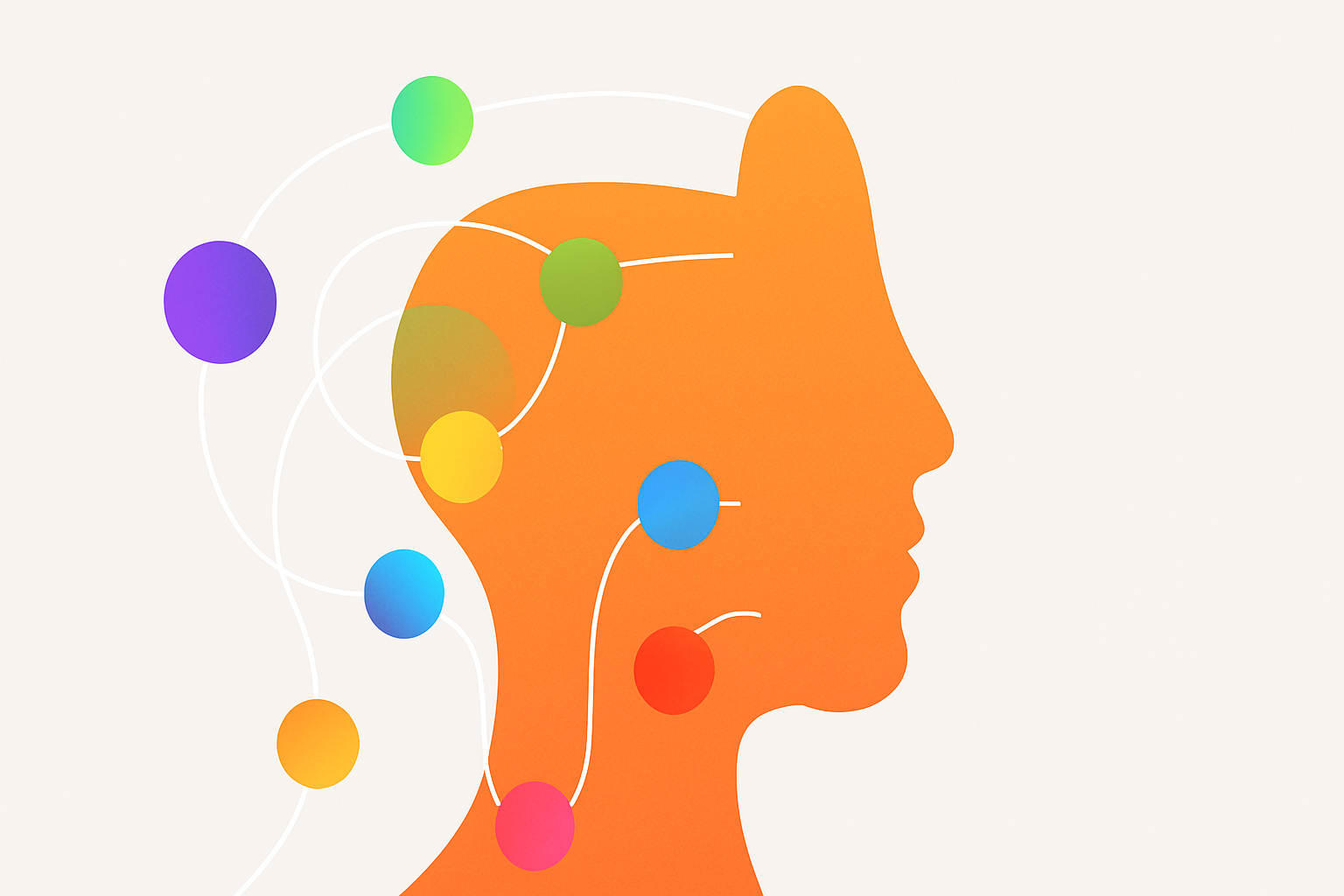
THC (tetrahydrocannabinol) is the main psychoactive compound in cannabis responsible for the plant’s signature “high.” Our bodies produce their own cannabinoids, like anandamide, that act on CB1 and CB2 receptors throughout the body to keep systems in balance. THC works by mimicking these endocannabinoids, overstimulating receptors and altering normal neurotransmitter release, thereby influencing mood, appetite, pain perception, and memory.
While often associated with recreational use, THC also has a range of potential therapeutic benefits. This guide explores the science behind THC, its health benefits, legal landscape, safety profile, and the many ways people use it.
*Disclaimer: This article is for educational purposes only and does not constitute medical advice. Always consult a licensed healthcare provider before beginning any treatment. Effects and legality vary by region, diagnosis, and individual needs.
THC History
Cannabis has a long history stretching back thousands of years. Archaeological evidence suggests that humans have cultivated and used cannabis as far back as 12,000 years ago, and its traces were first found near the Altai Mountains. In many ancient societies, including those in China, India, Siberia, and the Middle East, cannabis was valued for both its medicinal and psychoactive properties. In India, for example, cannabis has been used ritually in the form of “bhang” for spiritual ceremonies and Ayurvedic medicine. Chinese records dating back to ancient times describe cannabis as a healing plant used to treat a variety of ailments. Among Indigenous cultures in Africa and the Americas, cannabis — or plants containing cannabinoids — were often integrated into spiritual and healing practices.
In the modern era, THC was isolated in 1964 by chemist Raphael Mechoulam. This breakthrough helped establish the foundation for endocannabinoid system research. Since then, THC has become a central focus of both medical cannabis science and the global movement toward legalisation.
Is THC Legal?
There’s a growing movement towards medical and recreational legalisation. However, the legal status of substances can change, be sure to verify the legality of your jurisdiction.
USA
In 2025, THC remains federally illegal, classified as a Schedule III drug. However, it’s legal for medical use in 38 states (exceptions include Idaho, Kansas, Nebraska, and some others), and 24 states plus D.C. have legalised recreational cannabis. And these numbers continue to climb quite steadily.
Canada
Canada has legalised THC and THC products nationally. These products are regulated yet widely available for purchase.
Europe
THC laws vary widely. Germany and the Netherlands permit medical use. Recreational use is decriminalised or tolerated in countries like Portugal, Spain, and the Czech Republic.
Asia
THC is largely prohibited in Asia, with strict penalties in many countries. Thailand is an exception: in 2022, the country legalised cannabis for medical and limited recreational use, but in 2025, the rules have been tightened — all customers are now required to have a doctor’s prescription.
THC Effects
Effects on the Brain
Studies show that THC acts primarily as a full agonist of CB1 receptors in the natural endocannabinoid system of our bodies, altering neurotransmitter release. The substance overstimulates receptors, resulting in euphoria, altered sensory perception, impaired short-term memory, and changes in mood.
Effects on the Body
THC affects the body by latching onto receptors in the brain that help regulate mood, appetite, coordination, and how we sense pain. Because it dissolves easily in fat, it spreads through the body quickly and reaches the brain fast, which is why its effects can hit strongly. When swallowed, the liver turns THC into another active form that can feel even more intense, while smoking or vaping sends it into the bloodstream within minutes. THC also stores itself in body fat and releases slowly, which is why traces can stay in the system for days even after the noticeable effects fade.
Effects on the Mind
Many users report feelings of enhanced creativity and introspection, though studies indicate cannabis may mainly increase the perception of creativity rather than actual creative performance. Other effects include changes in how we perceive time and sensory inputs, such as music or food. However, THC’s mental effects are dose-dependent: while low doses may relax, high doses often provoke anxiety and paranoia. In individuals with or prone to mental illness (especially psychotic disorders), heavy THC use can trigger acute psychosis and has been linked to a higher long-term risk of schizophrenia.
Therapeutic Benefits of THC
Here are some of the conditions THC may help with:
Chronic Pain
THC has analgesic properties, and it has shown modest benefit for neuropathic or cancer pain in some trials. But the effects were generally small, and further studies are needed.
Appetite Stimulation
THC is FDA-approved in the form of dronabinol (Marinol) to help increase appetite in patients with AIDS or cancer.
Nausea Suppression
Used to treat chemotherapy-induced nausea, THC has proven effective in reducing these symptoms due to its antiemetic properties.
Sleep & Relaxation
Some studies suggest THC helps reduce insomnia and promote sleep, though tolerance may develop over time. So far, noticeable improvements have been either short-lived or applicable only to specific conditions. On the other hand, regular THC use can lead to increased anxiety rather than relaxation.
Multiple Sclerosis-Related Spasticity
Randomised controlled trials show the substance’s efficacy for muscle spasticity, after a short-term use of oral cannabinoids.
Emerging Uses
Small-scale studies suggest potential benefits in Tourette syndrome or alleviating PTSD-related nightmares with specialised THC medications. It’s worth noting that these results are promising, but still preliminary.
Dosage & Safety
THC is considered to be safe when used in moderation by healthy adults. Short-term side effects may include dry mouth, increased heart rate, and mild anxiety.
Chronic heavy THC use leads to tolerance and can produce mild withdrawal symptoms (e.g. irritability, anxiety, insomnia), which reflect real physical dependence. A small percentage of long-term users may experience Cannabis Hyperemesis Syndrome, a condition of cyclic severe nausea and vomiting that resolves with cessation. Additionally, persistent heavy use, especially begun in adolescence, has been linked to lasting cognitive deficits and increased mental health risks.
The most dangerous long-term effect is the risk of cannabis use disorder (CUD). About 3 in 10 adults develop addiction, and this risk rises to ~17% if use begins in adolescence.
In terms of dosage, many clinical trials define 2.5–5 mg of THC as a low dose — enough to produce therapeutic effects with fewer cognitive side effects. Studies on oral THC for pain and nausea often use 5–10 mg as a typical moderate dose, while trials testing psychoactive thresholds or adverse reactions usually climb to 15–20 mg, where anxiety, impaired attention, and increased heart rate become more common. Research on THC medical products consistently shows that 10 mg of the substance became the de facto “standard dosage” in U.S. states. Beyond 20–30 mg, studies report steep increases in paranoia, dizziness, and short-term memory impairment — which is why most therapeutic protocols recommend starting with 1–2.5 mg and titrating slowly.
THC Side Effects
Many patients discontinue medical cannabis treatment due to adverse effects. They can be divided into 2 groups, short-term and long-term:
Short-term
Common: Dry mouth, increased heart rate, red eyes, impaired coordination, plus cognitive changes — slower reaction time and affected short-time memory.
Less Common: Anxiety, dizziness, drowsiness, paranoia (especially at high doses).
Long-Term
Cognitive decline in heavy adolescent users, mild withdrawal symptoms, irritability, insomnia. High-THC products are also linked to increased psychosis risk in vulnerable individuals. Regular use of cannabis may lead to addiction, and according to the CDC, around 3 in 10 people who use cannabis develop cannabis use disorder.
How Long Do THC Effects Last?
- Onset: 10–30 minutes (smoked/vaped), 30–90 minutes (edibles)
- Duration: 2–6 hours (up to 12 for edibles)
- Half-Life: Varies, generally 1–3 days, but can extend up to 30 days in chronic users
How Long Does THC Stay in Your System?
As THC is stored in the liver, it wouldn’t be effective in fat, but when fat is used in metabolism, THC goes back to the bloodstream, being active. Thereby, it can circulate in the system for a longer period than most drugs:
- Urine: Up to 30 days (chronic users)
- Blood: Up to 7 days
- Saliva: 24–72 hours
- Hair: Up to 90 days
THC (and THC+CBD) Product Types
- Flower (Bud): Dried cannabis for smoking or vaping; offers full-spectrum effects
- Edibles: Gummies, chocolates, and beverages; long-lasting and potent
- Tinctures & Oils: Sublingual absorption; easier dose control
- Vape Products: Fast-acting, but raise respiratory health concerns
- Topicals: Lotions and balms for localised relief; non-psychoactive
- Concentrates: Wax, shatter, and oils with high THC content; for experienced users
Note: Always consult a medical professional before beginning THC-based treatments, especially if managing a health condition or using other medications.
It’s also worth noting the role of CBD, another major cannabis compound. Unlike THC, CBD is not psychoactive (it doesn’t cause a high because it doesn’t activate CB1 receptors) and, in fact, can balance some of THC’s effects. Research and clinical experience show CBD may reduce THC-induced anxiety or paranoia, and many medical cannabis products combine THC with CBD for a more tolerable effect profile.
Before using any THC product, it’s recommended to check the label for ingredients and active-compound ratios, make sure you trust the product’s provider (e.g. a dispensary or a medical cannabis clinic), and most importantly, consult your healthcare provider beforehand.
 Expert Board Member
This article tackles a timely and increasingly relevant question for many readers exploring alternatives for anxiety relief. It stands out for presenting early research findings with both clarity and caution, offering hopeful yet responsible insights into how medicinal cannabis may support mental health without overstating the evidence.