Sound Healing at Home: Simple Ways to Reduce Stress and Anxiety
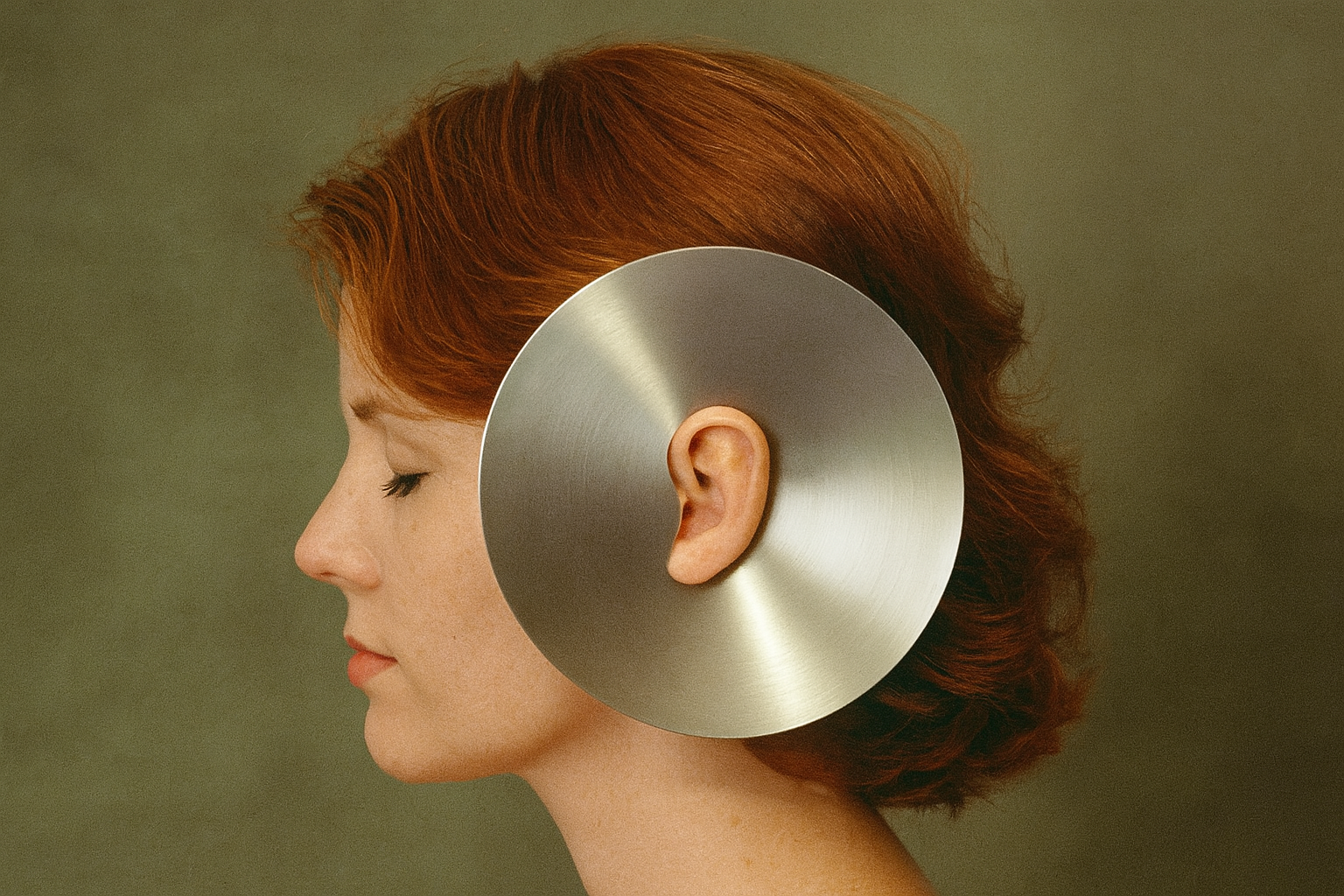
In today’s fast-paced world, stress and anxiety often overwhelm our nervous system. Sound healing offers a gentle, accessible way to restore balance and calm right from your home. Whether through singing bowls, tuning forks, guided meditations, vocal toning, or nature sounds, these practices require minimal time and equipment but provide profound relaxation benefits. Here are five simple sound healing methods you can easily integrate into your daily routine to support mental well-being.
Guided Sound Meditations: Combining Voice and Music
What it is: Guided sound meditations combine calming spoken guidance with soothing soundscapes or instrumental music, often designed to lower anxiety and induce relaxation. Listening to guided sound meditations activates brain regions linked to attention and emotional control, while reducing activity in stress-related circuits and decreasing anxiety symptoms. 2021 research shows that human voices in guided meditations significantly enhance user experience compared to synthetic voices — boosting relaxation, improving mood and increasing perceived benefit.
How to practice at home: Use apps like Insight Timer or Calm to find guided sound meditations suited to your needs. Set aside 10–20 minutes, use headphones for immersion, and follow the instructions to relax your body and mind.
Who it suits: Perfect for beginners who want gentle direction and prefer a combined approach of sound and mindfulness.
Nature Soundscapes: The Healing Power of Ambient Sound
What it is: For centuries, people have found comfort and calm in the sounds of nature — from the gentle rhythm of ocean waves and the soothing patter of rain to the cheerful songs of birds and the rustling whispers of the forest. And there’s a good reason for that. Research at Zhangjiajie National Forest Park confirmed that these natural soundscapes truly promote significant psychological and physiological restoration, with combined multi-element sounds offering even greater benefits than single-element ones. Today, you don’t even need to travel far — natural soundscapes are easily accessible through apps and at home, delivering the same calming effects wherever you are.
How to practice at home: Play nature soundtracks during meditation, yoga, or quiet moments. Use speakers or headphones for best effect. You can also combine with mindful breathing or visualization exercises.
Who it suits: Ideal for anyone who finds comfort in nature and wants to bring calming outdoor energy into their indoor space.
Mantra Chanting and Vocal Toning: Using Your Own Voice
What it is: Mantra chanting involves repeating specific sounds or phrases, while vocal toning is sustaining vowel sounds to create vibrations within the body. Both have roots in ancient spiritual traditions across cultures. Chanting and toning stimulate the vagus nerve, which regulates the parasympathetic nervous system, helping to lower heart rate and promote relaxation. The rhythmic repetition also fosters focus and emotional resilience. Although the evidence on mantra chanting’s effect on anxiety remains inconclusive, it seems to help more those with higher anxiety levels. However, most studies agree that it effectively reduces stress, making it a useful tool for managing stressful situations and episodes.
How to practice at home: Choose a simple mantra (like “Om” or “So Hum”) or vowel sound. Sit comfortably, breathe deeply, and chant or tone aloud or silently for 5–15 minutes. Notice the vibrations and calm spreading through your body.
Who it suits: Great for those who want an active, embodied sound practice using their own voice—accessible anywhere without equipment.
Singing Bowls: Vibrations That Relax
What it is: Singing bowls are metal or crystal bowls that produce resonant tones when struck or circled with a mallet. Originating from Tibetan and Himalayan traditions, these sounds generate vibrations that encourage deep relaxation and nervous system regulation, and may be a handy tool to relieve symptoms of anxiety and depression. An hourlong sound meditation, as shown in a study in the Journal of Evidence-Based Integrative Medicine — primarily using Tibetan and crystal singing bowls — can reduce tension, anger, fatigue, anxiety, and depression. Another recent study proved that the vibrations from Tibetan singing bowls can lower cortisol levels, helping to foster a sense of calm.
How to practice at home: Find a beginner singing bowl set online or at wellness stores. Start with 5–10 minute sessions. Gently tap or circle the rim to create sound, focusing your attention on the vibrations. Combine with deep breathing for enhanced effect.
Who it suits: Great for people looking for a meditative, low-effort practice that doesn’t require previous experience. It’s gentle and accessible for most ages and fitness levels.
Tuning Fork Therapy: Precise Sound Frequencies
What it is: Tuning forks are metal instruments that emit pure tones at specific frequencies when struck. Over the past 400 years, the tuning fork has evolved from a simple musical instrument into a valuable medical tool, used to explore sound transmission and diagnose hearing disorders and other neurological conditions. Tuning forks are also widely used in mental healing contexts, even when effects may be placebo-driven. This suggests that, for those who believe in the power of specific frequencies, tuning forks can support emotional and physical well-being.
How to practice at home: Purchase a set of tuning forks (commonly tuned to 128 Hz or 432 Hz for relaxation). Strike gently and hold near your ears or over tense areas. Practice in a quiet room, tuning in to the calming tones for 5–15 minutes.
Who it suits: Ideal for those who prefer focused sound therapy with measurable frequencies. Requires minimal space and can be easily incorporated into daily self-care.
FAQ
Can sound healing reduce anxiety symptoms long-term?
Regular practice of sound healing can help lower baseline stress levels and improve emotional regulation, but it’s most effective when combined with other mental health strategies.
Is sound healing safe for everyone?
Yes, sound healing is generally safe and non-invasive. However, people with certain medical devices or epilepsy should consult a healthcare professional before use.
Do I need special equipment for sound healing at home?
Many practices require minimal or no equipment. Vocal toning and nature soundscapes can be done with just your voice or a smartphone.
How often should I practice sound healing?
Consistency matters more than duration. Aim for 5–20 minutes daily or several times a week for noticeable benefits.
Can sound healing help with sleep problems?
Yes, sound healing techniques can improve sleep quality by promoting relaxation and reducing nighttime anxiety.