What Is CBD? A Complete Guide to Full Spectrum CBD, CBD Oil and More
CBD (cannabidiol) is a non-intoxicating compound found in cannabis and hemp plants. Unlike THC (tetrahydrocannabinol), CBD does not produce a “high.” Instead, it interacts with the body’s endocannabinoid system to support balance in mood, inflammation, pain, sleep, and more. As scientific research grows, so does public interest — CBD is now used in everything from oils and gummies to skincare and pet products.
Extracted primarily from industrial hemp, CBD is widely available and legal in many countries, especially when containing less than 0.3% THC. This guide explores the origins, benefits, side effects, safety, and legality of CBD.
This article is for educational purposes only and does not constitute medical advice. Always consult a licensed healthcare provider before beginning any treatment. Effects and legality vary by region, diagnosis, and individual needs.
CBD History
Cannabis has been used for thousands of years in traditional medicine, but CBD as a distinct compound was first isolated in 1940 by chemist Roger Adams. Its structure was clarified in the 1960s by Israeli researcher Raphael Mechoulam, who also uncovered THC’s psychoactive properties. For decades, CBD remained overshadowed by THC.
In the 2010s, CBD gained mainstream attention due to its potential to reduce seizures in children with rare forms of epilepsy. The case of Charlotte Figi, a young girl whose seizures were dramatically reduced with CBD, helped catalyze medical cannabis reform.
In 2018, the U.S. passed the Farm Bill, legalizing hemp-derived CBD nationwide, provided THC content remains below 0.3%. The FDA later approved Epidiolex, a CBD-based drug for epilepsy, cementing CBD’s medical legitimacy.
Is CBD Legal?
CBD access is increasing, but its legal status varies around the world. Be sure to verify the legality of your jurisdiction.
USA
CBD derived from hemp (with less than 0.3% THC) is federally legal under the 2018 Farm Bill. However, state laws vary, as some states restrict certain formulations or require specific labeling.
Europe
CBD is legal in most European countries if derived from hemp. Regulations vary on THC content, product type, and labeling.
Asia
CBD legality varies across Asia. It’s legal in Japan, South Korea, and Thailand (under medical use laws), but banned in countries like China, Singapore, and Malaysia.
CBD Product Types
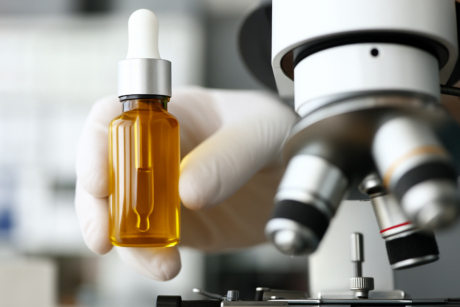
CBD Oil / Tinctures: Most common; taken under the tongue for fast absorption.
Full-Spectrum CBD: Contains all cannabinoids, including trace THC (under 0.3%). Offers “entourage effect.”
Broad-Spectrum CBD: THC-free, but contains other cannabinoids and terpenes.
CBD Isolate: Pure CBD with no other cannabinoids or plant compounds.
Edibles & Capsules: Longer-lasting effects but slower onset.
Topicals: Applied directly to skin for localized relief.
Vape Products: Fast-acting, but may pose lung health risks.
CBD Effects on the Brain, Body, and Mind
CBD interacts with a wide range of receptors in the brain and body. While it doesn’t produce the intoxicating effects of THC, CBD has a notable influence on mood, pain, inflammation, and neuroprotection.
In the brain, CBD modulates serotonin signaling, which is believed to underlie its anti-anxiety and antidepressant effects. In the body, CBD acts as an anti-inflammatory and analgesic. It’s been shown to reduce pro-inflammatory cytokines, making it promising for conditions like arthritis or chronic pain.
Mentally, CBD supports calmness, cognitive clarity, and stress resilience without impairing function. Users often describe subtle emotional balance rather than overt psychoactive change. While more research is needed, CBD’s broad-spectrum effects suggest real potential for both mental and physical wellness.
Therapeutic Benefits of CBD
CBD for Anxiety & Stress
CBD has shown promise in reducing symptoms of social anxiety and generalized anxiety disorder in both human and animal studies.
CBD for Chronic Pain & Inflammation
CBD may reduce chronic pain and inflammation by modulating pain signals and immune response, especially in conditions like arthritis or fibromyalgia.
CBD for Epilepsy
Epidiolex, an FDA-approved CBD drug, is used to treat Lennox-Gastaut and Dravet syndromes. This represents the strongest scientific evidence for CBD’s medical use.
CBD for Sleep Support
Research shows that CBD can improve sleep in individuals with anxiety or pain-related sleep disturbances. However, more large-scale studies are needed.
Is CBD Safe?
Research and trials have shown that CBD is generally safe and well-tolerated, even at high doses. CBD can interact with certain medications, particularly blood thinners, by affecting liver enzyme activity.
CBD Side Effects
Although CBD is generally well-tolerated, some users may experience side effects, particularly at higher doses or when taken with other medications. Reported side effects include fatigue, dry mouth, diarrhea, reduced appetite, and drowsiness. Studies show that these effects are typically mild and transient. Medical supervision is recommended if you’re using CBD alongside prescription drugs. Always start with a low dose and monitor how your body responds.
How Long Does CBD Last?
- Onset: 15–60 minutes (sublingual), 1–2 hours (edibles), immediate (inhaled)
- Duration: 4–8 hours depending on dose and method
- Half-Life: 18–32 hours (varies by metabolism and delivery system)
How Long Does CBD Stay in Your System?
CBD can remain in the body for a few hours up to several weeks, depending on factors such as dosage, frequency, and method of consumption. CBD’s half-life — the time required for the body to eliminate half of the substance — can vary widely.
For instance, sublingual CBD sprays and drops have relatively short half-lives, typically ranging from 1.4 to 10.9 hours. When CBD is consumed orally over an extended period, its half-life increases significantly, ranging from approximately 2 to 5 days. In contrast, inhaled CBD, such as through smoking, has an average half-life of about 31 hours.
Ultimately, how long CBD stays in your system depends on both your usage habits and your body’s individual metabolism.
Always consult with a healthcare provider before beginning any CBD regimen, especially if taking other medications or managing a chronic condition.