What ADHD Looks Like in Adults: From Reddit to Real Life
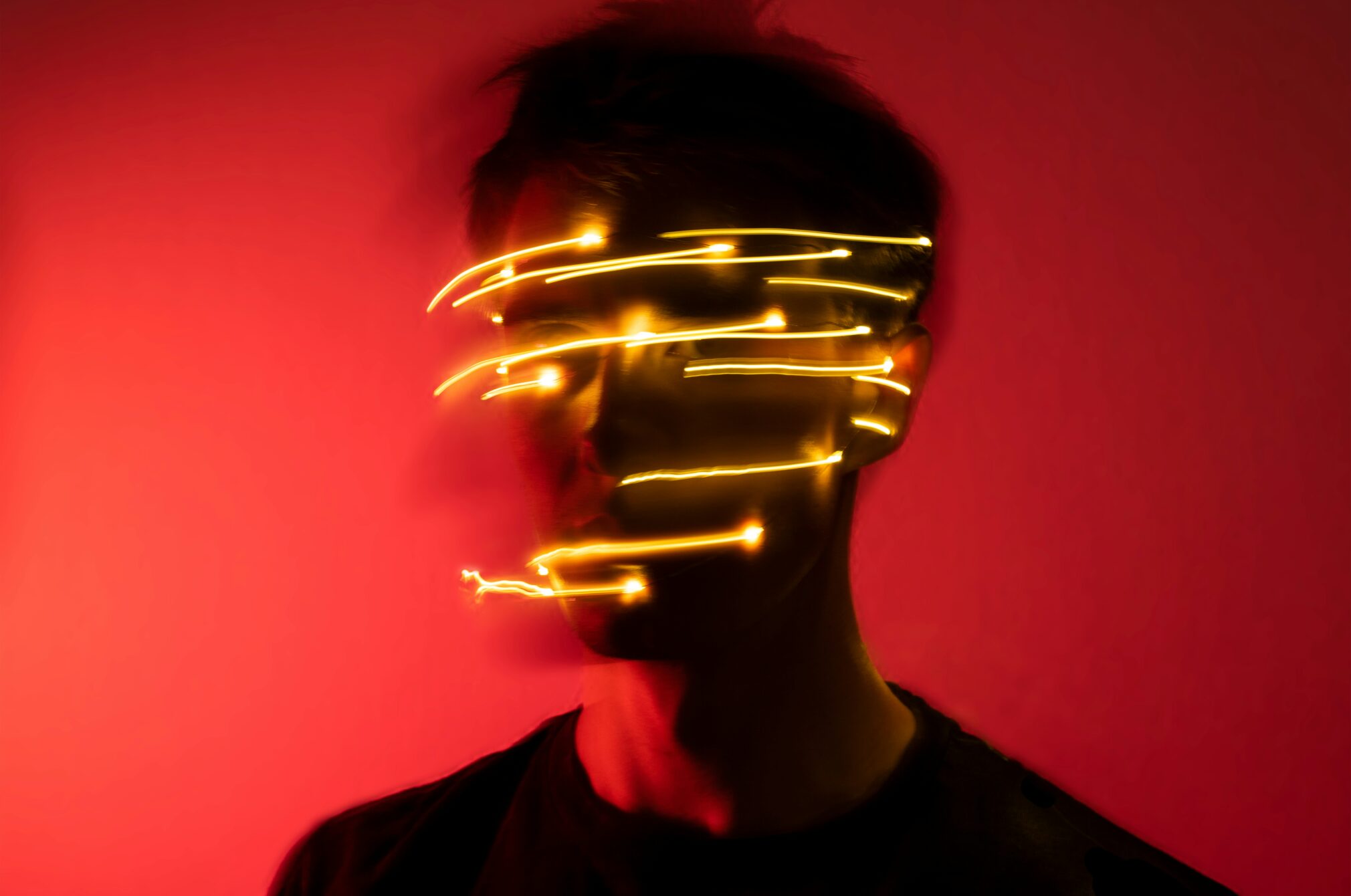
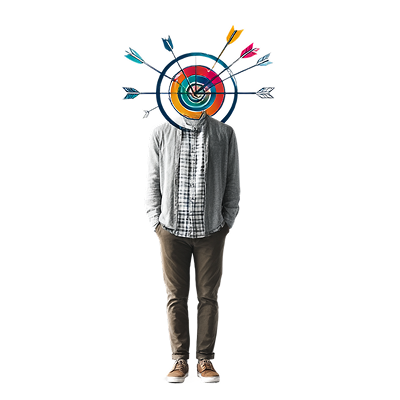
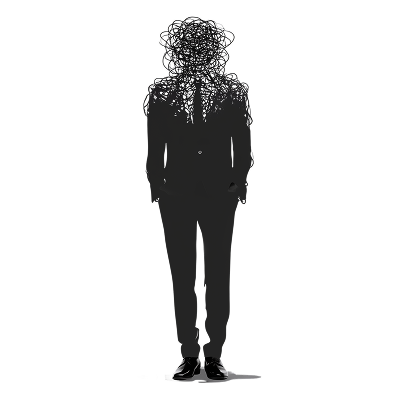
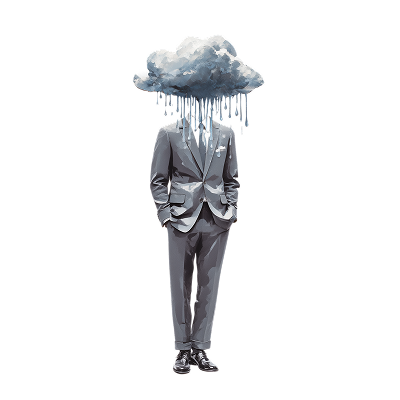
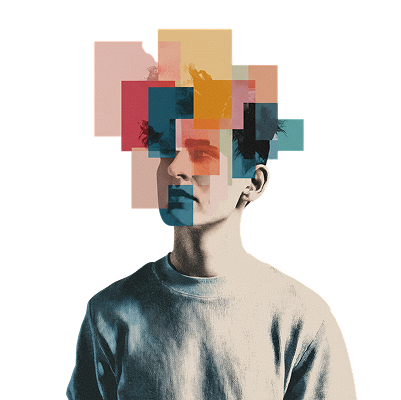
“My brain is like there are 92 tabs open at the same time, some of them with music or ads on repeat,” — on Reddit, this line appears quite often, in threads where adults try to explain what ADHD looks like beyond clinical terms.
Across r/ADHD and r/ADHDWomen, hundreds of posts read like fragments of a collective diary: moments of chaos and shame, flashes of focus and creativity, small victories against the noise. This isn’t a diagnostic guide. It’s a portrait of what modern adulthood feels like for people living with ADHD — a condition that’s messy, exhausting, strangely inventive, and, above all, deeply human.
What Does ADHD Feel Like? Common Signs and Everyday Patterns
Ask therapists what ADHD looks like, and they might list the symptoms: problems with attention, organisation, memory, and emotional regulation. Ask Reddit, and you’ll get a completely different kind of answer: “I feel like a pinball machine with the multi-ball feature activated at all times.” Or even this one: “So much noise in my brain. Like I was trying to do advanced physics in the middle of Grand Central Station.”
According to the Attention Deficit Disorder Association, adult ADHD isn’t just restlessness. It’s a pattern of everyday disruptions that show up in every corner of life — from work and relationships to simple routines. Recent research confirms that ADHD in adults often co-occurs with anxiety, depression, or chronic fatigue, which can blur the diagnosis.
Across different diagnostic systems — including the DSM-5 and ICD-11 — the core symptoms of ADHD include:
- Trouble sustaining focus on routine or uninteresting tasks
- Forgetting details, appointments, or personal items
- Difficulty organising tasks or managing time effectively
- Restlessness or an internal sense of agitation, even when sitting still
- Interrupting others or blurting out responses too quickly
- Frequent task-switching or abandoning projects halfway through
- Losing track of what was said in conversations or meetings
- Emotional impulsivity — sudden frustration, tears, or irritability
- Chronic procrastination followed by bursts of hyperfocus
- Feeling mentally overloaded or physically exhausted from constant effort
For many on r/ADHD, the condition shows up quietly: fewer external signs, more internal noise — guilt, exhaustion, and the fear of failing to meet everyday expectations. Hayden, a 24-year-old female, shared exclusively with the States of Mind team:
The lack of concentration made me procrastinate a lot back when I was in school, and also when I was doing freelance translation. I ended up losing work because of it. I think that was when I felt something was very off about me.
For thousands of adults on Reddit, that’s what ADHD feels like: not a lack of attention, but attention stretched thin — a restless mind trying to fit into a different rhythm.
Do I Have ADHD? Insights and Late Diagnosis
I’m still in the process of being diagnosed, but I’m 99% sure I do have ADHD. Reading posts on Reddit and comparing them to my own experiences was very helpful. I’m hoping my trip to the psychiatrist can help me confirm my suspicions and get proper assistance, wrote Hayden.
Even users without a formal diagnosis often speak with quiet certainty. What convinces them is reading through the lived experiences of others on ADHD-related subreddits and recognising themselves in the comments. The post “How was your ‘I might have ADHD’ to ‘I do have ADHD’ journey?” has become a kind of collective mirror.
Many users describe the exact turning point: that moment when “laziness” or “bad habits” begin to appear as symptoms.
“I always thought ADHD was ‘that thing hyper kids have,’ and as I am not hyperactive, I never assumed it was me… It took a while, but I finally got tested and sure enough, I also have ADHD.”
“I’ve only really come to understand this in the last few years, the two biggest symptoms are 1) an impairment of the executive function that translates intention into action, and 2) time blindness (and related “priority blindness,” as I call it).”
Others find themselves tracing back decades, wondering how they missed it.
“When I read the book ‘How to ADHD’, I kept crying because everything resonated.”
“I was diagnosed just shy of my 64th birthday.”
“Waiting to be tested, I’m 70. Looking into my grandson’s diagnosis, and reading about myself. It explained so much.”
Sometimes the realisation comes from outside — a friend, a spouse, a colleague who recognises the signs:
“The tipping point was getting married… my husband sat me down and said, ‘You have ADHD.’”
“I literally went from ‘doo dee doo… livin’ my life’ (while not-so-secretly thinking I was just a messed-up human being) to ‘Holy sh*t, I have ADHD!’ I was 43.”
Clinical research mirrors what many Redditors describe. A systematic review in the Journal of Attention Disorders found that women living undiagnosed until adulthood often struggle with low self-esteem, emotional dysregulation, and a chronic sense of “being lazy or different.” Receiving a diagnosis later in life brings profound relief and self-acceptance — a shift from self-blame to understanding. Early recognition, the authors note, could prevent years of psychological distress and missed potential.


Between Focus and Fatigue: Stories on ADHD Meds
Another major theme is ADHD medication — its positive and side effects, and the strange new balance it creates. Such threads mix gratitude with frustration: the joy of finally being able to focus often comes hand in hand with appetite loss, sleeplessness, or emotional flatness.
“For the first time, my brain was quiet. It was like someone finally found the remote and hit the ‘mute’ button,” wrote one user.
“I can finally get things done, but sometimes it feels like I’ve traded my spark for stability,” added another.
A 2025 review in the Journal of Attention Disorders captures this tension well. Adults described using stimulants to “fit in with society,” to meet professional and personal expectations — yet for many, medication blurred their sense of self. Focus, they explained, could feel like control but also like constraint. Among those who shared their stories with States of Mind was a teenage Redditor adjusting to Adderall:
While being on Adderall, it definitely has helped me have motivation and get better grades, but the biggest challenge is that I never get hungry. I’ve lost a lot of weight after it took me a while to retain a healthy body. I’ve also had trouble falling asleep — sometimes I’m up until 3 AM on a school night.
To manage the side effects, he developed his own small routine. He starts mornings with a big breakfast before taking his medication and drinks smoothies throughout the day, as they don’t trigger nausea and help maintain nutrition when eating feels difficult.
Other Redditors share similar experiences: learning to plan meals, lowering doses, or adjusting timing to avoid insomnia. One r/ADHDWomen user wrote that medication helped her stay consistent at work, “but made it harder to feel things deeply.” Another described waking up at dawn, alert but drained: “It’s like my body is awake before my mind is.”
Across Reddit ADHD reviews, this paradox repeats itself. Medication doesn’t erase ADHD; it reframes it. For some, it brings relief and stability. For others, it introduces a quiet kind of fatigue. And yet, between those two poles — between focus and tiredness — most users agree on one thing: medication helps them reach a different rhythm of brain activity.
Everyday Challenges: ADHD at Work, Home, and in Relationships
ADHD rarely appears as chaos all at once. More often, it hides in small daily frictions: the missed instruction at work, the half-cleaned room, the emotional outburst that leaves everyone bewildered. On Reddit, users describe these moments not as personal flaws, but as the quiet fingerprints of ADHD in adult life.
At work, distraction and overwhelm are constant companions. 24-year-old Hayden told States of Mind that her biggest struggle happens when tasks pile up faster than her brain can process them:
When my manager or coworker asks me to do something more than just ‘Can you do A?’, I short-circuit. I also seem to have issues with memorising and have asked the same thing multiple times, whereas my colleagues who came in later already know.
Her experience mirrors other posts: people who freeze mid-task or lose the thread of a meeting while still nodding along. One Redditor summed it up: “I know exactly what needs to be done, but my brain won’t start the engine.” This is what clinicians refer to as executive dysfunction — the invisible gap between intention and action. For some, fast-paced jobs filled with small, short tasks provide just enough stimulation to stay focused.
Home doesn’t offer much rest either. Many describe a pattern of restless energy and constant distraction even in everyday routines: “I start cleaning, find an old photo, then somehow I’m on my phone for an hour.” Another Redditor, a high school junior diagnosed with ADHD, told States of Mind:
The biggest challenge for me was that I had zero motivation to do anything. I lay in bed all day and never went to school. I couldn’t get myself to get up and do things. My grades really reflected how hard it was.
To cope, some users turn unenjoyable tasks into a game. For instance, Hayden created her own “Ghibli cleaning ritual.” She ties a bandana, plays Studio Ghibli music, and imagines she’s a whimsical fairy tidying her cottage. What looks like escapism is actually self-regulation: turning routine into reward, injecting just enough novelty and emotion to keep the ADHD brain engaged.
In relationships, the challenge takes a different shape — not disorganisation, but emotional intensity. “Big sad. Big mad. Big happy. Big everything,” writes one user in the “What does ADHD feel like for you?” thread.
That phrase has become shorthand for emotional dysregulation, the sudden surge of anger, tears, or laughter that often feels out of proportion. Many users say it’s not about drama. Emotions come all at once, before there’s a chance to filter or explain them. As one woman put it: “ADHD made it very hard for me to function in relationships. I became far more productive at work, but also far more distant from my emotions, which made being present and emotionally vulnerable very hard.”
Tricks, Tools, and Coping: How Adults Manage ADHD
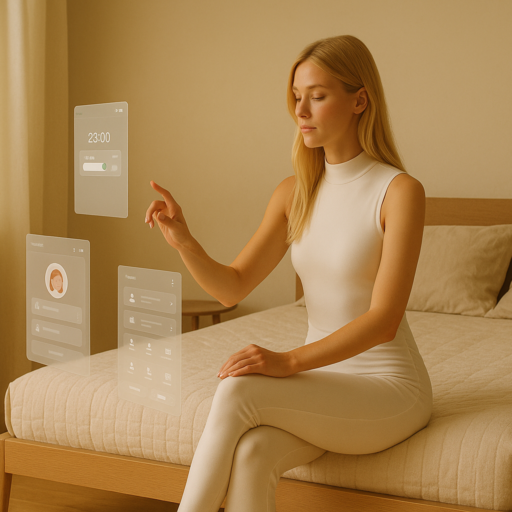
If the previous thread reads like diaries of struggle, ADHD subreddits also host something else: a hive of ingenuity. Beneath posts about burnout and forgetfulness are thousands of comments swapping “little ADHD tricks that actually work.” Some are charmingly analogue: “I use a physical timer — watching time tick keeps me from drifting.” Others are quietly high-tech: soundscapes, habit apps, digital planners, and gamified tools that transform routine into rhythm.
In a popular post titled “The tools that actually stuck with me through 2025”, users shared a curated list of what they called their “prosthetics for attention”:
- Endel for adaptive focus sound,
- Goblin Tools for breaking tasks into manageable steps,
- Finch for self-care through a virtual pet,
- Routinery for building daily routines,
- Moongate for binaural beats and quality Hz sounds that help focus,
- YNAB for taming financial chaos,
- Fixkey for responding to overwhelming emails with your voice instead of text.
Each tool, in its own way, creates external structure, a stand-in for the executive functions that hyperactivity often scrambles. On r/ADHDWomen, users typically describe how these tools do more than just organise time — they help soften self-judgment. Digital planners become a way to externalise memory, to replace internal scolding with small wins.
And then there’s humour, the universal coping mechanism. Posts on ADHD often blend genuine advice with self-deprecation: memes about cleaning in circles, jokes about productivity apps, or endless tabs open “for later.” Under a list of ADHD-friendly productivity tools, one Redditor wrote: “Great, now I have a ton of NEW tabs open that I’ll never look through. THANKS!”

Shared Patterns of Living at a Different Frequency
The portraits of ADHD’ers on Reddit shift — students, parents, programmers, nurses — but the emotional landscape remains familiar: noise, guilt, forgetfulness, and underneath it all, the stubborn persistence of empathy, creativity, and hyperfocus.
ADHD, as described by thousands of users, isn’t a straight line of symptoms. It’s a pendulum — swinging between paralysis and productivity, chaos and clarity. Many say they spend half their time trying to catch up with the world, and the other half trying to slow it down. Research papers and threads often reveal that burnout and depression follow this cycle. Yet even within exhaustion, there’s a connection — the relief of finding language for something long unnamed.
Studies echo what the community already knows. A 2024 study called “Life Gets Better” in the Journal of Attention Disorders found that adults who thrive with ADHD share three key factors: acceptance, supportive relationships, and self-regulation. They build environments that work with their worldview — structuring their lives through compassion rather than discipline.
One user on the ADHD subreddit captured that paradox perfectly:
It’s chaotic, but also kind of beautiful. My mind connects things in ways other people don’t, and sometimes that feels like a superpower.
Seen through the personal experiences on Reddit, ADHD doesn’t look like a disorder but a spectrum to be understood — a coexistence of chaos and creativity, fatigue and resilience. What starts as frustration often turns into language, and that language becomes a common ground for the community.