Reading Navigation


This content is grounded in peer-reviewed research, clinical guidelines, and established best practices. Claims are reviewed for accuracy and transparency. Learn more about our evidence standards
The Fight for 7-OHM: Inside the Movement to Legitimize a Controversial New Plant Medicine
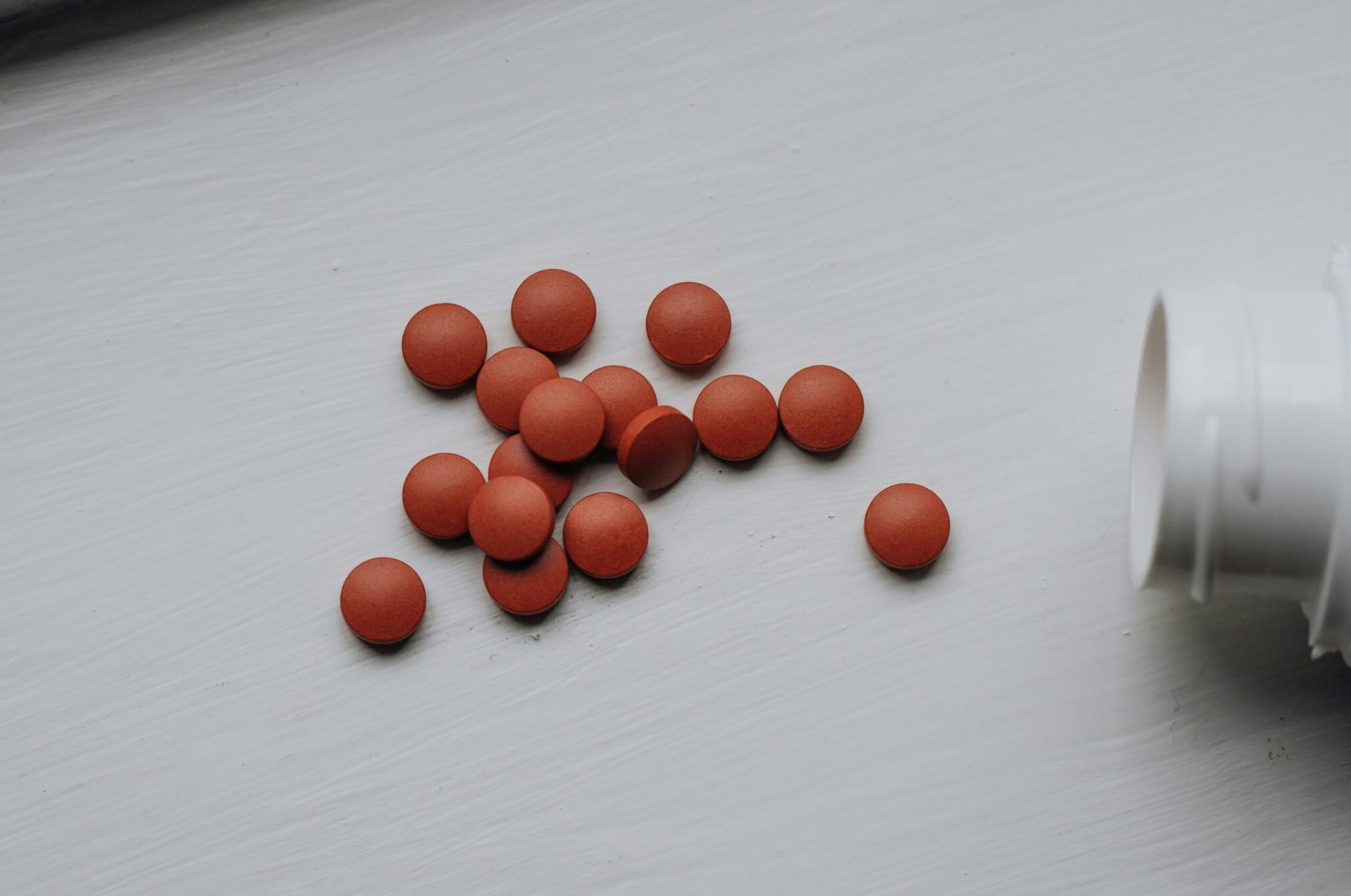
A new conversation (and controversy) is unfolding in the world of plant medicine. It’s not about famous psychedelics like magic mushrooms or ayahuasca, but a natural compound most people have never heard of: 7-hydroxymitragynine (or 7-OHM).
At the recent Psychedelic Science conference in Denver, this new name sat front and center on the exhibition floor, welcoming attendees to stop and take a moment. Yet despite being at an industry conference devoted to the benefits of psychedelics and plant medicine — an old story loomed around this substance, colored by tales of dangerous drug use and the threat of prohibition.
But still, a group of kind volunteers and passionate advocates hosted you at their booth and held informative press conferences, hoping to educate and inspire and dissolve any gathering clouds.
“Have you heard of 7-OHM? Would you like to learn more?”
“It’s helped me. My pain is almost gone. I’m able to walk again.”

What Is 7-OHM?
Extracted and refined from the kratom plant, 7-OHM is being used by some for its potential to ease chronic pain, lift mood, and offer a natural alternative to opioids and other pharmaceuticals, without many of the side effects.
Kratom1 (Mitragyna speciosa) is a tropical tree native to Southeast Asia. Its leaves have been used for generations for energy, pain relief, and mood enhancement. Kratom is also used as a (non-regulated) treatment for pain, opioid withdrawal, and alcohol addiction. Kratom products and shops have been growing in popularity, popping up in major cities around the world.
The most abundant compound in kratom is mitragynine, and through natural and/or industrial processes, transforms into 7-OHM2. Modern processing techniques allow manufacturers to extract and refine 7-OHM, producing products like tablets, gummies, and liquid shots that deliver consistent doses.
This development opens doors for those seeking new plant-based treatment options. Though not yet regulated or approved for medical use, people are using 7-OHM (informally, self-medicating) to help with conditions like chronic pain and even addiction.
But with promise comes controversy.
7-OHM has been receiving a lot of media attention, not all of it positive. Concerns about 7-OHM’s potency and lack of established standards have led to growing calls for regulation and even outright bans. Some of this unflattering coverage could be news media sensationalism looking for the next “dangerous drug” boogeyman — but there is a negative narrative building around 7-OHM.
One of 7-OHM’s leading voices is Dr. Michele Ross, a neuroscientist, author, and chronic pain survivor. She’s also Scientific Advisor to the new non-profit 7-HOPE Alliance.
We sat down in the 7-HOPE Alliance booth at the Psychedelic Science conference to discuss 7-OHM in more detail.
What makes 7-OHM different from traditional kratom?
“7-OHM is one of about 35 alkaloids in the kratom plant,” explains Dr. Ross. “About 20–30% of the mitragynine in kratom converts to 7-OH in the body. So even if people don’t realize it, this compound is playing a major role in how natural kratom works.”
Being a single ingredient from the original kratom plant, 7-OHM is reported to be purer and more effective at lower concentrations than kratom itself, as Dr. Ross says: “7-OHM has fewer side effects than traditional kratom leaf. A single 7-OH tablet can provide the same relief as 10 to 20 kratom tablets. It offers the relief of kratom, but in a more refined, targeted way.”
How are people using 7-OHM?
As its popularity grows, people are finding new ways to incorporate 7-OHM into their routines. Capsules and tablets provide consistent dosing. Some brands are even offering 7-OHM in functional beverages for faster absorption. “People are using it like a wellness supplement,” says Ross. “Morning for energy and clarity, evening for relaxation and pain relief.”
Users include everyone from chronic illness patients to professionals and veterans seeking alternatives to opioids, antidepressants, or stimulants. This expansion of consumer products is increasing access for people looking for alternative help, but is also adding to concerns regarding safety and irresponsible marketing.


From Chronic Illness to Advocacy
Dr. Ross also speaks from personal experience. Her commitment to advocating for 7-OHM seems deeply personal. A former addiction neuroscientist with a PhD from the University of Texas Southwestern Medical Center, she’s spent over 15 years working in plant medicine research, education, and advocacy. She’s authored five books — including Kratom is Medicine — and now leads Infused Partners, a consulting and education firm focused on botanical wellness.
But she’s also a patient.
“I suffer from numerous health conditions that leave me with daily severe chronic pain and disability including fibromyalgia and peripheral neuropathy. I’m also deathly allergic to food coloring, and that’s in most medications. 7-OHM, because it’s available as a single tablet with no food coloring added (at least from the brand 7-OHMZ), is able to manage my severe pain without being hard on my stomach, causing pancreatitis, or causing liver issues.”
Dr Ross continues: “7-OHM dials down my pain so I can work full-time and do the things I often neglected to do because they hurt too much: clean my home, shower, walk my dog, or go shopping. 7-OHM has given me my dignity back as a human struggling with chronic pain and chronic illness.”
A Need For Healing Alternatives
According to the CDC3, more than 51 million U.S. adults — or 1 in 5 — live with chronic pain. For millions of people, that pain is high-impact, meaning it interferes with daily activities like work, social life, or basic self-care. Yet despite how common chronic pain is, treatment options remain limited and often problematic.
- Opioids, while effective, carry high risks of addiction, overdose, and long-term harm.
- NSAIDs and other medications can damage the liver, kidneys, or stomach with prolonged use.
Hard-to-treat conditions like chronic pain can be extremely frustrating as many of the current options cause their own problems (i.e. taking opioids for pain and then facing addiction or withdrawal from the opioids). Add to this the stigma and legal barriers — and millions of people are left with limited options and difficult daily lives.
Which is why compounds like kratom and 7-OHM are increasing in popularity. Advocates like Dr. Ross believe that 7-OHM could be a solution to help fill this physical and mental wellness need.
The 7-OHM Controversy
We got in touch with Paloma Lehfeldt, MD, Medical Advisor to the Scientific Association for Botanical Education and Research (SABER), as this group has been quoted in some of the negative news coverage about 7-OHM. They responded with the organization’s official position on the issue, so we’ll quote directly from their statement.
“Regarding 7-OHM (7-hydroxymitragynine), we remain deeply concerned about the proliferation of products containing isolated, semi-synthetic, or synthetically enhanced kratom alkaloids. Research shows2 that 7-OHM is a far more potent mu-opioid receptor agonist than mitragynine, the primary alkaloid in natural kratom leaf. And, unlike mitragynine, 7-OHM induces significant respiratory depression comparable to fentanyl. This has significant implications for abuse potential, dependence, and risk of opioid-like adverse effects.”
SABER, as an advocacy group for plant therapies, seems to be supportive of kratom and other plant medicines, yet quite concerned about 7-OHM.
“SABER does not endorse the sale or marketing of 7-OHM products under the guise of traditional kratom. We strongly urge policymakers, consumers, and the scientific community to support regulatory frameworks that distinguish natural kratom leaf, which has centuries of traditional use and a relatively low harm profile, from novel alkaloid synthetics like 7-OHM which carry substantially higher risks.”
The organization’s website highlights positive kratom research, so one could theorize that protecting kratom might be their primary goal. Perhaps the irresponsible behavior of some 7-OHM companies could cause governments to ban all kratom products — so better to create a clear distinction (and throw some shade away from kratom?).
If someone’s going to get blamed for bad kratom-based behavior, let it be the new 7-OHM kid on the block?
Quite the plant medicine drama.
Note: As if reading our minds and publishing plans, the FDA recently released a statement4 regarding 7-OHM, citing concerns about illegal and irresponsible behavior of several companies. This public warning adds validity to some of the mounting concerns.
Take note that the focus is on un-regulated and concentrated 7-OHM products, not the natural compound itself.
On July 15, 2025, the FDA announced5 seven recent warning letters6 sent to companies for illegally marketing products containing 7-hydroxymitragynine, also known as 7-OH. This action reflects the Agency’s growing concern around novel potent opioid products being marketed to U.S. consumers and sold online and in smoke shops, gas stations, and corner stores. While 7-OH occurs naturally in trace amounts in kratom, the Agency’s letters focus on concentrated 7-OH products such as tablets, gummies, drink mixes, and shots, which may be dangerous.
Launching 7-HOPE Alliance
Hoping to advocate for the benefits of 7-OHM and counter the growing negative stigma, the 7-HOPE Alliance was created as a nonprofit to promote research, education, and responsible access to this under-studied molecule.
The group brings together scientists, health professionals, ethical product makers, and consumers to advocate for research, transparency, and safe use. The alliance is also gathering what may become the largest real-world dataset on 7-OHM use — documenting testimonials, user outcomes, and long-term effects.
“We’ve already invested over $100,000 into foundational research,” says Dr. Ross. “That includes safety studies and establishing maximum tolerated doses. We’re building the case for human clinical trials and pushing back against fear-based regulation.”
Some testimonials from the 7-Hope website speak to the personal stories and why some are so passionate to increase access to 7-OHM.
“I first tried 7-hydroxymitragynine about 5 weeks ago. I had been drinking since I was in my early 20’s until 4 months ago when I decided I needed to quit alcohol because of all the negative effects on my body, mind and spirit. Alcohol was ruining my life and affected my mental health so badly I fell into a deep depression…I am so grateful for this product as it has also helped me to keep my sobriety from alcohol…”— Krista T., 44 Lompoc, CA
“7-OH(M) has been absolutely invaluable for my chronic migraines and borderline personality disorder (BPD). I have tried many medications for my migraines and nothing halts them completely and rapidly like 7-OH does. With its unique balance of relief without emotional numbness or dangerous suppression of breathing, it’s truly lifesaving for individuals suffering from BPD.” — Alyson B., 35 Los Angeles, CA
“I was a IV heroin user for several years…I tried everything from suboxone to methadone which was just as hard as the heroin to stop. Since I found 7-hydroxymitragynine I always have it to go to instead of the hard drugs or prescription opioids and has help my and so many others lives having a viable option to turn to” — James C., 28 Avon, CO

The 7-OHM Controversy, Continued…
We asked Dr. Ross about the controversy and the claims being made in the media and by organizations like SABER, and got a reply that “these kinds of narratives are precisely why 7-HOPE Alliance exists, to bring forward facts, research, and real-world context to help cut through the noise.”
Dr. Ross went on the address these points, giving us responses regarding the main 7-OHM criticisms: “7-OHM is not a synthetic drug cooked up in a lab — it’s a naturally occurring compound found in the kratom plant and also created by our own bodies when we ingest kratom … Multiple studies and reviews, including from the WHO and HHS, have found no deaths from 7-OHM. And preclinical research also suggests 7-OHM is less toxic to liver and kidney cells than mitragynine or kratom extract.”
She then spoke to the safety concerns, a theme that is driving much of the panic in the media and with 7-OHM critics: “Hundreds of millions of doses (of 7-OHM) have been consumed since late 2023 with only 3 adverse events and no death reported to FDA, pointing to this is not some epidemic as the media and the anti-7-OHM crowd are making it out to be. That’s just common sense.”
What about concerns regarding addictive properties and withdrawal?
“There may be problematic use with 7-OHM, just like there is with kratom, and just like there is with any substance. While 7-OHM may be habit forming, withdrawal effects are more similar to caffeine than to heroin. 7-OHM is not causing harm, it is a plant-based harm reduction tool for people to avoid stronger and more deadly opioids.”
And reports of irresponsible use and bad commercial actors?
“Absolutely bad actors exist in the 7-OHM market, as in every market, and some companies clearly behave irresponsibly. But that’s not a reason to ban the whole category. We fully support robust regulation, including age restrictions, manufacturing standards, proper labeling, and testing, to ensure safety and transparency. Prohibition does not work.”
It seems that 7-OHM has entered the big leagues — and now has to deal with a bit of politics. Like cannabis and psychedelic medicine, overcoming stigma and avoiding being grouped together with some bad actors becomes almost as important as proving that the medicine actually works.
(I can hear plant medicine fans & psychedelic decriminalization advocates screaming at their screens “People are suffering. Why do we need to worry about the politics? Just make it all legal!”. But alas, it ain’t that easy.)
As someone whose life has been changed because of 7-OHM, Dr. Ross’ passion on the subject is clear. But personal feelings aside, the 7-HOPE Alliance and its team of advocates are putting serious money and their professional reputations on the line to push for a clear understanding on the potential benefits of 7-OHM.
“This is the hard part about working in this space. The conversation around 7-OHM is often shaped by fear, misinformation, or exaggerations from those trying to outlaw it — and unfortunately, the media sometimes bites before looking into the facts.”
7-HOPE Alliance is doing what it can, expanding its public education work and publishing research. They’re also launching the first formal support community for 7-OHM users, offering guidance for safe use and access to medical professionals.
“This is a pivotal moment,” says Dr. Ross. “We have a chance to get ahead of the curve — regulate responsibly, educate openly, and make sure people who need help don’t get left behind.”
Editor’s Note:
As if to prove the dynamic and controversial nature of this story, the FDA has just announced its recommendation for scheduling (restricting) of 7-OHM (7-OH) products under the Controlled Substances Act.
The FDA’s statement lists many of the concerns mentioned in this article, such as opioid-like effects and potential for abuse. It seems the efforts of the 7-HOPE Alliance have not been enough to stem the mounting concerns around the irresponsible commercial behavior of some 7-OHM products.
“Vape stores are popping up in every neighborhood in America, and many are selling addictive products like concentrated 7-OH. After the last wave of the opioid epidemic, we cannot get caught flat-footed again,” said FDA Commissioner Marty Makary in the FDA’s statement7. “7-OH is an opioid that can be more potent than morphine. We need regulation and public education to prevent another wave of the opioid epidemic.”
Dr. Ross must be shaking her head in frustration.
The FDA’s statement does take special care to differentiate 7-OHM from natural kratom leaf, showing that kratom advocates seem to have accomplished their advocacy efforts.
The Drug Enforcement Administration (DEA) is reviewing the recommendation and will give a final decision on whether to add 7-hydroxymitragynine to the list of banned or controlled substances.
Fast Facts About 7-OHM
*Clinical human studies on 7-OHM are still lacking. Consult with your physician before self-medicating.
- What it is: A natural alkaloid derived from kratom, formed through oxidation
- Where it comes from: Mitragynine, kratom’s main compound, converts into 7-OHM in the liver
- Forms available: Tablets, capsules, gummies, and drinks
- Reported benefits: Pain relief, mood enhancement, focus, and reduced fatigue
- Who’s using it: People with chronic pain, autoimmune conditions, anxiety, alcohol addiction, opioid withdrawal
- Legal status: Not scheduled (banned) by the DEA or WHO; some U.S. states have restricted access
- Backed by science?: Early-stage studies and user data show promise; but human trials are needed to support anecdotal reports
- Contraindications: Studies are limited, but avoid use while pregnant or breast feeding, also note that 7-OHM interacts with mu-opioid receptors2
 Expert Board Member
Because pain care and addiction treatment are often hard to access, some people self-medicate with 7-OHM-products despite clinical trials of isolated 7-OH as a medicine are missing. Many people live with severe pain (cancer, trauma, palliative care), or opioid addiction. So we do need better treatments, and that’s why 7-OHM may be an interesting target for research. But what we don’t need is more unregulated, high-potency opioid products on the market.