Reading Navigation
ArtDHD Visionaries: 6 Creators Reframing ADHD into Art
For years, ADHD has been wrapped in the myth of the “chaotic genius”: the restless mind that can’t sit still but somehow turns disorder into brilliance. From a scientific point of view, that image can be explained quite practically: researchers have found that people with ADHD often have different dopamine dynamics1, the brain’s system for motivation and reward, which can drive novelty-seeking, risk-taking, and bursts of hyperfocus. In the studio, that chemistry can feel like both a gift and a trap — creativity that burns bright, but sometimes burns out.
To move past clichés and see what ADHD really feels like in the act of creation, we spoke with six artists — filmmakers, musicians, painters, photographers — who live and work with it every day. Their stories reveal what happens when distraction becomes design, and when the mind’s chaos finds its rhythm in art.
Saman Kesh
Saman is an Iranian-born, LA-based filmmaker and music video director whose work fuses bold storytelling with playful twists. Known for videos for Ed Sheeran, Kygo, Basement Jaxx, and Placebo, he calls himself “a brown boy with ADHD” — a role he presents with humour and pride. His style reflects his way of thinking: fast-moving, curious, and unpredictable, turning chaos into kinetic art. Between bursts of “rocket fuel” energy, Saman transforms the noise of ADHD into cinematic rhythm.
ADHD can fuel creativity. However, to exist in the world, it must be harnessed. Given freedom but also guided.
“Communication with team and audience requires one to tap into linear thinking, so it’s all about using the rocket fuel carefully and strategically. Easier said than done. Most ADHD people I’ve encountered have strong gut reactions and often can process things quicker than others. Basically, when shit gets real… we kind of take control and do it effortlessly. We’d be great in an apocalypse.
My piece of advice is, let your ADHD out. Like a dog, it can’t be leashed all the time. You gotta let it play. I have often found that you end up getting to your destination anyway. So what if it’s longer and more roundabout to get to that point? The journey you take has so much more depth than a straight shot to the finish line. It’s like saying, ‘Why watch The Matrix when I could just have been told it’s about believing in yourself in a world we can’t trust?’ Why? Cuz that’s no fun. The ADHD version is actually exploring the movie. The depth. It may take 2 hours longer because you explore a bunch of cool shit, but fuck it. That’s art. And way more fun.”
— Saman Kesh
Follow Saman
Website
Vimeo
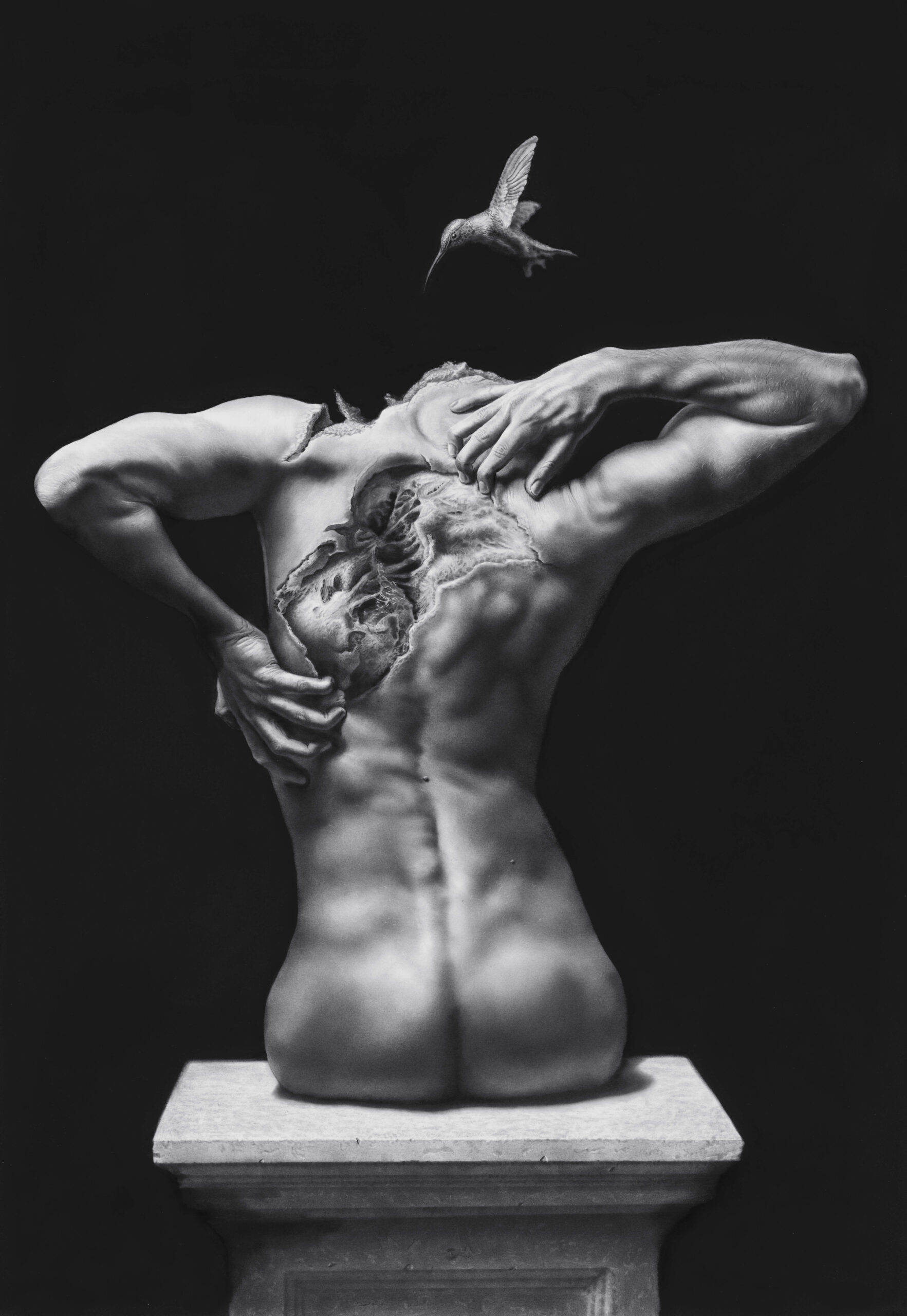
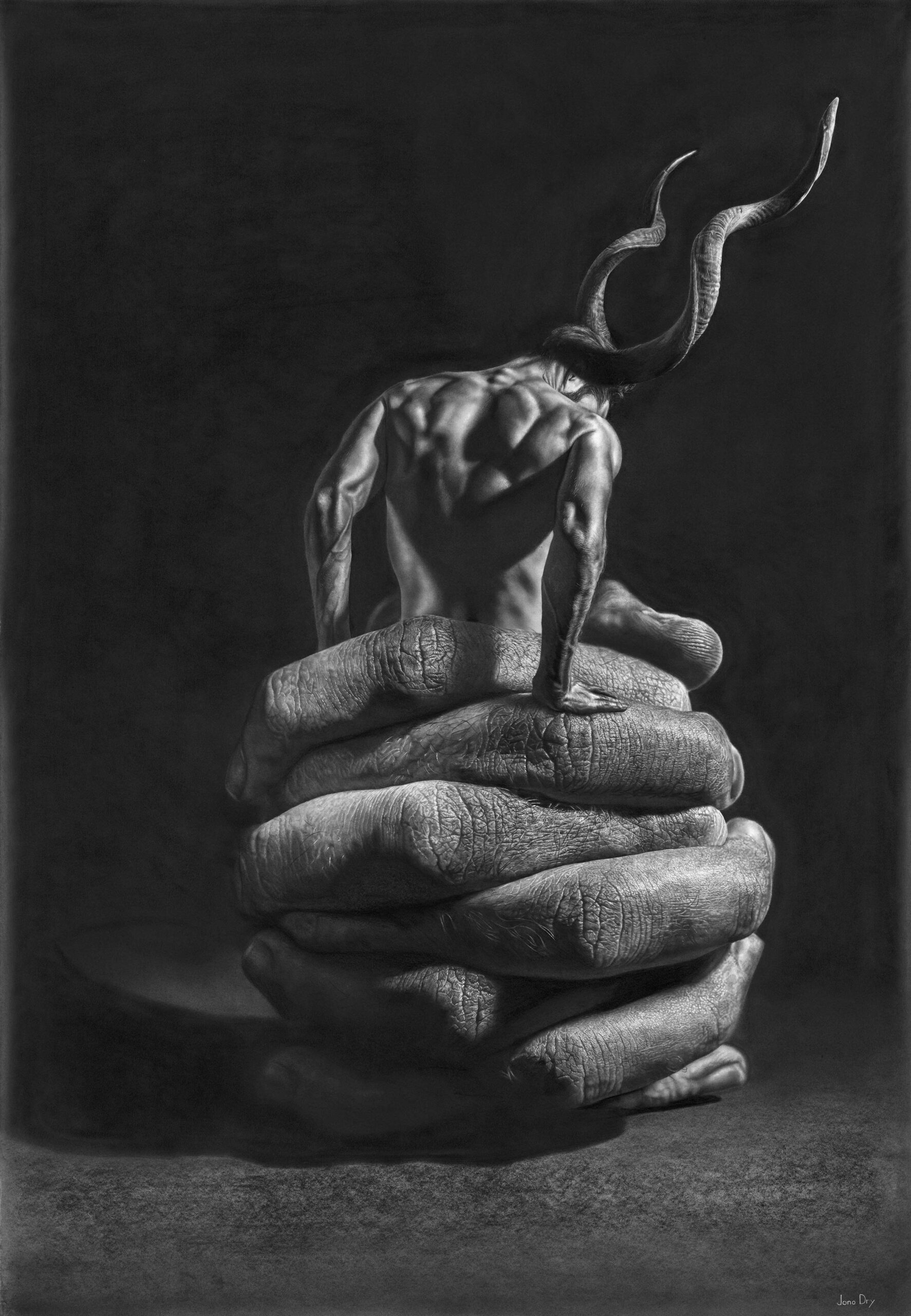
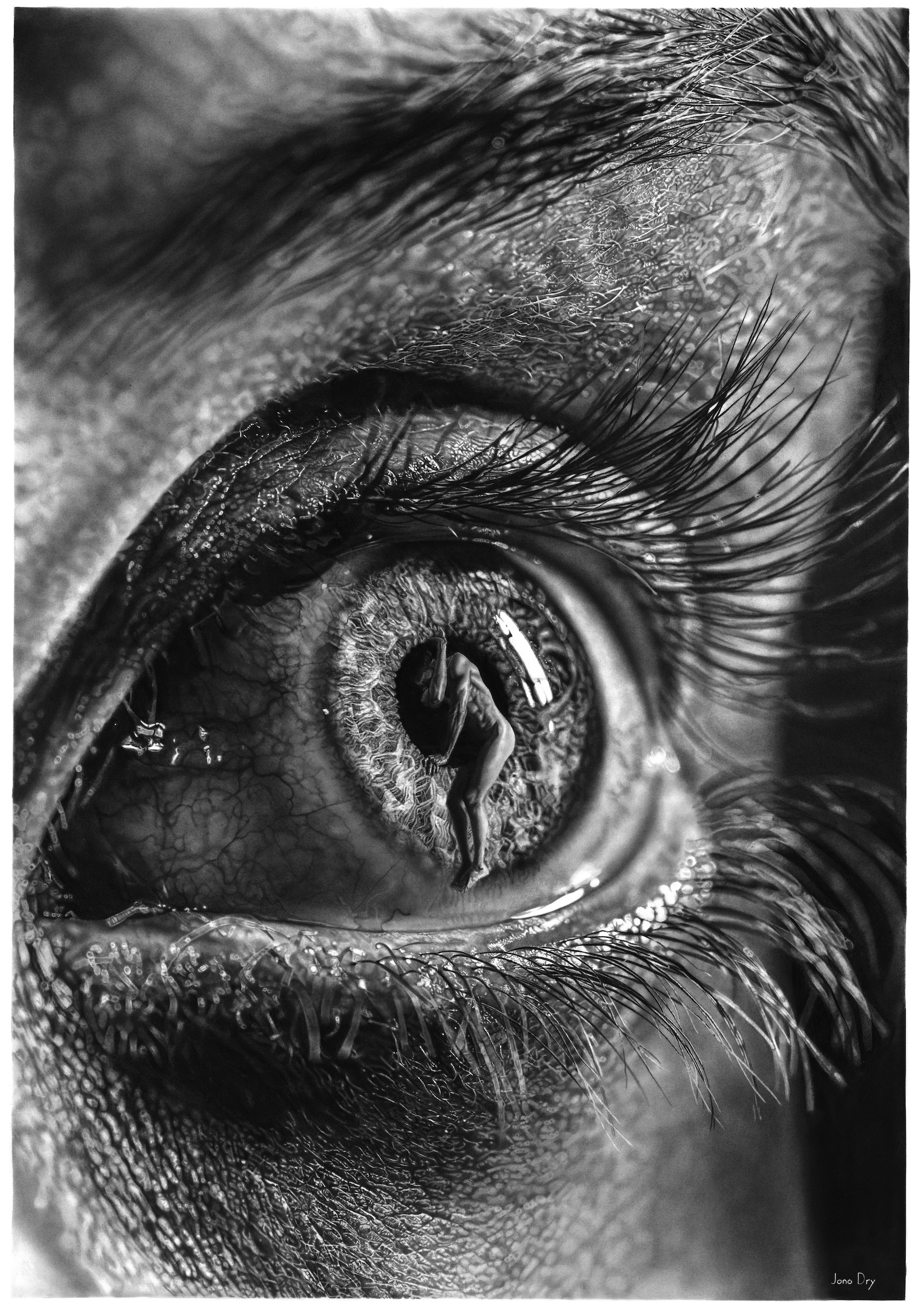
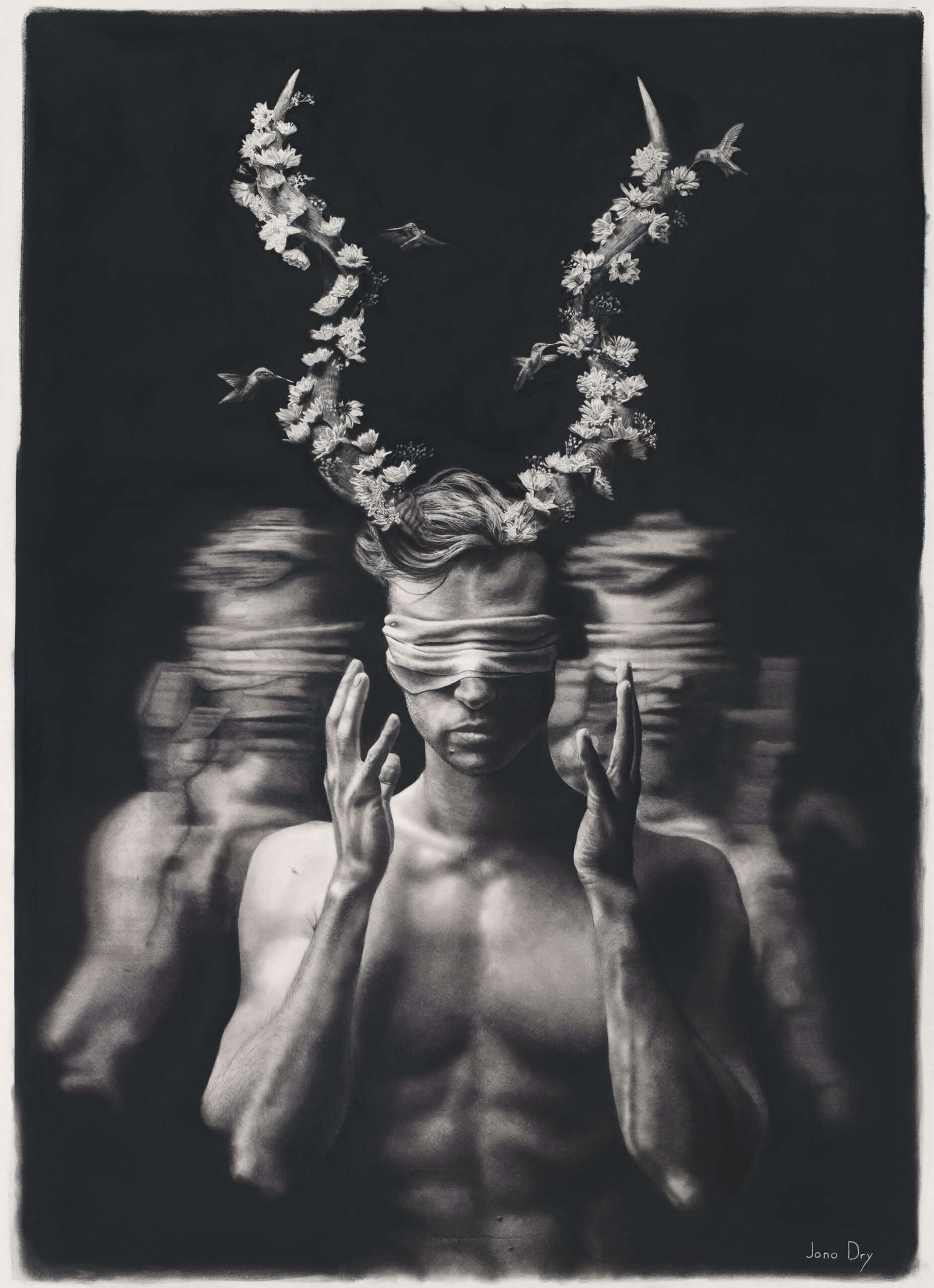
Jono Dry
Jono is a South African artist based in Cape Town whose graphite drawings exist somewhere between hyperrealism and the surreal. They’re sharply detailed, haunting, and emotionally resonant. His work often explores themes of isolation, inner conflict, healing, and memory, weaving in motifs like hummingbirds, bandages, and natural decay to articulate what can’t always be put into words.
Drawing has helped me understand some of the positives of living with ADHD: rather than feeling like I just had an attention deficiency, I found that I could create for hours on end in a deep flow state.
“With ADHD comes a deep fear of boredom or lack of stimulation, making loneliness in particular feel unbearable. Growing up in a house where both my parents were working full-time, I was often left alone, and that sense of panic and loneliness has stayed with me — often shaping my work to depict isolated figures grasping for connection.
Understanding more of how this particular kind of neurodivergence affects how we move through the world has helped me feel less inadequate, rather, just slightly different. I hope that spreading awareness can help others make a similar shift in their judgment.”
— Jono Dry
Follow Jono
Website
YouTube
TikTok
Ryan Walter Wagner
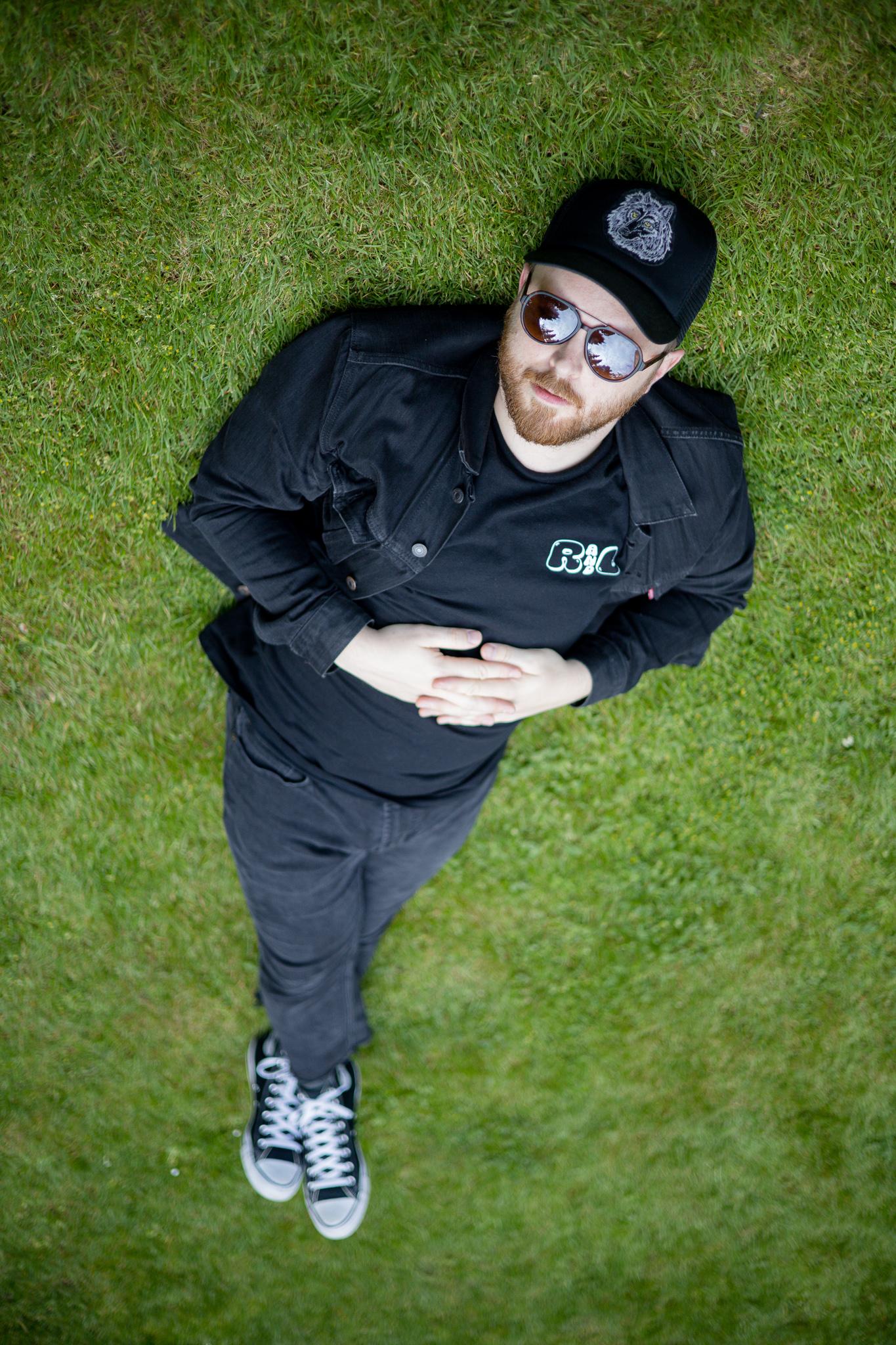
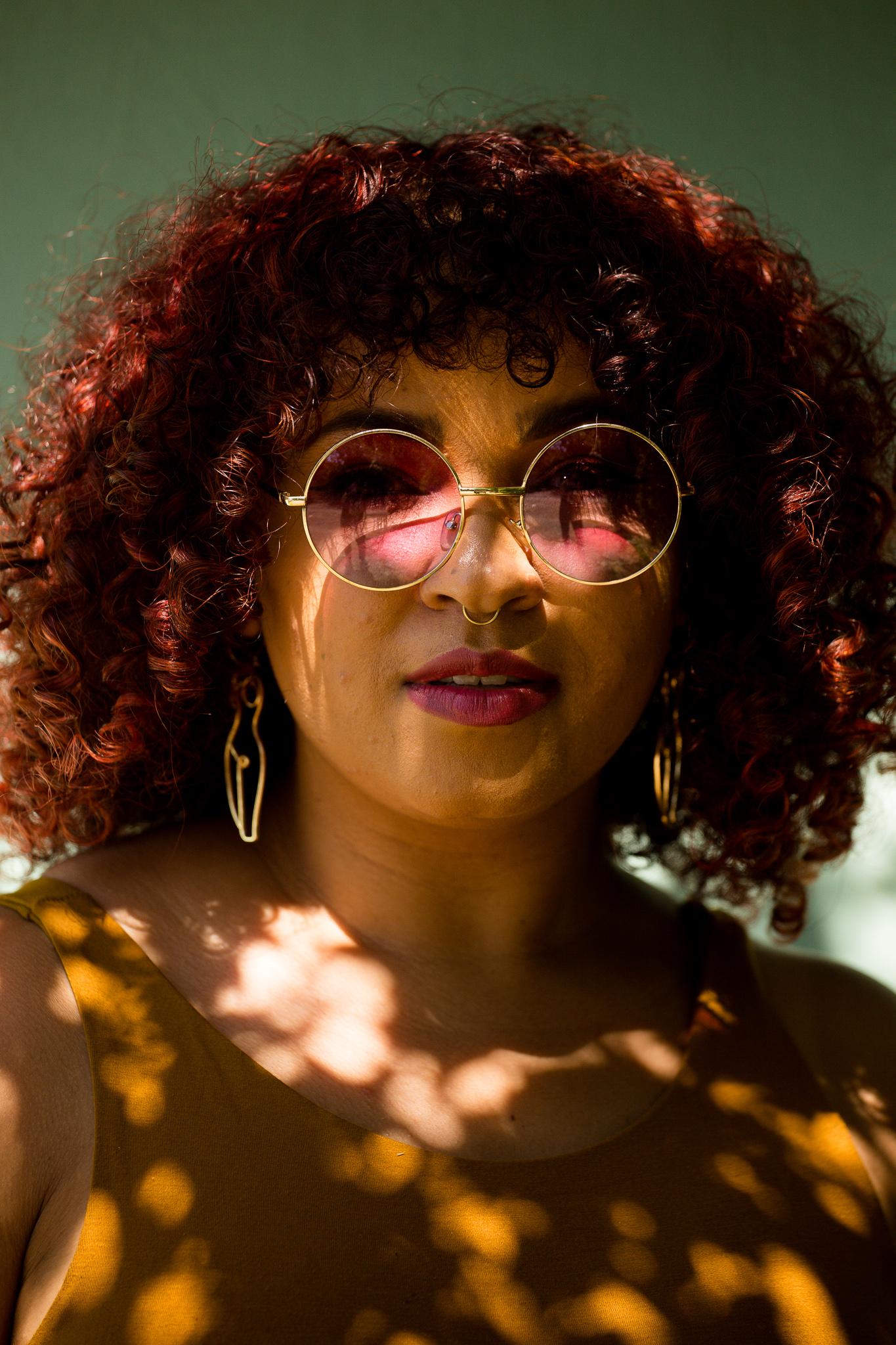
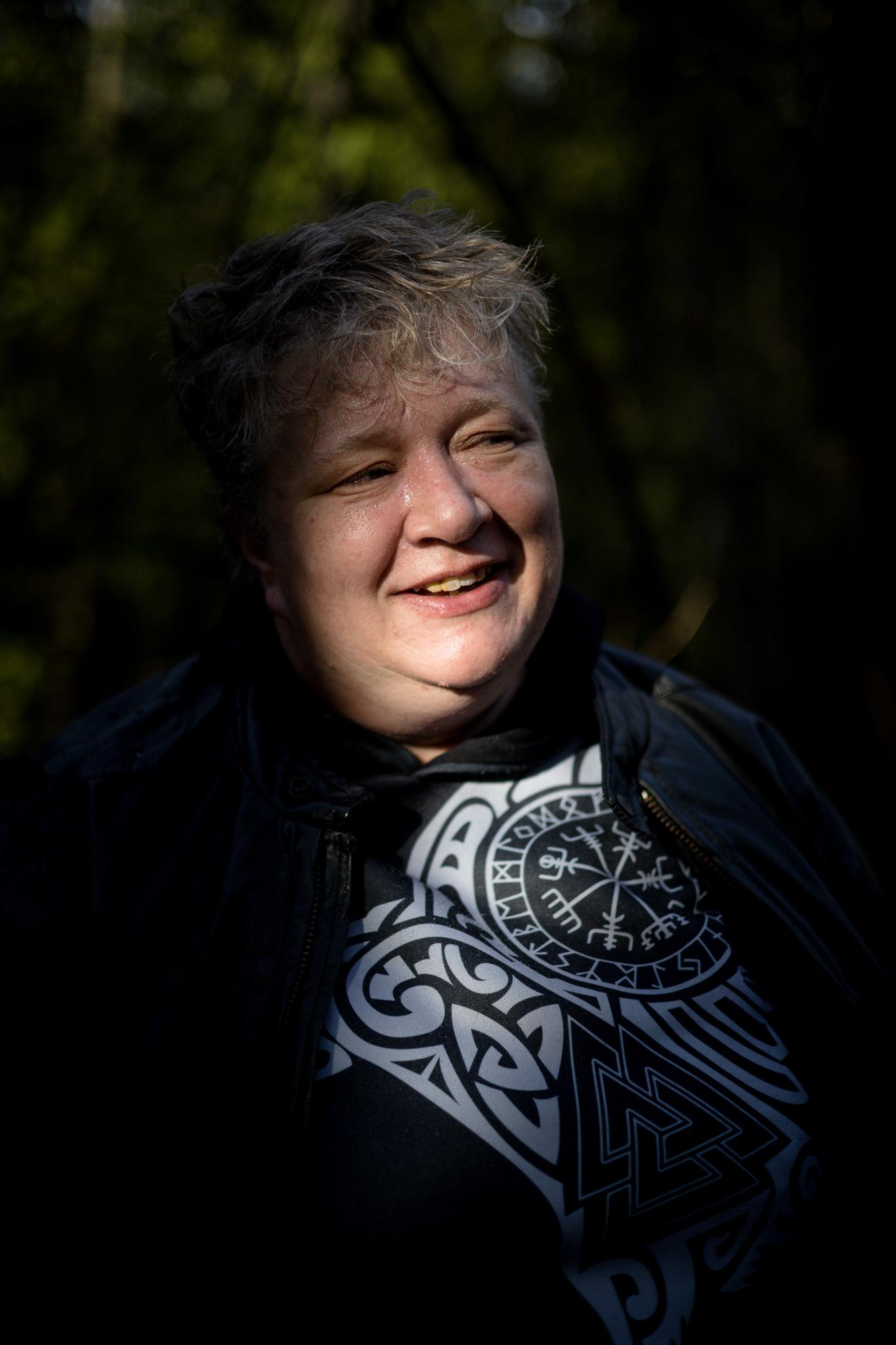
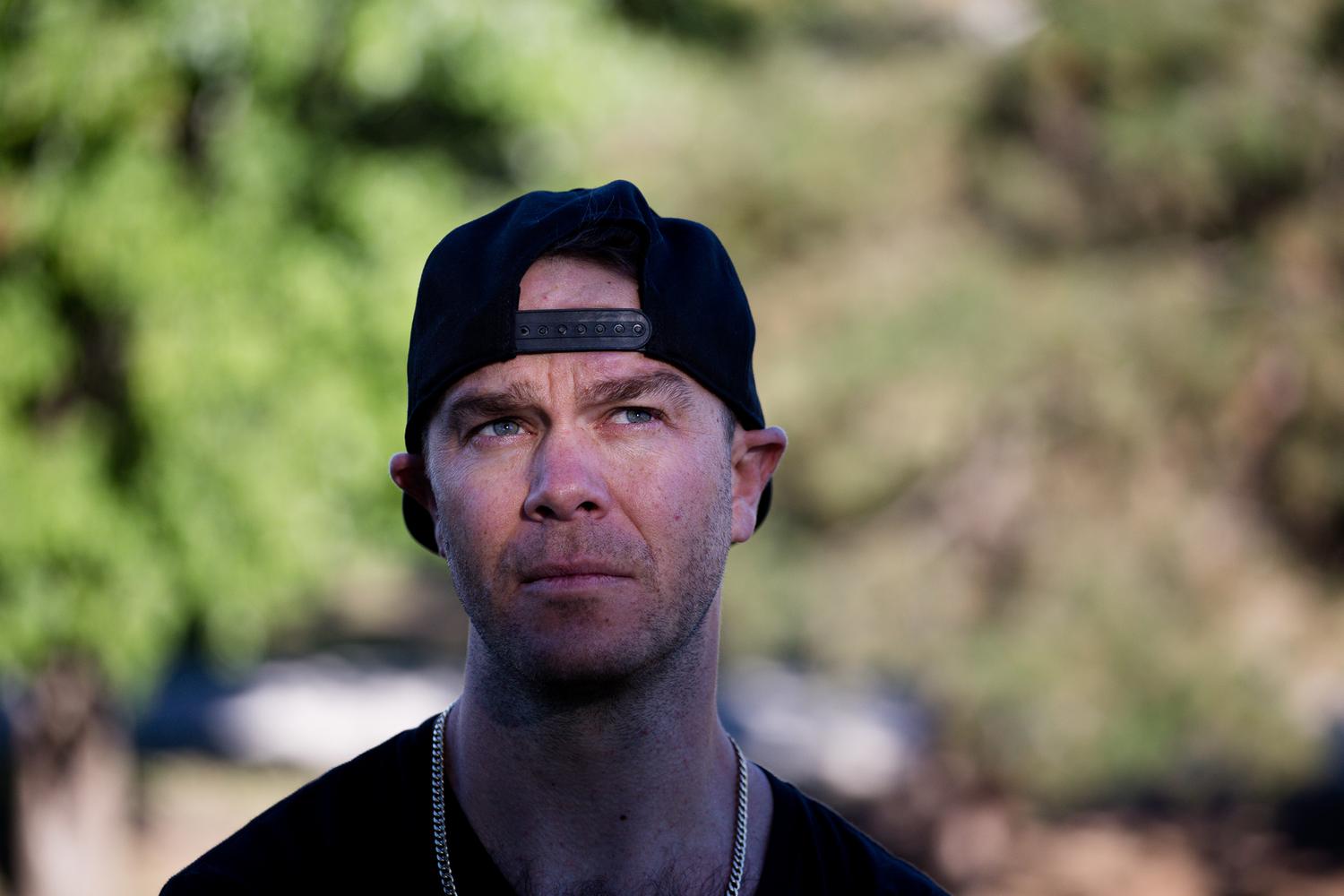
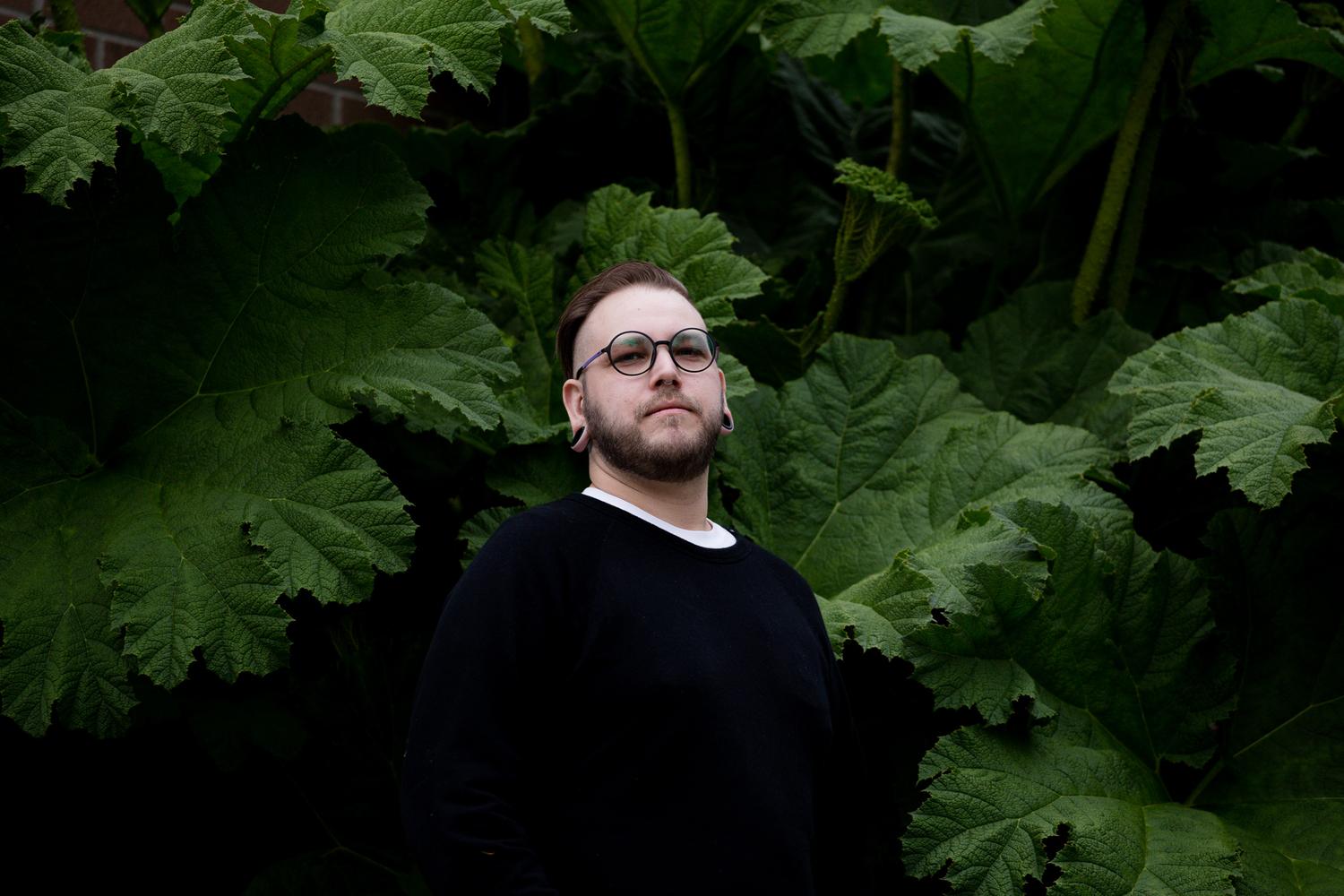
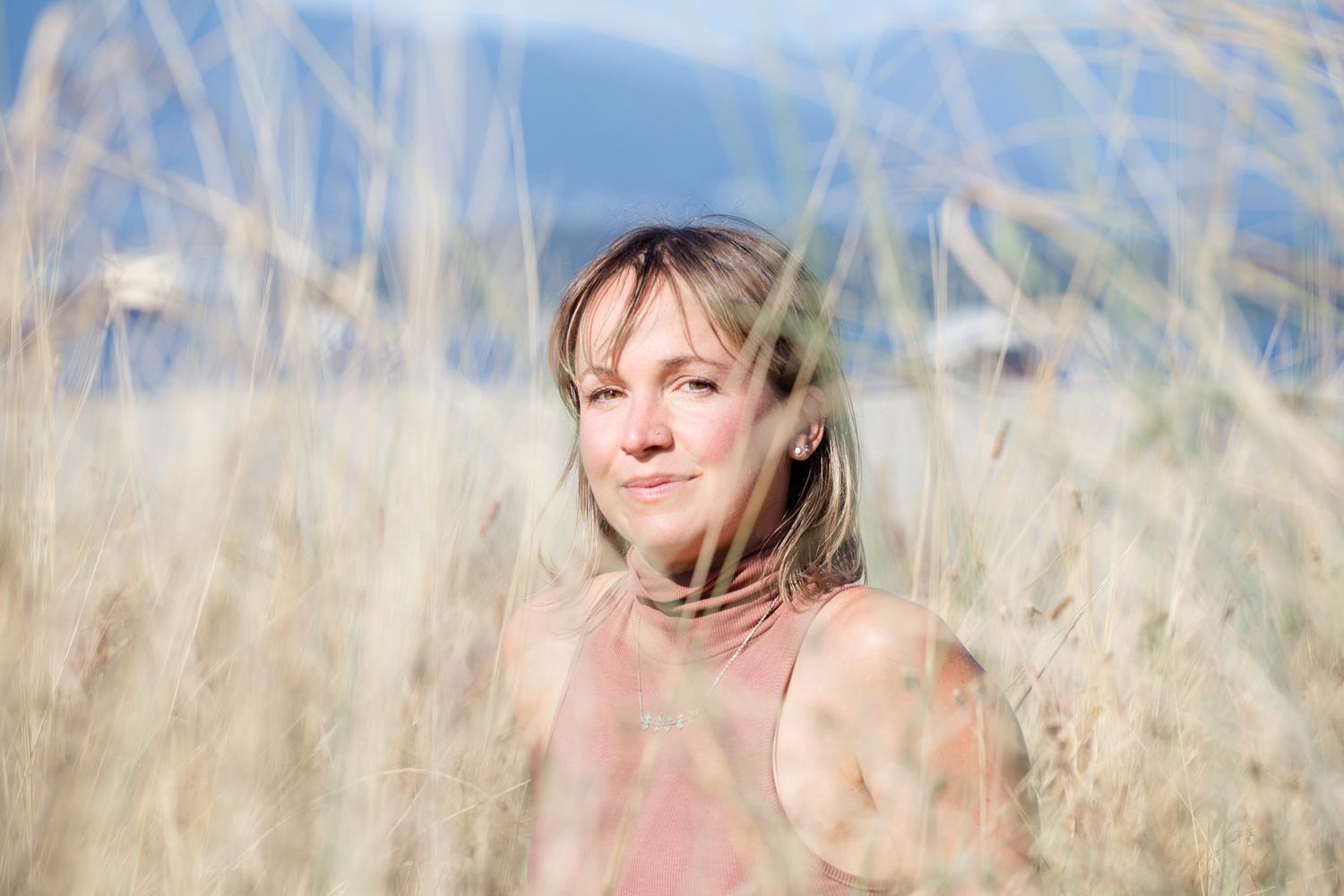
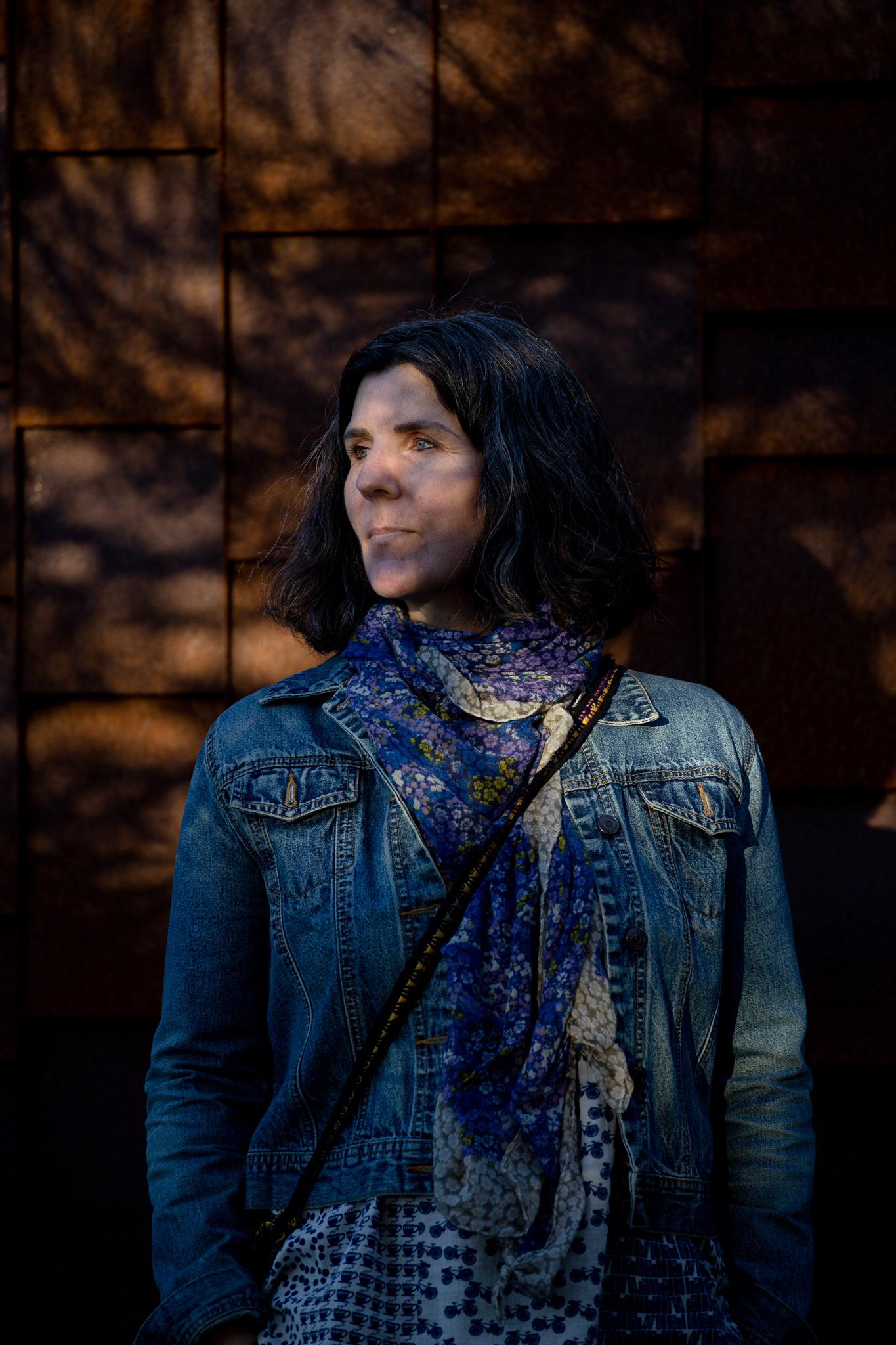
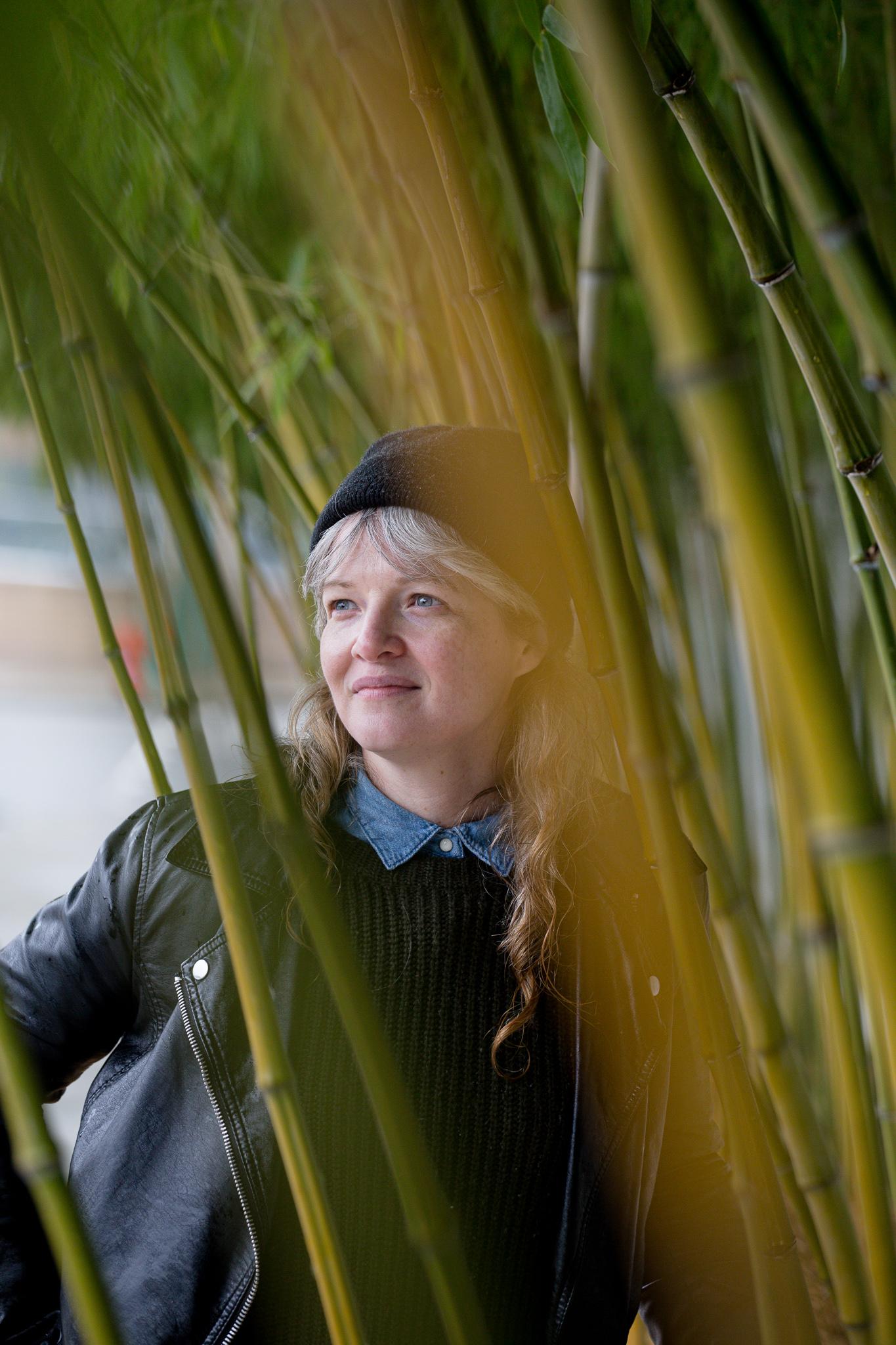
Ryan is a Vancouver-based photographer whose work blurs the line between reality and symbols. His images dwell on fleeting moments, exploring how attention, memory, and time shape perception. Living with adult ADHD, he channels both hyperfocus and distraction into his creative approach. His ongoing “Adult ADHD Portrait Project” turns the lens outward, capturing raw conversations with others who share the diagnosis: a visual conversation about awareness, acceptance, and the beauty of the ADHD mind.
Living with adult ADHD has shaped both how I see and how I create. I try to capture real, unguarded moments — scenes that feel like the camera was never there.
“ADHD gives me an obsessive focus on my work, but it’s also taught me to let go of perfection. My work explores street photography, personal narratives, mental health, and the passage of time. My images often move between documentary and symbolic storytelling, reflecting on attention, loss, and self-awareness.
When I was diagnosed in my forties, I discovered that I had already aged out of most resources, and medication was the only support offered. That pushed me to start a portrait series that opened deeper conversations with other adults living with ADHD. Through those exchanges, I began to understand the condition — and myself — in new ways. This ongoing work is as much about connection as it is about photography. It’s a way to de-stigmatise ADHD, to make space for honesty and imperfection, and to show that there’s beauty in the way different minds see the world.”
— Ryan Walter Wagner
Follow Ryan
Website
Kyla Yager
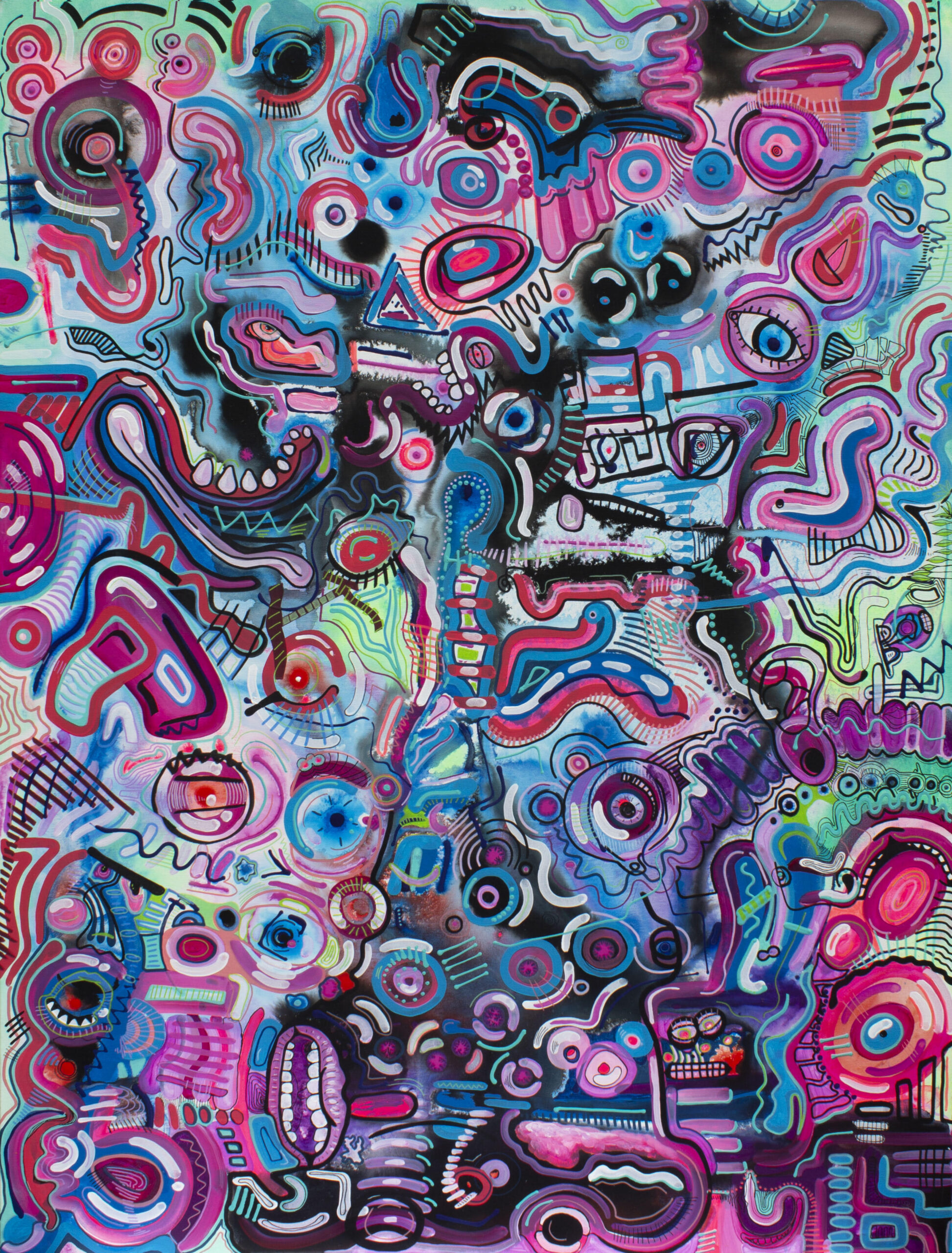
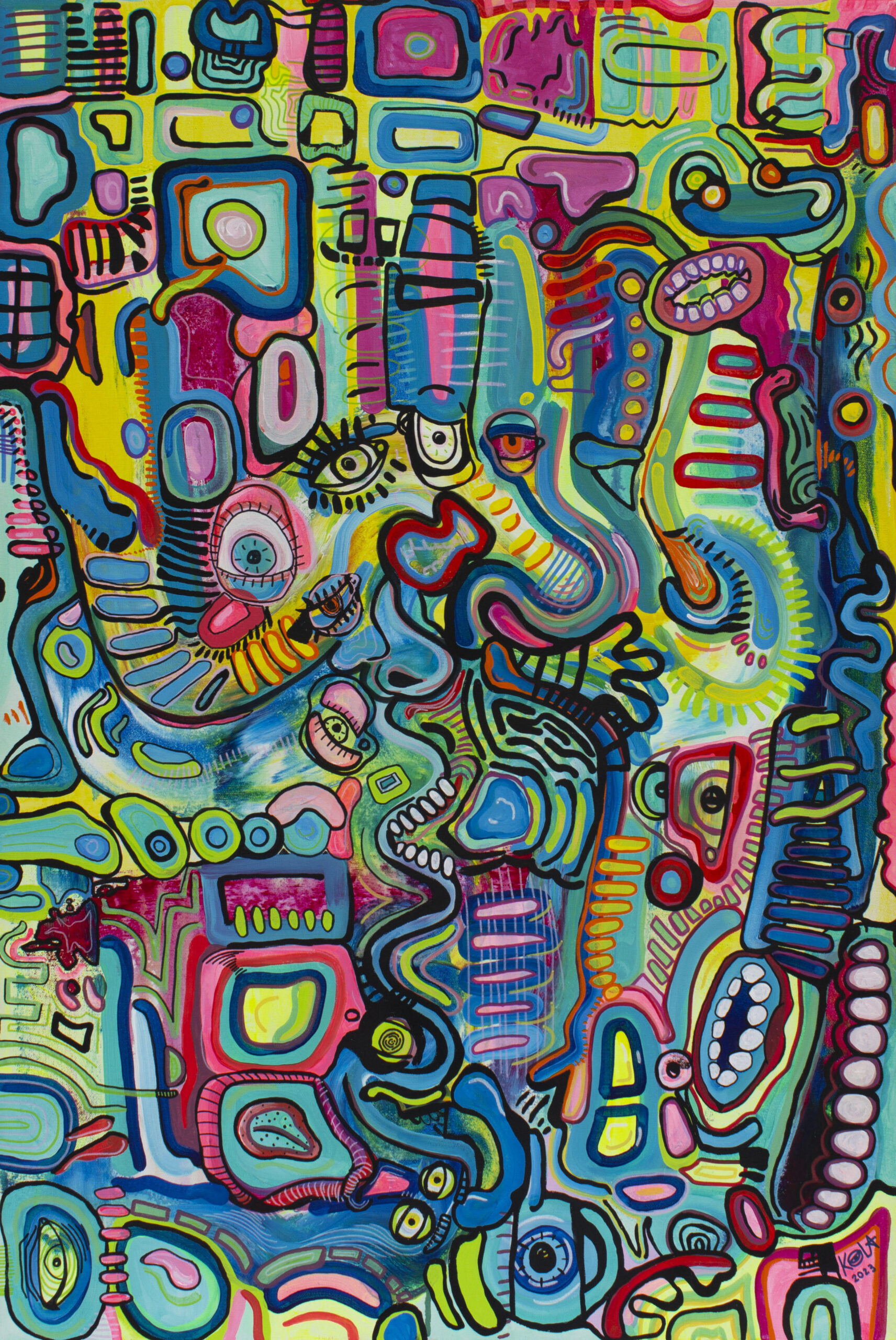
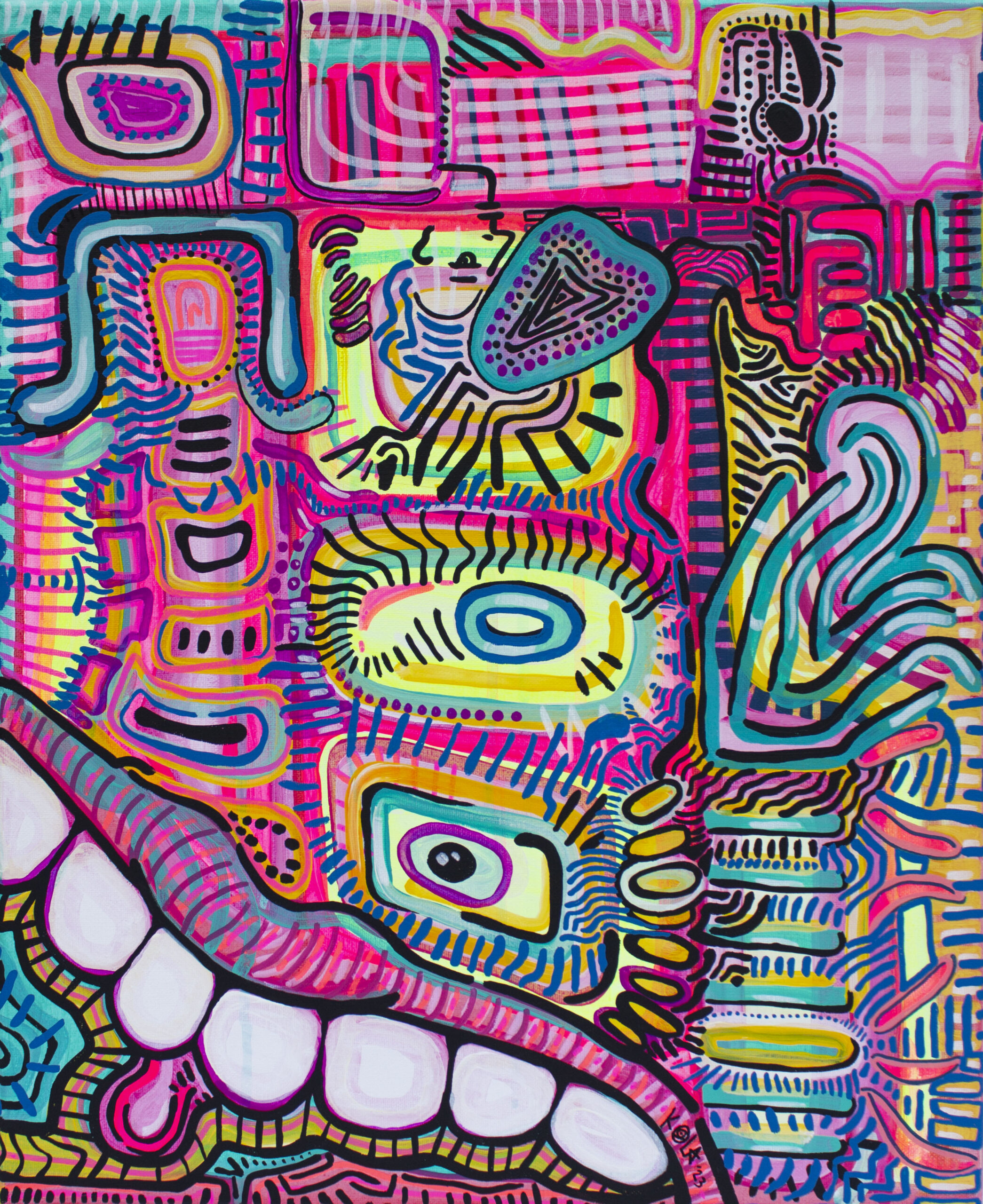
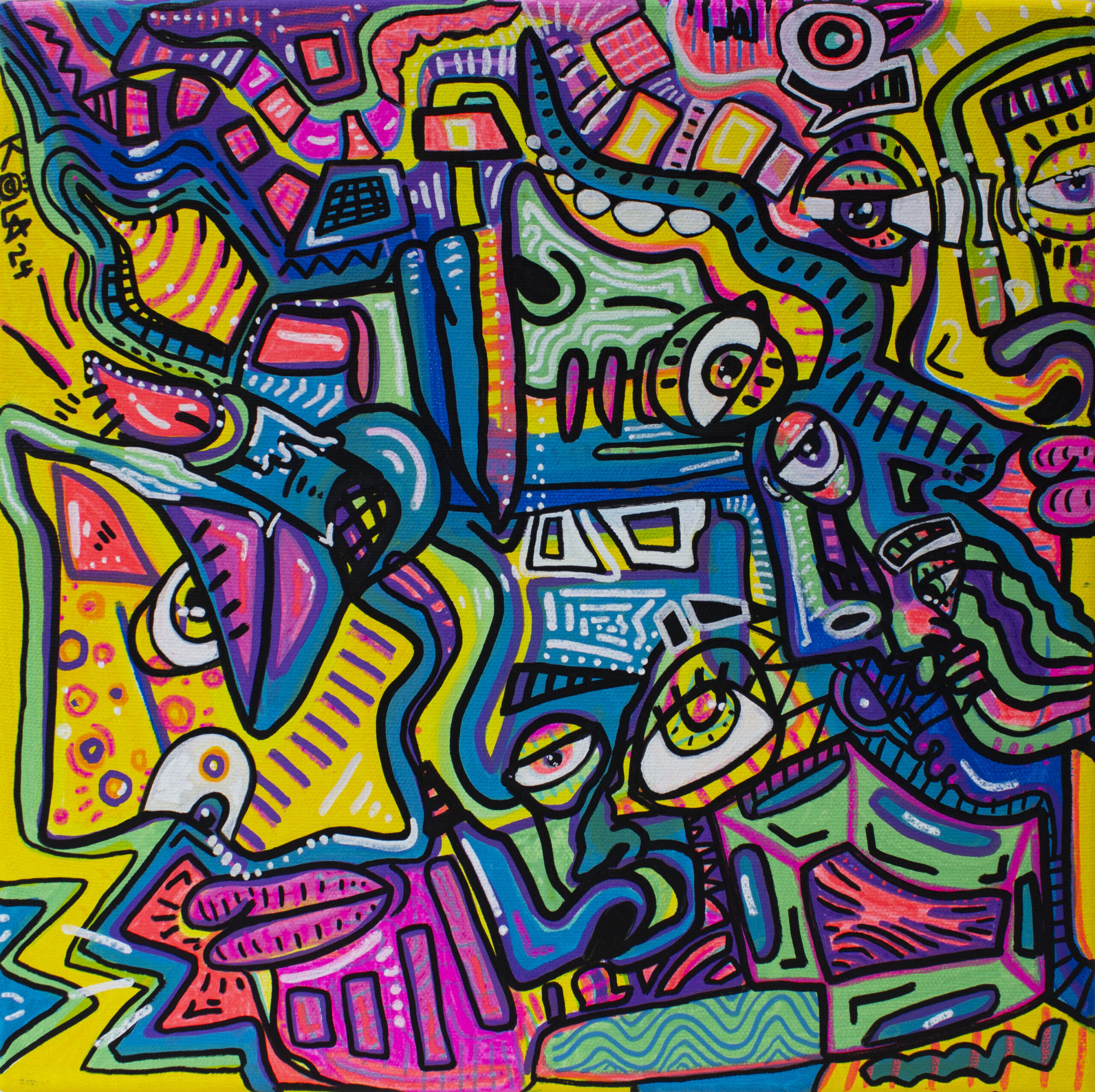
Kyla is a Toronto-based, New Orleans–born visual artist whose vivid, layered paintings translate the inner tempo of a neurodivergent mind onto canvas. Calling her style ‘Intuitive ADHD Art’, she paints as fast as her thoughts move: turning hyperfocus, pattern, and repetition into a form of self-regulation. Her maximalist compositions blend cubism, abstraction, and psychedeliс art, inviting viewers to see emotion as movement and chaos as clarity. For Kyla, ADHD is a creative engine: a way to transform the swirl of perception into artworks deeply personal and connective.
As my thoughts move a mile a minute, so does my paintbrush. By utilising my ADHD within my process, I am able to capture emotion and mindset with layers and hidden imagery.
“Through hyperfocus, I can find calm amidst the chaos, as repetition and pattern are my stimming. This leads to ADHD audiences connecting with my work and to one another through a stimulating viewing experience, allowing a safe space to unmask neurodivergence in front of fine art.”
— Kyla Yager
Follow Kyla
Website
Linktree
TikTok
Jon Hart
Jon is a UK-based fingerstyle singer-songwriter whose music and message are deeply intertwined with his experience of neurodivergence. After being diagnosed with ADHD and autism in adulthood, Jon turned his creative process into self-exploration: his 6th album “Neurodivergent” and companion podcast, “The Neurodivergent Musician”. Through “guitar therapy,” Jon transforms overstimulation into melody, translating inner turbulence into sound. Today, he mentors neurodivergent musicians, advocates for mental health, and continues to transform vulnerability into strength — one chord at a time.
My dyslexia was diagnosed at university in 2004, but it wasn’t until a mental health crisis in 2021 that I discovered I’m also ADHD and autistic. That began my unofficial degree into my own brain.
“My album ‘Neurodivergent’ and podcast ‘The Neurodivergent Musician’ became awareness projects by accident. I created them in real time, processing through music instead of holding everything in my head and body. Luna, my guitar, is my best friend and therapist. I don’t chase songs or expectations; I just translate what I feel.
I experience everything in multi-coloured stereo, while society often asks us to tune into mono. That’s why my work is raw and unfiltered. On the podcast, I only invite people I’ve met on my journey and leave our conversations unedited. I also use Guitar Therapy on TikTok to calm my nervous system and connect with others who feel the same. Now I’m working on my 7th album ‘Metamorphosis,’ and a book about neurodiversity and creativity. I have even renamed my traits: ADHD is a creative spark plug, Autism is a creative sculptor, and Dyslexia is a creative problem solver to move from surviving to thriving.”
— Jon Hart
Follow Jon
Website
TikTok
Nora Nord
Nora Nord is a London-based Norwegian photographer whose work reframes how we see ADHD. Diagnosed in her early twenties, she describes the moment as both liberating and disorienting:
I wondered why I couldn’t focus or finish things, and why everything I did was last-minute, and I think many people with ADHD still feel this.
“Due to the fact that there is a lack of both understanding and easily accessible support, the work comes on us to find our own language and figure out how we want to move through the world.”
— Nora Nord
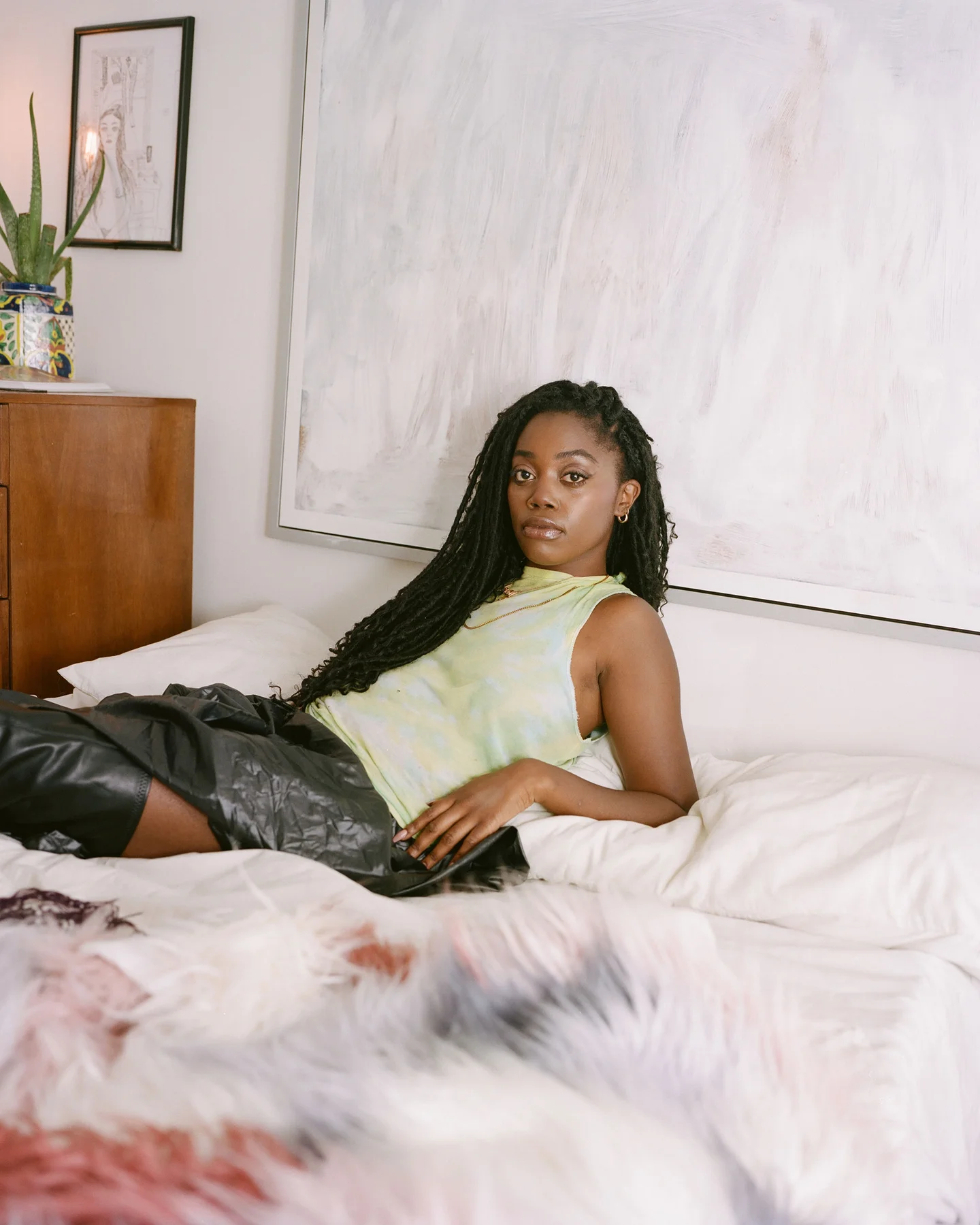
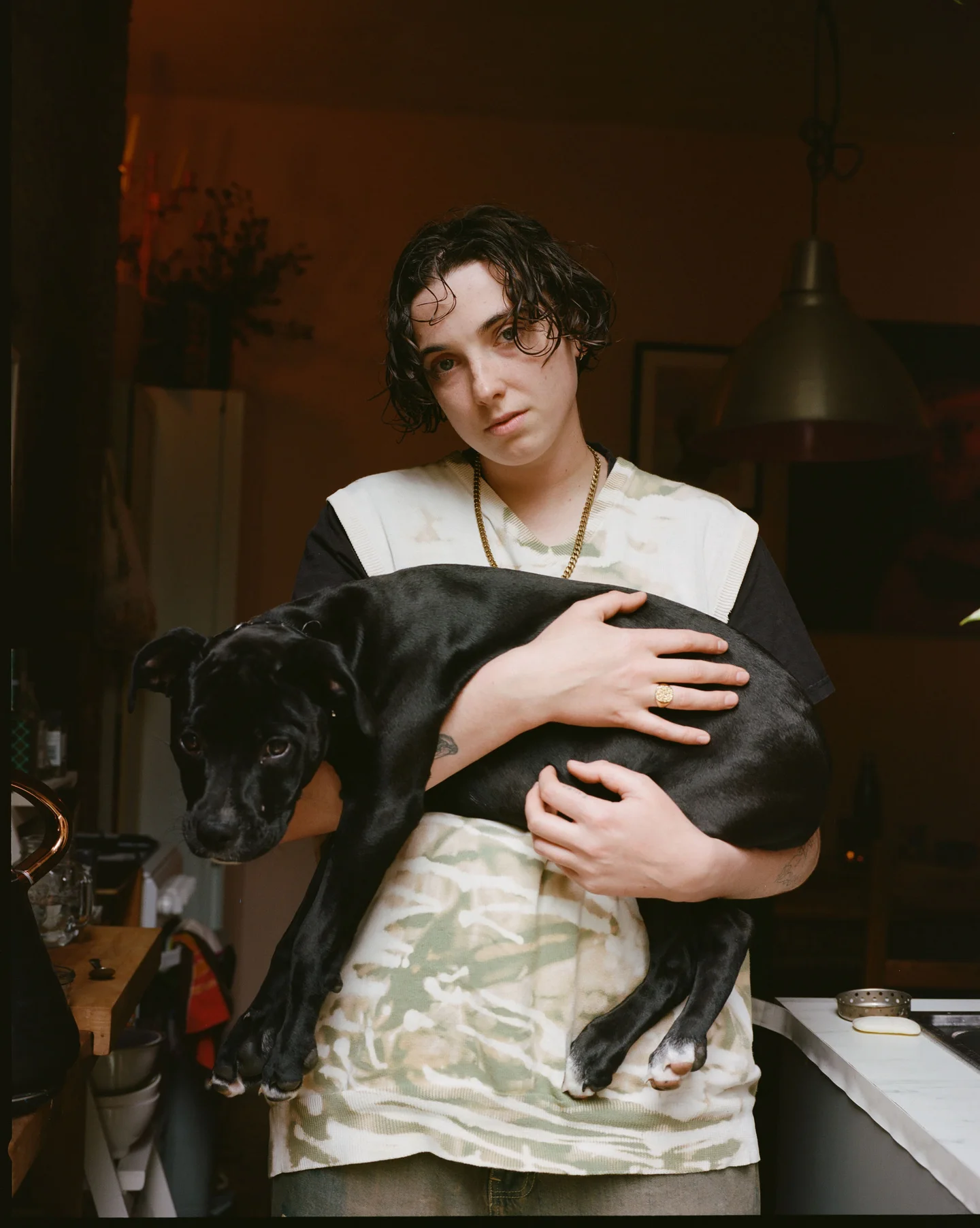
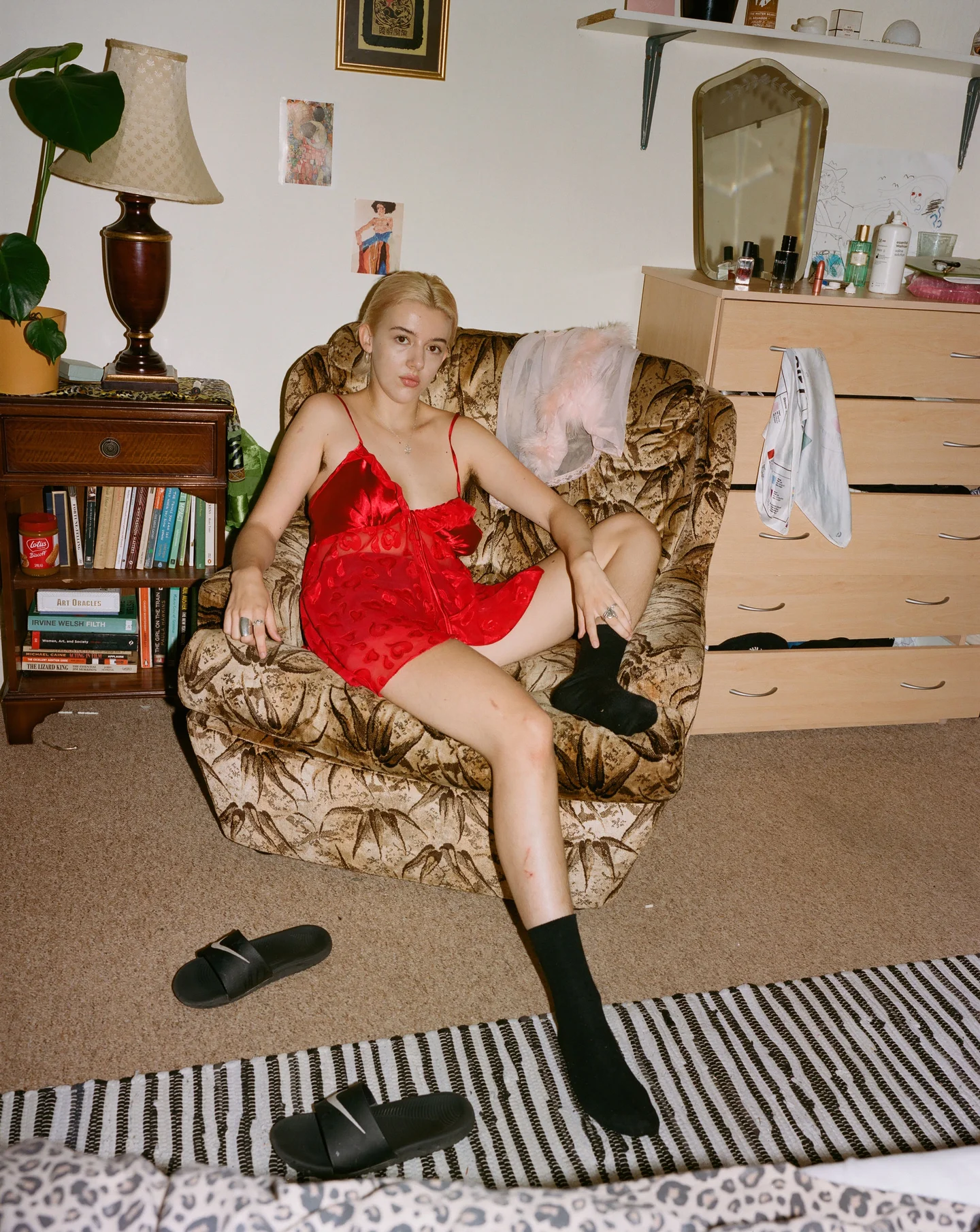
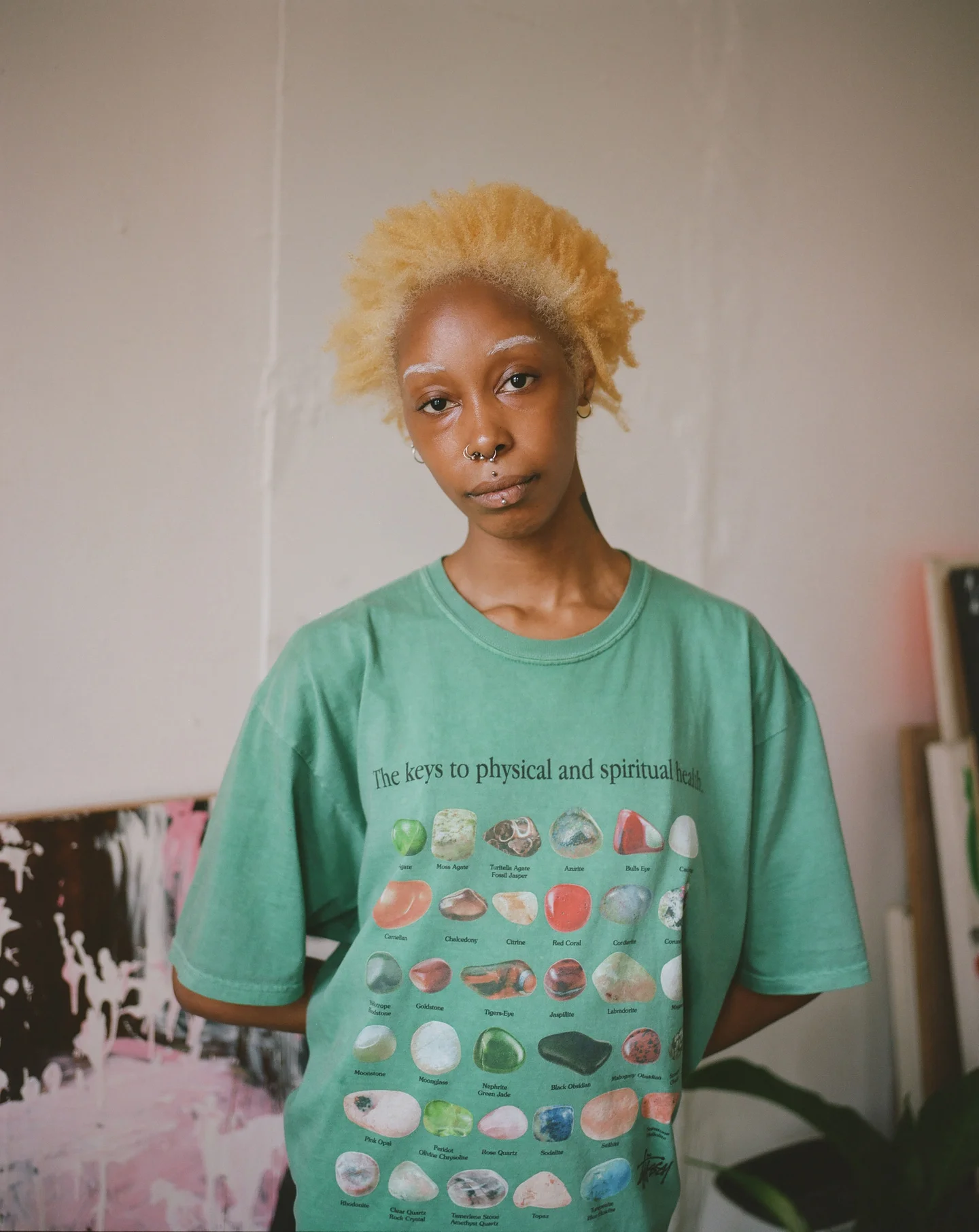
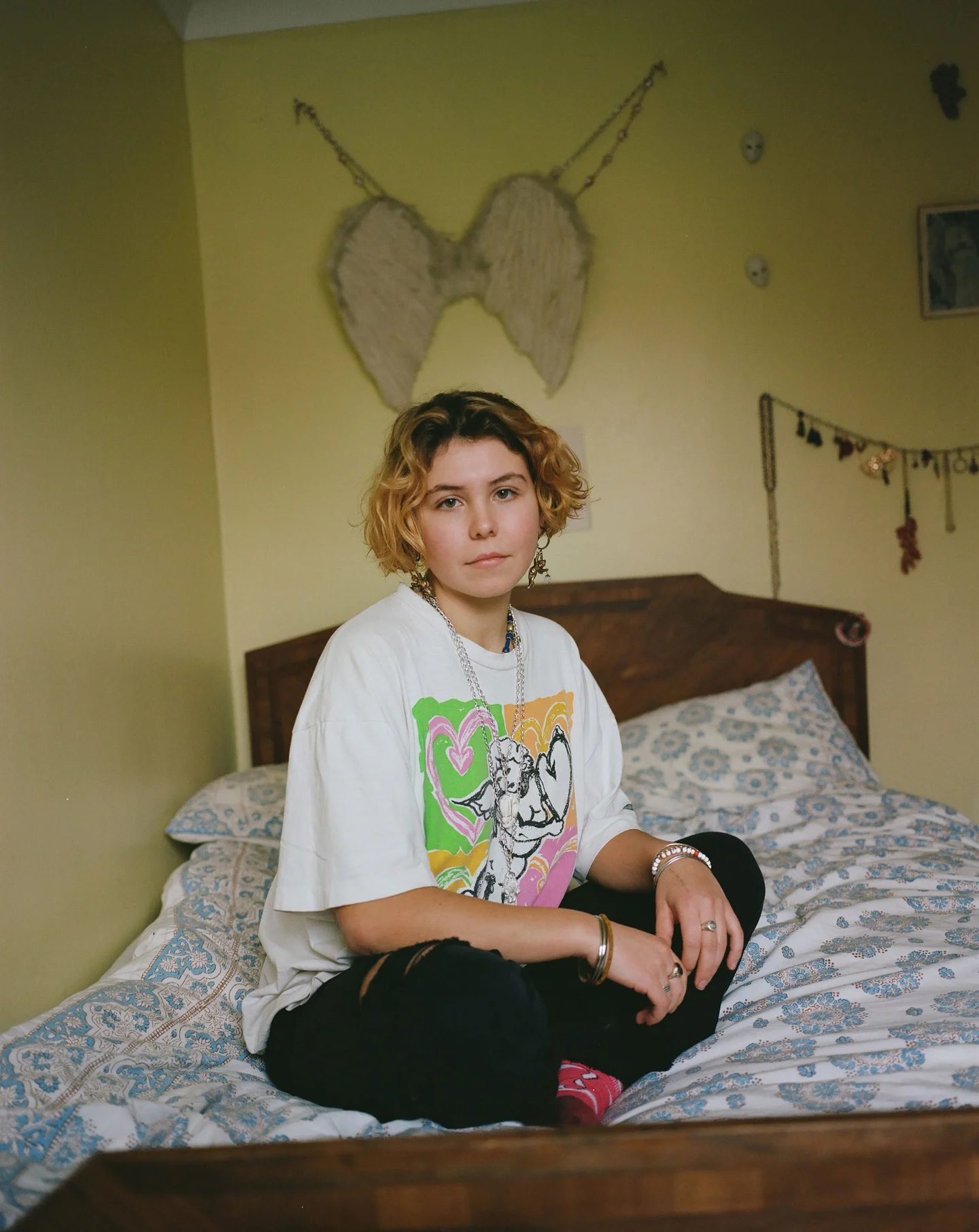
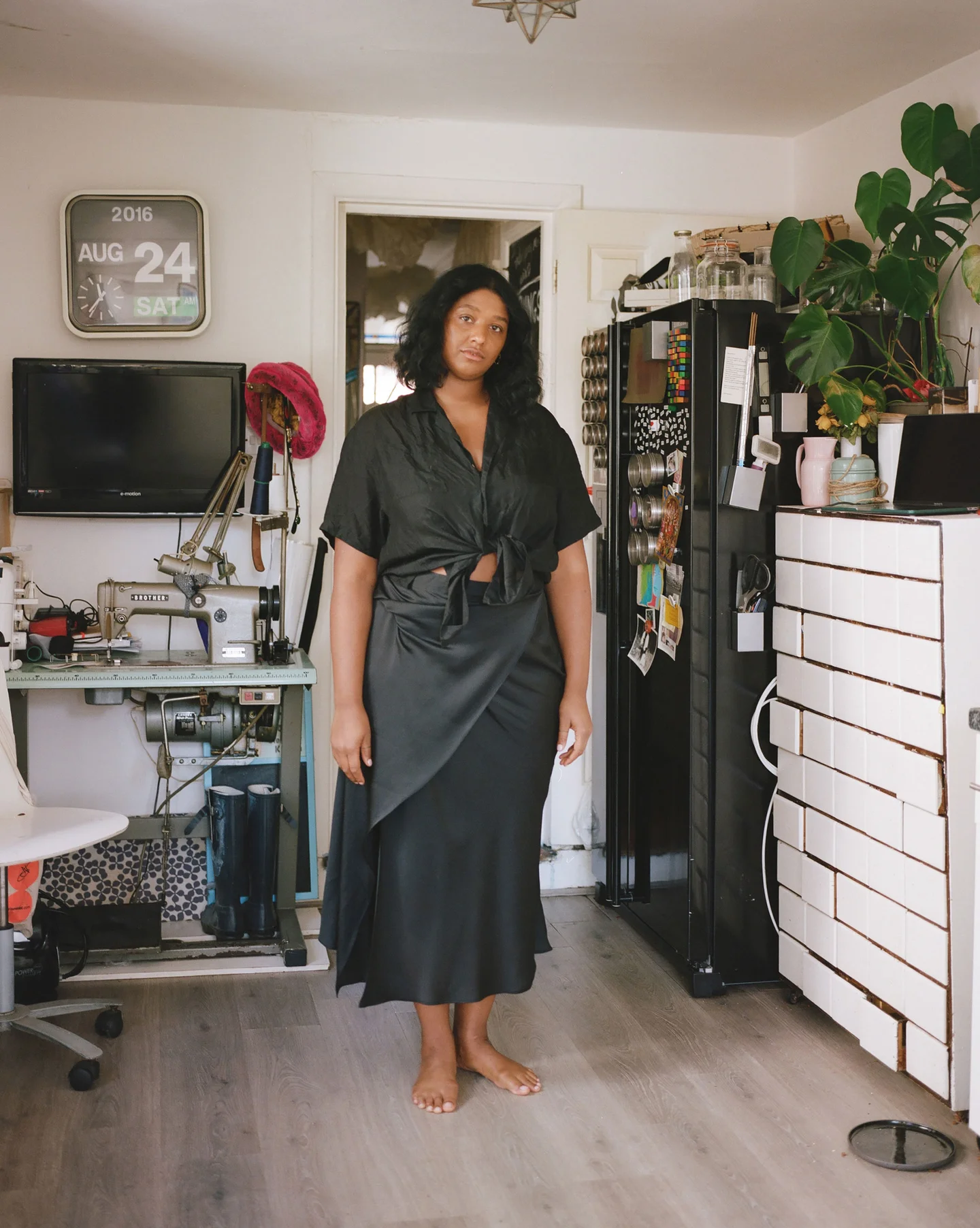
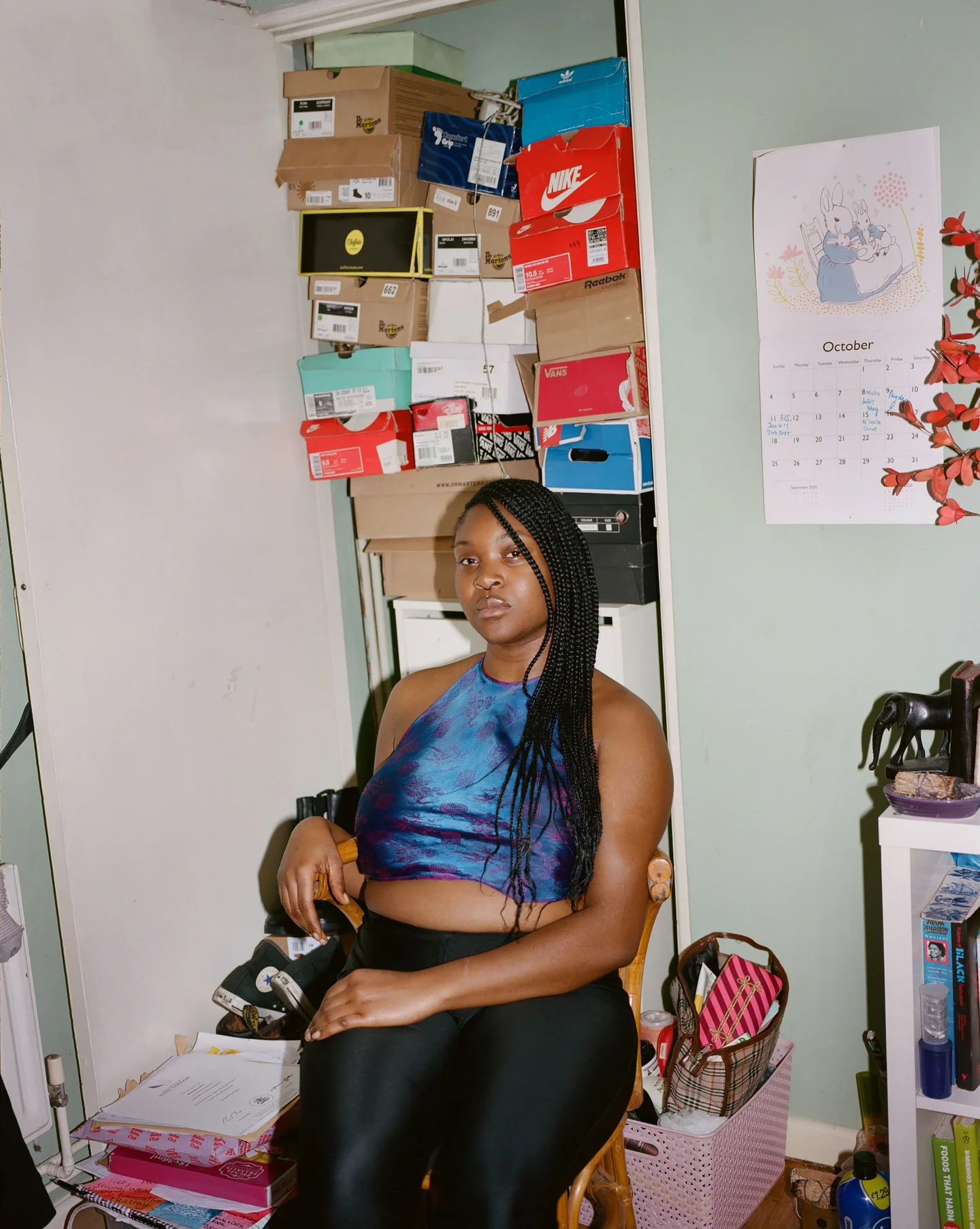
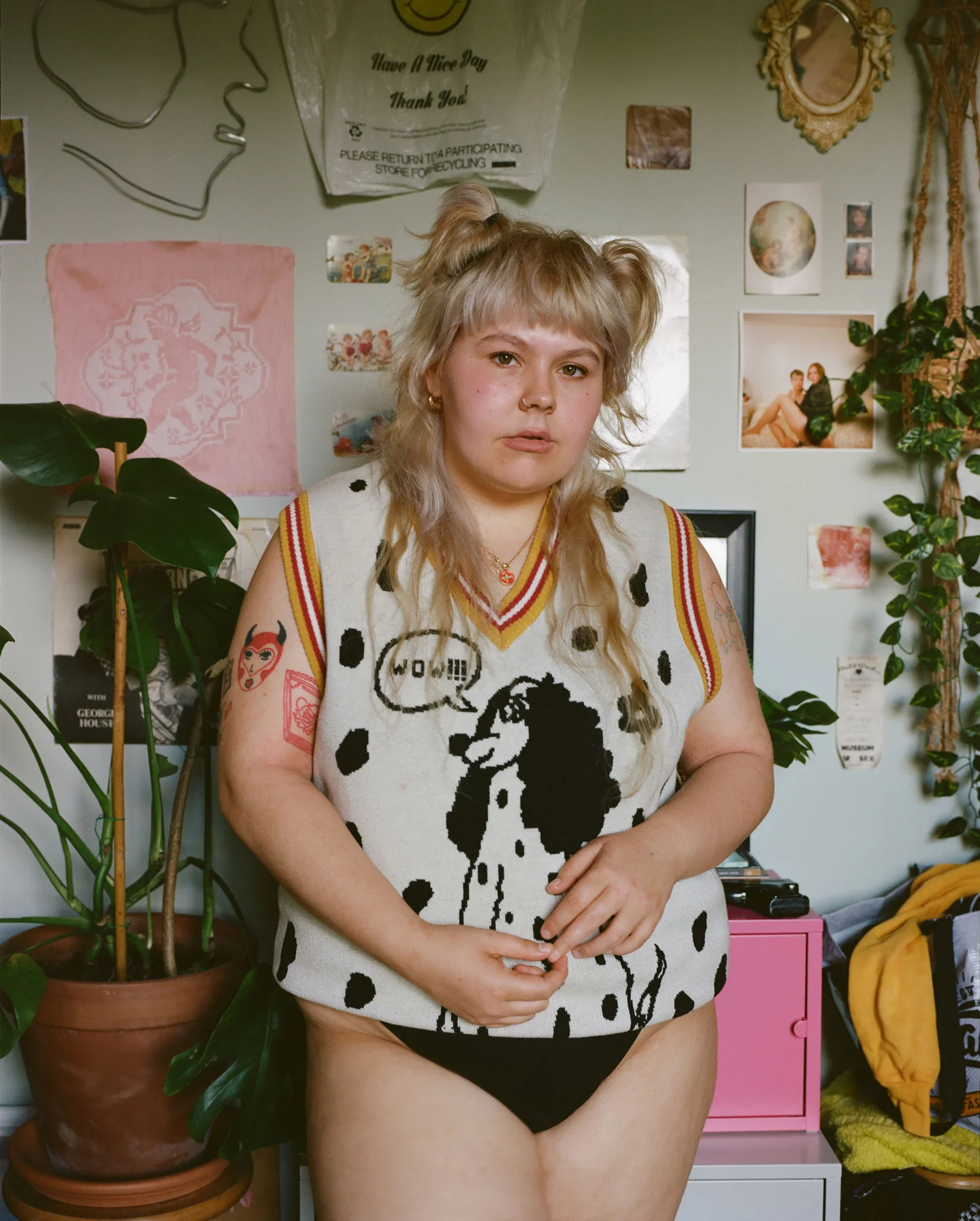
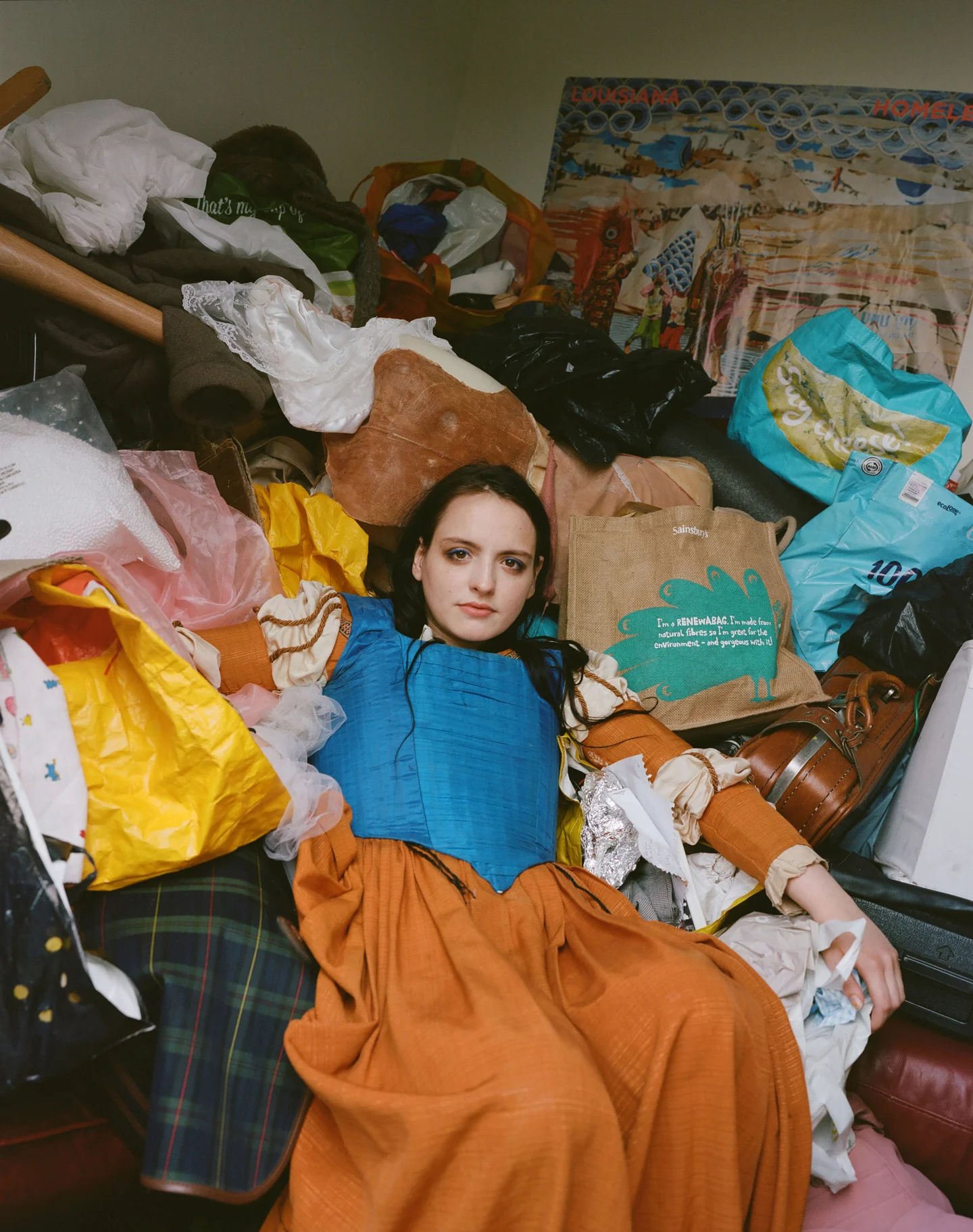
As a queer woman with ADHD, she found herself outside the dominant narrative. Her response was to start photographing friends and strangers with ADHD, creating an ongoing portrait series that captures what the condition really looks like every day. Her images — soft, candid, often set in uncleaned bedrooms — reveal vulnerability and the beauty of imperfection, showing how personal environments mirror neurodivergent minds.
The project has since grown into a community and a movement. Through her podcast “You & Me: Let’s Talk About ADHD”, Nord continues those photo conversations in sound, inviting guests to share how they navigate diagnosis, creativity, and identity. Nora describes the work as “building a messy, big, beautiful house” — a space where people can find themselves in the corners and drawers. For her, it’s also an act of self-acceptance: a way to take up space, name needs, and show that difference can be both grounding and generative.
Follow Nora
Website
Threads