Reading Navigation


This content is grounded in peer-reviewed research, clinical guidelines, and established best practices. Claims are reviewed for accuracy and transparency. Learn more about our evidence standards
Ketamine Clinics in the UK: Integrating Medicine and Psychedelic Healing
The UK is currently in the midst of a mental health crisis, with an estimated 9.4 million adults1 in England living with a common mental health condition.
Alongside psychotherapy, conventional treatment options for depression such as serotonin re-uptake inhibitors (SSRIs) do not work for everyone and can have side effects, creating an urgent need for alternative solutions.
Ketamine has been approved for medical use2 as an anaesthetic and analgesic since the 1970s. However, increasing research shows that ketamine may have benefits when used for mental conditions and as a fast-acting antidepressant3.
While the long-term efficacy of the treatment is still being researched, ketamine now presents an alternative option for those who are not responding to conventional treatment. This has led to a number of ketamine clinics being established across the country.
But how to get started with ketamine therapy? What to look for when choosing a ketamine clinic?
This article provides practical guidance on what to check for when considering ketamine therapy and an up-to-date directory of established UK clinics.

Discover Expert Help, From Top Professionals

 London, United Kingdom
Ketamine-assisted therapy for treatment-resistant mental health and addiction

 Gozo, Malta
 Evidence‑based ketamine‑assisted psychotherapy retreat Hive Bio on Malta.
What Is Medical Ketamine Therapy?
Studies show that ketamine treatment may improve symptoms of depression4, post-traumatic stress disorder (PTSD5), anxiety6 and addiction7.
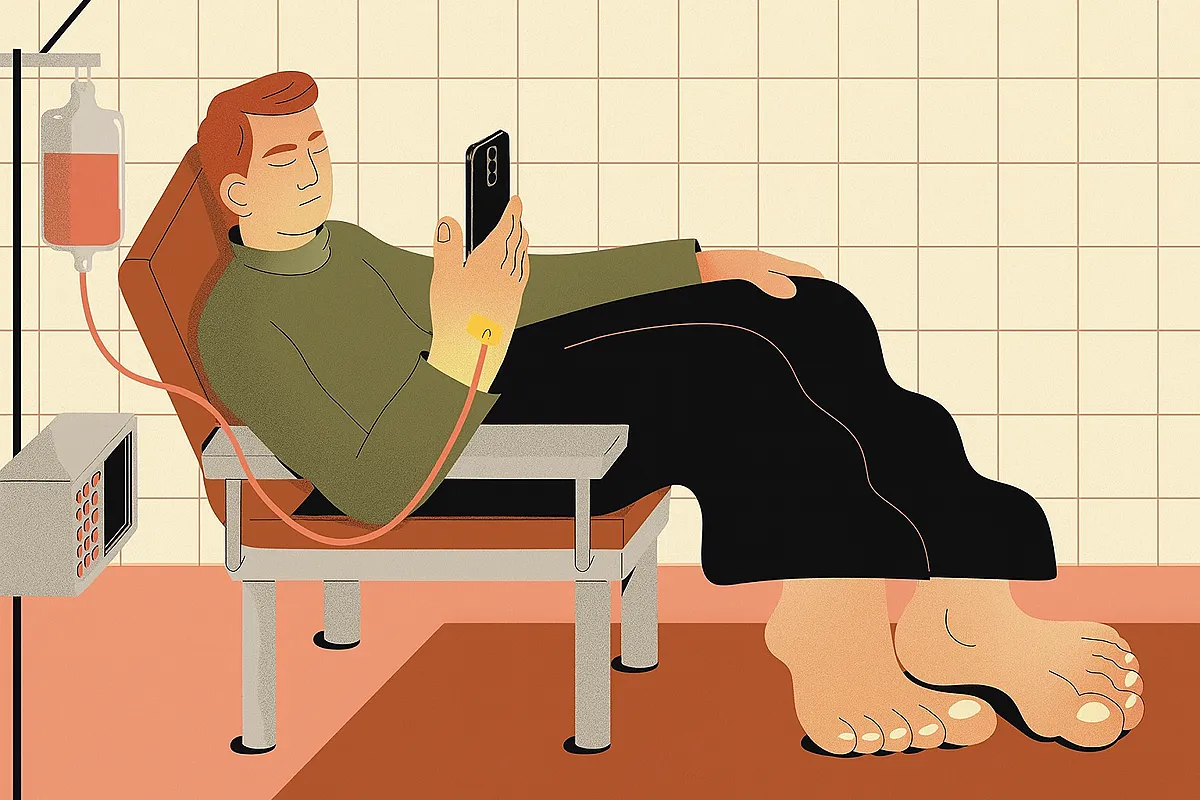
Medical ketamine therapy for these conditions is a legal, medically-supervised treatment, often administered via IV infusion by a medical professional in private clinics. It is only prescribed when a person has failed to respond to several conventional treatments.
While ketamine is only licensed to be prescribed for pain relief and as an anesthetic, it can be prescribed “off-label” for the treatment of depression by a qualified prescriber who is registered with the General Medical Council (GMC).
"Off-label use" refers to the practice of prescribing an approved medication for a different purpose than its original regulatory approval
Unlike traditional antidepressants that target serotonin, ketamine works by blocking NMDA receptors, triggering a release of glutamate that promotes synaptic plasticity — essentially helping the brain to ‘rewire’ neural pathways disrupted by chronic stress and depression.
Legal ketamine infusions are sometimes administered alongside psychotherapy and integrative support. While the National Institute for Health and Care Excellence (NICE) has not yet recommended ketamine for NHS funding, the sector is still somewhat regulated. The Royal College of Psychiatrists (RCPsych) has issued clinical recommendations governing the safe use of ketamine for psychiatric disorders, mandating that treatment be delivered by qualified specialists in settings equipped for physical and psychiatric monitoring.
Ketamine-assisted psychotherapy is sometimes delivered with a psychedelic therapy-informed approach, incorporating holistic care and pre- and post-integration, where the patient will work with a psychotherapist before and after their treatment.
While continued trials are always needed, some research suggests that this ketamine-assisted psychotherapy8 may produce improved outcomes.
A form of ketamine (esketamine) is approved and licensed for the treatment of depression in the UK as a nasal spray (brand name: Spravato), but has not been approved for NHS funding, and must be generally paid for privately.
Special note that medical ketamine therapy differs greatly from recreational ketamine that is illicitly used as a street drug. Medical ketamine therapy is administered in a protocol of low doses over a set period of time, under strict medical supervision, and in a clinical setting by a medical professional with the correct risk assessments and procedures in place.
Checklist: What To Look For When Considering A UK Ketamine Clinic
If you are considering ketamine treatment it is vital to consult with a healthcare professional to see if you qualify for the therapy and if it is the right option for you and your personal circumstances.
Here’s a helpful safety checklist if you are considering a ketamine clinic in the UK.
Safety and Expertise
Choosing a ketamine clinic with the correct expertise, qualifications, registrations and licences is paramount.
Ensure that clinic staff have relevant medical qualifications and that the person administering the treatment is a doctor or registered nurse or nurse practitioner.
While there is no official qualification for the administration of ketamine for depression, healthcare professionals must be able to demonstrate that they are competent in the diagnosis of treatment-resistant depression and in administering off-label treatments.
They must also be able to demonstrate expertise in understanding the use of ketamine for mental health and knowledge of contraindications such as a history of psychosis, if a patient is pregnant or breast feeding or if a patient has an untreated medical condition. Ketamine is a sympathomimetic; it increases heart rate and blood pressure. The most immediate physical risk during infusion is a hypertensive crisis. Uncontrolled hypertension, unstable angina, or recent myocardial infarction.
Contraindications include a history of psychosis or mania, active substance abuse, and uncontrolled hypertension. Because ketamine temporarily raises blood pressure and heart rate, patients with a history of heart disease or stroke require enhanced cardiac monitoring.
Screening
If a registered doctor has referred you for ketamine treatment, a clinic should review the referral and carry out proper clinical assessment to understand if you are suitable and safe to be considered for the therapy.
This should include a thorough assessment of your medical and psychiatric history and potential contraindications, blood tests, depression scales, bladder screening and pregnancy tests must also be carried out before treatment.
Baseline measurements using depression scales will be taken to track your progress. Regular questionnaires must also be conducted throughout the treatment process.
Prescribers and clinics must also consider the potential for the misuse of ketamine and an individual’s substance use history when assessing for the treatment.


Supervision
Patients must be under strict medical supervision during the treatment by a medical professional such as a psychiatrist, anaesthetist or registered nurse, and treatment must be administered in a controlled clinical environment such as a hospital or licensed clinic.
Vital signs such as blood pressure and heart rate must be monitored through the treatment and must remain under observation for up to two hours following the treatment, when vital signs will be measured again. Patients can only be released from observations when their vital signs are stable.
Transparency and Informed Consent
Clinics must ensure a patient has given full, informed consent for taking part in ketamine therapy treatment.
This consists of fully informing the patient of what the treatment consists of, its purpose, and the potential benefits, side effects and risks. Clinics must obtain a recording of the patient’s consent on paper and electronically.
Treatment Plans
It is important to find a clinic that offers treatment plans that are anchored in safety, ethics, and evidence and that are compliant with medical and regulatory standards.
Treatment plans must also be tailored to each individual, taking into account an individual’s weight, experience of ketamine, what other medications an individual is taking and what kind of support the individual will need following treatment.
Dosing should be weight-based and administered gradually. Typically, protocols for ketamine therapy for the treatment of depression may consist of around four to six treatments over a period of four weeks, followed by a two to four week stabilization period. The treatment itself if an IV infusion is typically administered over 40 minutes.
Clinics should not offer high doses, one-style-fits-all approaches, unlimited treatments, or subscription services.
Aftercare
Patients must have an appointed chaperone to take them to and from treatment appointments as patients cannot travel alone immediately following a treatment. In some cases, patients must appoint a responsible adult who can support them for up to 24 hours following a treatment. If a patient lives alone, the clinical team may arrange to check in via phone call with the patient following treatment.
An appropriate aftercare plan should also be established for when the treatment course is completed. This may consist of a plan for maintaining progress including potential psychotherapy, any assessments for any potential further treatment that might be needed, and a plan of action if condition symptoms return.
Discover Expert Help, From Top Professionals
 United Kingdom
 Consultant‑led clinic providing psychedelic‑therapy using ketamine infusions.
 London, United Kingdom
 World‑renowned consultant‑led psychedelic treatment provider in London, offering ketamine infusion therapy and bespoke mental‑health care to help patients overcome depression, PTSD, anxiety and related disorders
Directory of Ketamine Clinics in the UK
When choosing a ketamine clinic, ensure the clinic is registered with the appropriate regulator: the Care Quality Commission (CQC) in England, or Healthcare Improvement Scotland (HIS) in Scotland. Below is a list of reputable clinics in the UK offering ketamine therapy.
Royal Free London
Location: London
Therapy: Ketamine infusion
Focus: Certain types of chronic nerve pain
Description: Utilizes ketamine infusions primarily for Chronic Pain management. Patients seeking ketamine for psychiatric indications (depression/PTSD) typically access this via private consultants associated with the trust, such as Save Minds, rather than through the NHS trust directly.
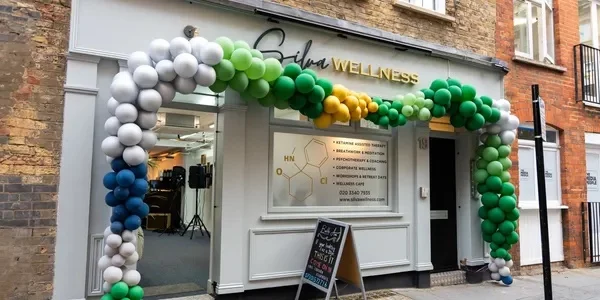
Silva Wellness
Location: London
Therapy: Ketamine-support
Description: Silva Wellness does not provide or administer medical treatment. It offers psychological and integration support for patients who have been prescribed ketamine lozenges by independent clinicians.
Cognacity
Location: London; Welbeck Street, Beaconsfield, Chelsea or Oxford
Therapy: Ketamine-Assisted Psychotherapy
Focus: Depression. Combines ketamine and psychotherapy.
Save Minds
Location: London
Therapy: Ketamine Infusion
Focus: Chronic Pain. Mood Disorders; Depression, Anxiety, Suicidal Ideation, PTS, OCD
Eulas Clinics
Location: Glasgow, Scotland
Therapy: Ketamine-Assisted Psychotherapy
Focus: Trauma, anxiety, depression, PTSD, Chronic Pain
Description: Eulas Clinics combines research with established therapeutic practices, providing two preparation sessions before treatment, grounding exercises during treatment, 12 follow up non-drug therapy sessions, and a final evaluation.
Aion Clinic
Location: London
Therapy: Ketamine-Assisted Psychotherapy
Focus: Treatment-resistant mental health, Addiction
The Pain Team
Location: Basing, Hampshire
Therapy: Ketamine infusion therapy
Focus: Chronic Pain, Depression
Ketamine Clinic London
Location: Knightsbridge and Hampstead, London
Therapy: Ketamine-Assisted Psychotherapy
Focus: Depression, Anxiety, PTSD
Interventional Psychiatry Service
Location: Oxford Health NHS Foundation Trust, Warneford Hospital, Oxford
Therapy: Ketamine Infusion
Focus: Depression
Description: Interventional Psychiatry Service at Oxford is a self-pay service provided by the Oxford NHS Foundation Trust (OHFT). As of 2024, this service has restricted access. It is no longer accepting new self-pay referrals from patients outside the Oxfordshire and Buckinghamshire catchment areas.
Dr. Wayne Kampers
Location: Manchester, London
Therapy: Ketamine Infusion, Ketamine-Assisted Psychotherapy, Ketamine and EMDR, Ketamine Lozenge Support, In-Clinic Ketamine-Assisted Couples Therapy with Ketamine Lozenges
Focus: Resistant Mental Health Conditions
Description: According to his website, Integrative Consultant Psychiatrist Dr, Kampers provides a personalized approach to patient care, utilizing a mind-body-spirit approach.
Practical Considerations
Speak to the clinic to find out about the clinic’s treatment protocol, that should be personalized for your requirements. It is important to know the number and frequency of infusion treatments as well as the dosage and what support the clinic provides.
Pricing should always be clear and transparent and any potential funding for the therapy should be clear.
While most ketamine clinics in the UK are private, there may be circumstances where funding for the therapy can be accessed.
Strengths and Limitations of Current UK Ketamine Clinics
Ketamine as a treatment for depression or other mental health conditions such as anxiety, PTSD, or addiction, is still in its very early stages of research, meaning we are not yet clear on the long-term effects.
The therapy is not licensed for the treatment of depression in the UK but can be prescribed off-label by a qualified prescriber.
While there is now a growing availability of clinics that provide, not all clinics operate in the same way and it is important to fit a clinic that supports your personal requirements and that has careful patient screening.
Conduct thorough research, speak to your healthcare professional and choose a clinic based on safety and transparency.
FAQ
Discover Expert Help, From Top Professionals

 London, United Kingdom
 The UK’s first harm‑reduction‑based centre supporting safe, ethical ketamine lozenge therapy combined with holistic psychotherapy, breathwork and integrative healing
 Expert Board Member
This article addresses a critical gap in public understanding of interventional psychiatry, offering a timely roadmap for patients navigating the complex and rapidly evolving landscape of private ketamine therapy in the UK. By prioritizing clinical safety checks and regulatory compliance, the piece serves as an essential educational resource for distinguishing between reputable, consultant-led care and unregulated provision.