From 36 Beers a Day to Sober: How Ketamine Therapy Helps Beat Alcohol Addiction
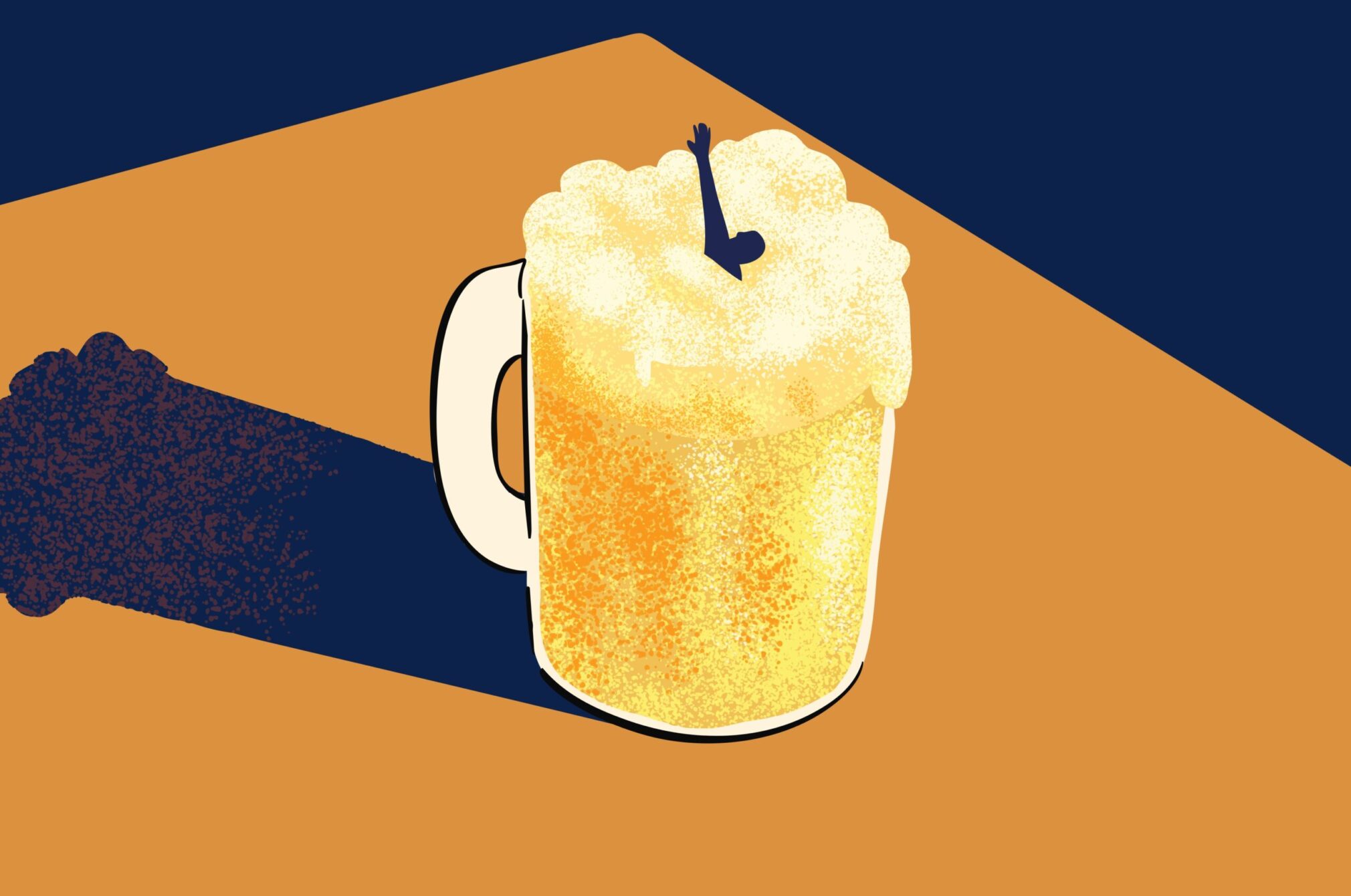
A “47-year-old, bitterly divorced father of four children,” named P.A., was consuming 36 bottles of beer and three packs of cigarettes a day before he tried ketamine therapy. He’d already attempted four different treatment programs, participated in several AA meetings, and regularly visited a church group. Yet, the addiction remained strong.
After an intensive three-week ketamine program, P.A. reported that his cravings were completely gone, and he “felt positive he would never resume drinking and smoking.” True to his word, he had remained sober from alcohol and nicotine one year later.
P.A. was part of a 2006 study investigating ketamine-assisted therapy to treat alcohol use disorder (AUD). Initially developed as an anesthetic, ketamine has since become a sought-after drug in psychiatry. Over 140 clinical trials have shown the medication has rapid-acting benefits for mental health issues, with several studies specifically looking at alcoholism. Based on such data, the University of Exeter, UK, is now conducting the largest Phase 3 study investigating Ketamine for alcohol use disorder (AUD).
The advanced clinical trial examines if alcohol abstinence will increase with ketamine-assisted therapy in severe alcohol use disorder. This research has garnered enough support that the trial (name “MORE-KARE”) is being funded by the UK government (National Institute for Health and Care Research) and Awakn Life Sciences.
Ketamine Therapy for Alcohol Use Disorder
Around seven percent of the global population is addicted to alcohol, according to the World Health Organisation. Excessive drinking doesn’t just damage the liver and heart, but can affect all aspects of life, including work and personal relationships. It’s a vicious cycle that’s challenging to escape, and relapse rates remain worryingly high. An estimated two-thirds of individuals relapse within six months after treatment, despite the myriad of treatments available.
The Exeter research team is hopeful that ketamine therapy could provide more reliable and sustained results.
“This new trial is helping to fill the gap in the urgent search for new treatments,” said Professor Celia Morgan, the trial lead, in a press release for the Oxford Press.
Combining Ketamine with Talk Therapy
Psychiatrist Evgeny Krupitsky was one of the earliest pioneers to research ketamine for AUD. From 1988 onward, he treated more than 1000 patients using a model of Ketamine Psychedelic Therapy. Nearly 70% of his patients remained sober a year after treatment, in one of his controlled trials.
The Exeter study follows Krupitsky’s methods, with talk therapy being a core part of the patient process. In a pilot study, they found that esketamine, a medication based on ketamine, made people more receptive to mindfulness-based therapy. Their cravings for alcohol also decreased.
My mind was pulled out of my body and was thrown into a void … I could also observe the consequences of my drunkenness on other people.
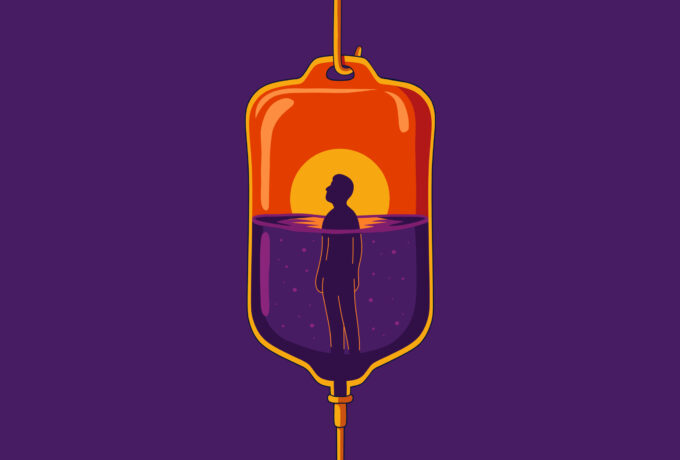
As well as investigating ketamine, the ongoing trial will also compare the effectiveness of therapy with an educational program about addiction. Participants will receive a high or low dose of ketamine, administered through intravenous (IV) infusion. Half the group will receive mindfulness-based psychotherapy, and the other half will be given psycho-education. As a double-blind study, neither the participant nor the research team will be aware of the treatment condition.
Outcomes will be measured through daily drink diaries, breathalyzer tests, and assessments of depression symptoms to capture the broader effects of treatment.
“As evidence says, alcohol and depression are quite entangled. The hypothesis is that if we can tackle AUD, we can tackle depression at the same time. It’s like killing two birds with one stone,” said Olivia Holtman, a trial therapist for MORE-KARE and trainee clinical psychologist.
Re-wiring Pathways of Addiction With Ketamine Therapy
Olivia explained that ketamine’s effect on neuroplasticity, the brain’s ability to “re-wire itself,” could help patients more easily engage in therapy.
Studies show that ketamine increases the number of synapses, the connections between nerve cells, within the brain. On a larger scale, it disrupts normal patterns of communication in the brain, increasing cross-talk between areas that are usually disconnected. With therapeutic support, this increased flexibility may help people break away harmful thought patterns and habits, such as drinking.
One University College London study suggested that ketamine may restructure memories of triggers associated with drinking through neuroplasticity. Maladaptive Reward Memories (MRMs) are learned associations between cues, such as environments and people, and rewarding experiences that can be harmful in the long run.
I emerged from the void into an infinite ocean of unconditional love. I was filled with bliss and became aware that I am forgiven … and took the oath to live a healthy life from now on.
In the study, heavy drinkers underwent a paradigm designed to destabilize MRMs associated with alcohol. Those who also received ketamine had fewer alcohol cravings and reduced drinking, which lasted up to nine months. The authors concluded that, “MRM retrieval and ketamine produce a rapid reduction in the reinforcing and motivational properties of alcohol.”
Ketamine’s Psychedelic Side
Ketamine’s psychedelic effects may also be key to helping people overcome addiction. Although ketamine isn’t a classical psychedelic, it can induce a profound state of dissociation, where users feel separated from their body and their usual sense of reality.
“Some people say ketamine isn’t a proper psychedelic. But I think it really depends on what definition you’re using,” said Olivia. She referenced two participants who entered a space that seemed like meeting their souls.
In psychedelic states, people can experience profound insights, helping them understand the root of their addiction at a deeper level. Deep-rooted emotions and traumas may arise, those that have been repressed through drinking.
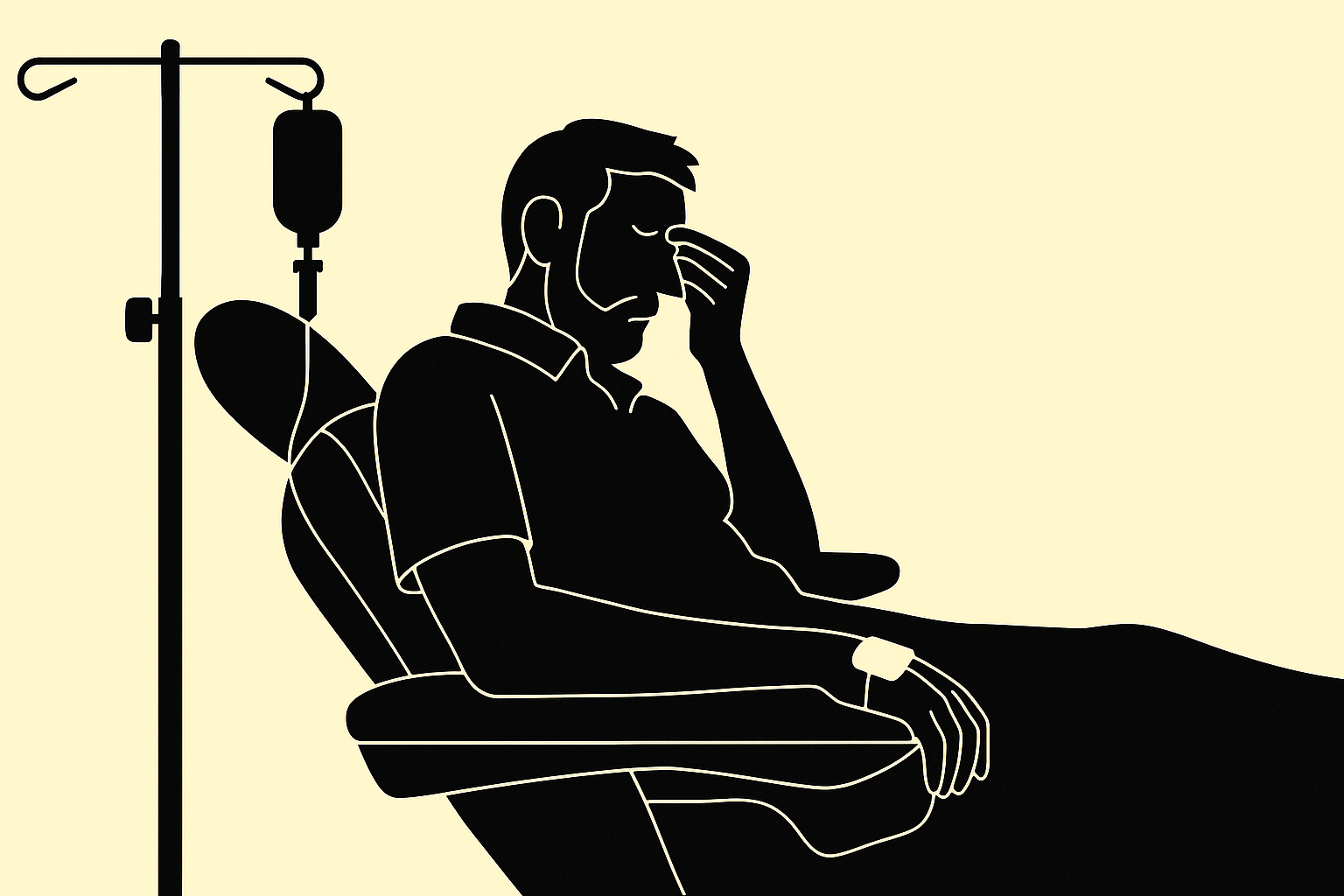
“First, my mind was pulled out of my body and was thrown into a void… I relived all the dismay of my life as a drunkard…Even worse, I could also observe the consequences of my drunkenness on other people,” P.A. shared about his ketamine journey.
“All of a sudden, I emerged from the void into an infinite ocean of unconditional love. I was filled with bliss and became aware that I am forgiven. I also realized that I was about to be reborn and took the oath to live a healthy life from now on.”
How Mindfulness Supports Ketamine Therapy
Olivia highlighted how using mindfulness in the study protocol might support these kinds of experiences. Participants in the psychotherapy group will be given mindfulness-based relapse prevention (MRP) therapy, a model incorporating mindfulness exercises during therapy sessions. She suggested MRP not only supports recovery but also prepares people for ketamine’s psychoactive effects.
“When you have an altered state of consciousness, one of the most confronting things that happens is having to relinquish control. Mindfulness helps us with this because it encourages you to become a passive observer of your thoughts.”
The Importance of Psychedelic Integration
While psychedelic experiences can be extremely powerful, Olivia emphasized the necessity of integration to make long-term change. Psychedelic integration involves enacting any insights or changes from a psychedelic experience into everyday life, and the KARE study is one of the few trials actively supporting this process. For instance, participants will gain access to integration circles, where they can discuss their experiences with others who have participated in the study, months following their treatment.
Despite risks, ketamine could be one of the most promising treatments available and potentially save thousands of lives
Olivia hopes this will lead to more sustained results. She said that “ketamine can have a profound effect, but it’s what you do afterwards that creates the longevity of this kind of treatment.”
Addressing Risks
Another key part of the study is making sure ketamine is used safely. Since the drug can cause side effects, participants will undergo regular physical and mental health checks throughout the study. This includes ongoing monitoring of vital signs, like heart rate and blood pressure, and urine tests to make sure they’re not using ketamine outside clinical settings.
Beyond its role in psychiatry, ketamine is misused as a recreational drug, and addiction is a growing public health issue. Over 3600 people in England and Wales were treated for ketamine misuse in 2023-24, with cystitis (bladder infection) being the most common harm. The impact of chronic ketamine use on the bladder can be severely painful, at times leading to permanent incontinence.
The risk of ketamine abuse is particularly relevant for a patient population with addictive tendencies. However, Olivia emphasized that the controlled clinical settings are far removed from their recreational context. She also noted how the therapy aims to change the underlying mindstates that lead to addiction in the first place.
She said that most importantly, despite risks, ketamine could be one of the most promising treatments available and potentially save thousands of lives. It wouldn’t just support those with AUD, but also reduce crime, violence, and accidents on a global scale.
“Alcohol use disorder increased dramatically over COVID, and the support did not supersede the needs. This is a short intervention, but the results could be long-term, potentially moving past the psychiatric model of being reliant on some kind of external substance. There are risks attached, but we hope to have the right safety protocols in place.”
Choose the Type of Support That Matches Your Need

 Portugal
 Wellness retreat offering personalised programs and psychedelic‑assisted therapy for stress, trauma, anxiety, burnout and depression.

 United Kingdom

 Malta
Malta