Ketamine vs Psilocybin vs MDMA in Therapy: Three Emerging Paths to Emotional Healing

Neuroplasticity is trending — and so are psychedelics. Ketamine clinics are opening in major cities like New York and Berlin, psilocybin clinical trials are doubling every year, and MDMA-assisted therapy is entering the final phase of FDA review. The question is no longer if these substances work, but how they differ in treatment — and what each of them can teach us about healing the brain.
Meet the Big Three of Psychedelic Therapy
In the new wave of psychedelic medicine, ketamine, psilocybin, and MDMA have become the leading trio — not because they’re chemically similar, but because they all help the brain break free from old, rigid patterns.
- Psilocybin, the active compound in magic mushrooms, works through serotonin receptors and can induce vivid, often life-changing insights.
- MDMA — better known as the empathogenic “heart opener” — boosts serotonin, dopamine, and oxytocin, helping people process trauma in a state of trust and safety.
- Ketamine, by contrast, acts on the glutamate receptor. It doesn’t create visions — it resets the brain’s connections, bringing relief from depression or PTSD within hours.
What unites these three isn’t chemistry but purpose. Each has shown the potential to reopen mental patterns, reconnect emotionally, and achieve relief that traditional antidepressants often fail to provide. Together, they represent the progressive frontier of mental health — shifting the focus to experiential healing, where insight and neurobiology meet.
What Is Medical Ketamine, in a Nutshell?
Originally developed as a fast-acting anaesthetic, ketamine is now being reimagined as a powerful tool for mental health. At low, therapeutic doses, it works very differently from its surgical use. Instead of putting someone “under,” it gently shifts perception, loosens rigid patterns of thought, and helps the brain form new connections.
Medical ketamine acts fast — often within hours — by targeting the brain’s glutamate system, not serotonin. It works by temporarily blocking NMDA receptors, which sets off a chemical chain reaction: the brain releases more glutamate, a neurotransmitter that helps neurons communicate. This boost strengthens the connections between brain cells and activates BDNF, a protein that supports neuroplasticity — essentially allowing the brain to grow new pathways and “unstick” old thought loops. This rapid-acting mechanism sets it apart from most antidepressants, which can take weeks to show results.
Clinically, ketamine and its FDA-approved form, esketamine (Spravato), are being used to treat major depressive disorder (MDD), treatment-resistant depression, and acute suicidal ideation. Researchers are also exploring its potential in PTSD, bipolar depression, anxiety, and substance use disorders.
Unlike classic psychedelics, ketamine induces a short dissociative state rather than a visionary experience. This brief detachment — often described as “watching your thoughts from a distance” — can quiet mental rumination and open a window for psychological reset.

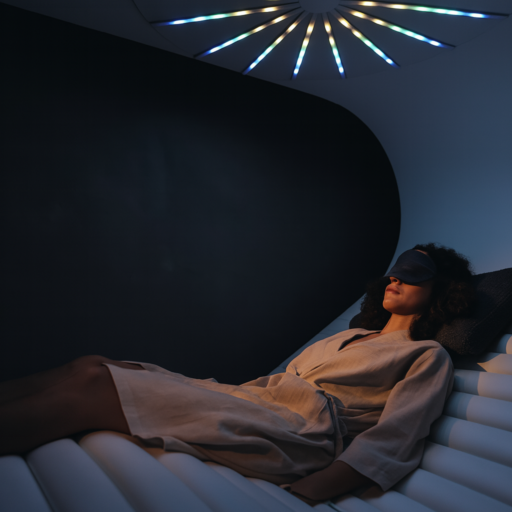
Ketamine vs MDMA — Two Paths to Emotional Healing
Both ketamine and MDMA have shown powerful results in helping people recover from trauma and mood disorders — but they reach healing through very different emotional and neurochemical routes. Together, they represent two complementary paths toward emotional repair and resilience.
PTSD and Trauma
MDMA’s hallmark is its empathogenic effect — a surge in serotonin, dopamine, and oxytocin that helps patients safely revisit traumatic memories without being overwhelmed by fear or shame. This emotional openness allows deeper therapeutic breakthroughs, particularly in treating post-traumatic stress disorder. In the MAPS Phase 3 trials, more than 60% of participants achieved full remission from PTSD after just 3 MDMA-assisted sessions.
Ketamine approaches trauma differently. It temporarily induces a dissociative state, allowing individuals to observe painful experiences from a distance — not to relive them, but to reframe them. This perspective shift can break the feedback loops of fear and hypervigilance that sustain PTSD. A 2024 study on real-world patients found that 75% showed significant improvement in PTSD symptoms, with 62% reaching remission after intravenous ketamine sessions.
Clinically, ketamine has several practical advantages: a rapid onset of relief (within hours), shorter duration (60–90 minutes), and a safer cardiovascular profile, making it suitable for individuals who might not tolerate MDMA’s stimulant effects.
Depression and Anxiety
In mood disorders, ketamine currently holds the stronger evidence base. By blocking NMDA receptors and triggering a glutamate surge, ketamine jumpstarts communication between mood-regulating brain regions, often leading to relief from depression or anxiety within 24 hours. These effects can last for days or weeks, especially when combined with psychotherapy and integration sessions.
MDMA’s antidepressant potential remains largely secondary — its primary evidence base is in PTSD and couples therapy, where emotional connection is central to healing. It may promote joy, empathy, and openness, but it lacks the robust data that ketamine has accumulated in major depressive and anxiety disorders.
Another key distinction is compatibility with existing treatments. Ketamine can be safely combined with SSRIs and other psychiatric medications, making it a flexible option for patients already on antidepressants. MDMA, however, carries risks when mixed with serotonergic drugs due to the potential for serotonin syndrome — a serious medical complication.
Ketamine vs Psilocybin — Comparing Speed and Depth
Both ketamine and psilocybin are showing remarkable potential in treating depression and trauma — yet they guide patients through distinctly different inner landscapes. Ketamine acts like a neurological reset, rapidly quieting overactive brain circuits, while psilocybin invites a longer, immersive journey into self-reflection and emotional release.
Ketamine & Mushrooms for Depression
For people living with treatment-resistant depression (TRD), both ketamine and psilocybin have demonstrated clinically meaningful results: ketamine typically brings relief within hours of administration. In contrast, the effects of psilocybin unfold over a 6–8 hour session and may continue to evolve for weeks. A 2024 systematic review compared the two for depression, finding that 25 mg of psilocybin had a Number Needed to Treat (NNT) of 5, while esketamine (56–84 mg) had an NNT of 7, confirming both as clinically meaningful options.
Meanwhile, another study reported that the subjective experience — the “trip” itself — mediates about 24% of psilocybin’s antidepressant outcome versus only 5-10% for ketamine, suggesting that psilocybin’s effects depend more heavily on the depth of the experience itself. While psilocybin often induces mystical-type insights and emotional catharsis, ketamine tends to provide a rapid cognitive shift — a sense of mental “reboot” that clears the fog of negative thinking.
Ketamine & Mushrooms for PTSD
Research into psilocybin for PTSD and trauma-linked anxiety is still in its early stages. Preliminary studies suggest that psilocybin may help reprocess traumatic memories by reducing fear responses and promoting new emotional associations, much like MDMA-assisted therapy does. It also shows promise in substance-use disorders, where it appears to interrupt compulsive behavioural loops.
Ketamine, however, has already demonstrated robust efficacy in controlled PTSD treatment settings: as mentioned above, IV ketamine leads to rapid symptom relief in up to 75% of patients, with 62% achieving remission. Its combination of dissociative distance and neuroplastic reset allows patients to reframe traumatic narratives without emotional flooding.
What Makes Ketamine Therapy Different?
Different Neurochemical Mechanisms
All three substances — ketamine, psilocybin, and MDMA — can catalyse profound emotional change, but they do so through very different biological “gateways.”
- Ketamine acts on the glutamate system by blocking NMDA receptors and triggering a surge in glutamate, which enhances neuroplasticity.
- Psilocybin, a serotonin 2A receptor agonist, alters sensory and emotional processing and modulates the brain’s default mode network.
- MDMA increases levels of serotonin, dopamine, and oxytocin, enhancing empathy, trust, and emotional openness.
Duration and Subjective Effects
- Ketamine’s effects last about 45–60 minutes, creating a brief dissociative state described as a mental “reset” or temporary detachment from the self.
- Psilocybin journeys usually span 4 to 6 hours, producing vivid perceptual changes and a sense of expanded awareness.
- MDMA sessions last 6 to 8 hours and are characterised by emotional warmth and reduced fear response, which is especially relevant in trauma therapy.
Each altered state serves a distinct therapeutic function: ketamine helps interrupt depressive rumination, psilocybin expands introspective insight, and MDMA supports emotional processing and reconnection.
Clinical Status and Accessibility
- Of the three, ketamine is the only one currently legal and widely available in psychiatric care. It’s approved by the FDA as Spravato (esketamine) for treatment-resistant depression and used off-label for major depressive disorder, anxiety, and PTSD.
- MDMA-assisted therapy for PTSD has demonstrated strong efficacy in Phase 3 trials, with about 67% of participants reaching remission, and awaits FDA approval.
- Psilocybin continues to advance through late-stage clinical trials for major depression, with early results showing comparable efficacy to esketamine but a longer therapeutic duration.
At the moment, both psilocybin and MDMA remain available only under strict clinical supervision, typically within research settings or limited compassionate-use programs, which makes access rare and highly regulated.
Progressive Trio: How They Rewire the Mind
While the neurochemistry of ketamine, MDMA, and psilocybin differs, the outcomes often converge: people describe a sense of clarity, emotional lightness, and reconnection that lasts long after the session ends. Each compound reshapes the mind’s patterns in its own way — and for many, that shift feels like finally exhaling after years of holding their breath.
Ketamine offers speed and relief. Many patients feel the “fog lift” within hours — mood stabilises, suicidal thoughts fade, and colours seem to return to life. The effect can last days or weeks after just one session, and with integration therapy, some sustain remission for months..
Psilocybin works slower but cuts deeper. Participants often describe a single guided session as one of the most meaningful experiences of their lives — bringing renewed purpose, forgiveness, or emotional release that endures for six months or more.
MDMA helps patients access emotions that once felt unreachable. As one trial participant described, MDMA therapy “allows one to revisit trauma without being consumed by it.” In clinical trials, this emotional safety enables people to process traumatic memories instead of avoiding them, often leading to profound shifts in self-acceptance and trust. For many, it’s an euphoric feeling combined with relief.
Across all three, the central theme is the same: psychedelic therapy doesn’t erase the past — it changes how the brain holds it. Patients often describe not detachment, but relief: the return of curiosity, joy, and the ability to see life as something worth engaging with again.
FAQ
- Is ketamine the same as MDMA or psilocybin?
No. Ketamine is a dissociative anaesthetic that acts on glutamate and NMDA receptors. MDMA is an empathogen that increases the levels of serotonin, dopamine, and oxytocin. Psilocybin is a classic psychedelic that targets serotonin 2A receptors. All three can enhance neuroplasticity, but their chemistry and emotional effects are distinct.
- Is ketamine like LSD?
Not quite. Ketamine is dissociative, not hallucinogenic. While LSD and psilocybin expand perception through serotonin pathways, ketamine produces clarity rather than visions.
- Which therapy works faster — ketamine, psilocybin, or MDMA?
Ketamine acts within hours, often after the first session. Psilocybin and MDMA produce longer-lasting effects but require multi-hour guided sessions and extended integration work.
- What makes psychedelic therapy effective?
All three substances open a window of neuroplasticity — a period when the brain becomes more flexible and receptive to change. The fundamental transformation happens when that window is paired with therapy, integration, and emotional learning.
- Which conditions do these psychedelics treat?
Each substance has its own therapeutic niche. Ketamine is widely used for depression, suicidal ideation, anxiety, PTSD, and certain addictions. Psilocybin has shown results in major depressive disorder, end-of-life anxiety, and substance-use conditions like alcohol and nicotine dependence. MDMA, on the other hand, is primarily used in clinical trials for PTSD and trauma-related disorders, as well as in couples therapy, where emotional connection is crucial.