Life in Fast Forward: Recognising the Key Signs of Mania in Bipolar Disorder
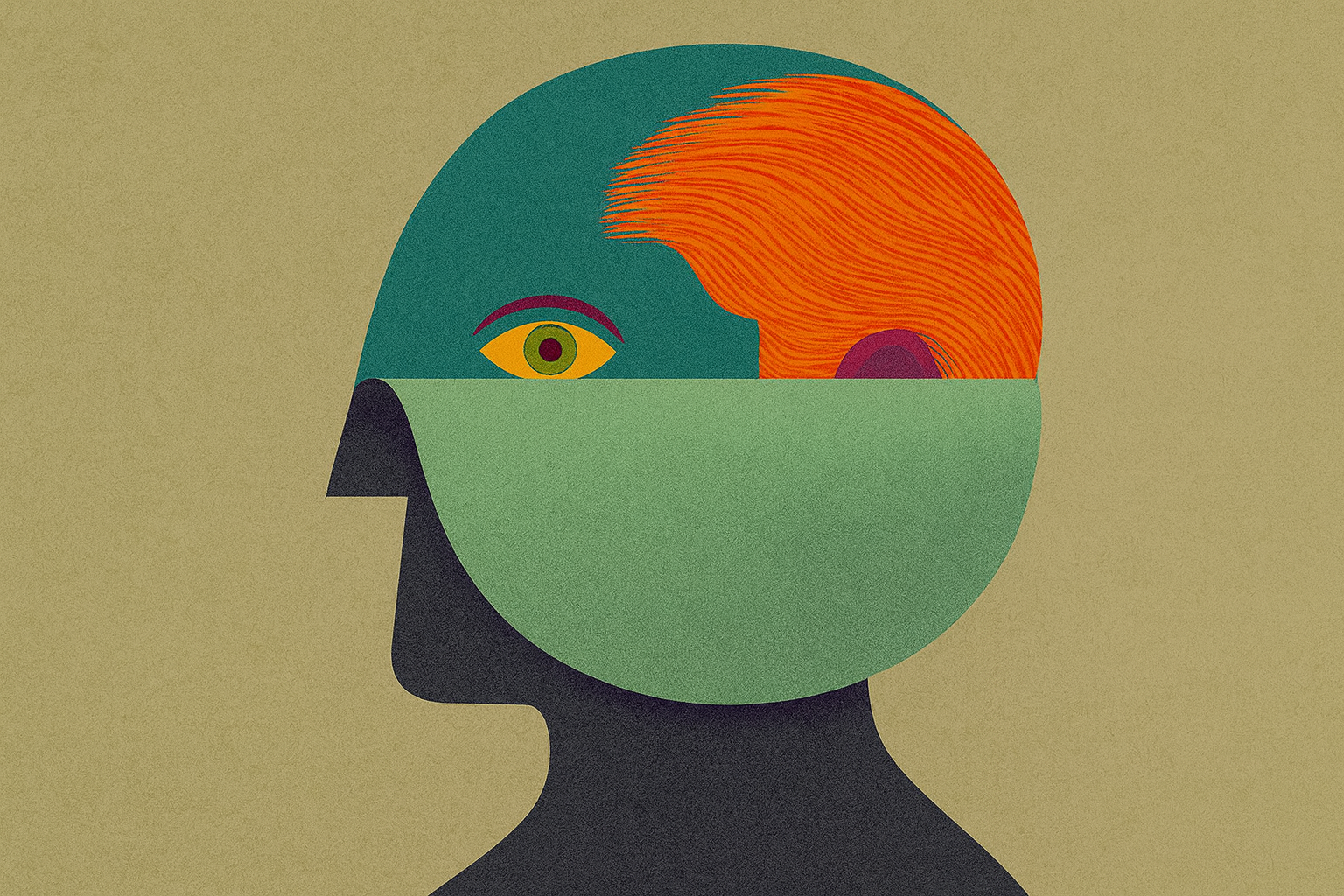
Bipolar disorder, formerly known as manic-depressive illness or manic depression, is a mental health condition marked by dramatic shifts in mood, energy, and activity that can impact daily functioning. It often feels like an emotional rollercoaster, with mood, energy, and focus swinging between extremes.
During the “high” phases, called manic episodes, those living with bipolar disorder, may experience feelings of euphoria, heightened energy, or irritability. The “low” phases, known as depressive episodes, bring sadness, loss of interest, or hopelessness. Globally, an estimated 40 million people live with bipolar disorder — about 1 in every 150 adults.
As the depression phase of bipolar disorder is similar to major depressive disorder, you can freely explore our related articles, and here, we’ll dive into the causes, challenges, and treatments of manic episodes.
What is a Manic Episode?
A manic episode or a mania is a distinct period of abnormally elevated, expansive, or irritable mood, paired with increased energy and activity levels that last at least one week, according to the DSM-5 (Diagnostic and Statistical Manual of Mental Disorders).
This heightened state is intense enough to cause noticeable impairment in social, occupational, or daily functioning. People experiencing mania might struggle to maintain regular routines or relationships because their thoughts and behaviors become unpredictable or overwhelming. The mood can be euphoric, overly optimistic, or, conversely, irritable and easily angered. These symptoms reflect a disruption in brain circuits that regulate mood and impulse control.
Mania is considered a hallmark of bipolar I disorder, and experiencing even one manic episode is enough for a diagnosis. While bipolar I often also includes hypomanic and depressive episodes, mania itself is a defining feature of the condition.
Differences Between Mania and Hypomania
Mania and hypomania share many symptoms, but differ in severity and impact, particularly in bipolar I and II disorders.
- Mania, typical for bipolar I (defined by at least one manic episode), is more intense and causes significant disruption to work, school, social life, and relationships. It can include psychosis and often requires hospitalization.
- Hypomania is commonly associated with bipolar II (that involves hypomanic and depressive episodes without full mania), but is also possible in bipolar I. It involves similar symptoms but is less severe and usually does not cause major impairment or psychosis. Unlike mania, hypomanic episodes do not involve psychosis (such as hallucinations or delusions) or require hospitalization.
Both manic and hypomanic episodes feature increased activity or agitation, inflated self-confidence, reduced need for sleep, rapid and excessive talking, racing thoughts, distractibility, and risky behaviors like impulsive spending or sexual indiscretions.
Importantly, hypomania can escalate into full mania if symptoms worsen, leading to greater functional impairment.
Common Symptoms of Manic Episodes
Manic episodes involve a range of intense symptoms that affect mood, energy, thinking, and behavior. These symptoms may appear suddenly and can vary in severity, but together they create a state of heightened activity and emotional intensity that disrupts normal functioning.
According to the DSM-5, a manic episode is diagnosed when, during a period of elevated mood and increased energy or activity, at least three of the following symptoms (or four if the mood is only irritable) are present to a significant degree and represent a noticeable change from usual behavior:
- Inflated self-esteem or grandiosity
During mania, people often feel unusually confident or superior, sometimes believing they have special talents or exceptional powers. This inflated self-view can lead to overly ambitious plans or risky decisions. - Decreased need for sleep
Mania can reduce the body’s perceived requirement for rest, sometimes to just a few hours a night. Despite the lack of sleep, the person often reports feeling energetic and alert. - More talkative than usual or pressure to keep talking
Speech may become rapid, animated, and difficult to interrupt. Listeners might notice that conversations move quickly and leave little space for response. - Flight of ideas or racing thoughts
Thoughts can cascade rapidly, creating a sense of mental “speed.” From the outside, this may appear as abrupt topic shifts or a disjointed conversational flow. - Distractibility
Focus can be pulled away by minor or irrelevant sights, sounds, or events. Tasks in progress may be abandoned mid-way when attention shifts to something else. - Increase in goal-directed activity or psychomotor agitation
There may be a surge in purposeful actions — starting multiple projects, organizing events, or pursuing new social or sexual connections. In other cases, restlessness takes over, leading to constant movement or fidgeting without a clear goal. - Excessive involvement in pleasurable activities with high potential for negative consequences
Manic phases can bring a pull toward risky pleasures such as impulsive spending, unsafe sexual behavior, or reckless business ventures. Often, the long-term risks are overlooked in the excitement of the moment.
Main Causes of Manic Episodes
Manic episodes share the same underlying causes as bipolar disorder, as they are a core and inseparable feature of the condition, even though the exact cause of bipolar disorder remains unknown. Research suggests it results from a mix of factors:
- Genetics: Bipolar disorder often runs in families, meaning certain genes can increase the risk. Many genes are involved, and no single gene causes the disorder. However, having a family member with bipolar disorder doesn’t guarantee someone will develop it. Studies of identical twins show that one twin can have bipolar disorder while the other does not.
- Trauma or stress: Life experiences may interact with genetics to trigger the illness. Stress is a major risk factor for bipolar disorder, affecting brain function through stress hormones that alter neuronal activity in specific ways over time. People with bipolar disorder often have higher baseline levels of stress hormones and show impaired brain functions like reward processing.
- Toxoplasmosis: Scientists found that people with bipolar disorder were almost three times more likely to have been infected with the parasite Toxoplasma gondii compared to those without the condition. While infection was linked to a higher risk of developing bipolar disorder, it was not related to the type, severity of the disorder, or history of suicide attempts.
What Can Trigger Mania in Bipolar Disorder
While genetics and brain chemistry play a role, certain external triggers can also spark or worsen mania, one of them being antidepressants. A systematic review of 108 studies investigated triggers for acute mood episodes in bipolar disorder, and the strongest evidence linked manic or hypomanic relapses to antidepressant use.
Although they are commonly prescribed for bipolar depression, the benefits remain controversial because taking them after depression remission can increase the risk of a manic episode, known as an affective switch. Approximately 40% of patients experienced this “manic switch,” often within a week of recovering from depression. The risk of mania is higher for people with bipolar I disorder using antidepressants compared to those with bipolar II.
Other potential triggers for mania include:
- Brain stimulation
- Energy drinks
- Acetyl-L-carnitine (a dietary supplement often used for energy and brain health)
- St. John’s wort (a flowering plant commonly used as an herbal remedy for depression)
- Seasonal changes
- Hormonal fluctuations
- Viral infections
- Psychedelics and cannabis use
Risks and Complications Associated with Mania
People experiencing mania often have little awareness of their condition. Combined with high levels of energy, this can lead to impatience, intrusiveness, meddling, and intense irritability when challenged. These behaviors can strain social relationships, and the person may come to believe they are being treated unfairly or even persecuted.
Impulsive decision-making during mania often leads to financial troubles, such as reckless spending or poor investments. Relationship conflicts may arise due to irritability, grandiosity, or socially inappropriate behavior. Individuals in a manic state may engage in risky activities without considering consequences, putting their safety and that of others at risk.
In some cases, mania can lead to psychotic symptoms, necessitating hospitalization to ensure safety and stabilize mood. Untreated mania increases the risk of accidents, legal issues, and long-term damage to personal and professional life. Early intervention reduces these dangers and supports better long-term outcomes.
How Are Manic Episodes Diagnosed?
Diagnosing a manic episode typically involves a comprehensive clinical evaluation by a mental health professional. Diagnosis is based on criteria outlined in the DSM-5, including symptom duration, severity, and impact on functioning. Physicians and psychiatrists gather information through patient interviews, reports from family or close contacts, and standardized questionnaires.
It’s essential to rule out other causes such as substance abuse, medication side effects, or medical conditions that can resemble mania. For instance, organic manic syndromes, which result from brain lesions affecting regions that regulate emotions and basic functions like sleep and appetite, can closely mimic the symptoms of bipolar disorder.
Diagnosing bipolar disorder should only be done after ruling out other causes, which can sometimes be challenging when mania is the only symptom present.
Treatment Options for Manic Episodes
Effective treatment of manic episodes often requires a combination of medication, therapy, and lifestyle changes. Mood stabilizers such as lithium or valproate are commonly prescribed to help control mood swings. Antipsychotic medications may be used if symptoms are severe or include psychosis. Psychotherapy, especially cognitive-behavioral therapy (CBT), supports patients in understanding triggers and managing symptoms.
Lifestyle adjustments, like maintaining a regular sleep schedule, reducing stress, and avoiding drugs or alcohol, play a vital role in preventing recurrences. Treatment is highly individualized, with ongoing monitoring and adjustments to find the best approach for each person. Early treatment improves quality of life and reduces hospitalization risks.
Managing Mania: Tips for Patients and Families
Managing manic episodes effectively requires a combination of self-awareness, support, and healthy habits. Both patients and their families play an important role in recognizing early signs and maintaining routines that reduce the risk of full-blown mania. Here are some practical strategies to help keep mania under control and promote well-being.
- Monitor Symptoms Regularly
Keeping track of mood changes, sleep patterns, and behavior can help catch early warning signs of mania. Journaling or using mood-tracking apps allows patients and families to notice patterns and seek help before symptoms escalate. - Maintain a Consistent Routine
Sticking to regular sleep, meal, and activity schedules helps stabilize mood and energy levels. Consistency supports the brain’s natural rhythms, reducing triggers like sleep disruption that can lead to mania. - Limit Stress and Practice Relaxation
Managing stress through mindfulness, meditation, or gentle exercise can prevent manic triggers. Relaxation techniques help calm the nervous system and improve emotional regulation. - Avoid Alcohol and Recreational Drugs
Substance use can interfere with medications and worsen manic symptoms. Avoiding these substances is crucial to maintain treatment effectiveness and reduce relapse risk. - Communicate Openly with Healthcare Providers
Regular check-ins with doctors and therapists ensure treatment stays on track and adjustments can be made promptly. Honest communication about symptoms or medication side effects supports better care. - Build a Support Network
Having trusted friends, family, or support groups provides emotional backing during difficult times. Knowing who to turn to helps patients feel less isolated and more empowered to manage mania.
FAQ:
Can manic episodes feel “good”?
Yes, people often initially experience heightened energy, euphoria, or confidence, which can feel enjoyable. However, this state can quickly become disruptive, impair judgment, and lead to risky behaviors.
Are manic episodes the same for everyone?
No, symptoms vary widely. Some may talk rapidly and take big risks, while others mainly feel restless, irritable, or unusually confident.
How can I tell if someone is experiencing mania?
Signs include increased energy, decreased need for sleep, rapid speech, impulsive decisions, and inflated self-esteem.
Can manic episodes occur without bipolar disorder?
Occasionally, mania-like episodes may appear in response to substances, medications, or medical conditions, but these are not considered bipolar manic episodes.
How long do manic episodes typically last?
By definition, a full manic episode lasts at least one week, but without treatment, it can persist for several weeks or even months.
Can friends or family help prevent a manic episode?
Observing early signs, supporting healthy sleep and routines, and encouraging timely professional help can reduce severity and prevent complications.