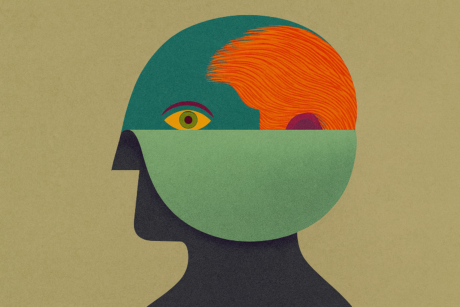
Should You Test Yourself for Depression? 5 Reasons to Check In
When it comes to physical health, most of us have no problem scheduling regular check-ups — even if nothing feels terribly wrong. But when it comes to mental health, many people hesitate. “Do I really need to take a test? What if I’m overreacting?” The truth is: checking in on your emotional well-being is one of the simplest and most proactive steps you can take. A self-assessment isn’t a diagnosis — it’s a tool for reflection, awareness, and early support. Here are five meaningful reasons to test yourself for depression, even if you’re not sure anything is wrong.
You’ve Been Feeling “Not Quite Yourself”
Sometimes, the signs of emotional imbalance aren’t obvious. You might not feel depressed in the classic sense, but you catch yourself wondering why you’re a bit more tired, easily irritated, or disconnected from things you usually enjoy. Maybe you’re functioning at work, socializing with friends, and keeping up appearances — but underneath, something feels subtly off.
These quiet shifts can be early signals of underlying stress, emotional fatigue, or mood changes. Self-tests offer a structured way to check in with yourself and see if patterns are emerging. Instead of second-guessing or dismissing your gut feeling, a simple questionnaire can help you name what’s going on and decide if it’s worth exploring further.
You’re Going Through a Big Life Transition
Major life changes — even positive ones — can be emotionally destabilizing. Starting a new job, ending a relationship, having a child, moving to a new city, or recovering from illness all challenge your sense of normalcy. These transitions often bring stress, uncertainty, and unexpected emotional responses.
During these times, it can be easy to brush off mood shifts as “just part of the adjustment.” But sometimes, what starts as temporary stress can evolve into more persistent anxiety or low mood if left unchecked. A self-assessment provides a moment to pause, take stock, and see whether your mental health might need additional care as you navigate new territory.
You Want to Better Understand Your Emotional Patterns
Mental health isn’t just about managing crises; it’s also about developing emotional literacy. Taking a self-test can help you understand how your mind tends to respond to stress, pressure, or change. You might notice patterns: Do you struggle more with anxiety or low mood? Are you prone to overthinking or emotional numbness? Do certain triggers consistently affect your well-being?
The more you understand your own emotional profile, the more empowered you become to manage it. Self-assessments can function as a mirror, offering insights that help you build healthier habits, strengthen resilience, and know when to reach for support before things escalate.
You’re Supporting Someone Else’s Mental Health
Sometimes, we’re so focused on helping others that we forget to check in with ourselves. If you’re caring for a loved one who’s struggling with mental health, it’s natural to experience emotional spillover — stress, empathy fatigue, or even secondary anxiety and sadness. Taking a self-test can help you evaluate your own mental state while you’re supporting someone else.
In addition, modeling this behavior for friends, family, or colleagues can help normalize mental health check-ins. When you show that it’s okay — and wise — to monitor your well-being, you create space for more open and supportive conversations about mental health in your community.
You’ve Been “Powering Through” for Too Long
Many people are skilled at pushing through challenges — staying busy, staying productive, and suppressing early warning signs. But powering through doesn’t mean you’re immune to burnout, anxiety, or depression. In fact, high-functioning individuals often miss or minimize their own symptoms until they become overwhelming.
If you’ve been ignoring small red flags — like chronic tension, sleep disruptions, irritability, or a constant sense of pressure — a self-test can offer a gentle but important reality check. It’s an opportunity to pause, reflect, and acknowledge your own needs before they escalate into something harder to manage.
How Self-Assessments Work — And What to Do With the Results
Today’s self-assessments are based on clinically validated tools like the PHQ-9 for depression or the GAD-7 for anxiety. They ask you to rate how often you’ve experienced specific feelings or behaviors over the past two weeks. While simple, these tests can give you a surprisingly accurate snapshot of your current emotional state.
If your results suggest mild symptoms, you might explore self-care strategies: mindfulness, better sleep, reducing stress, or talking to a trusted friend. If your scores are moderate to high, it’s a strong signal to consult a mental health professional who can provide a full evaluation and recommend treatment if needed.
When a Self-Test Isn’t Enough: Knowing the Limits
While self-tests are useful, they’re not a substitute for professional assessment. If you’re experiencing intense symptoms — like severe hopelessness, suicidal thoughts, or major functional impairment — don’t rely on a questionnaire alone. Reach out to a therapist, counselor, or doctor right away. The sooner you seek support, the more effective your recovery can be.
Check In, Don’t Check Out
Taking a few minutes to assess your mental well-being is not a sign of weakness — it’s an act of self-respect. Whether you’re feeling fine or struggling quietly, regular check-ins help you stay in tune with your emotional health. You get annual physicals — why not mental health check-ups too? Sometimes, the simple act of pausing to ask yourself “How am I really doing?” can be the first and most powerful step toward healing and growth.
FAQ:
What is the best way to test for depression at home?
One of the most effective tools is the PHQ-9 — a clinically validated questionnaire used by mental health professionals worldwide. You can take our free online version, which is based on this trusted test. It only takes a few minutes and provides a personalized result with practical recommendations to help ease your symptoms and guide your next steps.
Can I self-diagnose depression or anxiety?
Self-assessment is a helpful first step, but it’s not a diagnosis. It can alert you to potential issues and guide you toward professional support if needed. Only a licensed mental health provider can make a formal diagnosis based on a full clinical evaluation.
When should I take a mental health test?
Consider taking a self-test if you’ve noticed changes in your mood, energy, or behavior; if you’re going through a stressful life event; or even as a regular emotional check-in — the way you’d schedule a physical. Early awareness is key to early support.
What should I do if my test results show moderate or severe symptoms?
If your score suggests moderate to severe depression or anxiety, it’s important to reach out to a mental health professional. You can start by contacting a therapist, your primary care provider, or a local mental health clinic. Don’t wait — support works best when sought early.
Are online mental health tests accurate?
While no online test is perfect, many use evidence-based tools that are widely used in clinical practice. They’re not diagnostic but can be surprisingly accurate in identifying patterns and prompting helpful next steps.