Safely Facing Your Fears: The VR Revolution in Anxiety and Phobia Therapy
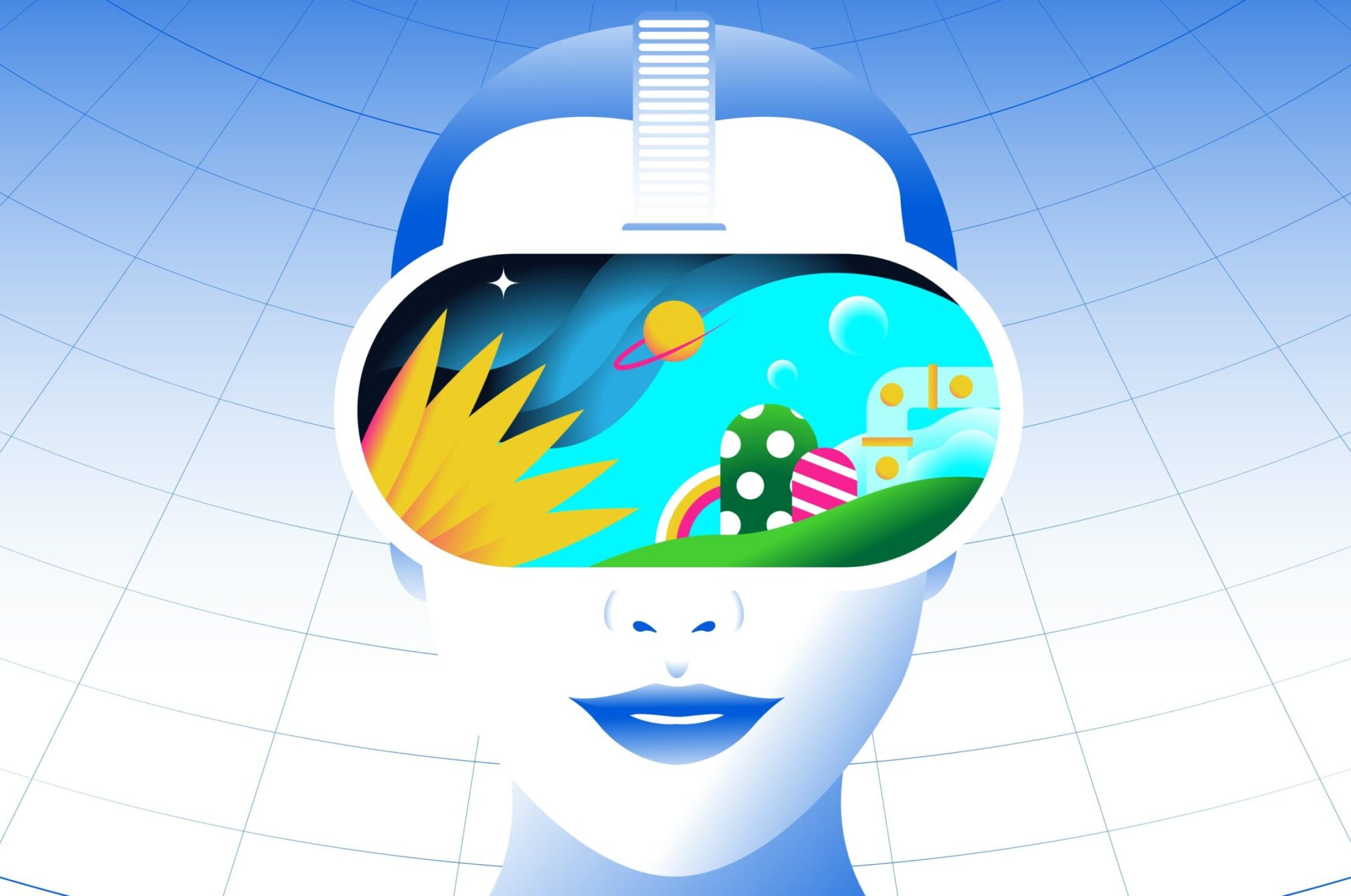
Imagine yourself floating gently in a hot-air balloon soaring above forests, mountains, and meadows. You’re fully immersed in this serene virtual world through a VR headset. The balloon rises higher as you calm your breath and heart rate, but when anxiety creeps in, it slowly descends. This is not science fiction — it’s a groundbreaking therapeutic tool designed to help people manage anxiety in real time.
Anxiety disorders and specific phobias affect millions globally, often imposing heavy burdens on mental health and quality of life. While exposure therapy is the gold standard for treating these conditions, many face barriers such as limited access to trained therapists, high costs, and the fear of confronting anxiety-provoking situations directly.
Enter virtual reality (VR): a rapidly evolving technology offering immersive, engaging, and increasingly accessible ways to transform anxiety treatment — from research labs to the convenience of one’s own home.
Biofeedback and Immersion
At the University of Pisa, a team of bioengineers led by Professors Alberto Greco and Enzo Pasquale Scilingo have pioneered a novel VR system that bridges physiological signals and immersive environments. This biofeedback-powered platform uses non-invasive sensors to monitor heart rate and skin conductance — key indicators of anxiety and relaxation. The data feeds directly into a virtual reality scenario featuring a hot-air balloon: as the user calms, the balloon ascends; as tension rises, it gently descends.
This intuitive visual feedback loop trains users to consciously regulate their bodily responses — breathing, heart rhythm, sweating — fostering real-time anxiety control. Even brief sessions of five minutes showed users beginning to relax, according to a study published in Transactions on Affective Computing.
But the project, aptly named BRAVE (which stands for Biofeedback-based peRsonAlised Virtual-reality Exposure therapies for anxiety disorders), goes further. It applies these principles to Social Anxiety Disorder (SAD), a condition that has surged especially after the COVID-19 pandemic, affecting adolescents and young adults. The technology adapts exposure therapy — traditionally a process of gradually facing feared social situations — into personalized VR experiences. One scenario places users in a waiting room that slowly fills with people approaching them, while another simulates delivering a speech to a large virtual audience.
By continuously monitoring physiological markers, the system adjusts the intensity of social stimuli dynamically, ensuring the experience remains challenging but manageable. This flexibility increases treatment acceptability and effectiveness — crucial in conditions often marked by avoidance and fear of therapy itself. Moreover, its design supports remote use, making it a promising tool for telemedicine and for treating socially withdrawn individuals, including those experiencing hikikomori syndrome.
As Professor Greco puts it, this research is part of a broader commitment to “developing increasingly human-centred technologies — designed and created with people’s needs at their core.” The BRAVE project, funded by Italy’s Ministry of University and Research, exemplifies how innovative engineering can intertwine with psychology to create empathetic, adaptive therapies.
From Lab to Living Room: VR Therapy for Phobias and Social Anxiety
While research prototypes like Pisa’s platform show immense promise, practical, scalable applications are essential for widespread impact. This is where oVRcome comes in — a mobile health application that delivers self-guided VR exposure therapy combined with cognitive-behavioral techniques.
A landmark randomized controlled trial in New Zealand tested oVRcome’s effectiveness across five common specific phobias: fear of flying, heights, spiders, dogs, and needles. The 6-week program incorporates six interactive modules blending psychoeducation, relaxation, mindfulness, cognitive restructuring, VR exposure, and relapse prevention. With 126 participants randomized and an 86.5% retention rate, the study reported significant reductions in phobia severity compared to controls, boasting a strong effect size of 0.86.
The social anxiety module is especially comprehensive. It begins by explaining anxiety’s biological roots and how avoidance perpetuates fear. Users learn diaphragmatic breathing and create calming ‘safe place’ imagery. Cognitive lessons teach recognition and reframing of distorted thoughts — such as catastrophizing or underestimating coping abilities — through a clear 4-step process. Mindfulness practices build further resilience.
Next comes the heart of the treatment: personalized VR exposure. Users construct fear hierarchies with scenarios tailored to their social anxieties, then confront these situations in immersive 360-degree VR videos, progressing gradually as their comfort grows. The final module focuses on relapse prevention, featuring self-guided meditation and body-awareness exercises.
The results from the social anxiety trial are compelling. Participants showed a remarkable decrease in social anxiety symptoms measured by the Liebowitz Social Anxiety Scale (LSAS), with reductions sustained up to 18 weeks post-treatment. Depression symptoms and fear of negative evaluation also improved. Importantly, the intervention was safe — no participants withdrew due to adverse events or motion sickness — and participants were supported by clinical psychologists on request.
oVRcome’s self-guided nature addresses key treatment barriers: it reduces costs, lessens stigma, and overcomes therapist scarcity, making evidence-based therapy accessible anytime, anywhere. This approach aligns with stepped care models, offering a bridge between self-help and clinician-led treatments.
Why Virtual Reality is a Game-Changer in Anxiety Treatment
Exposure therapy remains the undisputed first-line treatment for many anxiety disorders. Yet, real-world exposure can be daunting, impractical, or impossible to replicate safely, limiting its uptake and effectiveness. VR offers a transformative solution: immersive, controlled environments that simulate feared situations with remarkable realism.
Users engage deeply, confronting their fears in a safe space where scenarios adapt to their physiological and emotional responses. Whether it’s watching the hot-air balloon rise as they calm their heart or facing a crowd in VR with adjustable intensity, these technologies enhance personalization and engagement — two crucial factors for therapeutic success.
Accessibility skyrockets as well. Mobile VR headsets and smartphone-compatible devices bring sophisticated therapy beyond clinics and labs, reaching rural or underserved populations. The stigma of “going to therapy” diminishes when treatment can be done privately and on one’s own terms.
Together, biofeedback-powered systems and apps like oVRcome exemplify how VR is reshaping anxiety treatment paradigms, bridging gaps in care and empowering users to reclaim their lives.
Embracing Virtual Realities for Mental Health
The fusion of virtual reality technology with anxiety treatment is no longer futuristic, it’s happening now. Backed by science and packed in practical, user-friendly formats, VR therapies are unlocking new pathways for millions struggling with anxiety and phobias.
From bioengineered hot-air balloons responding to our heartbeats to self-guided VR journeys confronting personal fears, the future of mental health care is immersive, personalized, and remarkably accessible. As research advances and technology becomes even more affordable, VR holds the promise of transforming not only how we treat anxiety but how we experience healing itself — one virtual step at a time.