Depression Explained: What’s Going On in Your Brain, and How to Heal
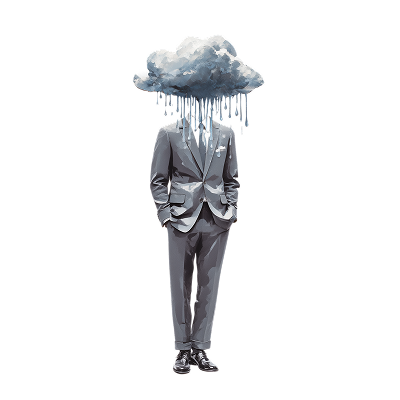
Depression is one of the most common — and most misunderstood — mental health conditions in the world. It affects how you think, feel, move, sleep, and connect with others. It’s not just “feeling sad.” Depression is a real, complex condition that deserves both empathy and effective support.
This explainer might help you fully understand what depression actually is, how to recognize it, what causes it, and what can be your path towards healing — in both traditional and new ways.
What Is Depression
Depression is a mood disorder that goes far beyond occasional sadness or emotional slumps. It affects your ability to experience pleasure, maintain energy, concentrate, and feel connected to yourself and the world. You might feel persistently low, empty, or stuck — sometimes with no clear reason why.
Clinically, depression is defined by a set of symptoms that last at least two weeks and significantly interfere with daily life. But in reality, it can feel more subtle, more insidious. Some people might smile, function, and even “perform” well at work or with friends — while privately feeling numb, exhausted, or hollow.
Depression shows up differently in everyone. For one person, it may look like frequent tears and isolation. For another — like irritability, brain fog, or a total lack of motivation. It can come on gradually or feel like hitting a wall overnight. What’s important to remember is this: depression is not weakness, laziness, or a personal failure. It’s a real condition — and it’s treatable.
What Happens to the Body During Depression
Depression isn’t just about your mood — it affects your entire body. When you’re depressed, your brain chemistry, nervous system, and immune response all begin to shift. Key neurotransmitters like serotonin, dopamine, and norepinephrine, which regulate mood, sleep, and motivation, may become imbalanced or dysregulated. This can lead to symptoms like fatigue, slowed thinking, and loss of pleasure in activities that once felt rewarding.
Depression-related chronic stress also activates the HPA axis — a key system in the body that helps regulate responses to stress. Over time, elevated cortisol (the body’s main stress hormone) can disrupt sleep cycles, increase inflammation, and impair memory and concentration. You may feel constantly exhausted, achy, or disconnected from your surroundings — a condition some describe as feeling “shut down” or physically heavy. Gut health can change too, as the brain and digestive system are deeply connected through the gut-brain axis.
In short, depression is a full-body experience — one that goes far beyond mood. Recognizing these physical effects is an important step in understanding that depression is not a weakness, but a real medical condition that deserves care and support.
How Common Is Depression — and Why We’re Seeing More of It
Depression is one of the most widespread mental health conditions in the world. According to the World Health Organization, over 280 million people globally live with depression — and that number is likely underestimated due to underreporting and stigma. The numbers have climbed higher in recent years — with social isolation, academic pressure, and digital overwhelm playing a role.
So why are more people being diagnosed today? Is depression really on the rise — or are we just better at recognizing it?
The answer is both.
We now have greater mental health awareness, more open public dialogue, and better diagnostic tools than ever before. People who might have gone untreated a generation ago — especially men, BIPOC individuals, or high-functioning adults — are finally being seen, heard, and supported.
At the same time, modern life brings its own pressures:
- Social comparison through curated online lives
- Economic instability and workplace burnout
- Climate anxiety and global uncertainty
- Loneliness, even in hyperconnected societies
These aren’t just philosophical problems — they take a toll on our nervous systems and sense of meaning. Depression has become more visible not because people are weaker, but because we’re finally paying attention. Naming what you’re experiencing isn’t self-indulgent — it’s the first step toward healing.
Main Symptoms of Depression
Recognizing the signs of depression is the first step toward getting support. While symptoms can vary by person, age, and cultural background, many people experience some combination of the following:
- Persistent sadness, emptiness, or hopelessness
- Loss of interest in activities you used to enjoy
- Fatigue or unusually low energy
- Sleep disturbances — too much or too little
- Changes in appetite or weight
- Difficulty concentrating, thinking, or making decisions
- Feelings of guilt, shame, or worthlessness
- Physical symptoms (like headaches or stomach pain) without clear cause
- Thoughts of death, dying, or suicide
Some people also experience “atypical” symptoms — like increased sleep and appetite, emotional reactivity, or extreme sensitivity to rejection. In high-functioning depression, symptoms may be hidden behind productivity, humor, or caretaking for others.
It’s worth noting that depression may coexist with anxiety, chronic stress, or trauma. It may show up as physical tension, irritability, or even numbness. You don’t need to check every box to deserve help — even one or two persistent symptoms can signal something important.
How to Tell the Difference Between Depression, Low Mood, Apathy, or Burnout
Everyone feels off sometimes — tired, unmotivated, emotionally distant. So how can you tell when it’s more than just a rough patch?
Low mood is usually temporary and tied to a clear cause — like a conflict, deadline stress, or bad weather. It tends to lift on its own.
- Usually short-lived (a few hours to a few days)
- Often triggered by specific events or stress
- Mood improves with rest, positive experiences, or time
- You still experience some pleasure or emotional variation
Apathy is more of a flat, unfeeling state. You might not feel sad — just disconnected. This can be part of depression or burnout.
- A feeling of emotional flatness or indifference
- Often linked to exhaustion, boredom, or disconnection
- Can appear in both depression and burnout
- Motivation may be low, but functioning remains mostly intact
Burnout, especially work-related, includes emotional exhaustion, cynicism, and reduced capacity to care or perform. It often improves with rest and boundaries.
- Result of prolonged stress, especially from work or caregiving
- Emotional exhaustion, cynicism, and reduced performance
- May include physical symptoms like headaches or insomnia
- Not always linked to sadness — more often, numbness or irritability
Depression, by contrast, tends to be deeper and more pervasive. It lasts for weeks or months, disrupts multiple areas of life, and may not respond to rest, breaks, or positive events. It often includes emotional pain, physical symptoms, and a sense of being stuck or hopeless.
- Persistent low mood for at least 2 weeks or more
- Loss of interest or pleasure in most activities (anhedonia)
- Physical symptoms: fatigue, sleep changes, appetite shifts
- Impacts daily functioning, relationships, and self-worth
- May include suicidal thoughts or hopelessness
If you’re unsure what you’re feeling, that’s okay. Many people don’t realize they’re depressed until they begin to recover and see the contrast. A mental health check-in — with a self-assessment or therapist — can help bring clarity.
Types of Depression
Depression isn’t one-size-fits-all. There are several recognized types, each with its own features and treatment considerations:
- Major Depressive Disorder (MDD): The classic form — persistent, intense symptoms that last at least two weeks.
- Persistent Depressive Disorder (Dysthymia): A lower-grade, chronic depression that lasts two years or more.
- Bipolar Depression: Occurs in bipolar disorder — alternating with manic or hypomanic episodes.
- Seasonal Affective Disorder (SAD): Triggered by seasonal changes, usually worse in fall or winter.
- Postpartum Depression: Affects parents (not only mothers) after childbirth. Often linked to hormonal shifts, identity changes, and exhaustion.
- Premenstrual Dysphoric Disorder (PMDD): A severe form of premenstrual mood disturbance.
- Atypical Depression: Includes mood reactivity and increased sleep or appetite.
- Situational Depression: Triggered by a major life stressor — grief, illness, divorce, etc. — and may resolve as circumstances shift.
Knowing the type of depression can help guide treatment. But even if your experience doesn’t fit neatly into one category, it’s valid and worthy of support.
Stages of Depression
Depression exists on a spectrum. Many experts now use a staging model to describe its severity — not just to label, but to guide the right level of care.
Stage 1: Distress & Mild Depression
This early stage often includes a mix of low mood, anxiety, and physical symptoms that don’t meet full diagnostic criteria. It’s common — and impactful. Most people here benefit from low-intensity support, such as self-care strategies, online tools, and community-based help. No diagnosis is required, and medicalization isn’t always necessary — but early support matters.
Stage 2: Moderate to Severe Depression
Symptoms become more persistent and disabling. This stage often qualifies as a diagnosable depressive disorder. Brief psychological therapies, especially behavioral activation or CBT, are highly effective — often more so than medication. These can be delivered by trained non-specialists in primary care or community settings.
Stage 3: Chronic or Treatment-Resistant Depression
Depression may become long-term, relapsing or, in 20% of patients, unresponsive to first-line care. Cases of severe depression require special support, which may include medication combinations, or alternative treatments such as transcranial magnetic stimulation (TMS), electroconvulsive therapy (ECT) or psychedelic-assisted psychotherapy (PAP). These individuals are often the most functionally impaired and require comprehensive, personalized treatment.
What Causes Depression?
There’s no single cause of depression. It may be the result of different or multiple factors — biological, psychological, and environmental — interacting in complex ways. Here are some of them:
- Genetics: A family history of depression increases risk.
- Brain chemistry: Imbalances in neurotransmitters like serotonin, dopamine, and norepinephrine can affect mood regulation.
- Hormones: Shifts during puberty, pregnancy, postpartum, or menopause can trigger symptoms.
- Childhood adversity: Trauma, neglect, or chronic stress early in life increases vulnerability.
- Chronic stress: Ongoing financial, health, or relationship stress can wear down resilience over time.
- Major life changes: Grief, job loss, relocation, or identity shifts can destabilize mental health.
- Personality traits: High sensitivity, perfectionism, and people-pleasing tendencies are linked to increased risk.
Depression isn’t your fault — but understanding the layers behind it can help you approach healing with more self-compassion and precision.
How Depression Affects Daily Life
Depression impacts much more than mood. It can quietly affect how you think, move, relate to others, and see yourself. You may lose interest in hobbies, withdraw from relationships, or feel like even small tasks take enormous effort.
Work performance may suffer. Physical health can decline. You might struggle with concentration, memory, or decision-making. For some, depression leads to overeating, substance use, or risky behaviors as coping mechanisms.
And perhaps most painfully, depression can distort self-perception and the perception of others. You may feel like a burden, a failure, or fundamentally broken — even if none of that is true.
But these changes are symptoms — not character flaws. And with the right support, many people find their way back to connection, creativity, and joy.
How Depression Is Treated — and What’s Changing
In the past twenty years, the way we understand and treat depression has shifted dramatically. Where treatment once centered almost exclusively on medication and traditional talk therapy, today’s approach is far more multidimensional, personalized, and trauma-informed.
Part of this shift comes from advances in neuroscience and brain imaging, which have shown that depression isn’t just a “chemical imbalance” — it’s a complex interaction between genetics, neurobiology, personal history, and environment. This has opened the door to more integrative and whole-person approaches, moving beyond the idea of a one-size-fits-all solution.
We now know that effective treatment often requires addressing multiple layers of experience:
- Cognitive patterns (like rumination or self-blame)
- Nervous system regulation (such as chronic fight-or-flight states)
- Lifestyle rhythms (including sleep, movement, and nutrition)
- Social connection and meaning
This has led to the growing popularity of combined or blended treatment plans — where therapy, medication, and practices like mindfulness, embodiment, or group work are used together.
At the same time, many people — especially those with treatment-resistant depression — have sought alternatives. This includes emerging fields like psychedelic-assisted therapy, vagal nerve stimulation, and digital mental health tools (e.g., app-based CBT or AI-supported journaling). These approaches are still being researched, but they reflect a broader recognition: healing doesn’t always look clinical.
Importantly, there’s also greater attention to cultural context, accessibility, and identity. Mental health professionals increasingly understand that depression may express itself differently across race, gender, and background — and that care must adapt accordingly.
In short: we’ve moved from asking “Which pill fixes this?” to “What does this person need — biologically, emotionally, and socially — to feel more alive again?” The best approach is the one that works for you — and that may take some experimentation.
Depression is real, but so is recovery.
FAQ
How do I know if I have depression or just a low mood?
Low moods tend to pass with rest or time. Depression lingers, affects multiple parts of your life, and doesn’t improve easily without support. Take our free depression test to learn more about your emotional wellbeing.
Can you have depression without feeling sad?
Yes. Depression can show up as numbness, emptiness, or even physical symptoms — especially in men or high-achievers.
What are the first signs of depression?
Changes in energy, motivation, sleep, and interest in daily activities are often early clues — along with irritability or emotional blunting.
Can depression go away without medication?
Some people improve through therapy, lifestyle changes, or time — but others benefit greatly from medication. There’s no shame in either.
What’s the most effective treatment for depression?
It depends on the person. Many benefit from a combined approach: therapy, medication, physical care, and emotional support.