What Is Psilocybin? The Psychedelic Compound Changing Mental Health
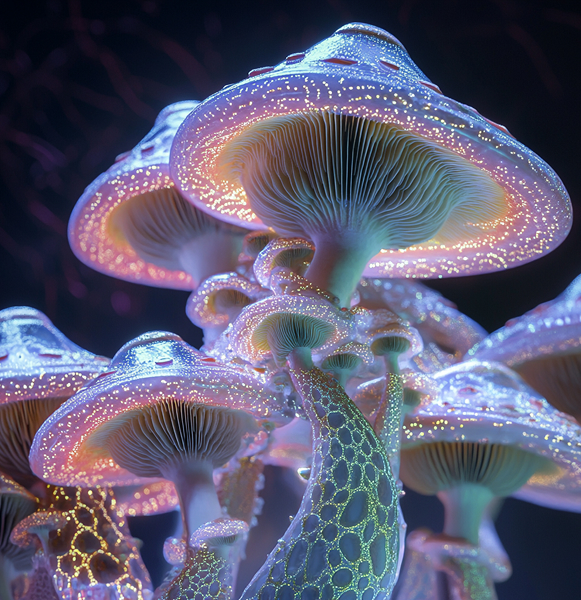
Psilocybin is a naturally occurring psychedelic compound found in over 180 species of mushrooms, often referred to as “magic mushrooms.” Once ingested, psilocybin is converted in the body into psilocin, a substance that interacts with serotonin receptors in the brain and produces profound changes in perception, mood, and consciousness.
Psilocybin mushrooms grow naturally in many regions around the world, including parts of North and South America, Europe, and Asia. In recent years, research institutions and regulatory bodies have revisited psilocybin’s therapeutic potential, particularly for conditions like depression, PTSD, and anxiety. In 2018, the FDA granted psilocybin-assisted therapy with “breakthrough therapy” status for major depression and treatment-resistant depression — a significant step toward potential medical approval.
This article is for educational purposes only and does not constitute medical advice. Always consult a licensed healthcare provider before beginning any treatment. Effects and legality vary by region, diagnosis, and individual needs.
Psilocybin History
The use of psilocybin mushrooms dates back thousands of years. Archaeological evidence, including rock art and mushroom-shaped stone carvings, suggests that ancient Mesoamerican civilizations such as the Aztecs, Maya, and Mazatec used psychedelic fungi in spiritual and healing ceremonies. The Aztecs referred to them as teonanácatl, or “flesh of the gods,” and regarded their visions as messages from the divine. These practices were deeply embedded in religious rituals, often guided by shamans who facilitated communication with the spirit world.
One of the most pivotal figures in psilocybin’s modern rediscovery was María Sabina, a Mazatec curandera (medicine woman) from Oaxaca, Mexico. In the 1950s, she shared her traditional mushroom ceremonies with Western visitors, including American amateur ethnomycologist R. Gordon Wasson. His 1957 Life magazine article introduced psilocybin mushrooms to a global audience, sparking widespread curiosity.
This wave of interest reached Swiss chemist Albert Hofmann, best known for synthesizing LSD. In 1958, Hofmann isolated and identified psilocybin and psilocin from Psilocybe mexicana, marking the first time these compounds were understood scientifically. By the 1960s, psilocybin entered Western psychiatry and counterculture alike — before legal crackdowns pushed it underground. Today, psilocybin is experiencing a scientific and cultural renaissance, driven by renewed interest in its therapeutic potential.
Is Psilocybin Legal?
Psilocybin’s legal status varies significantly around the world, often reflecting broader cultural attitudes toward psychedelics. While psilocybin remains a controlled substance in most countries, recent shifts in policy and scientific research are prompting changes.
Note: Legal status of substances can change, be sure to verify the legality of your jurisdiction.
Europe
In most European countries, psilocybin is classified as an illegal Schedule I substance. However, the Netherlands allows the sale of psilocybin-containing truffles through licensed “smart shops.” Portugal has decriminalized all drugs for personal use, including psilocybin, while countries like Austria and Italy tolerate possession in small amounts, though sale remains illegal.
USA
Psilocybin is federally classified as a Schedule I drug, making it illegal to possess, sell, or use. However, cities like Denver, Oakland, and Seattle have decriminalized its use, and Oregon has legalized psilocybin for supervised therapeutic use under Measure 109. Colorado followed with a similar statewide initiative in 2022.
Australia
In 2023, Australia became the first country to officially recognize psilocybin as a medicine. The Therapeutic Goods Administration (TGA) approved the use of psilocybin for treatment-resistant depression and MDMA for PTSD by authorized psychiatrists under strict conditions. Recreational use and personal possession remain illegal, but this marks a major shift in regulatory approach, emphasizing therapeutic potential backed by clinical evidence.
Asia
Psilocybin is largely prohibited in Asia. Countries such as Japan, China, and Singapore enforce strict anti-drug laws with severe penalties. Thailand is a rare exception, recently allowing research into medical psychedelics.
Psilocybin Effects
Psilocybin’s effects typically begin within 30 to 60 minutes of ingestion and can last four to six hours, depending on dose, body type, and individual sensitivity. Common effects include visual and auditory distortions, a sense of interconnectedness, introspective thought, and sometimes feelings of euphoria or spiritual insight. However, challenging emotions and anxiety can also arise during the experience.
Effects on the Brain
Psilocybin, and psilocin, primarily act on serotonin receptors in the brain, especially 5-HT2A receptors, leading to altered perception, mood, and cognition. Psilocybin influences neural circuits related to sensory perception, emotion regulation, and self-referential thought, often resulting in increased neural connectivity and altered states of consciousness.
Effects on the Body
Physiological effects may include mild changes in heart rate, blood pressure, pupil dilation, and slight nausea, but generally minimal physical impairment.
Effects on the Mind
Users often experience shifts in thought patterns, enhanced introspection, emotional openness, and sometimes mystical or spiritual sensations.
Therapeutic Benefits of Psilocybin
Modern research is increasingly validating what Indigenous cultures have known for centuries: psilocybin, taken in the correct therapeutic context, may have profound healing effects. From easing depression to enhancing emotional resilience, the compound is being studied across a range of mental health conditions.
Psilocybin For Depression
One of the most promising areas for psilocybin therapy is psilocybin for depression. Clinical trials at reputable institutions like Johns Hopkins University have found that even a single high-dose session can lead to significant and lasting reductions in depressive symptoms. There is a growing catalog of research supporting this claim with several clinical trials showing impressive results using psilocybin for depression patients. In 2019, the FDA granted psilocybin “breakthrough therapy” status for depression.
Psilocybin For PTSD
While research is still emerging, psilocybin shows potential in helping individuals process trauma. Results from several studies have suggested that psilocybin may enhance emotional memory processing and reduce fear-based responses, offering a possible path forward for people with post-traumatic stress disorder.
Psilocybin For Anxiety
Psilocybin has shown notable efficacy in reducing anxiety, particularly in patients with terminal illnesses. In a randomized trial, cancer patients given psilocybin reported substantial decreases in anxiety and improved quality of life.
Psilocybin For Emotional Well-being
Beyond clinical disorders, psilocybin appears to enhance overall emotional well-being. Studies report increased openness, mindfulness, and life satisfaction following psilocybin sessions.
Common Psilocybin Mushroom Strains
- Golden Teacher (Psilocybe cubensis) – A widely loved strain known for its balanced effects, gentle visuals, and spiritual depth. Great for beginners and introspective journeys. Often used for microdosing.
- Penis Envy (Psilocybe cubensis) – One of the most potent strains, delivering intense visuals and profound emotional or mystical experiences. Best suited for experienced users.
- Mazatapec (Psilocybe cubensis) – An indigenous strain from Mexico traditionally used in spiritual ceremonies, offering deep, meditative trips.
- Thai (Psilocybe samuiensis) – Native to Koh Samui, Thailand, this strain is known for its upbeat, euphoric energy and sociable effects.
- Blue Meanie (Psilocybe cubensis) – Not to be confused with Panaeolus cyanescens of the same nickname, this cubensis variant is noted for vivid visuals and a joyful, uplifting trip.
Is Psilocybin Safe?
Psilocybin has demonstrated a strong safety profile in modern clinical research. Clinical trials have shown that psilocybin is generally well-tolerated in controlled settings with no severe adverse events. The FDA has designated psilocybin-assisted therapy as a “breakthrough therapy” for treatment-resistant depression, adding government support to its safety and efficacy profile. However, psychological or emotional distress can occur, especially without proper support or preparation.
Psilocybin Side Effects
Common side effects include nausea, dizziness, anxiety, paranoia, and transient confusion or disorientation.
Psilocybin Addiction Potential
Psilocybin has a very low potential for addiction and dependency.
Frequency of Safe Psilocybin Use
Due to tolerance development and psychological impact, safe use is generally recommended with significant intervals between sessions (e.g., several weeks to months).
Exacerbation of Conditions
Psilocybin may exacerbate underlying mental health conditions such as psychosis or bipolar disorder. Patients should be screened for such pre-existing conditions.
Contraindications for Safe Psilocybin Use
Users should always check if they’re a good fit for psychedelic usage. Consult professionals if you’re not sure or if you fit in one of these groups:
- Personal or family history of schizophrenia or psychotic disorders
- Bipolar disorder
- Pregnancy and breastfeeding
- Severe cardiovascular issues
- Current use of certain medications interfering with serotonin systems
How Long Is A Psilocybin Trip?
A psilocybin experience usually begins to take effect within 20 to 40 minutes after ingestion, gradually intensifying and reaching its peak around two to three hours in. The core journey typically lasts between four and six hours, followed by a slow and gentle return to baseline over the next one to two hours. Yet for many, the experience extends beyond its active phase: a lingering “afterglow” — often described as increased emotional clarity, lightness, or connectedness — can remain for days or even weeks, subtly influencing mood and perspective.
How Long Does Psilocybin Stay In Your System?
Psilocybin is rapidly converted into psilocin in the body, which is responsible for its psychoactive effects. Psilocin typically peaks in the bloodstream within 1–2 hours of ingestion and is mostly eliminated within 6 hours — closely mirroring the duration of the trip itself. However, trace amounts can remain in the body for up to 24 hours.
In terms of drug testing, psilocybin and psilocin are rarely included in standard panels. When tested specifically, psilocin may be detectable in urine for up to 24 hours and in blood for less than 12 hours. Hair tests could detect use for up to 90 days, but these are uncommon and costly.
Because psilocybin is metabolized quickly and doesn’t accumulate in fat stores like some other substances, it typically doesn’t linger in the body. Individual factors such as metabolism, dose, and liver function can influence exact clearance times, but for most users, it’s fully eliminated within a day.
Psilocybin Microdosing
Microdosing involves taking sub-perceptual doses of psilocybin — typically around 0.1 to 0.3 grams of dried mushrooms — on a regular schedule, such as once every three days. While users don’t experience hallucinations or full psychedelic effects, many report subtle improvements in mood, creativity, focus, and emotional balance. It has gained popularity among professionals, creatives, and individuals seeking mental health support without the intensity of a full trip.
Despite widespread anecdotal enthusiasm, scientific evidence on microdosing is still developing. In 2021, a major study was published on the benefits of microdosing. The study found that microdosing was associated with lower levels of depression, anxiety, and stress compared to non-microdosers. The research was self-reported and without placebo control, but had a large sample size, the largest of its kind gathering reports from thousands of participants.