Transcript
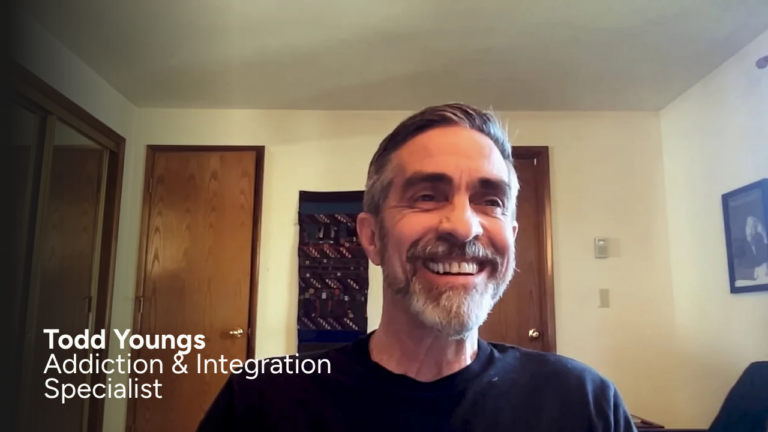
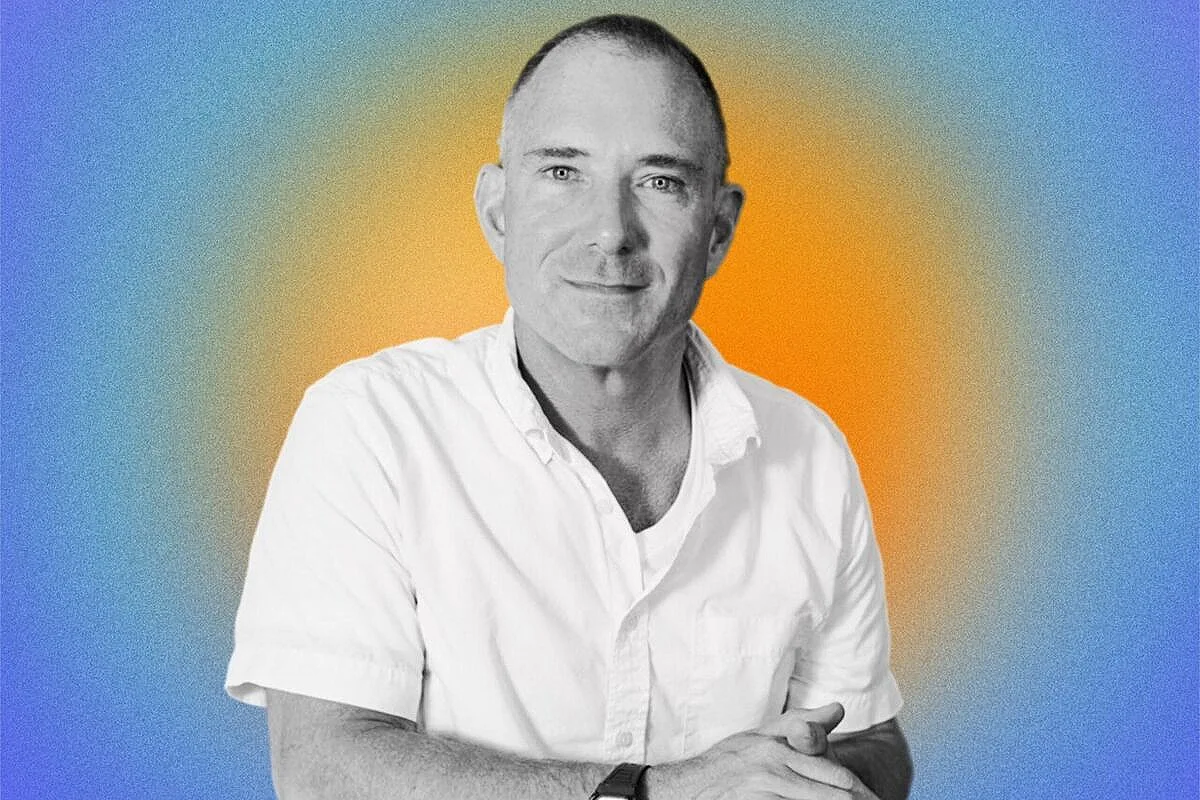
Jason Najum 00:02 Hey Todd, welcome to the Human Journeys Podcast.
Todd Youngs 00:05 It's my pleasure to be here, Jason.
Jason Najum 00:07 Right. So this is the Human Journeys podcast, and you definitely have one. W would you like to introduce your story to the audience?
Todd Youngs 00:19 yes. I mean, how far back do you want me do you want me to start at the day of my birth?
Jason Najum 00:25 we could we could go there. I mean let l let's start with like an elevator pitch intro. And then we'll get deeper.
Todd Youngs 00:34 my wow. to put my to to put my life journey into a sort of a cliff notes version that I I came into the to the world as a curious human being. I ended up plumbing the depths of the darkness of myself and then managed to emerge on the other side. A transformed human being. I mean, and and so sometimes th plumbing the nadir of life has given me now the gift to experience I the zenith or the apex of heaven. So going from the nadir of hell to the z the zenith of heaven has been quite I mean, I I use the language sometimes a spiritual journey that all human beings are kind of like.
Jason Najum 01:17 Zenith.
Todd Youngs 01:33 we we come into this into this world and we have our own journey. And for me, I characterize it now looking back the these last fifty-nine years as being an extraordinary adventure of of discovery and transformation and yeah
Jason Najum 01:55 Hmm. Okay. Solid intro. I like it. so mm, so addiction journey is your story.
Todd Youngs 01:59 Yes.
Todd Youngs 02:09 Yes.
Jason Najum 02:11 Mm. And I mean, however however you feel like describing that, from from from what I heard your road was was rocky and I mean you you've been through you've been through it all.
Todd Youngs 02:26 It I mean it it was rocky. It was mostly by by self-created I I I chose the road less traveled, but I I I chose it willingly. And it was it became rocky. But you know, something I mentioned a couple of years ago in a podcast that just came to me while I was sharing then, which I can share again now, is that, you know, as I mentioned just a minute ago, I
Jason Najum 02:38 Mm.
Todd Youngs 02:53 I came into the world as a really curious human being. That I I was born to loving parents, 1967. I was born in Germany. My my parents were school teachers for the American Department of Defense. but I so I had loving parents, loving extended family. I had a very profound, innate sense of curiosity. And what I had said, you know, what I've said in other occasions is that. My parents might have done well to put the the maxim curiosity can kill the cat above my crib. Because what was going to guide me henceforth from then was this enormous adventurous curiosity that took me into all sorts of places. I want to say though, it curiosity is a wonderful quality to have, right? So whether I I came to love books, I came to love music, I came to love sports, but I I came to love altered states of consciousness. And and so I one could say I had a maybe a genetic predisposition to vulnerabilities to chemicals. I mean, there's enough evidence to suggest that there's a strong genetic contribution on that. But whatever it is, that my personality structure was such. that I as soon as I was old enough, I began using chemicals to alter my state of consciousness, my experience of life. It's also important to maybe note, because this will be relevant later, is that I was also a very in sort of a born agnostic. You know, I I I didn't believe in Santa Claus when I was by the time I was four. So it kind of gives you an idea of how my my curious mind worked.
Jason Najum 04:38 Mm.
Todd Youngs 04:46 Was always asking questions, not closing the doors, but always probing and evaluating. So, like many people in high school, I started out, you know, yeah, smoking some weed, taking some acid trips. this would have been in the mid 80s and or early 80s. And then critical juncture for me came in 1985, where I discovered that. I really liked cocaine. And that was a it was very prevalent in the United States, especially by the mid 80s. There was a lot of really high quality cocaine just sort of flooding into the United States. And I found out that I really liked it. And and then I found out I really liked smoking crack, which was also in 1985. And and and then I found out that I loved using cocaine intravenously. But so, but along with cocaine. Especially intravenous use comes a lot of there's a lot of discomfort with it, a lot of anxious, cravy type of behavior that I also discovered was could be addressed by using heroin with cocaine. So this was my introduction to what we called then, and we still do, call a speedball, mixing heroin with cocaine and using it intravenously.
Jason Najum 06:07 Yeah.
Jason Najum 06:12 No, no, no. The classics drugs, the slippery slope, the gateway into the slippery slope. Should we use those cliches?
Todd Youngs 06:20 Well, I mean y you could call it that. It wasn't even a s this was this wasn't even a slope. I just fell off a cliff. I I went right from recreational drugs like smoking ki marijuana and maybe taking some acid trips to injecting mixtures of cocaine and heroin. Yeah, I fell right into the to the depths. And it was also during that time that I I did start using crystal crystal meth, but my
Jason Najum 06:28 Mm.
Todd Youngs 06:50 You know, so I had exposure to that too. but my real love was cocaine and heroin. Unsurprisingly, developing a relationship with those compounds was not going to end well. And and and it didn't. I that I kind of set the the trajectory of my life was set there. It was a few years later that I developed kind of a A very severe form of alcoholism developed what an an an increasing sensitivity to the presence of alcohol. but that that didn't set in right away. So I don't want to get too far ahead of myself, but so there it is, mid 80s. I developed relationships, deep relationships with very powerfully addictive drugs. And that kind of created the template for the rest for. 20 plus years after that. Now, by some good fortune, you know, I went to college somehow during a little bit of that period, maybe until 1987. I I didn't, you know, it was kind of middling grades because I was trying to juggle the dark world that I lived in of hard drug addiction. Selling psychedelic drugs. In the hippie world that I inhabited to pay for hard drugs. And so I was trying to, I was trying to make sense out of these disparate currents and threads in my life. On one hand, I was trying to live a life of peace and love and the other virtues that were held so highly in the counterculture. But at the same time, I
Jason Najum 08:37 I think.
Todd Youngs 08:45 Being a drug addict, I was intensely self-centered. Because no matter what kind of high-minded ideals I may have had, the fact was, every day when I woke up, getting and using heroin was the most important thing in my life. Because nothing else could happen until that need.
Jason Najum 09:07 Yeah. I yeah. I guess dri Yeah.
Todd Youngs 09:11 Was satisfied. So anyway, I'm I don't want to ramble too long, but this is kind of was characteristic of my life for for 20 years, starting in the mid 80s.
Jason Najum 09:20 Mm. Mm. So a a natural curiosity led you to explore and exploration led to maybe a discovery of a physical addiction or just a general addiction and it dominated it dominated your life all the way till you're almost into your forties, into your till your fifty. Mm.
Todd Youngs 09:35 Yes.
Todd Youngs 09:40 Until until I was forty-two. Two thousand and nine. was what that's my my that's when I got sober. That and that's the term I use for it. So I mean, strictly speaking, May 9th, 2009 is what we would call in recovery, my recovery community, that's my sobriety date. in in that ensuing years, you know, I was incarcerated different, you know, I went to jail at least, I don't know, twelve, fifteen different times, did a stint.
Jason Najum 09:49 Mm.
Jason Najum 10:00 Mm. Right. That's
Todd Youngs 10:10 in prison, went to treatment centers, was on methadone programs, saw counselors, lost my teeth, half my teeth anyway, lost close friends, collapsed veins. The the the the entire litany of attendant miseries that go along with hardcore addiction were visited upon me. And and in the course of that too, you know, a lot of that was
Jason Najum 10:10 Mm-hmm.
Todd Youngs 10:40 You know, it was traumatizing, you know, but here again, I I didn't come into addiction as many a good portion of people come into addiction as a result of trauma that preceded it. In my case, that was not true. My the difficult traumatizing experiences I had came as a result of addiction, which then did help sustain the addiction.
Jason Najum 10:43 Mm-hmm. Of course.
Jason Najum 10:54 Mm.
Todd Youngs 11:09 There's this sense of guilt, shame, remorse, regret, putting oneself in harm's way, d blowing up potentially beautiful romantic relationships because the core of my being was driven by these like spiritual gremlins, you know, whether that was, you know, heroin, alcohol.
Jason Najum 11:10 Mm-hmm.
Jason Najum 11:14 Mm-hmm.
Todd Youngs 11:39 cocaine and a whole all sorts of other unhealthy behaviors. And so I almost think of those things, I I don't want to overly personify them, but they're almost like sentient entities that were had sort of commandeered my life. They had certainly from a neurological, neurochemical point of view, had hijacked my brain's reward system. And quote, you know, But also in a in a spiritual way, they kind of had commandeered my life and and left me in a state of profound powerlessness and despair. anyway I'll take a picture.
Jason Najum 12:16 Yeah.
Jason Najum 12:23 Yeah. Yeah, there's there's there's there's so there's so much there. yeah, I guess a a thought that I had is I mean you mentioned earlier on how addiction is a very self centered and ego driven thing. You know, it's the it's the only thing you can think of. And that was that was something that that stuck out. And then I guess you've you've been through the whole gamut, you know, someone seen it from the outside, you know, you've experienced it all from this term. And I I've only seen it from the outside. So I guess I'll say first of all, congratulations. I guess it's been how long now? Two thousand nine? Seventeen years. And
Todd Youngs 13:05 Seven seventeen years. Yeah. It's it it's quite miraculous, really, if I can use that word.
Jason Najum 13:12 Yeah. I mean, I yeah, you've been through it all. I mean, there's been, I mean, jail and lose you know, physical deterioration and the deterioration of your relationships and your family. And you mentioned that about maybe you didn't enter addiction, d you didn't get led to it because of existing trauma, but then you create something within you that needs that you know the shame and the guilt, and then and then you you're kind of creating conditions where the addiction kind of grows with what you've created. And I g I don't know what it's like, although this there's the I do know what it's like. In in in everyday life, you know, sometimes you could feel yourself slipping away from yourself or a mental health condition or, you know, it can be minor and and all of a sudden life seems too overwhelming and how do you you know, so how how how can I can relate to your story in this very similar ways? Maybe yours has some more extreme milestones along the way than the average person, but it's It's like the human condition just with, you know, yeah.
Todd Youngs 14:12 Yes. Right. Right. The human condition is, you know, is one of s great beauty, but also great suffering. Right. And and sort of like in, you know, in Buddhism, they talk about the first noble truth is that life is suffering. But which is not fatal, not to be understood as fatalistic, because the rest of that particular spiritual tradition and path is that there is a there is a solution to how we experience. that and and so i have found that with within now in buddhist terms it would be practicing the eightfold noble path is how we overcome the the bondage of that pervasive suffering that is that characterizes life and so yeah
Jason Najum 15:04 Mm-hmm. Yeah. I mean we can go down we can go down the Buddhist track. I I like that you brought that in there. And maybe that kind that that'll probably tie in eventually to like your perspectives now on things. but I guess. Yeah.
Todd Youngs 15:17 and how I and how I and how I broke f well what freed me from the prison that I had built around myself, right? And I think that's I I think when it was first suggested that I sit for this for this podcast, you know, there's a strong psychedelic component to how how I was freed from the prison. But but if it was
Jason Najum 15:43 Yeah, we haven't got there yet. I mean this states of mind. Yeah. States of mind is a psychedelic yeah, yeah. So definitely so eventually we'll we'll get to the we'll get to the climax is ayahuasca came into your life.
Todd Youngs 15:46 Yeah, right. We're we're we're
Todd Youngs 15:58 Right. Well, that was really the that was the shift. Going back to 2009, it I don't know necessarily if it was the climax, but it was certainly the the end of my old life and the beginning of my new life. If we think of like rebirth to borrow a a a Christian term, you know, the end of my old life and then the beginning of the new. what sat at the intersection there was some very serendipitously experienced ayahuasca ceremonies. And that was, you know, yeah, that was a pivotal time.
Jason Najum 16:47 Right. so would you credit psychedelics? Would you credit ayahuasca for the shift? I mean, you you did it all. You did you did twelve step, you did AA, you did classic therapy, rehab, jail, prison. I mean, all the things I'm sure you were trying to get clean. I'm sure it was kind of you you probably went in cycles of, you know, of some progress and then some regress. And then there was a shift. And I don't know. Do we want to credit it all to psych? I mean, part Credit goes to you and your work and your persevering, but the shift happened after with psychedelics.
Todd Youngs 17:24 Y yeah. I mean, l let me one way that I I have come to prefer to phrase this or language this is that for me, Iow ayahuasca was like an engine and the twelve steps were a transmission. And and that was the vehicle of my transformation. It took b I mean, it took both. Honestly, before 2009, I never really made an a wholehearted attempt to change. I wanted the suffering addiction to lessen. I wanna I I always wished I could drink like a normal person. but we've been talking about drugs, but my alcohol use disorder, the preferred phrase these days, was so ugly that family members preferred me to simply be using heroin as to be drinking alcohol. So I I was literally this sort of Dr. Jekyll, Mr. Hyde kind of alcoholic. I wanted to be able to learn to drink like a gentleman. And I couldn't. I wanted to be able to use drugs. Without breaking the bank, without putting myself in precarious situations constantly, but I couldn't. So any any attempt previous to 2009 was really half-hearted, kind of like, I was in trouble with the law. So the judge told me I had to go to recovery meetings, or I had to go to treatment center because I was mandated by the court to go. One time did I go of my own accord.
Jason Najum 19:08 sí.
Todd Youngs 19:10 That is true. It would have been in the summer of 2004. I lit I willingly went and signed up for a treatment center and and managed to get kicked out. But I actually, but long story, I don't want to spend too much time on that, but I did actually willingly sign up for that one. but it was because part of my I I suppose the pervasiveness of my dependencies was that I couldn't really imagine life.
Jason Najum 19:30 Mm-hmm.
Todd Youngs 19:40 without these substances. They I loved them. I was, you know, you sometimes you hear the language, it's sort of like a romantic relationship with a very in a very toxic relationship, but an inability to remove oneself from it. Right. And so I had had exposure to things like 12 steps. I had had exposure to going to see therapists and psychiatrists. But all of those attempts Prior were really my heart wasn't in it. You know, I wanted the suffering to stop, but I wasn't able or willing to do the work necessary to rebuild my life because it's it takes some work to, you know, undo the wreckage of the past and to build a new thing. But but after the the the ayahuasca experiences in 2009. I saw or came to believe that my life was going to change. And and so that I became very motivated. I had the willingness to do something different. And that had never existed before.
Jason Najum 20:52 Mm-hmm. What do you think the mm what did psychedelics do? Like maybe maybe let's get a little bit more granular. What do you think what do you think psychedelics did to facilitate that to? I mean, I've heard some like someone described their experience like they were they were a lifelong smoker and they knew they should quit. And they knew intellectually they should quit. And their doctors told them and their family told them and She was a mother and she had a child. And it was only with psychedelics that she then processed the knowledge and noetically was is a term that I really like. Right. It's like it's like a felt knowledge instead of an intellectual one. And it was only after in a psychedelic trip, you know, like she the her vis her for her it it visualized as her her, you know, her child seeing her dead body because she didn't s finish smoking. She didn't quit smoking. And then she left the experience.
Todd Youngs 21:25 Yeah.
Todd Youngs 21:32 Yes. Yes. Yes.
Jason Najum 21:51 No n f knowing in a felt way that something had to change. And that was the only way he could. She was the only way she was able to break the grip of addiction, despite knowing it here.
Todd Youngs 22:05 Absolutely. And and this and the no the the word noetic is a wonderful descriptor of my experience. So, or some might say, you know, it's like an experiential knowledge as opposed to a theoretical knowledge. Things that I had learned or thought about or talked to therapists about. You know, I truth is I liked going to see a therapist because I could kind of shoot the shit with them, right? Kind of banter. But it didn't go anywhere below the neck. I needed my heart to feel to come to have that sense of noesis, like, I can, this can change. And for lack of a better word, it really is a kind, it's a spiritual experience. That that shift in awareness, which was it looking back, it was really small, but it was. profound and utterly life-changing. It was kind of like all of a sudden I saw things slightly differently. I saw what I was, I knew it what I had been doing to myself. The evidence was all over my body. You know, I mean, I had track marks on my jugular veins. You know, you know, it it's hard to, you know, be really in denial, but but those early ayahuasca experiences, I I felt the love I mean, it wasn't that my life was without love. I had lots of people that loved me. I managed to sort of alienate all of them or separate myself from them because of my own, you know, my own darkness and my own toxic presence. But I came, I felt this great sense of love and a feel deep sense of hope. And and that's what came. And also the little insights. This is what I'm doing to myself. This is probably kind of like the the smoker. And later, two years into my sobriety is actually when I stopped smoking cigarettes after an ayahuasca experience that showed me now it's time to deal with that very unhealthy practice, which was secondary to my other addictions, but was also going to kill me if I didn't stop. And it was a moment of clarity, like this is what I'm doing. And I saw the ugliness of it.
Jason Najum 24:08 Mm.
Jason Najum 24:18 Hmm. Right. Yeah.
Todd Youngs 24:26 And I saw the beauty that could replace it. And I and and found a, you know, a sense of motivation and and I could commit myself to the change.
Jason Najum 24:37 Yeah, beautiful. yeah, that's that's
Todd Youngs 24:38 let me let me there's one little one one comment that I'm often asked about, so I'm gonna fill in the detail here. It's important to know that you know I was addicted to things that are physically habit forming. And ayahuasca as a psychedelic doesn't it doesn't help so much with the the acute phase the phase of acute physical detoxification from something like heroin or alcohol or benzodiazepines. I bec I was I had gone to jail for the last time in that spring of 2009. And that's where I physically detoxed from opiates and alcohol and benzodiazepines. The difference this time. So I was I got out of jail in a state that some might call like stark raving sober. Like very uncomfortable, physically clean. Whatever that means, not not dependent anymore, but really raw. But that then I was in a a a place where I could participate fruitfully in ayahuasca ceremonies. And then that repla you know, there's a phenomenon or a syndrome that we call post-acute withdrawal syndrome that comes after the the acute phase of detox is done, and then there's this long period of.
Jason Najum 25:50 Mm-hmm.
Todd Youngs 26:05 Restlessness, depression, anxiety, rawness that lead many people to relapse. Well, the beauty for me, so I I came in now, I was fresh, I was sitting with ayahuasca, and it helped me to bypass that whole post-acute withdrawal syndrome. Literally on a neurochemical level. Something was happening. It was seemed, or that's what I'm hypothesizing.
Jason Najum 26:22 Mm.
Jason Najum 26:27 Yeah. Replace with with replace withdrawal with an ayahuasca ceremony and or or or use it to help you get through the withdrawal period. Yeah.
Todd Youngs 26:36 Well, g through the post-acute withdrawal. The my the acute withdrawal was actually in jail. That's like where you've got the shakes, you know, you can't sleep, all of those other things that are characteristic of acute detoxification. But the very critical period right after that is post-acute. And that goes on for a couple of months where people often relapse in that period. And I say all that to say. That of the psychedelic compounds, it is only ibogaine that has this kind of unique pharmacological ability to drastically diminish the experience of physical withdrawal from certain drugs. Which which is, you know, beautiful. Now, I I didn't have access to ibogaine, nor would I have been able to afford it at that time, because that and at that time I didn't have a passport because I was a felon.
Jason Najum 27:18 Yeah, exactly.
Todd Youngs 27:31 under the authority of the Office of Probation and Parole. So I couldn't even leave the country if I wanted to.
Jason Najum 27:36 Yeah. So yeah, so this that's interesting. So so ayahuasca doesn't necessarily have physical or or or neurochemical addictive relief, but it somehow it did lead you to addiction recovery. So yeah, so so back to those moments that you so you mentioned you saw hope, you were given like you were yeah, and you were hopeful after.
Todd Youngs 28:00 Well done.
Jason Najum 28:03 And maybe let's let's try to dig in a little bit to the to those to those moments. Like w what do you think the shift was from like a lifelong addiction of of like the hardest drugs and it was it was just some hope given to you? Did you did you like for example, in on one ayahuasca ceremony with myself and I saw what was going on inside me and it was relatively mild to whatever was going on with you, but let's let's whatever. There's there's no hierarchy of suffering for the humans. And but I it was I just saw what was happening inside me and I felt bad for my from a third person I saw myself and I'm like, like you know poor poor guy, poor kid. Like like like look look. Yeah, it was compassion and and a little bit of pity
Todd Youngs 28:54 Compassion Well compassion.
Jason Najum 28:58 And I'm like, you know, like why you doing this to yourself? And it was a I I still remember that moment. So and and you know, that so I wonder what was your sh like how did this shift happen? Was it just glorious, beautiful light and and then after or yeah, what was going on with the underground?
Todd Youngs 29:13 It had content. It was that. It was a it was a loving presence that some people call God, goddess, great spirit, great mystery. But it was a definite felt presence of love that allowed me to look at my life and the mistakes I had made. For instance, the collapse of the first love of my life, you know, the first, and and the the grief that came from that. Other areas, you know, that was very prominent. And to be able to revisit that and the and the person that I had been with, and the the dashed hopes and this the profound sorrow that came as a result of losing that. Other areas of my life were. I had maybe taken the wrong road. But over the the pervasive sense of compassion that and that all will be well. Like I was giving the I was giving an opportunity for a new life. So it was in that loving presence that, you know, when I use the word hope, that if for the first time I could envision my life, drug and alcohol free.
Jason Najum 30:41 Mm.
Todd Youngs 30:41 And not because I was trying to BS myself, you know, like fake it till you make it or whatever. This was like, no, it became very clear that those residual, the heartaches, the mistakes, the guilt, shame, remorse, regret, all that stuff was like this, whatever this loving presence was, was like, it's it's all your tears can be dried, your pains can be soothed. you you now have the the gift go on and live a new life and so what what that inspired interestingly it for the first time I thought wow I'm gonna go back to AA and I'm gonna because I had read the books you know I you know and and been around it and and for the first time I saw that all of the principles processes and practices that are included in
Jason Najum 31:15 Hm. Mm.
Todd Youngs 31:41 That particular spiritual recovery path and other recovery paths for that matter, I saw the beauty and power of what those practices and principles were. And I felt like, I want to do this. And so for me, that was a dramatic shift. Because if you would have asked me in years prior what I thought of recovery rooms, let me just say I held them in great contempt.
Jason Najum 32:10 Mm-hmm.
Todd Youngs 32:11 I felt, you know, I mean, 12 steps were going to ask me to do things that I absolutely did not want to do. Surrendering to high, you know, surrendering to a higher power. Well, if you're naturally agnostic, the whole idea is quite offensive. The the intense self-examination, the the making amends to others, restitution, basically trying to go.
Jason Najum 32:20 Mm.
Jason Najum 32:29 Right.
Jason Najum 32:38 And
Todd Youngs 32:41 fix things that I had broken required a certain level of humility that I didn't naturally possess. You know, I didn't want to do this. I didn't want to have to admit I was wrong on so many in so many areas. But after those those experiences with ayahuasca which was quite a series, I wanted to do that. And so I got involved in my local AA community, got a sponsor
Jason Najum 33:05 No.
Jason Najum 33:09 Mm-hmm.
Todd Youngs 33:10 Started working through the steps with a great vigor. And all of that was very different for me. I at that time, it's a you know, I was living in my mom's basement. It's not an uncommon place for 42-year-old late-stage drug addicts and alcoholics to live if their family will still put up with them. But her response was like.
Jason Najum 33:32 Yeah.
Todd Youngs 33:38 my God, I prayed for decades that something would help you and and here it's happening. You you you're like Lazarus, right? You you've come out of your tomb.
Jason Najum 33:44 Mm-hmm. Yeah. So psychedelics allowed you to properly do recovery. You were, you hadn't, you hadn't fully tried it. You were, you know, you know, ha happy like somehow to slip back into it. Like you, you had never given in the full go. And psychedelics allowed you to to take that step. It's a
Todd Youngs 33:56 Yes.
Jason Najum 34:11 Psychedelics opened your heart to t to the twelve steps. And yeah, I guess I would say, mm, like why like were you cognizant of the pain you were ca like you've mentioned causing yourself pain, like deterioration of your body? Like you were cognizant, like why did you want to get clean? You like you're aware like you're causing your mom harm, like the relate you mentioned, like the love, the the regret of a lost love. like what what do you what was the
Todd Youngs 34:14 Yes, absolutely. And
Jason Najum 34:41 driving motivation that finally got you to to take those steps.
Todd Youngs 34:46 Well, Once I had this vision of myself and what I could be, and that the persistent belief that I could not live without drugs and alcohol, once I saw, once I was able to reframe that, and and those voices became quieter or even more kind of like small. And the other voice, the vision of my future, I was like all in.
Jason Najum 34:50 Mm-hmm.
Todd Youngs 35:16 I I went from a doubter to like a like a full believer, almost overnight, as it were, which was quite striking. And and that is where whatever doors were closed to me before, the lack of willingness, lack of hope, whatever, just profound disillusionment, despair, and demoralization was now replaced with a sense of of of like wow. I I I'm moving in a new direction now. And and so it kind of unfolded somewhat effortlessly. I mean, there was work involved still, but I didn't have to be browbeat. my sponsor told me later.
Jason Najum 35:47 Yeah.
Todd Youngs 35:59 First, I didn't tell them about the ayahuasca, which is not surprising because I didn't want to be chastised, right? And it was like four months, three months into my recovery is when I took step five. If some of the listeners that are familiar with 12 steps will know what that is. it confessed to God, to ourselves and other human beings.
Jason Najum 36:07 Yeah.
Jason Najum 36:18 Mm-hmm. What is it?
Todd Youngs 36:24 The exact nature of our wrongs, which is on step four, made a th fearless and thorough moral inventory of ourselves. And then step five is admitted to admitted, not confessed, admitted to God to ourselves and that other person who's my sponsor, the exact nature of all that stuff that was in my moral inventory, which is a whole list of resentments, fear, conduct, sex conduct, all of the sort of the dark.
Jason Najum 36:40 Mm-hmm. Mm-hmm.
Todd Youngs 36:53 Karmic baggage is on step four. And then step five, you actually share it with your sponsor and your higher power, however you think about that. and so I I got with the program, so to speak. I didn't lollygag. And so it's about three months, I took step five. And it was after that that I shared with my sponsor, I said, Well, there's this other thing I've been doing. I've had the opportunity to sit in these shamanic, you know, settings. And his response was not critical at all. It was like, well. Something happened. Something happened from the guy who had track marks on his neck. And you were all of a sudden amenable and open to all of the things that we do in the rooms of recovery. And he said, So I'm going to advise you never share this in an open meeting because it's not necessary, because it's just too controversial. It wouldn't be productive for a for a meeting, an open meeting. But he said, I can see the results. And if those experiences helped you to get where you are.
Todd Youngs 38:09 then you know that's a good thing. Because whatever you were before so anyway, I wanted to say all that. So is
Jason Najum 38:13 Mm-hmm.
Jason Najum 38:20 Yeah, definitely. And so it seems that there's a n I don't say like a natural synergy between psychedelics and you know, the ego dissolution and all all the things that can come from from psychedelics and some of the aspects of the twelve step program, like psychedelics can like taking those steps, especially the number four and five you mentioned, and I'm sure there's other ones, they they require you know, a tearing down of internal walls and a breaking down of the ego and and just like a letting go, like a letting go and a vulnerability and psychedelics allowed you to step into the twelve steps, I guess. yeah, and did you like as you mm started to take those steps, did you
Todd Youngs 38:52 Yes.
Todd Youngs 39:06 Yes.
Jason Najum 39:17 better like start to discover what it was like like I guess you knew for high level what you were doing wrong, what your problems were. I'm sure you could have named them, but as you started to speak them and as psychedelics allowed you to open up, did you see more? Did you understand why you went to the drugs? Why you what was driving you on your internal, you know, framework? Like what was driving you there? Y you discovered more as you were going through it. Yeah.
Todd Youngs 39:41 There's an un it's it's a continually unfolding process. So I learned more and more about myself and some of the things that motivated me, some of the things that were more subtle. I I saw looking, you know, because there's a lot of self-survey and historical survey that are involved in 12-step spiritual recovery of examining the past, seeking to make amends for different aspects. But I also saw I was able to look back and see how.
Jason Najum 39:45 Mm.
Todd Youngs 40:11 My not just my curiosity, but how my intense pleasure seeking had eventually taken me to a place where it was no longer about seeking pleasure, it was to seek to avoid the pain that reckless pursuit of pleasure can bring. And I started to understand I could see my strengths as a person, but I I could also see the liabilities that came with my personality, my you know, sometimes disguised, sometimes not disguised egotism and how some of those things led me to not always value other people as highly as I should. Even though e even though I sometimes I confused my natur I did have a I was kind of good natured growing up, but there was a sort of subtle kind of egotism that egotism that came along with my good naturedness. That eventually overcame my good-naturedness and it kind of degraded my personality. I got a chance to look at all this stuff without judgment of myself, but with a sense like, I can make improvements and adjustments here. I can, you know, learn to just be a human among humans, not better, not worse. Just another, like going back to the phrase we used at the beginning of the conversation, another member going through the human condition.
Jason Najum 41:31 Mm-hmm.
Todd Youngs 41:39 Another member of the human family, experiencing the human condition in in my own, you know, sort of unique personal way. And then, you know, as the steps move along, it's a gradual, it's really about the enlargement of the spiritual experience of life. And like we think of step 11 is sought through prayer and meditation to improve my conscious contact with God or higher power of my own understanding. And then ultimately.
Jason Najum 41:42 Mm-hmm.
Todd Youngs 42:09 It's about service to others, like how can I contribute to the stream of life? And so that you know, we're talking about psychedelics being a catalytic aspect. And then this framework that the spiritual framework that the twelve steps bring allows those maybe epiphanies or peak experiences to become enduring, you know.
Jason Najum 42:12 Yeah.
Jason Najum 42:34 Mm. Twelve steps is integrating with the twelve step program.
Todd Youngs 42:38 Well, and then this is prior to the you know the emergence or popularity of the term integration, right? I we I was twelve steps was a form of integration that was already s self-standing, right? And so when when I started hearing, I can't remember what year it was that I started hearing more about the term integration. And and my thought and comment was always, wow, there's all of these recovery programs that are already developed. integration programs for psychedelic experiences. You know.
Jason Najum 43:10 Yeah. Yeah, seems like it. Yeah. I was having a thought as you speak as you were speaking, like what what got you there originally? And maybe just a quick thought on, you know, like like growing up it it seems like you have a slightly you're open to the spiritual aspect of things. Now, like you you'd mentioned that you're you were agnostic and then now there's like, you know, a slight spiritual tone maybe to how you see things, even if it's not necessarily religious. And do you feel that that was what one of the things that was missing and you know you know that growing up in the eighties, you know, America at its kind of like hyper capitalist materialistic peak and a lot of the art and the culture around this was on the kind of you know spiritual void on the inside and you know grunge music was around the corner trying to like address that cultural void. that's what I that's how I've always described the the the nineties counter culture was like a reaction to the kind of vapidness of the eighties. And so, you know, the you mentioned the pleasure seeking and so do you you think that part of what got you there originally was was was a was a lack of a grounded Yeah, that's it. You're happy to call it that. Yeah.
Todd Youngs 44:29 Spirituality.
Todd Youngs 44:32 I mean, I I think the I've come to believe that there is that we do have a spiritual core, that there is a certain spiritual hunger or desire for connection with something larger than ourselves. I think it however I I don't want to speak of this in a religious way necessarily. Although these days I do have I do have religious beliefs now, but that was a gradual unfolding process. So it went from general spirituality. into an actual I do have religious practice that's formal. but I I think the unsatisfied deep spiritual yearning that I had was part of was part of my problem. And I I there's a Carl Jung once said something that addiction is Can be thought of as the thirst of the soul for wholeness. So, in other words, it's kind of like addiction is a failed spiritual quest. In the desire to satisfy that thirst or that yearning or longing for something bigger, connected, not you know, to each other in the most deep, meaningful way, things that religion has historically provided, whether in pre, you know, prehistory or all the way through the millennia and centuries. not having that core, you know, like I said, curiosity is one thing, but it it's sort of like you want to be a seeker, but sometimes eventually you have to find at least something. You can't be endlessly seeking without f ever finding anything. And or at least that was my experience. And you mentioned grunge. I I lived in Seattle in the nineties. That's where that's where my drug addiction started in nineteen eighty five in Seattle. And so I was I was in that era. Yeah.
Jason Najum 46:28 Mm. Well, at least you got some good concerts. If you remember them. If you remember any of them, but yeah.
Todd Youngs 46:39 yeah, I I I remember I was there.
Jason Najum 46:44 Yeah.
Jason Najum 46:50 I'm I'm envious of that part. I mean, it must have been an interesting time. And it's a really it's a cultural shifting moment. And you are caught. I mean, that like for people to be caught up, I mean, in that I mean that generation, your generation, I mean, check the overdose rates. I mean, there was there was a cultural shift that people in the West, people in North America especially had to like live through and and You know, we could we could say it was like first world first world problems, but they were real problems that that we as people who grew up in the kind of luxurious West had to deal with this deal with this cultural shift. And a lot of it had to do with probably the shift away from religion and you know, suburban overconsumption and divorce and the kind of and all these things and it led to like a general, yeah, and like a cultural malaise.
Todd Youngs 47:24 Yeah.
Jason Najum 47:41 That you felt personally and that showed itself through the you know, cultural and the music and all that. yeah.
Todd Youngs 47:48 Well, it's also interesting too, and going back to the you know, the
Todd Youngs 47:55 There's a pleasure-seeking aspect. There's a design, you know, the the pleasure principle, the avoidance of pain principle, all these things are profound, you know, human programs. But one of the things I was also, you know, I mentioned that I was part of, you know, I was self-styled hippie. I believed in, you know, although I lived in a grunge era, so I had a punk rock sensibility, I also, you know, was not necessarily a Deadhead, but I I was. Part of Grateful Dead scene. There a lot of psychedelics there. There was a, you could feel that there was an attempt made in within hippie culture that I lived in to connect with this that spiritual center within human beings. You could see that it was there. And this was a genuine reflection of that. But along with it, the in that sort of open-minded sort of live and let live. All is one, all is good. The the heroin and cocaine were very prevalent or grew into the hippie culture that I was in and ruined it because they they were a substantive departure from compounds such as LSD. MDMA was really big in the 80s, too. The first wave of ecstasy was then. So though that was there, mushrooms, LSD, cannabis, things that were.
Jason Najum 49:07 Mm.
Todd Youngs 49:24 less abusable and life capturing, but within a lot of that cohort, crack cocaine and heroin use it in made an invasion and cost the lives of many people that I knew and loved and respected.
Jason Najum 49:35 Mm.
Jason Najum 49:42 Mm. Yeah.
Todd Youngs 49:43 so even in the midst of something that was kind of like a spiritual revolution in a sense, you know, I think some of the this is a little bit different than the grunge impulse, which was a reaction against the sort of vapidity of ever expanding suburbia and and overconsumption. Within the so I lived in two worlds, the the sort of punk sensibility and in the hippie sensibility. Both were trying to do something, but somehow.
Jason Najum 50:12 Yeah. You say the hard drugs you say the hard drugs kind of got in the way of that movement and the movement Yeah, yeah, it did. it kind of hijacked it.
Todd Youngs 50:13 The
Todd Youngs 50:20 Yeah.
Todd Youngs 50:24 And and that is not, you know, there's a historical precedent for that. I mean, late 60s was a time of great you know, there was great promise around maybe new ways of thinking about things, psychedelic experiences, lots of studies were being done. But then the then along with that came a lot of very self-destructive behavior. And we saw by the early 70s massive use rise in heroin use, crystal meth use. Cocaine was emerging in the 70s. And so a lot of the those phenomena started in the late 60s. You know, the Summer of Love in San Francisco was kind of like the beginning of the end. My friend Dave Smith, who is the founder of the Haight-Ashbury Free Clinic, in 1967, has described in quite vivid detail what started happening in the Haight-Ashbury when crystal meth and heroin made inroads into the in into the hippie populations and cause a lot of havoc. So we saw this before and my generation was just a little bit later, but we underwent the same problem. We fell for the same temptation. And a lot of people died. You know
Jason Najum 51:38 Mm. Yeah. maybe that's a good segue maybe w as we're winding down things over here to speak about psychedelics as a drug, potential for addiction, like all these things tied in. Like how do you like slightly shifting gears, how do you balance these two things as someone who's completely sober, as someone who
Todd Youngs 51:59 Yeah.
Jason Najum 52:10 And as you said, you have to like deal with this parallel psychedelics as a tool for recovery, although in recovery you're supposed to abstain. Like how do you juggle these two realities of a substance, you know, use of a substance being positive in the addiction community?
Todd Youngs 52:27 Well, for me, I think even going way back, I think it's recognized that the pharmacological properties of classic psychedelics do not lend themselves to addiction. More technically speaking, they're not really very active in the dopaminergic reward pathway. Maybe somewhat. I'm not saying that there's no dopaminergic activity at all, but it's
Jason Najum 52:41 Correct. Yeah.
Todd Youngs 52:55 It it it pales in comparison to coke, meth, heroin, other opioids, you know, methamphetamine, alcohol for especially a certain subset of people where there's reinforcing properties. So for me, when I look at it, I I understand that traditionally recovery is about abstinence. I have a modified view of that, obviously, based on my own experience and my own recognition that classic psychedelics are not usually the things that. lead people to lose control of their lives completely. That's usually other things. So for me, but I I do find I do fairly clearly delineate the differences. Right. So a classic psychedelics for me, when used carefully and thoughtfully, I think are perfectly acceptable. and you know I still probably sit in an ayahuasca ceremony
Jason Najum 53:30 Mm-hmm.
Todd Youngs 53:53 maybe twice a year now. Whereas early recovery was was much more frequent because the fact is at that time I was a very sick person and I needed a lot of restructuring and a lot of the power that it could bring. So I I do have still periodic ayahuasca ceremonies. So I support that. I I support
Jason Najum 54:11 Mm-hmm. Right. And yeah. And do you sorry, do you do you s do you have to have you done are you involved in kind of combating the stigma to create that delineation? Because I as someone I come in in psychedelics media and the psychedelics industry, and I often hesitate. Like I very I rarely use the word drugs. and and I've had conversations about this, and some people want to. you know, take it back and own it. And I I just think it's like an unnecessary blurring of the line and I'd rather have a d delineation between the two. do you do you see it that way too, especially if you're speaking to kind of communities that'd be very sensitive to substances and the word drugs. are you are you doing that kind of advocacy for psychedelics is not the same thing. This is something different.
Todd Youngs 55:00 I I do. In fact, and I I can share this here. in in twenty fifteen, I was one of a few people that helped to create a 12-step fellowship that is psychedelic friendly. because we recognize the need for a a a forum where psychedelics could be discussed. In the context of 12-step recovery without fear of recrimination. So and and so I I I'm part of now an international fellowship called Psychedelics in Recovery, that I was I was in the founding generation of that of that fellowship. so I carefully sort narrate how I view things and based on my own experience and that of other people that I have come to know that have benefited from psychedelics that are actually also just regular conventional members of recovery groups, you know, convention, you know, conventional paths. And then, you know, I do some work with Nikki Mittani and Brian Anderson at UCSF, which looks at how 12 steps and psychedelics can be natural complements to one another. And the calling stories of people looking at it sort of in an observational study kind of way. my friend Dr. Nathan Sackett is at the University of Washington. He does work, he's the director of a center called the Center for Novel Therapeutics in Addiction Psychiatry, where they look at how psychedelics can be applied to a number of different problems, especially addictive disorders, right? And and so
Jason Najum 56:46 Mm.
Todd Youngs 56:48 The work that I do is being involved in academic projects like that that seek to at least find more confirming evidence of The benefits of psychedelics to the addicted population, but also along the way, also being very careful to speak clearly about which how they are different. And and and and making that those distinctions fairly clear. And then also cautioning people about the the risks of psychedelics for this population. And and and this is my you'll have to forgive my little soapbox here. One of the the downsides.
Jason Najum 57:12 Mm-hmm.
Jason Najum 57:17 Mm.
Todd Youngs 57:31 Is that sometimes beliefs that are not true can emerge from psychedelic experiences with regard to addiction. It is not uncommon for a new person to come to believe that maybe somehow he has transcended the physical constraints of what addiction is. And and so it's it would always be or to kind of engage in magical thinking.
Jason Najum 58:00 Mm-hmm.
Todd Youngs 58:01 Addicts are given to magical thinking anyway. Psychedelics can certainly inspire magical thinking, but when it comes to deep primary conditions like addiction, I think it's always good to speak clearly about which beliefs that may arise may be false beliefs. And that only
Jason Najum 58:06 Mm.
Jason Najum 58:17 Mm. So you step you step out of an ayahuasca, an addict goes to an ayahuasca ceremony and he's like, There it is. I'm done. I kicked it. I'm done. Hmm.
Todd Youngs 58:28 I'm done. Right. And then sometimes that pink cloud wears off. And then there's a return because the the the fact is, prof you know, severe addiction is deeply rooted. It's woven itself into our being at really core levels. Now it's totally in remission, and I don't live under a dark cloud of addiction. I I can call myself an alcoholic. It doesn't mean I have a scarlet letter A on myself. It just means that.
Jason Najum 58:33 Mm-hmm.
Todd Youngs 58:58 I my body has a certain response to the presence of alcohol, so I don't drink and I don't but I I live in a state of joy and effectiveness all the time. But and here's another thing related to that. It it I I've seen this happen. The ayahuasca cured my alcoholism, so therefore I can drink again. And now, if you're a true alcoholic, that biochemical reaction to the presence of alcohol is probably never going to reverse itself. It may leave you and be in total remission, but to come to believe that you may be able to drink like a gentleman again is misin is is a misunderstanding.
Jason Najum 59:25 Mm-hmm.
Jason Najum 59:32 Yeah. So there's like there's the thing about, you know, there's there's spiritual bypassing. And I wonder if like psychedelics can provide a a psychedelic bypassing, especially for for addicts or you know, the the the mind and the ego and the need, you know, I feel it with my telephone. I mean, I'm just like I'll I'm I'll create, I'll it'll invent reasons that I need, you know, I'm like, I'm gonna I'm gonna put it away for now because I know that I should. This is too much. I feel the addiction in my brain with the phone for sure.
Todd Youngs 59:43 They do.
Jason Najum 01:00:03 As someone that's a bit older and I I could track the difference in my brain. And I and I'll catch my brain in just inventing any freaking reason to reach for it, right? And completely made up. And I'll rationalize it to myself and I say that make that excuse makes sense. And then I reach for it. And that's with the phone, I can't even imagine with you know, with a with a chemical addiction. So
Todd Youngs 01:00:13 Yeah.
Jason Najum 01:00:28 And I I I if the add addiction is so strong, sure, let it it it can grab an ayawa a post ayahuasca enlightenment and twist it into whatever it needs to. You know,
Todd Youngs 01:00:39 Yes. You know, and and I wanted to share this too. A beautiful thing for me being involved in a recovery community, even though I was having these profound experiences with ayahuasca, the recovery community reinforces the theme of humility, learning to see yourself just as another and and that helped I think we've all recognized that there's an ego inflation that can occur with psychedelic experiences. It can be ego death or ego dissolv dissolving. But it can also fertilize the regrowth of the ego in different ways. It was very helpful for me to be in a community of people that reinforced the need to not be to not be anything other than a garden variety drunk. Like that was good. I that was the, you know, left to my own devices, I could rip, you know, make a mess out of myself. And I think that that and this that reinforcement. Of humility, or the theme of humility at least. I'm not going to say I don't have a natural tendency to humility, and maybe a lot of human beings don't, but at least I was given a model on how to understand that. And that was really good for my psychedelic experiences so that they wouldn't grow into something unhealthy.
Jason Najum 01:02:00 Yeah. but Todd, this has been this has been this has been really great. And and I do think it's important. I mean, it's gener it's important work for yourself, for your community, but in general, for like for the addiction community and for the psychedelics community, the recovery community, like we have to give part of the work here of of the idea of human journeys is to kind of create permission for people who are not necessarily psychedelic savvy and who aren't necessarily comfortable with it. And you know, there may be people who are in need of recovery who don't who who are really hesitant to reach to go towards psychedelics and although it could be very useful, could potentially save their lives, but they're not going there because of stigma, because of concerns. So, you know, the de-stigmatization is I think important in general for psychedelics, but especially for the addiction and recovery community. So so you're you're creating permission for people who who may really need it. So it's important. So good work.
Todd Youngs 01:03:05 Yeah, and that's and I'm really it for me it's a I'm super grateful to be able to do that. Just to be able to express my experience in a way that someone might hear and be able to take some solace from or find some encouragement. Right. And to live into live and and so I hope people can at least hear that message and and then it helps them. And you know, my wife and I that's another benefit of being.
Jason Najum 01:03:22 Mm-hmm. Yeah.
Todd Youngs 01:03:33 sober as I got a chance to marry a sober alcoholic woman who's I have a great life with her now, living in Port Townsend, Washington. And there's so many gifts that are available to us now. And so I hope that my message can at least inspire a seedling of hope in other people who might feel really hopeless.
Jason Najum 01:03:57 Yeah, there's there's there's options out there for you. Yeah. all right. I mean good work and and keep it up. And
Todd Youngs 01:04:06 Jason, I I appreciate it so much. It's been really fun talking with you.
Jason Najum 01:04:10 Yeah. Yeah, it was great to speak with you. And thank and thank you for sharing your story. This is this is great. This is what we're this is what we're here for. And this was this was this is awesome. I appreciate it.
Todd Youngs 01:04:19 Okay. All right. I guess we'll sign off now.
Jason Najum 01:04:21 All right. I'll hit yeah, I'll hit stop and we'll we'll have we'll we'll have a chat offline in the green room. all right. All right.
Todd Youngs 01:04:26 Okay, then we can Okay, okay. Okay.