Science
Can Changing Our Worldview Improve Our Mental Health?
Research shows that psychedelic medicines may change worldviews and improve mental health outcomes.
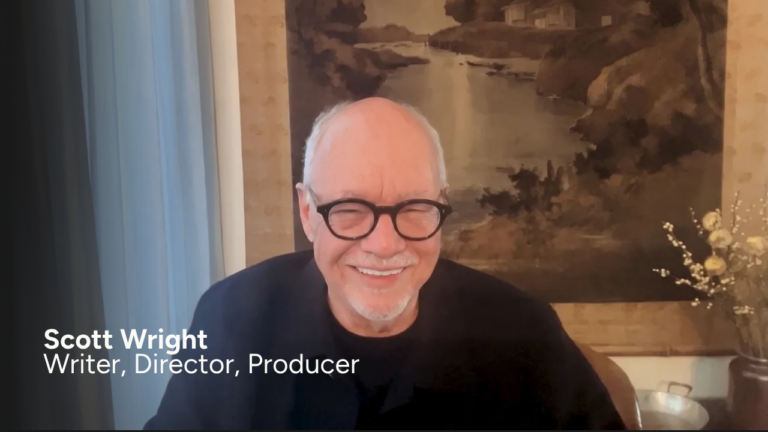
What happens when a 68-year-old has a psychedelic experience and decides it’s not too late to change everything?
Scott Wright joins Jason Najum on the Human Journeys Podcast to share how a single profound psychedelic journey in his late 60s cracked him open and sent him on a mission to document the stories of older adults doing the same. His upcoming film is a testament to the idea that healing has no age limit.
In this conversation:
> Scott’s Background and Road to Psychedelics at 68
> The Experience That Changed Everything
> Why Older Adults Are Turning to Psychedelics
> Healing Depression, PTSD, and Decades-Old Wounds
> Generational Shifts: From “Just Say No” to Psychedelic Therapy
> Honoring Indigenous Roots as Psychedelics Go Mainstream
> The Power of Community Through Shared Experience
> Making the Film: Vulnerability, Transformation, and Hope
> What Scott Wants Audiences to Take Away
Learn more about Scott:
Jason Najum 00:02 All right. Welcome to the Human Journeys podcast. Scott, nice to meet you.
Scott Wright 00:10 Nice to meet you, Jason. Thanks for having me. Happy to be here.
Jason Najum 00:14 Yeah, thank you for sharing your story. Why don't you start with a brief hello and a little introduction and then we'll continue the conversation.
Scott Wright 00:28 I'm Scott Wright. I'm a filmmaker. I make documentaries and I write original screenplays as well. And I'm here because of a film that I'm working on at the moment called The Next Chapter. It's about psychedelics and healing and older adults, people in the latter stages of their lives, know, 55 plus and how that's a unique and special. sector of the psychedelic space and how fascinating it is. And it all came about because of a personal experience I had in my late 60s.
Jason Najum 01:10 Wow. was that your first experience with psychedelics at that age?
Scott Wright 01:19 Yeah, my first experience, I was 68 years old. had a few years before that read Michael Pollan's book, How to Change Your Mind, which everybody was reading at that time. And I thought, okay, wow, this is interesting. Here's a guy my age, a very smart, great writer, a great journalist, and he's describing these experiences and really getting into it. And it piqued my curiosity. I read the book again for a second time about a year later. And I said, okay, I've got to check this out. Something about it was calling me. And so it took me another year or two to work up the nerve to actually go do it. And of course in the United States, it's not legally accessible at that time. Of course, now we have Oregon and Colorado and soon New Mexico. But back then it was not accessible anywhere in the United States. So I was looking around to where could I do it and realized it was maybe Mexico, Costa Rica, Jamaica, places like that. And so this is pre-ChatGPT. So I started Googling to see where I could access this kind of psychedelic assisted therapy. And I found a facilitator, an American woman down in San Miguel de Allende, Mexico. name is Maria Camille. And she had for a long, long time been treating returning veterans from the war as military people at a mountaintop retreat up in Colorado, doing some psychedelic mushroom psilocybin therapy with them. And then when COVID happened, she moved to Mexico and set up a practice down there. so we hit it off online. We did a couple of Zoom meetings. feel that there was a good connection between us. I felt I would be in a safe environment that I was held with someone who I'd had a good rapport with. So I booked the session, went down to San Miguel and did the journey with her and it absolutely turned my life inside out, upside down in the most wonderful, powerful way, changed me as a human being and set me on the path to make this film, which is
Scott Wright 03:40 nothing I ever would have expected would have happened. So my whole life has been that way. Almost everything I've done is something I wouldn't have expected. But sometimes you just have to get on the wave and ride and see where it takes you. And so here we are.
Jason Najum 04:00 Oh, right. Okay. So that's definitely a journey. I guess the question I have, I mean, it seems like maybe you're someone open to try new things, but psychedelics really wasn't part of your environment or your personality. I mean, was this a big, was this a big jump? you a say no to drugs sort of generation? Was this, was this, was this a big personal and cultural like step for you or?
Scott Wright 04:32 No, I'm a baby boomer and I'm old enough to have grown up when people my age or a little bit older were dabbling in psychedelics and stuff before they were criminalized and made illegal. my generation grew up with a sense that this was something that people did and we knew people weren't jumping off of buildings and frying their brains and all that propaganda that suddenly came out. But no, I... I was not a say no to drugs person. I spent most of my life in the entertainment industry, either in the radio business. I was a radio DJ in the United States for a long time. Then I was an executive in the major label record business. Then I moved on to the wine industry and started a winery and started an import company. Did all sorts of crazy things, but I drank alcohol. I, in the seventies, and early 80s had my bouts with cocaine like everybody in the music industry at that time. So no, I wasn't anti-drug, psychedelics was not something that ever just really entered my world. I had one when I was 15, 16 years old, I had a very bad experience with LSD. I didn't know what I was doing, what I was taking, and it was a nightmare. But other than that psychedelics has never never been a thing. I didn't like smoking cannabis. I just didn't like that high. Didn't enjoy it. So I was I was alcohol and cocaine. But that was a long time ago. All that the cocaine thing ended about 1980 or so. And then I continued to drink alcohol. Never had an issue with it until my body started telling me it didn't like alcohol anymore. So about seven years ago, I stopped drinking. So by the time I got around to looking into psychedelics, I was completely sober.
Jason Najum 06:35 Mm hmm. So what was happening in your life personally that made you want to take that that step and was it was a it was a therapeutic desire?
Scott Wright 06:53 Yeah, it was just to explore what from reading Michael Pollan's experiences and his accounts of what had occurred to him and things that had happened to him. said, OK, this is obviously something there's got to be more out there than what we see and what we experience in normal consciousness. And so I wanted to see what that all was. And I had been a outwardly very successful person and all the various hats that I wore, whether it was in rock and roll or wine or whatever business I was in. But on the inside, I was always feeling very less than, not good enough, very shy, very introverted, very anti-social. I'd been hiding behind a persona for most of my adult life. to the point where I was not very pleasant to be around because I was because I was so down on myself and judging myself so harshly I also figured everybody else was judging me so I was kind of negative towards other people and my 65th birthday my wife threw a big party for me and had a nice party and she got up and made a nice speech about my life and my accomplishments and then She also happened to mention, and as you know, Scott can be quite of a dick. And that really struck home. It was like, okay. Yeah, it's not hidden. People realize I can be not so pleasant to be around at times. And I know there were times where it embarrassed my wife and my daughter. it was just, so I knew there was work I needed to do. And I didn't realize how powerful it was going to be if I went and
Scott Wright 08:49 and did the psychedelic thing, but that was part of the motivation was to go see what was going on deep down inside there. So that's part of what set me on the path.
Jason Najum 09:04 Well, I mean, I will say that it takes a certain courage to to notice and want to do something about it. And, you know, the cliche is that we get more stuck in our ways and more stubborn as we get older. So you're breaking you're breaking the stereotype and actually, you know, having the bravery to to want to look inside and do something about it. So I'll commend you there.
Scott Wright 09:40 thanks. It was fascinating to me when I, after I'd done this journey in Mexico with Maria Camille and the integration sessions we were having afterwards, it came up that all the people that were seeking her out and coming to her from all over the US and elsewhere in the world were all older people. Organically, it was all 55, 65 plus people who were seeking out this therapy. And I thought, okay, wow, that's interesting. That's an angle. That's a story I can talk about. There's a movie there. During the integration, Maria suggested to me that it came to her during my journey. She had a download that she felt that it was being made clear to her that maybe I should be involved in this space in some way to help people, maybe to help older men or something.
Jason Najum 10:15 Yeah.
Scott Wright 10:33 And she said, maybe there's a movie to be made about this. And I said, well, that happens to be what I do. I'm a documentary filmmaker. We hadn't discussed that and everything. We just discussed, you know, my psychological and psychiatric stuff that was going on, but not my career, what I was doing for a living. So the second she suggested making a film, I was like, bingo, okay, this is it. We've got a story. We've got all these older people who are dealing with. whatever issues they may have, whether it's decades long, untreatable depression, lifetime of PTSD, from childhood abuse and other issues that the people of my generation have been carrying for a long, long time. And they're coming to plant medicine, to psychedelic assisted therapy to see if they can work through their stuff. So that's how this whole process really started to come together.
Jason Najum 11:32 Yeah, that's, mean, yeah, it's definitely a great story. I want to get to your movie and to the other people that are involved and maybe a way to segue into that, because it seems like your film and the people you've documented are all from the little bit of an older generation. I wonder, you know, things that we need to work on can get more entrenched the longer we don't work on them. And I You know, I wonder if it's, you know, the feeling that you need to do something about it can get more pressing and more urgent and you can feel it and you can notice it, you know, the longer you let it sit and fester. So I wonder now if, you're not we're noticing that older people are wanting to do something about it. I, you know, it's like we're giving permission to people to finally act on something they've maybe been feeling for a long time.
Scott Wright 12:39 Yeah, exactly. I think the, you know, the new psychedelic Renaissance that seems to have been kickstarted by the Michael Pollan book definitely opened up a lot of people's eyes like mine. And I think almost everybody that I talked to in the course of doing this film, they all had read the book or somebody turned them on to it. And that's what sort of jump started the conversation. but yeah, you're absolutely right. And that the people of my generation, whatever stuff we've got going on, you know, this generation generally, when we grew up, nobody went to therapy. That was not a thing. You know, you only went to therapy. just see a psychiatrist or a psychologist. If you were mentally ill, that was sick people, right? You know, now it's, it's become very commonplace, but our generation, we didn't do that. If anything was going on, you didn't deal with it. You just stuffed it down. You ate it and you just barreled through it. And then you got a little bit older and then maybe you finally said okay I need some help and then people went to psychiatrists and got started Fed a lot of drugs SSRIs and and all the rest And but that wasn't really helping people so we've been carrying around the stuff for a long time Like you said, it gets more deeply entrenched the longer it is those grooves in the in the brain are dug in there pretty deep and it
Jason Najum 13:51 Mm-hmm.
Scott Wright 14:05 It seems to me like it takes something really powerful like plant medicine, like psychedelics to maybe, you know, open that up, rewire things and open the doors for change because every other therapy that has been offered to people of my generation hasn't really helped them all that much. And that's not to say psychedelics is for everybody or it's going to help everybody. But for those who are called to it and for those who are willing to go there and open themselves up and let go of their ego, wow. There's a lot of real people with a lot of real stories whose lives have changed super positively, starting with mine.
Jason Najum 14:45 Mm-hmm.
Jason Najum 14:51 Mm-hmm. And do mind sharing a little bit of what may have resolved for you or how you felt after your experience?
Scott Wright 15:07 Yeah, absolutely. Everybody's talking about their psychedelic experience. It always ends up sounding like they're grasping for words because a lot of it is just ineffable. But the stuff I can put into words was I had trouble letting go at the beginning as I was really getting deep into it. I could see myself being born and I was trying to literally come out of a chute. and I couldn't get out. So I realized now that was just me holding on, not wanting to let go. And so the second time it happened, I still couldn't get out. And finally it took three times and I was able to let go. Suddenly I was birthed out of the chute, burst out into the brightest, most beautiful white light, which I realized was just pure love bathing all over me and the most indescribable, ineffable, feeling in the world. And then suddenly I was made to realize connection, community, how everything is connected. I literally saw a grid that showed me how all things are connected and I could visibly see it. And it was just so clear and so intense. And this is me, someone who has been anti-social, anti-community, didn't have a lot of friends, isolated myself. hid behind a mask for a long, time. And suddenly I was like, I started laughing hysterically, like I had been let in on the great cosmic joke, that all the stuff that we care about and all the barriers that we think are so strong and so powerful and so real, none of it exists at all. There's just, we're all connected. It's one thing. There is this pure love, this pure energy of the universe that connects all things. And that just Boom. And just in that instant, I was just completely transformed. And a lot of other stuff happened as well. I had a lot of visits with dead relatives and my abusive stepfather and saw my kids and my grandparents and had a lot of good conversations with all of them. And so on and on and on, was...
Jason Najum 17:32 Wow.
Scott Wright 17:33 But the overwhelming thing was seeing the connection and experiencing that white light of pure love once I was able to let go of the ego and open up to that. It was very clear to me like the veil came off, like we're living behind a filter and the filters were taken away and what's really out there is so much more immense.
Jason Najum 17:34 Yeah.
Scott Wright 18:03 that I see why we have those filters, it's too much. You couldn't handle that level of consciousness all the time. But when you get the chance to experience it for a few hours and understand and absorb and integrate some of it, that's where the power is. And then the filter has to come back on. human beings couldn't function at that level on a full-time basis, I don't think. Although some people probably do. There are some artists and some people who seem like almost permanently connected.
Jason Najum 18:28 Right.
Scott Wright 18:32 and plugged into that.
Jason Najum 18:37 Wow, so that's a okay, you had a you had a proper experience. I should go see, I should go you see your facilitator. She's actually give me her phone number. Okay. Well, that's great. I'm happy for you. And, you know, the letting go must have been a nice feeling. You know, maybe that's what that's often what keeps us in our
Scott Wright 18:43 You
Scott Wright 18:46 Yeah.
Jason Najum 19:08 you know, the patterns and the personality traits and that we don't, you know, it's just us clenching and, you know, being tight on the inside for whatever personal ego, insecurity and trauma reasons. So the letting go resonates with me because I've felt that before. I don't know if was a letting go. Did I feel like a relief for you?
Scott Wright 19:34 Yeah, a huge relief. The second strip away that whatever it is that we're all trying to hang on to, the sense of self or whatever we think we are when you can step outside of that and realize that we are just specks of dust and energy all in the same universe, all connected by the same life force or energy or God or whatever you want to call it. I'm not religious, so I don't put a God God tag on it, but when you see that connection and you realize that everything that we think is ourselves is just such a construct, and when you take that away and you're connected to what's really actually real, that was the big revelation for me.
Jason Najum 20:29 And are you less of a dick?
Scott Wright 20:33 I think my wife and my daughter would say so, Yeah, yeah, yeah, absolutely. you know, I don't think I've slayed the dragon completely, but it definitely moved in the right direction.
Jason Najum 20:35 Is your wife happier? Yeah? Okay. All right. Good. accomplished.
Jason Najum 20:53 All right, well, I'm happy for your wife. So.
Scott Wright 20:56 Me too.
Jason Najum 21:00 Right. Okay, yeah. So you had your experience and you had your eyes open to the potential and you moved on to wanting to share or help people share their stories and you've made a movie about people of an older generation having their first psychedelic experiences or just breakthrough ones.
Scott Wright 21:31 for some people it was their first, and for some they had experienced it before. but, Maria, the facilitator in, in, in San Miguel, she, reached out to, clients or people who had, been reaching out to her and were on the list to, to make an appointment to come, do an experience with her and a couple of people who had already worked with her at one time. And, so she just reached out to. to everybody and found eight or nine people who were willing to come in and be part of a group experience and willing to be filmed going through this four-day retreat and willing to just open their hearts and their souls and lay it all out there in front of the camera and for the world. And that's very vulnerable. So I was fascinated that there were enough people who were willing to do that and just lay it all out there. And so we created this event and people came in from across the US, Canada, the UK to be part of this experience. And we interviewed everyone on camera very intensely before we filmed during the experience. Of course, there's not a whole lot to see during the experience. Just a bunch of people laying down with eye masks on, tripping their brains out, which is not terribly exciting visually. It is for them, but not for the camera. and then interviewed them again after the ceremony, the next day or a couple of days later, and then went back to everybody a year later to see how their lives had been impacted by that experience. And every story was different and every one of them was pretty powerful and very interesting. It was a really... diverse group of people, the most normal everyday walk of life people that you can imagine. Someone was, there was a woman who was a kindergarten teacher. There was a guy who was a famous comic book artist. There was a guy who was a retired accountant, a woman who worked in a union office, a woman who was a tech recruiter for tech executives. Just a real total gamut.
Scott Wright 23:56 and everyone had their lives impacted pretty powerfully by this experience and their vulnerability and willingness to be open and share it all for the film was really pretty magical.
Jason Najum 24:14 Yeah, so a whole group and everyone is 55 and older?
Scott Wright 24:20 Yeah, everybody was 55, late 50s to late 60s in this particular group, yeah.
Jason Najum 24:27 And yeah, mean, so yeah, you kind of have this bigger sample size of people taking that step and being brave. And yeah, I can imagine. mean, I watched the trailer for your movie and it seemed that everyone there had really impactful experiences and, you know, even breakthrough stuff. you know, there's changed our lives and change how they view things. you know, it's wonderful to see, you know, I can, I don't know, maybe I can project the relief I hear in people's voices when they are finally able to feel different and have a burden removed. And, you know, you can hear a lightness. I think maybe one of your subjects in the documentary even said lightness or something, feeling lighter. So yeah, I mean, I can just imagine, you know, a lifetime of having something that you can't quite resolve and then it finally does get resolved decades and decades and a lifetime later. It's pretty awesome stuff.
Scott Wright 25:39 Yeah, you was really, really powerful to see when you look at film from people from before the journey and then from the day after and you can see almost a different light in their eyes and a different spirit and energy in their face and their beings. know, something had changed. It's not dramatic, but you can see it. If you put the film side by side, it's like, wow, okay, day before, day after. something happened, something opened up in this person's heart and their brain and their connection to the universe. It was very cool. And these were some people with suicidal depression for decades. They decided they didn't want to live anymore. This was their desperate last stab, people who had been fighting PTSD from horrible childhood abuse, trauma. You know the whole gamut of issues and everyone seems to have you know been helped by this experience and it was very interesting to go back to them a year later and see what had happened in their lives and most of those people by a year later were still feeling positive effects. Many of them had changed their lives, either quit their jobs and gone on to do something else. or just retired to pursue their hobbies or their passions. A couple of people went and got trained to be facilitators in the psychedelic space. Almost everyone is microdosing now. So a very interesting group of people. But maybe the most fascinating thing was how connected we all became. I didn't journey with them at that experience, but I was part of the group and I was a part of all the integration sessions and the cacao ceremonies and the circles and discussions we did before and after. And so we all felt connected and we have a WhatsApp chat group that this is now two years later from that experience that we filmed and everyone is still.
Scott Wright 27:58 you know, still in regular contact and conversation. it's, the bond that was formed was really, really powerful. And it really struck me again, being an anti-community guy. I was scared of connection before. And through this whole experience, I've become much more social and I seek out community now.
Jason Najum 28:27 Mm-hmm. That's great. And the movie will be launching, I believe, this summer.
Scott Wright 28:37 Yeah, the world premiere is going to be in Toronto, Canada on June 18th. And then it will be available worldwide approximately a week or 10 days after that. We haven't set the final release date, but it'll be in the second half of June.
Jason Najum 28:54 Okay, I mean, I definitely look forward to seeing and like I said, this is these stories are not just that are they powerful, like personal stories, but they kind of signal the direction we're going in. I mean, it's, it's, I don't say easy for, you know, a young person to experiment to go do ayahuasca in the Amazon or something, but to have, I mean, like it shows in your trailer, right? It was there was a kindergarten teacher and a retired accountant and not your typical psychedelic patients. to have these sort of people across the board have a positive experience and it's kind of coinciding with things moving forward in the government and in general acceptance. know, Michael Pollan's book was a big deal, obviously. And, you know, these conversations help. Your movie will help. And it's all about kind of giving people permission. And I think the stories about this generation will kind of even give more permission somehow. You know, another story about a 25 year old trying ayahuasca. Sure, that's inspiring to some, but we need them. like permission to normalize it and normalize it across the board. And I think your story really helps to, and I mean, normalize in the truest sense, like not that just this, this gives permission to say that, Hey, you know what, maybe anyone can try this and it's okay. And yeah.
Scott Wright 30:37 Yeah. Yeah, ultimately that's why I made the movie to try and help spread the message of hope and healing. My generation is a lot of people with a lot of issues and stuff that they've been dealing with unsuccessfully and what's been offered to them hasn't been terribly effective or effective at all. And hopefully this shows people that it gives them permission. Exactly what you said. Wow, this is something that's real. It's possible. You can access this here are real, just normal people who have given themselves the opportunity to take a jump into this world and see where it takes them. And it's worked out pretty well for all of them. yeah, there's a need for it, especially amongst older people who...
Jason Najum 31:28 Mm-hmm.
Scott Wright 31:33 You know, you get to your 50s, your 60s, your kids are grown and gone, you're about to retire, people are living much longer now, you get into your 60s and you think, okay, I might be living the next 30 years. Am I going to stay miserable? Am I going to stay stuck in this rut? What's next for me? What's my next chapter in life? What am I supposed to be doing? do I, you know, who am I? Where's this all going? And this is a great way for people to find that way forward. And that's why we called the movie The Next Chapter. That's what people my age are looking for.
Jason Najum 32:12 Yeah, yeah. Well, I get again, I commend your, your courage, because it does it does take a courage to heal. I interviewed someone a while ago, and that's that that phrase came up, like the courage to heal. And I don't, I don't think we should overlook that. Because there's many people who don't take that step. So I think we should mention it. whenever someone whenever someone takes that step, especially when it's extra uncomfortable and it's not in their necessarily in their environment. And they taking that step is even more courageous. So, yeah, thank you. And we definitely look forward to seeing the movie and supporting it and helping the story get out. And we're at an interesting time. Your story is coming out since, you know, the U.S. government is openly supporting psychedelics now. And that's another permission structure. And that permission structure goes across all the groups, right? So now it's like people from really from different walks of life are gonna be able to say, hey, wait a second, the president is saying this is okay. Say what you want about, know, politics removed from any of this. It's just more permission for people to say yes. So, yeah.
Scott Wright 33:39 Exactly, exactly. I'm very encouraged by developments and things seem to be moving in a very positive direction. And I think a lot of people are going to get some help. What troubles me a bit is the corporatization and the medicalization of plant medicine that seems to be really happening. And to the... to the ignorance of the indigenous roots of these plant medicines and how these have been a part of human culture for thousands and thousands of years. And they're gonna get commodified and they're gonna be clinical medical office treatments kind of things. And that kind of misses the spirit. Most of what's still happening in psychedelics worldwide is still underground. It's still not an official. licensed medical environment or whatever. And there should be safeguards on things that things should be regulated to a certain extent. But I hope we don't lose the spirit of the connectedness to nature where this all came from. These are natural compounds that have been on the planet for, we don't know how many thousands of years, and we don't need some big pharma company making a synthetic version of psilocybin to... to move this forward. It's always been there, it's always going to be there, and I think we should respect the origins and the spirit of what these plant medicines are all about.
Jason Najum 35:14 Yeah, yeah, that's going to be the trick. I've been in this industry for about five or six years now and that's there's these conversations are happening and yeah, there's people in the space who are still actively pushing to keep it and you know, there's even been studies that are saying that the ceremonial aspect enhances effects and so you even have people trying to quantify this hey, hey, Because it is getting medicalized and to take these next steps and get them approved, you you need to show data and data is, you know, it's hard to put shamanic practices into a clinical trial that's going to get FDA approval. So we're in this weird catch-22. But like, people in this space are aware of it. And, you know, there's been studies that, you a communal or a ceremonial aspect really does improve outcomes. for now, we still have people who are in the drug development side of things still paying lip service to the roots. We'll see how long that lasts. So yeah, let's keep those topics there. we shape in the conversations is the way you kind of keep these things. So yeah, let's keep talking about it. guys.
Scott Wright 36:40 Yeah. Hear, hear. I'm with you 100 % on that.
Jason Najum 36:45 Mm-hmm. Yeah. All right, Scott, again, thank you. And we will keep our eyes open for your film. And I really appreciate this conversation. Yeah.
Scott Wright 37:00 thank you so much. appreciate being here, the opportunity to talk to you and to help spread the message of hope and healing that this film is all about and what plant medicine therapy is all about. deep gratitude. Thank you so much. anyway, that we can support what you guys are doing, let me know.
Jason Najum 37:26 Wonderful. I appreciate it. I really do. Let's speak again soon.
Scott Wright 37:31 You got it. Thank you so much.
Research shows that psychedelic medicines may change worldviews and improve mental health outcomes.

Canada, Australia, and a handful of other countries now allow supervised access to psilocybin for end-of-life anxiety, though the process remains tightly restricted. A cancer patient takes control…
A woman with advanced Alzheimer's regained memory, mobility, and self-care after two psilocybin sessions — a striking case, not yet clinical proof.
New episodes, new stories. Subscribe to hear from people who decided to try and get better.
Joined by 12,000+ readers