Anxiety Symptoms You Might Feel — But Not Understand

Anxiety disorders are the most common mental health conditions worldwide, affecting hundreds of millions of people. Yet their symptoms are not always loud or obvious as panic attacks. Anxiety can quietly manifest in the body, shape habits, or even mimic other physical or psychological issues — making it easy to miss, yet deeply disruptive. Recognizing these often-overlooked signs, especially when they’re persistent, can be key to getting the support you need.
If you recognize these symptoms in your daily life, know that you’re not alone. Anxiety can affect anyone, even high-functioning, outwardly “calm” people. Taking our test for anxiety and depression can help you identify your mental state and begin healing with evidence-based tools.
Excessive or Uncontrollable Worry
Anxiety is a natural part of everyday life, acting as an internal alarm system to signal potential threats — but in anxiety disorders, this system misfires, triggering false alarms that are often intense, frequent, or persistent. Constant or regular worry that feels impossible to turn off is a core feature of generalized anxiety disorder (GAD), as defined by the Diagnostic and Statistical Manual of Mental Disorders (DSM-5).
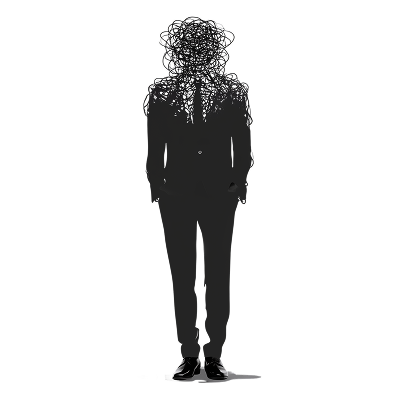
This isn’t just “overthinking” — it’s a chronic mental loop that persists most days for at least six months and often centers on everyday topics like work, finances, or health. Some studies show that people with GAD have hyperactive amygdala — brain structure, responsible for processing emotions like fear — leading to increased emotional reactivity and perceived threats. Your brain essentially becomes over-vigilant, scanning for problems, even when you’re safe. This excessive worry is linked to impaired decision-making and a reduced ability to tolerate uncertainty.
Restlessness or Feeling On Edge
This can feel like being keyed up, unable to fully relax, or trapped in cycles of overthinking — even when the environment is calm or there’s no clear reason to be anxious. Worry becomes intrusive, distressing, and affects decision-making, unlike casual concern. Neurologically, it’s the sympathetic nervous system in overdrive, preparing for a threat that may never come. This physiological activation is part of the “fight-or-flight” response, and chronic activation can interfere with both mood and sleep. People often mistake this for impatience, a “nervous” personality, or neurodiversity, when in fact it may be a sign of anxiety disorder.
Although restlessness is often seen as a subjective feeling of internal arousal, it can also be measured. A 2021 study using actigraphy — a method for monitoring rest and activity cycles — showed that restlessness isn’t just a subjective feeling but also has measurable physiological patterns, especially when this psychological symptom is clearly diagnosed.
Muscle Tension
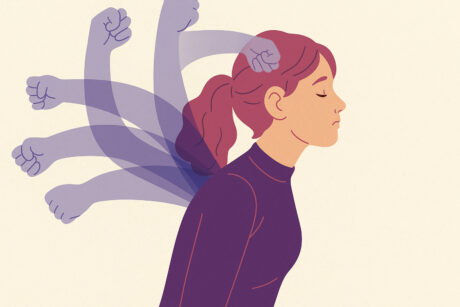
Muscle tightness or sustained muscle tension — especially in the shoulders, jaw, or neck — is a physical hallmark of chronic anxiety. Unlike acute stress, where the body returns to baseline quickly, anxiety creates a low-level but continuous state of muscle readiness. This may lead to headaches, back pain, or temporomandibular joint (TMJ) issues — jaw pain, stiffness, earaches, and even difficulty chewing or opening the mouth fully. Biofeedback, progressive muscle relaxation (PMR) and other somatic therapies have shown success in reducing muscle tension by retraining the body to exit “threat mode.”
Irritability
Irritable mood has been a recognized feature across multiple psychiatric diagnoses since the 1950’s. While often misunderstood for a character flaw, irritability is now recognised as a symptom of anxiety (among other disorders) — especially in adolescents and adults under chronic stress. Resulting in high emotional reactivity, when even minor frustrations can provoke outsized responses, it signals that when the nervous system is overstimulated, is under strain and needs rest or regulation.
Difficulty Concentrating
People with anxiety may feel distracted or mentally “foggy,” describing their minds as going blank. This isn’t just a feeling. Research shows that anxiety impacts the prefrontal cortex — the area responsible for focus, working memory, and decision-making — and our cognitive flexibility. When anxiety becomes chronic, the brain reallocates resources from this executive function network to areas involved in threat detection and survival. As a result, it becomes harder to adjust to new tasks or stay focused when distractions arise. You’re not failing to concentrate — your brain is doing its best to keep you safe, even when the danger isn’t real.
Fatigue
Subjective tiredness might not seem like a mental health symptom, but it’s one of the common complaints in anxiety disorders and is closely linked to it. Chronic anxiety is associated with elevated cortisol levels and disrupted circadian rhythms, both of which drain energy reserves. Additionally, the constant state of physiological tension and mental hypervigilance consumes both physical and emotional energy. Many people with anxiety also struggle with unrefreshing sleep, making the fatigue feel even worse. It’s not “just being tired” — it’s a sign your system is overloaded.
Sleep Disturbances
Sleep and anxiety are deeply intertwined. Over 60% of people with anxiety disorders experience insomnia or restless sleep. Nighttime is often when intrusive thoughts surge, especially in the absence of daytime distractions. Chronic anxiety disrupts melatonin production and keeps cortisol levels high at night, preventing the body from fully relaxing. People may struggle to fall asleep, wake frequently, or feel unrefreshed in the morning. Treating anxiety — whether through therapy, medication, or relaxation techniques — often leads to better sleep outcomes.
Physical Symptoms: Sweating, Nausea, Rapid Heartbeat
Anxiety is not “all in your head” — it’s deeply physiological. The Mayo Clinic lists symptoms like sweating, trembling, rapid breath, increased heartbeat and gastrointestinal discomfort as common anxiety indicators. These responses are part of the autonomic nervous system’s alarm system, which releases adrenaline and prepares the body for danger. While these responses evolved to help us escape predators, modern anxiety often triggers them in non-dangerous situations — like a meeting or social gathering. This disconnect can cause confusion, especially if no external trigger is obvious.
FAQ:
Can anxiety be caused by a medical condition?
Yes. Anxiety may be a symptom of underlying issues like heart disease, thyroid dysfunction, diabetes, chronic pain, or respiratory disorders.
Can medications or substances trigger anxiety?
Absolutely. Anxiety can result from substance use or withdrawal, including alcohol, benzodiazepines, and certain prescription drugs.
How do I know if my anxiety has a medical cause?
If anxiety appears suddenly, without a personal or family history, or isn’t linked to specific triggers, a medical check-up may be helpful.
What increases the risk of developing an anxiety disorder?
Risk factors include childhood trauma, chronic stress, serious illness, certain personality traits, family history of anxiety, and substance misuse.
Can anxiety cause other health issues?
Yes. Untreated anxiety can contribute to depression, insomnia, headaches, digestive problems, chronic pain, and reduced quality of life.
Does anxiety impact daily functioning?
It can. Anxiety may lead to social withdrawal, trouble at work or school, and even increased risk of substance use or suicidal thoughts.
How is anxiety different from everyday stress?
While stress is usually a short-term response to external pressure, anxiety tends to persist even in the absence of a clear threat. Anxiety can be generalized, chronic, and disproportionate, often interfering with daily functioning and mental well-being.
Is it possible to have anxiety without realizing it?
Absolutely. Many people live with high-functioning anxiety or masked symptoms — they appear to cope well externally while experiencing intense internal distress. Recognizing subtle signs can help in seeking early support.
When should I seek help for anxiety?
If feelings of unease, fear, or tension interfere with your daily life, relationships, or sleep — or if physical symptoms persist without a clear medical cause — it’s a good time to speak to a mental health professional. Early intervention can prevent escalation.