Diet and ADHD: A Neuroscientist’s Guide to Smart Nutrition
At States of Mind, we’re joining the movement with a special ADHD Awareness Week that brings together everything you need to know about ADHD — the latest scientific insights, personal stories, original features, and expert interviews.
ADHD can cause symptoms such as inattentiveness, forgetfulness and brain fog. These symptoms can have a negative impact on an individual’s ability to manage their diet, leading to poor nutrition and associated health problems.
While medications can help to manage these symptoms, many of these medications are amphetamines — a type of drug that can dramatically reduce appetite. So, how can people living with ADHD ensure they maintain a healthy diet and lifestyle to ensure physical and cognitive longevity?
Working at the intersection of diet and cognition, Dr. Amy Reichelt, a member of the States of Mind Expert board, discusses how people living with ADHD can implement tools and strategies to help manage their diet and nutrition. Amy is a neuroscientist with over 60 peer-reviewed studies published in journals such as The Lancet and Nature Communications. Through her clinical practice at Cognition Nutrition, she helps people use nutritional strategies to sharpen focus, balance dopamine, and improve mental health.
We’re also hosting an online webinar with Amy and other experts, who will answer your questions and share practical tools to help you better understand the condition.
When: Thursday, October 9 — 6 PM (CET)

Where: Zoom (you’ll get the link when you register)

Format: A 1-hour session with our speakers, including a live Q&A with you.

Click here to register for the Zoom Event

What challenges might people living with ADHD face when managing their nutrition?
There are two sides to it — a sort of double-edged sword with ADHD.
Firstly, there is the tendency to crave variety, people may get bored easily with food, as well as struggle with the planning required to buy and prepare food. There is also a draw towards instantly rewarding foods, which tend to be high in sugar and ultra-processed.
On the other side, many people with ADHD take stimulant medications, which are also appetite suppressants. That can cause problems because people may go from craving food to having no appetite at all for much of the day.
They have to manage this balance between symptom control and medication management carefully to avoid crashes or dizziness from not eating enough. It’s a truly delicate balancing act that requires patience.
What are promising approaches for diet and ADHD?
There have been studies showing that people with ADHD often have lower magnesium levels, so magnesium supplementation can be a good place to start. Magnesium is found in green leafy vegetables.
ADHD is also closely linked to dopamine, and people with ADHD typically have lower dopamine levels in the prefrontal cortex. That contributes to inattention, distraction and impulsivity.
There is also the issue of structuring meals and maintaining the attention needed to prepare them. When I have worked with people with ADHD in nutrition, one key insight is to keep food easy to prepare, highly nutritious and filling.
A few tips include:
- Starting the day with a high-protein breakfast.
For example, eating eggs is beneficial as they are rich in choline, which is a precursor for acetylcholine, important for attention and memory. Foods that do not spike blood sugar help prevent crashes that lead to sugary cravings later.
- Balancing meals with slow-release carbohydrates, protein, and healthy fats is key.
Oily fish, such as salmon, sardines, and mackerel, are excellent sources of omega-3 fatty acids, which support brain cell integrity and function. Keeping healthy snacks like nuts to hand is also helpful.
Can people with ADHD benefit from meal planning?
Supermarkets can feel overwhelming, so pre-planning meals and shopping lists can really help.
Cooking in batches when you have the focus to do it means you have food ready in the freezer that’s easy to reheat and nutritious.
Structuring the day is also key, for example, setting a timer at midday to eat and sticking to it. Put reminders or calendar alerts in place. Otherwise, you may reach the afternoon feeling ravenous and end up eating whatever is easiest, which is often the least nutritious.
Building a daily routine with regular meal times, even if hunger cues are inconsistent, helps maintain stability and prevents energy crashes that harm focus.
Do people with ADHD struggle with recognising hunger and thirst cues?
Yes, that can be an issue. People may ignore or miss internal cues, which we call interoceptive cues. They might be so focused on something else that they simply forget to eat or drink. Stimulant medication can worsen this by suppressing appetite.
It is important to remember that the brain consumes about 20% of our daily calories, so it needs fuel to function properly. When we are under-fuelled, our decision-making and attention both suffer.
For those taking medication that suppresses appetite, how can they manage their diet effectively?
Some medications have predictable active periods, so structuring meals around these can help.
Ways to manage this can be ensuring to eat a good breakfast before taking medication, ideally with protein and slow-release carbs, to feel full for longer.
Planning a balanced lunch, such as a chicken and salad wrap, and keeping healthy snacks nearby can also help.
When the medication wears off in the evening, eat a proper meal, but not too late, as eating close to bedtime can interfere with sleep.
What are the long-term effects for people with ADHD who do not manage their diet properly?
A poor diet, especially one high in ultra-processed foods, can lead to weight gain, cardiovascular problems and inflammation in both the body and brain. Neuroinflammation can impact neuroplasticity and cognitive function. Research shows that ultra-processed, high-sugar and high-fat foods negatively affect both physical and mental health, so eating a nutrient-rich diet benefits the brain, body and gut.
Low-fibre, highly processed foods are also linked to increased rates of bowel cancer, especially in younger people.
The environment also plays a huge role in our access to nutritious food. Workplaces could replace biscuits with fruit baskets or offer healthier options in communal areas.
Initiatives such as walking meetings are excellent for wellbeing. Movement supports neuroplasticity and boosts brain-derived neurotrophic factor (BDNF), which enhances memory and overall cognitive health.


What tools can help support a balanced diet and nutrition with ADHD?
Time-saving kitchen tools can make a big difference, such as slow cookers, instant pots and air fryers, which allow easy meal preparation.
Keeping frozen fruit, vegetables, or pre-cut stir-fry packs helps avoid food waste and ensures healthy ingredients are always available. Maintaining consistent energy levels throughout the day by eating regularly and choosing nutritious snacks, such as nuts, supports focus and mood.
ADHD Awareness Live Event: Nutrition and Hormonal Changes
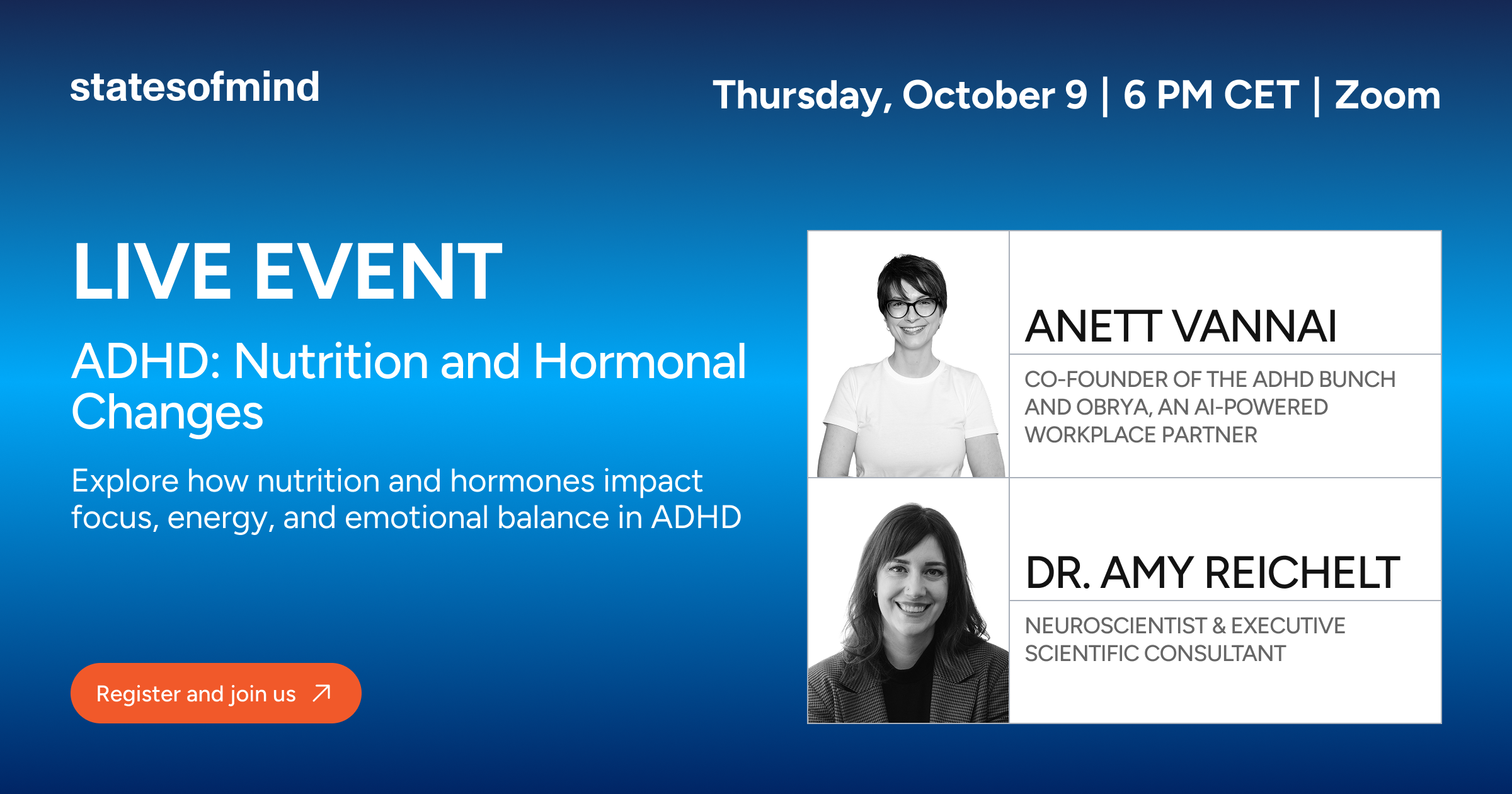
We’re bringing together two leading experts to share distinct, science-backed perspectives on how to support the ADHD brain.
- Dr. Amy Reichelt, a neuroscientist with over 60 peer-reviewed studies in publications like The Lancet and Nature Communications, will break down the science of the brain on ADHD.
- Anett Vannai is the founder of The ADHD Bunch and Obrya, an AI-powered tool designed for the neurodivergent workplace. She’ll share actionable strategies for building supportive systems that work with your brain, not against it.
Click Here to Register for the Zoom Event