Reading Navigation


This content is grounded in peer-reviewed research, clinical guidelines, and established best practices. Claims are reviewed for accuracy and transparency. Learn more about our evidence standards
For Severe Depression, Ketamine Works in Hours. Could It Save Lives?
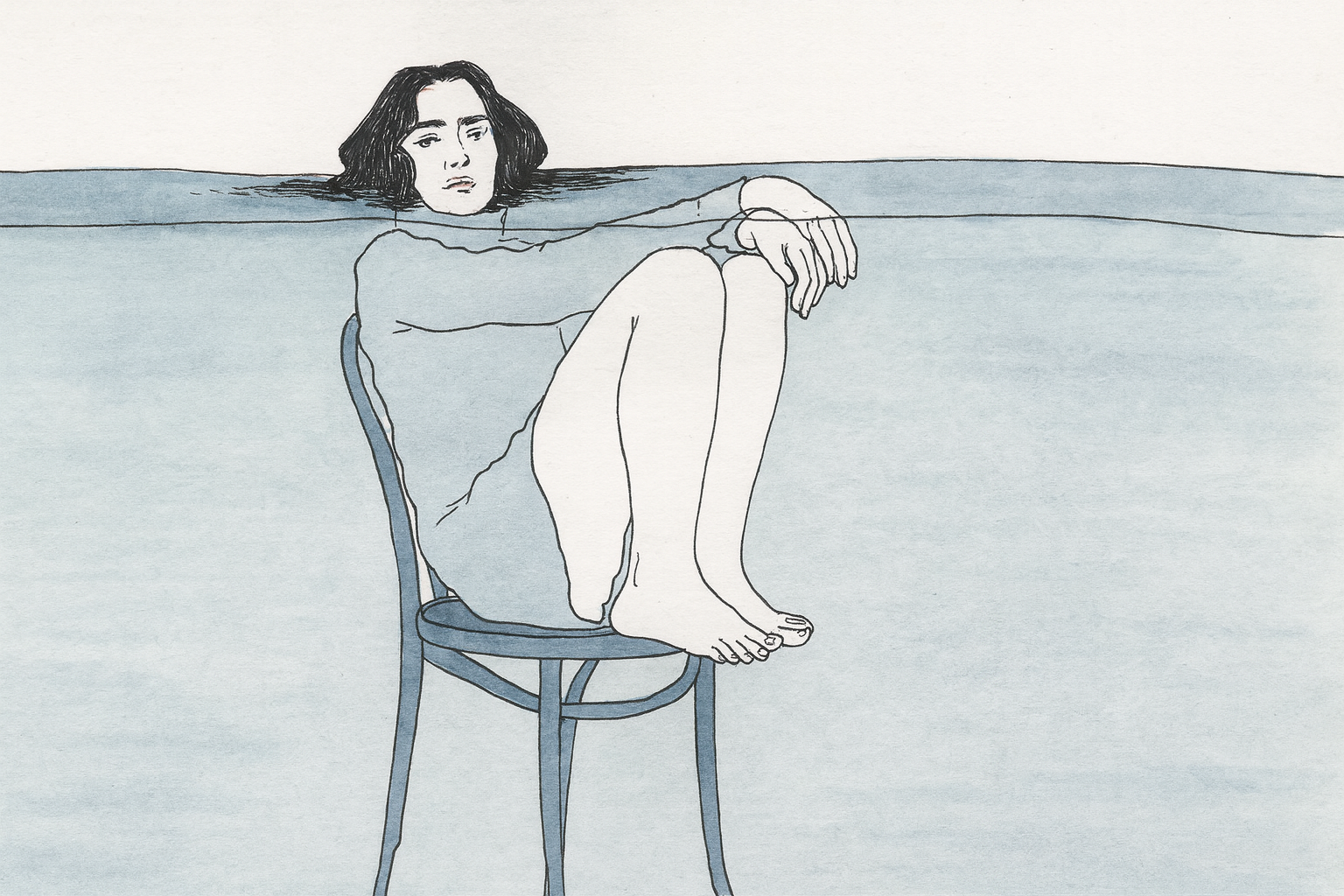
For people facing the darkest depths of depression, especially those battling suicidal thoughts, the weeks-long wait for traditional antidepressants to work can feel unbearable. A growing body of research suggests there may be another way: ketamine. Unlike standard medications, which take time to build up, ketamine can lift severe depressive symptoms within hours1. But there are limitations, too.
The story of ketamine’s rise from surgical anesthetic to rapid-acting relief for depression is one of the most promising developments in psychiatry in decades. Like any medication, ketamine does carry risks, but it has opened a new window of possibility for patients with depression, who have tried many other options without success.
Ketamine for Depression
It’s more common than one might think — up to 30% of patients2 with different stages of depression don’t respond to at least two different antidepressants, or even more, which is known as treatment-resistant depression, or TRD. In other cases some may also develop resistance3 to antidepressants over time, especially after repeated treatment failures. And while TRD isn’t limited only to those with the most extreme symptoms, severe or chronic forms of depression carry the most risks.
Severe depression can quickly escalate to a psychiatric emergency, especially when suicidal thoughts or behaviors emerge. In such situations, delays in effective treatment can have life-threatening consequences — during this period, patients often remain at high risk for self-harm or suicide attempts.
Every year, more than 700,000 people worldwide die by suicide. Research shows4 that depression is one of the most common mental illnesses linked to this high risk — people living with depression are about twenty times more likely to die by suicide compared to those without it. Rapid intervention is critical not only to reduce immediate danger but also to stabilize mood and improve cognitive functioning, enabling individuals to engage with ongoing therapy and support.
This is when ketamine comes into picture, bypassing some limitations of conventional treatments and offering rapid symptom relief.
Case of emergency
In clinical trials and real-world studies, ketamine has repeatedly shown one key advantage over conventional antidepressants: speed. Clinical studies show5 ketamine’s strongest antidepressant effects emerge 24 hours after infusion and typically last three to seven days. There may be prolonged effects, too. In a 2024 study known as Bio-K, over half of participants achieved remission from severe depression after just three intravenous ketamine infusions over 11 days. Most notably, suicidal thoughts plummeted after only one or two treatments.
“These participants are very representative of the sickest patients we see,” said Dr. Sagar Parikh, a University of Michigan psychiatrist who led the study. “More than 80% reported suicidality that would have excluded them from other depression studies.”
While traditional antidepressants work slowly6 by gently adjusting brain chemicals over weeks, ketamine acts fast by triggering quick changes in brain connections. This reshaping of brain communication can break the downward spiral of depression and noticeably reduce suicidal thoughts and deep feelings of hopelessness.
In a groundbreaking study presented at the Psychedelic Science 2025 conference, researchers used brain imaging to track changes in living people after a single ketamine dose. They found a “flattening” of the brain’s cortical hierarchy: lower-level sensory areas started communicating more with higher-level regions like the default mode network (DMN), which controls things like daydreaming, self-referential thinking (e.g., reflecting on the past or imagining the future), and rumination — the involuntary habit of getting stuck going over the same thoughts again and again.”
In depression, the DMN is often overactive, trapping patients in cycles of hopeless and repetitive thought. After ketamine, that rigid network temporarily loosened. This makes ketamine treatment a crucial bridge, giving patients the time they need to access full care and start regaining control of their lives.
Dr. Cristina Cusin, the director of Massachusetts General Hospital’s Ketamine Clinic for Depression and an associate professor in psychiatry at Harvard Medical School, likens the situation to oncology. “We don’t have good weapons to treat some severe forms of depression, just like we don’t have treatments for advance-stage cancers” she said. “We’re always looking for the next thing so that we can continue to offer hope to patients who don’t respond to standard treatments.”
Risks and limitations
That said, ketamine does come with risks and complications — including the legal landscape. In the United States, the FDA has approved a nasal spray version of ketamine called esketamine (marketed as Spravato) specifically for treatment-resistant depression. This approval requires that the medication be administered under medical supervision in a clinical setting, with patients monitored before they can leave. However, the intravenous (IV) form of ketamine, which many patients receive for rapid relief, remains off-label for depression, meaning it is legally allowed to be used by doctors but is not officially approved by the FDA for this purpose.
In the United Kingdom and much of Europe, ketamine is also used off-label for depression, primarily administered intravenously or via other routes in specialized clinics. The drug itself is legally available as an anesthetic, and its psychiatric use is regulated by medical guidelines rather than specific approvals, but the long-term safety of ketamine for depression remains understudied1.
Cost may be another major barrier — and a heavy burden for many. Costs per infusion often range from $600 to $800, mostly paid out of pocket, and since multiple sessions are usually needed, the total expense can quickly become overwhelming. This gap has led to a rise in private ketamine clinics.
Then there are side effects and counterindications. Nausea, dizziness, increased heart rate, blurred vision, and confusion may occur, and dissociation — a temporary feeling of detachment from one’s body or surroundings during a ketamine session — can be disorienting or uncomfortable for some. There’s also a risk of misuse, given ketamine’s history as a recreational drug, and although rare, even supervised medical use can lead to addiction in some cases. “It’s a little bit of an uncontrolled experiment”, as Dr. Peter Grinspoon from Massachusetts General Hospital puts it. “We don’t know how much it is going to help or harm things.”
The Future of Depression Treatment?
To improve this, researchers are actively searching for biomarkers — measurable signs in the blood that might predict who will respond well to ketamine and who won’t. This research hopes to help patients avoid treatments that won’t work for them and to guide care where it can make the biggest difference.
But even for those who qualify, ketamine isn’t a magical cure: it doesn’t “fix” depression permanently. Instead, ketamine provides powerful, rapid relief from some of the most overwhelming symptoms, and this relief can be life-saving.
True recovery usually involves a combination of ongoing treatments, including psychotherapy, lifestyle changes, social support, and sometimes medication. Ketamine doesn’t replace these pillars, but it can lift the crushing weight of hopelessness and suicidal thoughts, clearing a path toward deeper healing. Its greatest strength lies in its speed: for those in the grip of life-threatening depression, that immediacy can mean the difference between holding on or letting go.
Choose the Type of Support That Matches Your Need

 Gozo, Malta
Evidence‑based ketamine‑assisted psychotherapy retreat Hive Bio on Malta.

 London, United Kingdom
 World‑renowned consultant‑led psychedelic treatment provider in London, offering ketamine infusion therapy and bespoke mental‑health care to help patients overcome depression, PTSD, anxiety and related disorders
 Expert Board Member
Ketamine is a rapid-acting antidepressant, representing a completely new class of depression treatment. While traditional antidepressants slowly modulate neurotransmitters over weeks, ketamine triggers rapid changes in neural connectivity and brain plasticity — essentially rewiring depressive circuits within hours. In clinical trials, ketamine showed a dramatic drops in suicidal ideation after just one to three infusions and therefore offers real hope for treatment-resistant patients in crisis.