Reading Navigation

5 Ketamine Clinics in the UK: Integrating Medicine and Psychedelic Healing
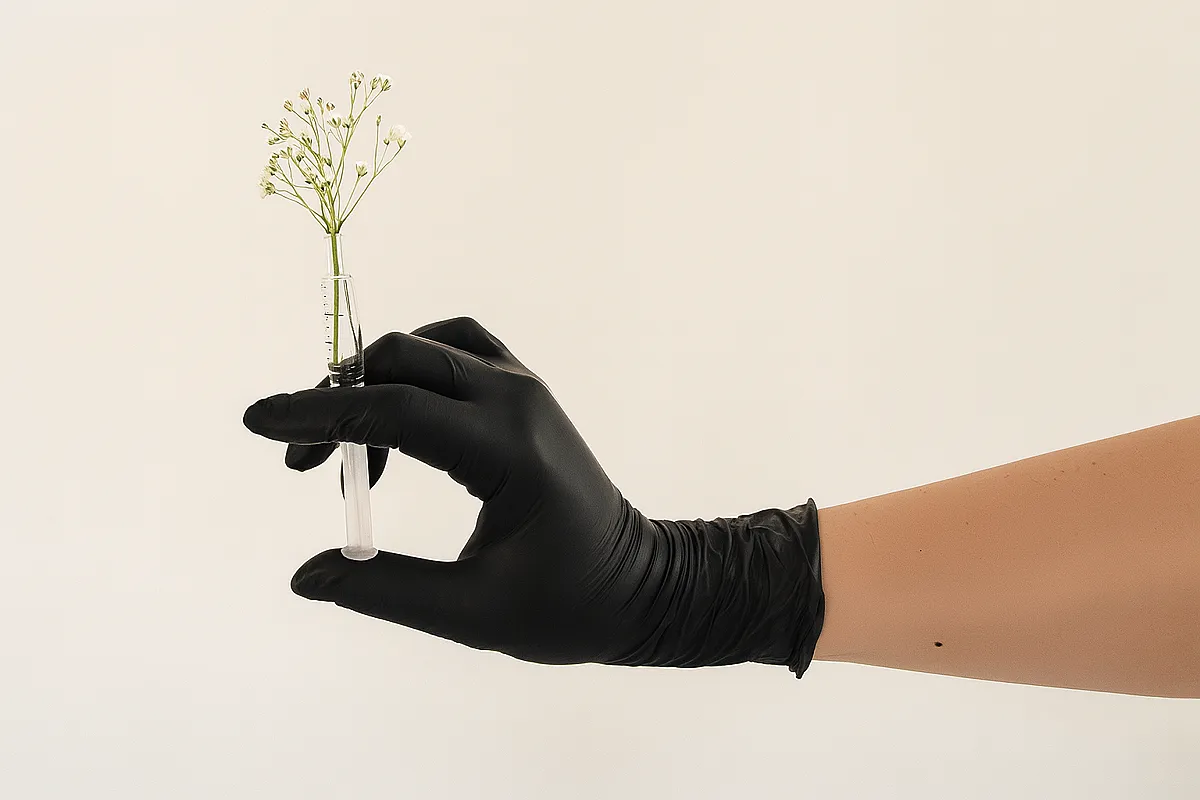
In the UK, ketamine therapy is legally available through private clinics operating under strict clinical supervision. Originally developed as an anaesthetic, ketamine is now being explored for its rapid-acting effects in treating mental health conditions like depression and PTSD.
For individuals who haven’t found relief through traditional treatments, ketamine-assisted psychotherapy offers an alternative grounded in both neuroscience and emotional integration. These clinics combine medical rigour with holistic frameworks to support lasting change.

Silva Wellness
Silva Wellness is a London-based centre offering an integrated and personalised approach to mental health and wellbeing, combining traditional psychotherapy with emerging treatments like ketamine therapy. Founded by integrative psychotherapist Lucy da Silva and spiritual wellness expert Alex da Silva, the centre blends clinical expertise with holistic healing practices to support lasting transformation.
The clinic focuses on dealing with long-term psychological challenges, including depression, anxiety, PTSD or addictions. Rather than relying on a single approach, Silva offers a wide range of services including breathwork, yoga therapy, ADHD support, sound healing and nutritional counselling. The team includes integrative psychotherapists, psychologists, holistic therapists, EMDR specialists, and psychedelic integration facilitators.
One of Silva’s distinctive offerings is ketamine lozenge therapy, an alternative option for individuals who haven’t responded to conventional treatments. Used under clinical supervision, ketamine in lozenge form is designed for sublingual administration — offering a less invasive route than IV infusions.
Emerging research supports sublingual ketamine’s efficacy in reducing depressive symptoms even on very low doses, with sustained benefits when combined with psychotherapy in treatment of psychiatric disorders.
Each ketamine session at Silva Wellness is supported by psychological guidance, with strong focus on preparation, setting intentions, and aftercare. Whether it involves yoga, breathwork, or integrating unusual experiences (sometimes drawn from ceremonial psychedelic traditions) treatment plans are made together with the client. The clinic’s atmosphere, often described as far from clinical, helps people feel safe and open, especially if they’re new to holistic or alternative approaches.
Save Minds
Save Minds opened in London in 2017, founded by Dr. Rajalingam Yadhunanthanan, a consultant in both anaesthesia and intensive care at the Royal Free London NHS Trust. That clinical background shapes everything about the clinic’s approach—especially its focus on safety. Ketamine therapy here is used to treat complex and often long-standing conditions like treatment-resistant depression, PTSD, OCD, anxiety, and suicidal thinking.
While Save Minds operates as a highly personalised boutique clinic, the treatment environment is modelled on hospital-grade safety. Infusions take place in private rooms, with soft lighting, reclining chairs, and music, but also continuous monitoring and clinical supervision throughout. The idea is to create an experience that feels personal and grounded, without compromising on care.
Patients typically arrive at Save Minds after exhausting conventional approaches, often following years of medication and therapy with limited effect. The clinic reports a success rate of over 70%.
A systematic review of The Role of Ketamine in Treatment-Resistant Depression indicated that 50% of enrolled patients showed an improvement in depressive symptoms in both the short and longer term.
The standard protocol involves 6–8 infusions over several weeks, with mood and cognitive improvements often visible early in the cycle.
Alongside ketamine treatment, Save Minds also offers a mix of talking therapies, including CBT, MBCT, and life coaching that draws on Neuro-Linguistic Programming. These approaches are grounded in both science and mindfulness, and they’re designed to help people make sense of what they’re going through, shift old patterns, and start to feel more in control of their lives again — especially after long periods of feeling stuck or overwhelmed.
The Ketamine Clinic
Founded by Paul Gibson, a psychotherapist trained in somatic healing, EMDR, and advanced hypnotherapy, and Mr. Adam Devany, a consultant surgeon with a background in innovative healthcare and academic research, The Ketamine Clinic specialises in integrated, trauma-informed approach to conditions like depression, PTSD, anxiety, addiction, OCD, and eating disorders.
Set in Corleston-on-Sea, just a 20-minute walk from Gorleston Beach, the clinic offers two flagship Ketamine-Assisted Psychotherapy (KAP) programmes:
“Emerge” (£2900) is designed for people living with treatment-resistant depression, anxiety, PTSD, and childhood trauma who have not responded to conventional therapies. It includes four KAP sessions and four integration sessions over a month.
“Klean” (£4900) helps to deal with addiction — from alcohol and cocaine to gambling and painkillers. This more intensive programme includes eight KAP sessions and eight integration sessions, delivered twice a week over a month.
Research suggests ketamine may support addiction recovery by enhancing neurogenesis and increasing receptivity to psychological therapies. It may also help alleviate depressive symptoms during high-risk periods for relapse, offering a stabilising effect when individuals are most vulnerable.
Treatment at the clinic follows a Ketamine-Assisted Psychotherapy model, which means intramuscular ketamine is paired with talk therapy and integration work. Each session runs about two and a half hours and includes both medical and psychological check-ins, time to set intentions, and either guided conversation or quiet therapeutic support during the experience.
Afterwards, there’s space to debrief and reflect. To help the process continue beyond the session, patients are also given short guided meditations to use over the next few days—tools designed to support neuroplasticity and help new patterns take root.
Eulas
Scotland’s first clinic to offer ketamine-assisted therapy, Eulas Clinics combines a clinically grounded approach with convenient access, operating both in Scotland and in London to support people struggling with depression, anxiety, PTSD, addiction, and other complex mental health challenges.
The team is made up of psychotherapists, psychiatrists, and anaesthetists, and is led by John Gillen, CEO & Director — a former rehab worker and researcher specializing in innovative therapies for mental wellness and addiction recovery.
The clinic offers a structured six-week programme that combines ketamine treatment with ongoing psychotherapy and integration support. Treatment starts with a virtual consultation and a full psychiatric assessment to check that ketamine-assisted therapy is a safe and suitable option. From there, patients have two prep sessions to set goals, talk through expectations and build trust with the therapist.
The core of the programme includes four in-person ketamine sessions, each lasting about two hours. A medical professional handles the clinical side, while a therapist is there to support the psychological process. Sessions begin with a grounding practice like breathwork or mindfulness, and are followed by integration therapy, where patients unpack whatever surfaced and explore how it connects to their lives.
The most important conversations shaping the future of psychedelics, delivered weekly.
From thought-provoking podcasts and original stories to research breakthroughs and industry news, stay connected to the conversations that matter.


Joined by 12,000+ readers
Alongside the dosing sessions, weekly therapy continues to support reflection and change. After six weeks, the programme wraps with a final review: what’s shifted, what still feels unresolved, and what the path forward might look like.
A systematised review of therapeutic frameworks in integration sessions within substance-assisted psychotherapy reveals a predominance of humanistic–experiential approaches that prioritize supportive, non-directive care.
If you’re not quite ready or eligible for ketamine treatment, the clinic also offers drug-free stroboscopic light therapy that may help with depression and anxiety.
Outside the clinic, Eulas also offers psychedelic retreats in the Netherlands and Portugal for those wanting a deeper or different experience. These retreats are tailored to each person’s goals and happen where they’re legally allowed. The sessions mix guided work with time outdoors, movement, group sharing, and plenty of quiet moments to reflect and process.
Cognacity
Cognacity Clinic was founded in 2008 by psychiatrists Dr. Phil Hopley and Dr. Gary Bell, along with clinical psychologist Prof. Pieter Kruger, to bring a team-based, collaborative model of mental health care into the private sector.
Drawing on experience from the NHS and elite sport, the clinic blends psychiatric treatment with performance psychology and resilience training. Its work spans executive coaching for senior leaders, crisis response for major incidents, and strategic mental health consulting for organisations. Cognacity was also the official psychiatry and psychology provider for the London 2012 Olympic and Paralympic Games.
Clinically, Cognacity offers structured, evidence-based care for a wide spectrum of adult mental health conditions, from mood and anxiety disorders to PTSD, addiction, personality disorders, and adult neurodiversity (ADHD and autism). It also provides Ketamine-Assisted Psychotherapy for treatment-resistant depression, combining the fast-acting neural effects of ketamine with the longer-term benefits of talk therapy, supporting patients during the dissociative window and improving emotional processing.
Emerging evidence indicates that higher doses of ketamine, more frequent KAP sessions, and extended durations of psychotherapy are associated with greater therapeutic efficacy — suggesting that intensity and continuity play a key role in long-term outcomes.
Ketamine sessions take place on-site in a clinical setting just a short walk from Oxford Street, London. Afterward, patients engage in integration therapy to help solidify the benefits and potentially reduce the need for ongoing antidepressant medication.
FAQ:
Is ketamine therapy legal in the UK?
Ketamine use in mental health treatment in the UK is legal in private clinics under strict medical supervision.
What conditions does ketamine therapy treat?
Clinics typically treat treatment-resistant depression, PTSD, anxiety, OCD, addiction, and suicidal ideation. Ketamine is often considered when other therapies have failed.
Is it safe?
When administered in a clinical setting with proper screening and monitoring, ketamine therapy has a strong safety profile. Side effects are usually mild and temporary.
What’s the difference between IV, IM, and lozenge ketamine?
- IV (intravenous) is the most common hospital-based method, offering precise control.
- IM (intramuscular) injections are efficient and less invasive.
- Lozenges (sublingual) are gentler and used for at-home or lower-intensity sessions under guidance.
Will I hallucinate or lose control?
While ketamine can cause dissociative or altered states, patients remain fully conscious and aware throughout the treatment. Clinics provide continuous support from therapists or guides during every session, and if any concerning side effects or symptoms arise, your team will be right there to help and support you whenever you need, making sure you are safe and comfortable at all times.
How long do effects last?
While ketamine’s biochemical effects are short-lived, when combined with therapy, the mental health improvements can last weeks or months.
Is this covered by the NHS?
Not currently. Ketamine therapy for depression is available only through private clinics in the UK, though NHS trials are ongoing.
Can I stop my medication if I start ketamine therapy?
Not without medical supervision. Always consult your psychiatrist before making changes to prescribed medications.