Reading Navigation


This content is grounded in peer-reviewed research, clinical guidelines, and established best practices. Claims are reviewed for accuracy and transparency. Learn more about our evidence standards
Depression Treatments Beyond Antidepressants — Finding the Right Fit
If you have been struggling with depression, you probably have that person in your life who keeps telling you to just go for a walk or think positive. Makes you want to throw something at them. Not that you would have any energy to crawl out from under that pile of unfolded laundry that you’ve been sleeping under to actually do it, but the desire is there.
Is it really that simple? A walk there, some meditation here, and poof — no more depression! If it was, we probably wouldn’t see a 7.5% and 13.6% lifetime prevalence of Major Depressive Disorder (MDD) in male and female populations (based on 2023 cross national analysis) and 13.2% of adults in the US reporting taking antidepressants in the last month1. It is a big problem in our society. The economic burden of MDD is estimated to be $333.7 Billion (that is $16,854 per adult)2, but more significantly — it can cost lives3.
In this article, we will review what the current research tells us about non-pharmacological treatments for depression. We will look at what actually works, who is the best candidate for a specific non-medication treatment, and what conditions can affect individual responsiveness to those treatments.
Why not medication?
Unfortunately, medication is not an easy fix for the societal problem that is depression. While being incredibly effective for some, it is not an option for a significant number of people. They would have to look to non-pharmacological options for a solution.
Patients might want to opt out of taking medication for many reasons: due to personal preference or fear of possible side effects. Opening the neatly folded instructions sheet you will find side effects such GI upset, low sex drive, weight gain, headaches, and even suicidal ideation.
Then there is a risk you might not respond to the medication at all. Research estimates that 29-46% of patients don’t respond to medication at all or only respond partially4. Furthermore, a patient might be struggling with comorbidity or taking a medication that is counter indicated to the use of antidepressants5.
The National Institute for Health and Care Excellence (NICE) actually recommends the least intrusive and least resource intensive approach first when dealing with mild to moderate depression.

What are the non-pharmacological treatments for depression?
First, let’s define what we mean by non-pharmacological treatments. This is any intervention that does not rely on antidepressant medication as its primary instrument.
Unlike alternative solutions promoted by unqualified people (who often sell such alternative solutions), we are talking about evidence-based techniques that are officially considered as treatment options by the medical field.
Non-pharmacological treatments for depression focus of the following mechanisms:
- Behavioural — your actions
- Cognitive — how you think
- Social — how you interact with others
- Neurophysiological — how your nervous system operates
For the most part these treatments offer a low or low-moderate risk profile.
- Psychotherapy can cause emotional discomfort at first; it is common to feel worse before feeling better, but only 4% experience any deterioration of symptoms6.
- Lifestyle changes, like exercise, seem to be extremely low risk7 outside of the obvious risk of injury when doing too much too fast.
- Non-invasive magnetic and electrical brain stimulation protocols seem to be the most involved, but even these present only a non-serious risk of seizures8 and a rare activation of mania/hypomania9.
The World Health Organization (WHO), the American Psychiatric Association (APA), and NICE recommend the least intrusive options possible for mild to moderate depression. Structured psychological interventions are the recommended first step, which is supported by clinical evidence.
Psychological Therapies
Cognitive Behavioural Therapy (CBT)
Cognitive approach believes that our thoughts shape the way we feel. If you keep thinking the thoughts that produce an undesirable emotion, it’s time to change that thought. In CBT depressive thoughts are treated more like bad habits that are within your power to fix. CBT trains you to find new ways to think about things, thus changing how you feel and how you act.
CBT is effective for mild to moderate depression10 and in some cases just as effective as anti-depression medication11.
CBT can be done in a variety of settings. Individual therapy with a therapist is a common option, but there is also group therapy, and digital CBT apps offering a guided DIY process.
Interpersonal Therapy (IPT)
IPT sees depression as the result of interpersonal stress. The stress causes depression, depression makes it harder to relate and maintain healthy relationships, which causes more stress. And so it continues in a loop. IPT works on improving communication, support, and problem-solving in difficult interpersonal situations. Some common focus areas are conflict, role transitions, grief, and interpersonal deficits.
IPT is invaluable for depression after a major transition in life, loss of a loved one, or dealing with ongoing conflicts. Research shows that it can effectively treat depression as a standalone treatment or in conjunction with pharmacotherapy12.
Behavioural Activation (BA)
BA reignites the momentum that is typically lost in depression due to withdrawal behaviours. Self-isolation removes all positive stimuli that normally come from doing things and being out there in the world. Less stimuli means even less desire to do things, which leads to more withdrawal.
The activation part comes from the idea that if you act first your mood will follow. The process involves tracking your mood and planning small activities that feel manageable and align with your values. These baby steps help to shake off the inertia and allow for an even bigger action next time.
It is an incredibly simple and adaptable approach that can be an effective treatment for depression, even comparable to medication based on the 2014 meta-analysis13.
Other Talking Therapies
There are other types of therapy that can also provide some relief, such as counseling (non-directive, focus on being heard), supportive therapy (empathy, encouragement, normalizing), and psychodynamic approaches (patterns, attachment templates, defenses).
These approaches are less standardized, thus the content might vary quite a bit between practitioners. It makes the research varied and the individual outcome highly dependent on the therapist’s skill and fit for the client.
Find a Therapist You Can Rely On


Cognitive behavioural hypnotherapy practice in London offering one-to-one therapy, group workshops and corporate wellbeing (online and in-person).

 London, United Kingdom
 Clinical hypnotherapist based in Highgate (North London) and Radlett, offering hypnotherapy, CBT and mindfulness in-person and online.
Brain Stimulation & Advanced Somatic Therapies
Transcranial Direct Current Stimulation (tDCS)
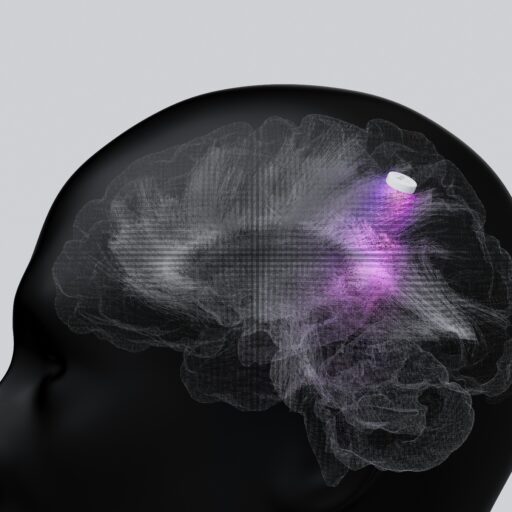
Electrical currents have been used in medicine since the early 1900s14 but application to the treatment of depression is relatively new. tDCS is a non-invasive method that uses a very small electrical current to stimulate certain parts of the brain. The idea is to modulate the brain circuits involved in mood regulation thus improving depressive symptoms.
The research into tDCS and particularly the use of the Flow Neuroscience’s device is still maturing. It appears to have a positive effect on depression symptoms15 and offers a low-risk profile, potentially making it a great non-pharmacological option to treat MDD. Although FDA approved the Flow Neuroscience’s at-home brain stimulation device for treatment of depression in the late 2025, more robust research is needed to optimize treatment protocols.
Transcranial Magnetic Stimulation (TMS)
TMS is a non-invasive treatment that involves using magnetic pulses to stimulate certain brain circuits by placing a coil on the scalp.
Typically TMS is prescribed for treatment-resistant depression. A 2023 meta-analysis confirmed the previous research showing the effectiveness of TMS against placebo in treatment of medication-resistant depression16, but noted that the effect might be smaller than previous literature suggested.
TMS is done as a course of treatments — 5 days per week for 4-6 weeks. It is a simple procedure done when the patient is fully awake; there is no surgery or anesthesia. The side effects are minimal: irritation of the scalp, headache, and fatigue. In rare cases TMS can trigger mania and cause seizures, so proper screening and application is required.
Electroconvulsive Therapy (ECT)
ECT is an intentional induction of a brief seizure which aims to quickly relieve severe depressive symptoms. It is a serious medical procedure done under general anesthesia and is indicated for severe depressive symptoms, catatonia, and when depression has reached a life-threatening form.
Although popular media and the history of “shock therapy” contributed to ECT being heavily stigmatized, it is still widely regarded as a highly effective treatment for acute depression. A 2003 meta-analysis17 concluded that ECT is not only effective for short-term treatment of depression, but that it’s probably more effective than medication.
This treatment can cause headaches, nausea, and muscle pains. Less common are significant side effects such as memory loss, which last a few days to weeks on the rare occasion that it does happen.
Due to the severe nature of the symptoms for which doctors use ECT there are concerns about informed consent. The patient should be fully informed about the nature of the procedure, its medical benefits, possible risks, alternatives, so that they can make the best decision for themselves. Subsequent follow up is also essential to help the patient take the appropriate next steps.
Emerging Psychedelic-Assisted Therapy
Psychedelic-assisted therapy is technically a pharmacological intervention. It involves combining medication such as psilocybin and MDMA with structured psychotherapy before, during, and after dosing.
These compounds are commonly associated with recreational use or DIY enlightenment practices, which is the complete opposite of psychedelic-assisted therapy — a highly controlled process carefully guided by medical professionals.
Psychedelic-assisted therapy has been studied as the solution to treatment-resistant depression18 and end-of-life distress19, showing promising results. As of right now research remains limited due to small sample sizes and tightly controlled research settings which make it hard to run large scale research. Regulation on the use of psychedelic substances (like psilocybin, ketamine, ibogaine, etc.) for medical research varies around the world, with only a few countries allowing psychedelics to be tested on humans.
This type of therapy is not considered to be a first-line option and only a few clinics worldwide offer it legally. Research and application of this method requires medical, psychological, and ethical safeguards. It is included on this list only for completeness and transparency.
Mindfulness & Complimentary Approaches
Mindfulness-Based Interventions
Mindfulness-Based Stress Reduction (MBSR) and Cognitive Therapy (MBCT) are structured programs that use mindfulness meditation and gentle movement. It helps to reduce automatic reactivity, notice the thoughts and feelings as they come instead of identifying with them, notice early signs of a relapse, and build skills like grounding and self-compassion. Mindfulness-based therapies seem to be an effective non-pharmacological treatment for relapse and for managing recurring depression20.
Creative Therapies
Creative therapies include making art, engaging with music, and acting/drama therapies. These work by bypassing rumination and overthinking, externalizing emotions, building narratives to make sense of the difficult feelings, and helping integrate healing.
Light Therapy
A method that is popular with people suffering from seasonal affective disorder (SAD) as well as non-seasonal depression. It involves sitting near a bright light box to mimic the experience of daylight in the morning. Research shows that light therapy does offer some improvement for depressive symptoms.
Acupuncture, Reflexology, and Other
Some swear by acupuncture and reflexology treatments, and the existing evidence shows that these therapies do improve depressive symptoms, however these same studies often mention possible bias and limited research quality21. More robust research is needed to separate the real effects of acupuncture and reflexology versus placebo effects and cultural bias.
Ecotherapy & Nature-Based Interventions
Nature therapy aims to better the mood by changing the visual and sensory input, downshifting stress, and helping to focus on the real world, while reducing rumination. The famous “touch grass” proposition is now backed by research, showing that nature therapy has the potential to improve mild to moderate depression22. Ecotherapy can look like nature walks, gardening, or guided time in nature. It is low risk and potentially high reward, making it a great non-pharmacological intervention for depression.
Need a Mental Reset? Discover Innovative Therapies
 Spain
Spain 
 Gozo, Malta
 Evidence‑based ketamine‑assisted psychotherapy retreat Hive Bio on Malta.
Lifestyle Changes with Strong Supporting Evidence
There is a study making rounds on the mental health side of social media that claims that the best treatment for depression is… dancing23? It is a systematic review and a meta analysis, which is what we like to see, but the dance part came from only 5 studies with very small sample size and an admittedly high possibility of bias. So, let’s put a pin in that.
Exercise
A 2016 meta-analysis showed24 that exercise is an effective intervention for depression when compared to control conditions, no intervention, and when used together with antidepressant medication. If you are already opening ClassPass, here are the top exercise types to consider: walking/jogging, yoga, and strength training23. It’s worth noting, that while more intensity produced better results, what’s really important is making sure these changes are sustainable long-term. Walking and yoga can be the better options because of its gentle impact on the body and it is easier to do consistently even during low moods.
Nutrition
Apart from the general sluggishness we all feel after finishing a box of greasy takeout, there is actual evidence that what we eat affects how we feel. The proposed gut-brain link has to do with production of serotonin, 95% of which happens in the gut25. Research also shows that a higher Dietary Inflammatory Index (DII) is associated with higher prevalence of depression26 and healthier diets, such as the Mediterranean diet, are associated with better depression outcomes27.
Sleep
A consistent sleep schedule helps to regulate a lot of things, depression is one of them. Unfortunately, since depression itself can negatively affect sleep efficiency28, it can start a vicious cycle. Depression makes you sleep worse, worse sleep makes it harder to manage depression, a deeper depression disrupts sleep further…
It can be hard to navigate, but not impossible. Basic sleep hygiene29, like keeping screens out of the bedroom, going to bed at the same time each night, sleeping in complete darkness and in a cooler temperature, can act as important foundational blocks for overall well-being.
Stress Management & Nervous System Regulation
A supplementary skill that helps in building your personal depression toolkit is learning to regulate your nervous system. Things like breathing exercises and relaxation can seem minor, but evidence shows they have a significant effect on depressive symptoms30.
Social Support and Peer-Based Interventions
Depression is a socially mediated condition — isolation feeds it. While socialization alone might not fix severe depression, building and maintaining social connections is a huge part of effective management of this disorder.
A great tool that can reduce isolation is peer support groups. Talking to other people, who are going through a similar process, can reduce isolation and shame, build belonging and hope, model healthy behaviours, provide coping tools and accountability. A good group can be a real lifeline. A poorly run group, however, can encourage co-rumination, bring up triggering content, share bad advice, and take more than it gives. So, pick wisely and remember that it is not a substitute for medical care.
Digital & E-Mental Health Tools
Ever since the internet allowed us to experience telemedicine and especially so after COVID forced everyone into the online space, over-the-internet therapy has been gaining traction. There are online therapy platforms, guided programs for personal and group therapy, apps for iCBT, mood tracking, and mindfulness. The solutions vary from simple do-it-yourself apps (which have been shown to have a small but significant positive effect on depression and anxiety31) to full therapy sessions done over a video call.
Digital mental tools are widely available, easy to scale, and oftentimes cheaper than in-person counterparts. The biggest limitation of these tools is the engagement drop off — many people don’t complete the full program32. Also, the app quality varies significantly across the market, so not every e-mental health tool can be effective and offer sufficient privacy. They are definitely useful but not a replacement for clinical care.

Special Considerations & Personalization
Depression Subtypes
MDD is not the same for everyone. It varies in severity, chronicity, and comorbid conditions. A blanket solution simply doesn’t work, thus trying different approaches is the norm in depression treatment. Also, we should not forget that each patient has the right to accept or deny any treatment option (be it for cultural or personal reasons), so working in collaboration with the patient to ensure that the treatment is a good fit, is essential.
Adolescents & Young Adults
Another consideration is treatment of teenagers and young adults with depression. At this age the executive function is still developing, so treatment should provide additional structure, repetition, and support systems. Focusing on system-level support, like improving routines and managing expectations, can work well for a teenager.
Parents, in this case, should function as a logistics partner and provider of a safe and structured environment. Learning the age appropriate parenting skills can make all the difference between a teenager with worsening depression and a happy fulfilled one.
Pharmacological + Non-Pharmacological Treatments
Based on the current guidelines, stepped care is recommended. It is when more intervention is used only when more severe symptoms are present. For mild to moderate depression non-pharmacological interventions work well and present the lowest possible risk. When it comes to severe or chronic depression, combining therapy (such as CBT, BA, IPT, MBCT) with medication tends to produce better results, justifying the additional risk of side effects. All treatments should be prescribed and monitored by a trained professional to ensure safety and efficiency.
How to Choose the Right Approach
The right combination of treatments, be it with or without medication, should be decided together with your healthcare professional. You, as the patient, have a unique insight into what is best for you and your life, while your clinician can advise on what works based on the most recent scientific evidence. When choosing what to try, you should ask your doctor which non-pharmacological treatments are best suited for you, given your presentation, what risks are associated with each method, and what to expect in terms of recovery timeline.
As you try different methods, it will become evident that some work better than others, so expect this to be a collaborative process with your doctor. Through trial and error you will likely settle on a combination that fits your life and offers the best results. Tracking your progress would allow your healthcare professional to identify if higher-intensity interventions are required, which can be the case if there is no improvement or there is an increase in depressive symptoms.
The Right Support, Just a Few Clicks Away

 Netherlands
 Floris Wolswijk is a psychedelic preparation and integration coach based in Anna Paulowna, Netherlands.
There are many non-pharmacological treatments for depression that are effective, and evidence-based. Major healthcare organizations recommend these treatments as the first-line option for mild to moderate depression, but some methods have been shown to be effective for severe depression as well. Each case is unique and no single approach works for everyone, so talk to your doctor and consider a mix of these therapies. Remember, depression is a treatable disorder and there are many treatment options beyond medication.
FAQ
 Expert Board Member
Over recent years, as our understanding of depression has advanced, we have come to view it as a multifactorial condition rather than a simple serotonin imbalance. As a result, research has expanded toward a broader range of treatment approaches, including non-pharmacological (and non-antidepressant) interventions. It is fair to say that the efficacy of non-antidepressant treatments has often been underestimated. This article reflects the ongoing shift in the field and provides a sophisticated overview of diverse approaches to treating depression.