This content is grounded in peer-reviewed research, clinical guidelines, and established best practices. Claims are reviewed for accuracy and transparency. Learn more about our evidence standards

Why Sensory Self-Care Is Becoming the Next Mental Health Frontier

We live in an age of endless input — glowing screens, overlapping notifications, synthetic light, and the low hum of city noise that never truly fades. The body keeps score, and the mind follows. It’s no wonder that wellness is turning back to the senses.
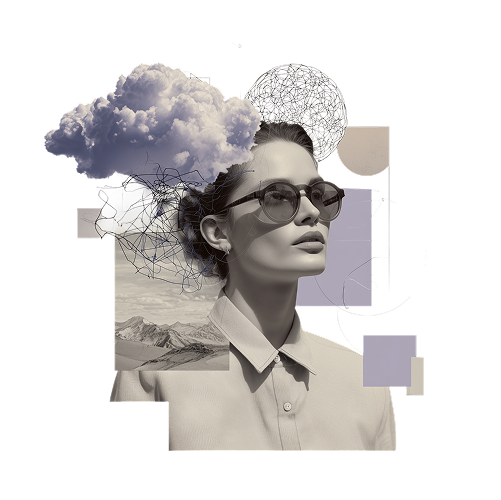
Sensory self-care is emerging as a new language of regulation — one built on texture, sound, scent, colour, and movement. What began as a therapeutic tool for neurodivergent people is now reshaping mainstream mental health culture, blending neuroscience, mindfulness, architecture, and design. The premise is beautifully simple: when words fail, healing begins with sensation.
What Is Sensory Self-Care — and Why It Matters
Sensory self-care means using the body’s own language — sight, sound, touch, taste, and smell — to calm the nervous system. It’s the intentional use of sensory input to heighten activity in the parasympathetic nervous system, which slows the heart rate, deepens the breath, and reestablishes a sense of rest and safety. Neuroscientists describe this as a shift from a “defensive” to a “restorative” state — something that can be achieved through simple environmental cues: soft textures, steady sounds, or grounding scents.
Clinical psychologist Dr. Megan Anna Neff describes sensory regulation as “mapping what overwhelms and what soothes” — a skill that helps neurodivergent people prevent overload and regain balance. Dr. Jenni Silva’s “Neurodivergent Sensory Self-Care Workbook” builds on the same principle: identifying one’s sensory profile — seeker or avoider — and creating a personalised sensory self-care toolkit to regulate mood and focus.
This approach aligns with mindfulness research, which shows that sensory awareness can ground attention and support emotional regulation. It also reflects a broader understanding of self-care as multidimensional — encompassing physical, emotional, spiritual, and relational aspects, each shaped by sensory experiences.
Everyday sensory self-care ideas are often small but powerful: adjusting light from harsh to warm, surrounding yourself with natural colours, choosing weighted or soft fabrics, diffusing scents like cedar or lavender, or listening to slow, repetitive sound patterns. These sensory anchors help the body recognise safety before the mind catches up. In this way, sensory self-care isn’t indulgence — it’s literacy. A practice of noticing and responding to what your nervous system is already telling you.
The Science Behind Multisensory Self-Care
For decades, neuroscience has been quietly rewriting our understanding of the mind–body connection. The senses are active architects of how we experience reality, emotion, and even selfhood. Modern research into multisensory integration, sensory processing, and interoception now shows that regulating the senses can directly stabilise the nervous system.
The Brain’s Sensory Map of the Self
Our sense of “I am” begins in the body. A seminal review by Professor Olaf Blanke, Swiss-German physician and neurologist, showed that bodily self-consciousness arises from the brain’s integration of visual, tactile, and vestibular signals into one coherent perception. When these sensory streams fall out of sync — as in virtual reality experiments or neurological disorders — people can literally feel detached from their own bodies.
Building on this, psychologist Dr. Manos Tsakiris demonstrated that self-awareness depends on blending internal sensations like heartbeat and breath with external cues such as touch and sight. The integration between these sensory domains forms the biological basis for emotional regulation — the ability to “feel oneself” both physically and psychologically.
Recent works in Frontiers in Human Neuroscience expand this model further: multisensory processing defines the boundaries between self and world, and its disruption is linked to anxiety, eating disorders, and neurodivergent sensory profiles. In short, the brain builds emotional stability through the same networks that maintain our body map.
Multisensory Mindfulness in Practice
In applied settings, these theories translate into measurable calm. In a 2023 study, a group of researchers from the University of Los Andes in Bogotá found that mindfulness sessions combining sound, scent, and visual biofeedback increased heart-rate variability — a key indicator of parasympathetic nervous system activity — and significantly reduced anxiety. Participants described feeling “more grounded and connected to the body,” confirming that sensory awareness can literally rewire stress responses.
This is how the brain “downshifts” from defence to rest. By engaging the senses — through sound, scent, temperature, light, and touch — we activate neural pathways that signal safety.
From Therapy to Trend: Multisensory Environments
The concept of multisensory wellness has moved from therapy rooms to salons, classrooms, spas, and even smart homes. The senses are no longer seen as distractions but as instruments of healing, and the industries of beauty, design, and technology are taking note.
Evolving Beauty Industry
Once reserved for trauma therapy and neurodivergent support, sensory practices are now reshaping the beauty and spa world. Treatments once meant purely for appearance now aim to regulate the nervous system instead of just pampering it.
According to Professional Beauty’s trend report, salons are introducing cryotherapy, infrared saunas, aromatherapy, chromatherapy, and binaural beats — all engaging multiple senses at once to encourage relaxation and emotional reset. Scent and sound are becoming the new skincare: fragrance diffusers adapt to mood, while rhythmic sound frequencies synchronise with brain waves to reduce stress. It marks a clear shift — from looking good to feeling regulated.
Design That Heals
Architecture, too, is joining the movement. A collaboration between Stantec, a sustainable engineering firm, and the University of North Carolina at Greensboro converted an empty office into a multisensory room for students dealing with anxiety. After just 30 minutes in the space — equipped with adjustable light, sound, scent, and tactile textures — participants reported a 3.6-point drop on the Perceived Stress Scale.
Environmental control was key: when students could adjust lighting or choose their own sounds, their sense of safety and agency increased. The study reflects a broader design movement — trauma-informed and sensory-sensitive architecture — now spreading through schools, universities and workplaces.


Sensory Self-Soothing Kits Gaining Ground
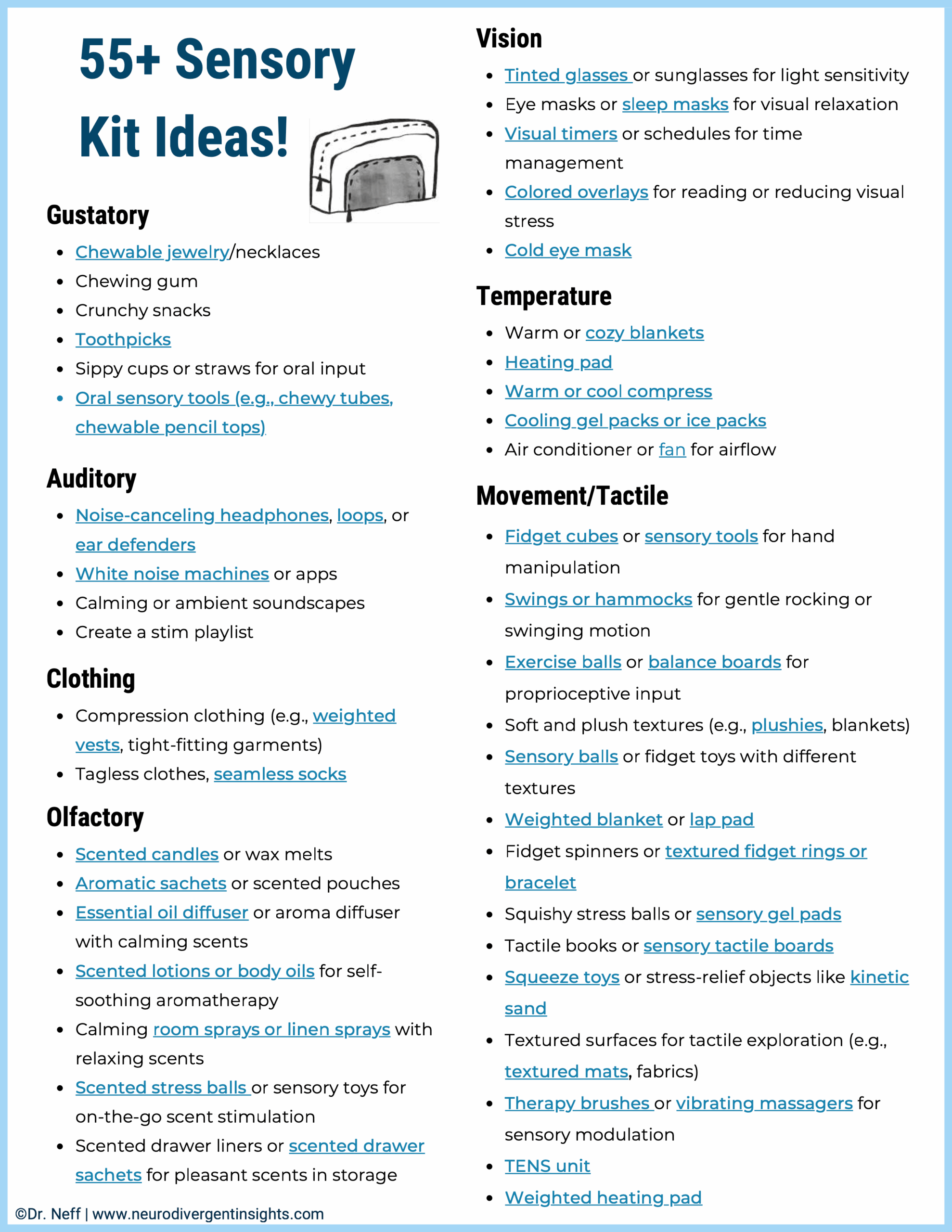
A sensory self-soothing kit is a small, personalised collection of items that help your body return to a calm state when you feel overstimulated. Think of it as a personal toolkit — literally — for emotional regulation. Therapists often call it an “emotional first-aid box,” because it provides grounding through the senses rather than through words or logic. Research shows that tactile, visual, and other sensory cues can activate the parasympathetic nervous system, slowing the heart, deepening the breath, and restoring a sense of safety.
What you include depends on your sensory profile. If you’re a sensory avoider, you might need tools that reduce stimulation — like sunglasses or earplugs. If you’re a sensory seeker, choose objects that gently engage attention, such as textured fabrics, fidget tools, scented oils, or visual items that provide a soothing focal point.
Your kit doesn’t have to be fancy — it just has to feel like you. Here’s what to include in your own sensory box, or how to upgrade it with DIY items tailored to your specific profile.
Building Your Own Sensory Self-Care Kit
The Five Basic Senses
Touch
Weighted blanket, fidget tool, clay, or soft fabric. Gentle pressure and texture can lower cortisol and signal comfort through the skin’s mechanoreceptors. Petting an animal has similar parasympathetic effects, reducing blood pressure and perceived stress.
Sound
Slow-rhythm, lo-fi and ambient playlists, nature recordings, or white noise. Consistent auditory patterns help regulate attention and calm hypervigilant neural circuits. Binaural beats and ASMR are also increasingly used in clinical relaxation programs.
Sight
Dim, warm light and uncluttered visuals reduce sensory load, supporting focus and emotional stability. Natural colours and biophilic textures are proven to lower physiological stress markers.
Smell
Scents like lavender, cedarwood, or citrus can reduce heart rate and modulate activity in the brain’s emotional centres, including the limbic system. Avoid strong synthetic fragrances, which often overstimulate instead of soothing.
Taste
Warm tea, mint, or crunchy snacks for a grounding effect. Slow, mindful eating activates vagal tone and provides predictable sensory feedback.
Body-Based Regulation
Movement
Gentle rocking, stretching, or grounding yoga poses activate the vestibular and proprioceptive systems, stabilising balance and emotion. Rhythmic motion signals the brain that it’s safe to rest — the same principle used in trauma-informed movement therapies.
Interoception
Hydration, rest, and balanced nutrition are the quiet foundation of all regulation. Tracking hunger, thirst, and fatigue builds awareness of internal body cues — an emerging practice known as interoceptive awareness. Apps or gentle reminders can help translate these body signals into conscious care.
Each sensory self-care toolkit is deeply personal. Some people crave stimulation, others need stillness — there’s no one-size-fits-all formula. The goal isn’t perfection; it’s alignment. Sensory self-care works best when it feels familiar, safe, and a little bit human. Your body already knows what helps — you’re just giving it permission to listen.
FAQ
 Expert Board Member
Sensory self-care is an emerging, evidence-based approach that uses intentional engagement to activate the parasympathetic nervous system and shift the body from stress to calm. Originally developed for neurodivergent therapeutic support, this multisensory approach is now reshaping mainstream wellness from trauma-informed architecture to personalized self-soothing kits reflecting a fundamental recognition that emotional regulation can begin with the body.