This content is grounded in peer-reviewed research, clinical guidelines, and established best practices. Claims are reviewed for accuracy and transparency. Learn more about our evidence standards

Move Differently, Feel Different: The Feldenkrais Method for Anxiety
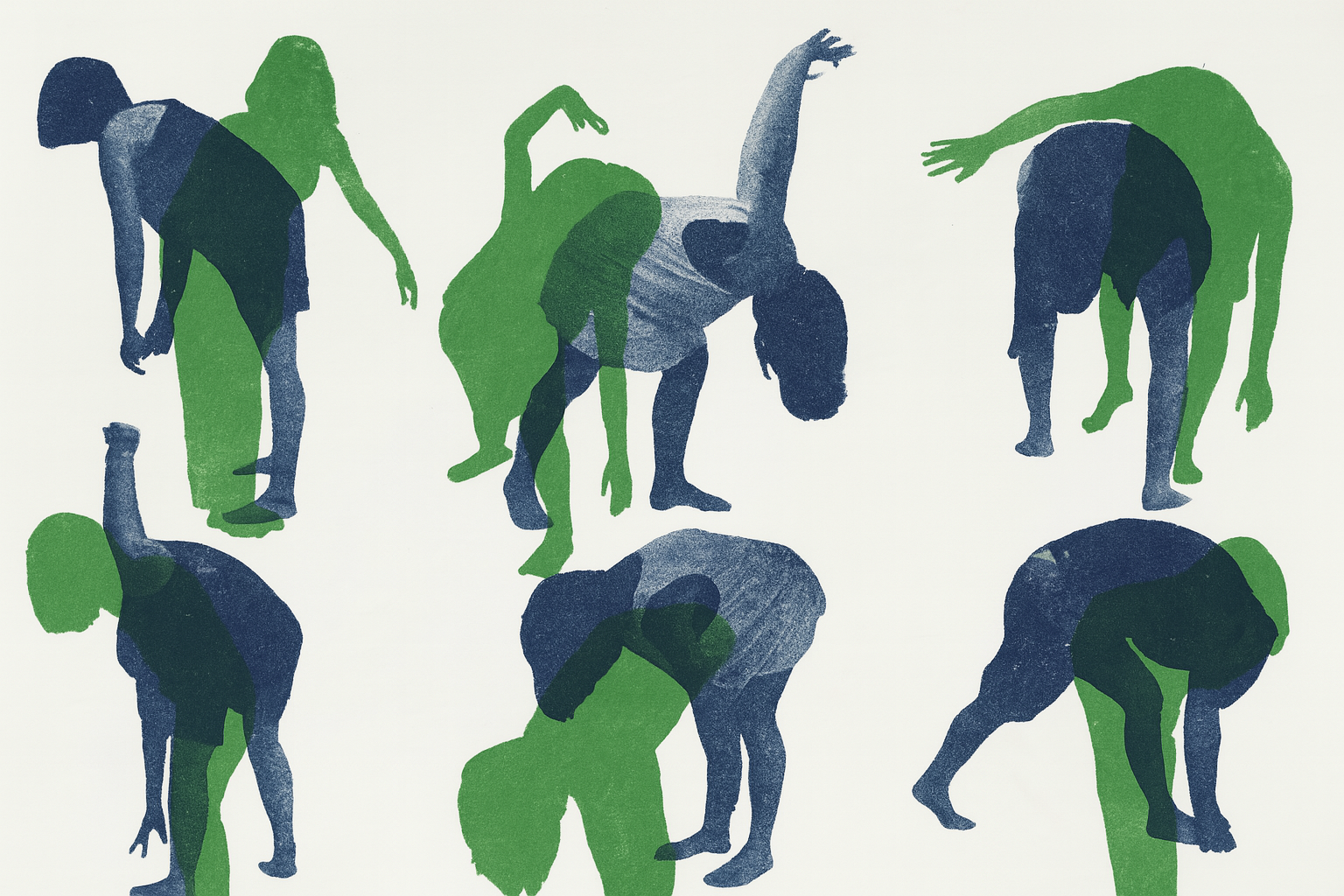
When it comes to managing anxiety, most approaches start in the mind: reframe your thoughts, soothe your nervous system, talk it out. But what if the real key to making a change is not in what you think, but in how you breathe, sit, and move? Somatic practices like breathwork and mindful movement offer a different entry point: one that starts in the body and works its way upward, helping to shift not just your state of mind but your entire sense of being.
One quiet practice is gaining traction for doing just that: the Feldenkrais Method. Rooted in gentle movement and deep awareness, it offers an unexpected route to a more balanced emotional state — not through effort or control, but through curiosity, subtlety, and embodied change. For instance, unconscious postures, such as habitual tension in the jaw and shoulders, can both reflect and reinforce feelings of fear, suspicion, or distress. By bringing awareness to these subtle patterns and exploring new ways of moving, the method can help shift both body and mind toward greater ease.
Beyond Flexibility
Developed in the mid-20th century by Israeli physicist and judo black belt Moshe Feldenkrais, his eponymous method is making a comeback across blogs and media — from TikTok to The Washington Post. “After two hourlong sessions focused first on body awareness and then on movement retraining at the Feldenkrais Institute of New York, I understood what it meant to experience an incredible lightness of being”, — wrote then-76-year-old Jane E. Brody, a Personal Health columnist for The New York Times.
This isn’t just a feel-good anecdote or a fleeting wellness trend. Research points to the Feldenkrais Method’s benefits, especially when it comes to mobility in older adults. These changes aren’t driven by muscle strengthening or targeting specific symptoms, but by increased body awareness, comfort, and ease. Some studies also reported reduced effort, better dexterity, and even improved body image.
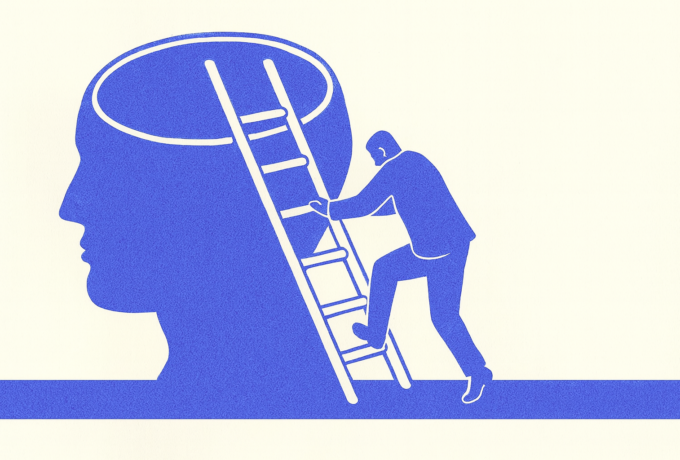
More and more people turn to Feldenkrais for help with chronic pain or flexibility and often find it remarkably effective. However, its main impact may lie in the brain’s plasticity as much as the body’s. Evidence suggests it can also help reduce anxiety, indicating benefits beyond the physical. In fact, this was already studied in the early 2000s, when research showed that both a single Feldenkrais lesson and a 10-week program significantly lowered state anxiety in both new and experienced participants.
It’s less about fixing posture and more about shifting perception, interrupting habitual stress patterns, and restoring a sense of agency from the inside out. Much like Yin or Restorative Yoga, Feldenkrais lessons guide you through small, slow movements with close attention to sensation. The aim isn’t to stretch, push, or fix the body, but to expand awareness and interrupt habitual movement patterns that may be linked to stress or pain.
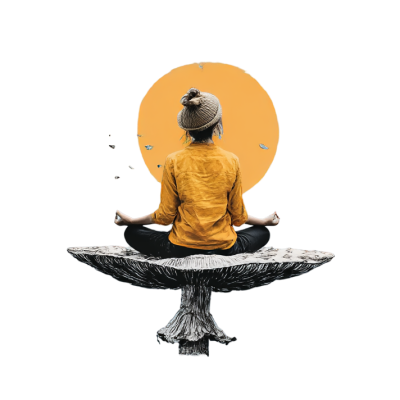
Think of it as a kind of moving meditation that teaches your brain new options — not just for how to move, but for how to feel and respond. Over time, this gentle retraining can help reconnect the mind and body, shift long-held habits and quietly reduce mental challenges.
Breaking the Mind-Body-Anxiety Loop
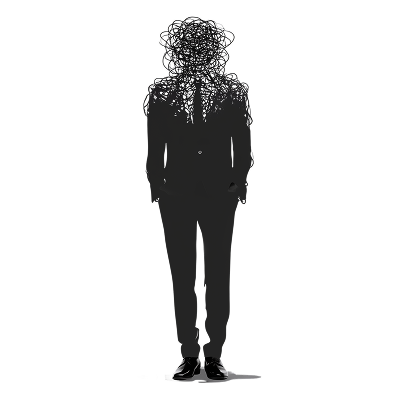
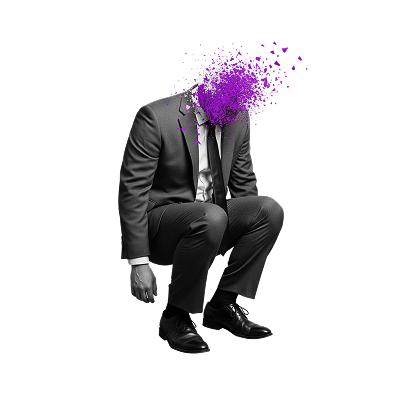
Anxiety is often treated as a mental condition, but anyone who has lived with it knows its physical grip: clenched jaws, tight shoulders, shallow breath, a racing heart. These bodily responses reinforce the brain’s sense of danger — locking us into a loop of worry and reactivity.
Recent insights from neuroscience and somatic psychology suggest a powerful link between movement and mental states. The brain doesn’t just passively receive sensory input — it interprets and assigns meaning to it. This may explain why some physical sensations feel calming while others heighten tension. As neuroscientist Peter Strick puts it, “How we move, think, and feel have an impact on the stress response through real neural connections.”
This means that the way we move doesn’t just reflect how we feel — it shapes it. Neuroscientific research findings are consistent with what Moshe Feldenkrais intuited decades ago: movement patterns affect brain organization, emotional states, and cognitive function. No wonder Dr Norman Doidge — the Canadian psychiatrist and psychoanalyst who helped popularize neuroplasticity, the brain’s ability to change and adapt — called Feldenkrais “one of the first neuroplasticians,” indicating that his ideas could align with brain plasticity concepts as early as 1949.
From Freeze to Flow
The Feldenkrais Method balances the mind-body cycle by inviting slow, exploratory movement in a calm, nonjudgmental way. Moshe Feldenkrais believed that lasting change doesn’t come from force, but from perception: by noticing how we move, where tension hides, how the body meets the ground, we begin to shift our habits from the inside out.
The exercises, often done lying down to minimize the effect of gravity, help participants explore posture, coordination, and ease. The key isn’t doing more or trying harder, but doing less, more consciously. As we learn to move with greater efficiency and less strain, we also build mental clarity and emotional resilience. For Feldenkrais, this wasn’t just physical training, it was a path to self-knowledge through sensory awareness.
As awareness increases, the body becomes less reactive, and the mind follows. This bottom-up approach can be especially powerful for those whose anxiety feels lodged not just in thought patterns, but in muscle memory. A study of psychiatric outpatients diagnosed with mood, stress-related, behavioral, or personality disorders found еhat adding body awareness therapy — which differs from the Feldenkrais Method in approach, focus, and techniques, but is related in principle — to standard treatment not only improved how patients connect with and feel about their bodies, but also reduced mental and physical symptoms, supporting healing for both mind and body.
In this sense, Feldenkrais becomes a form of embodied mindfulness: not focusing the mind by sheer will, but by shifting the body’s habitual rhythms. “When you know what you’re doing,” Feldenkrais famously said, “you can do what you want.” For anxious individuals, that sense of agency can be quietly transformative.
How to Begin
While CBT helps reframe thoughts and medication may shift neurochemistry, people struggling with anxiety may still feel disconnected or chronically tense. For those who feel stuck despite doing “all the right things” — journaling, meditating, talking — Feldenkrais can restore a sense of movement, both literally and metaphorically.
It offers quite a different kind of change: a felt experience that gently shifts body patterns to embrace emotion, attention, and self-perception. This internal shift from self-control to self-sensing creates a sense of agency rooted in the body rather than willpower. There’s no pressure to perform or fix anything; the emphasis is on the process, not achievement.
Getting started with Feldenkrais is surprisingly accessible. Rather than imitating prescribed movements, practitioners guide people to explore and find their own movement solutions, often through one-on-one sessions or group classes, promoting lasting improvements in function and well-being. Most common practices are group classes called Awareness Through Movement and hands-on one-on-one sessions known as Functional Integration (frequency can vary depending on individual goals). Both approaches are gentle and adaptable for any fitness level or experience, and you can find professional trainings near you on the International Feldenkrais Federation’s website.
You can also try Feldenkrais at home: certified practitioners provide online audio and video instructions guiding you through short, structured explorations, like lying on the floor experimenting with micro-movements of the pelvis or eyes. Simple daily practices might include noticing how you get up from a chair or how your breath changes when you slow down.
These physical micro-adjustments can spark a bigger shift: a nervous system that feels more at ease, more connected, and better equipped to handle life’s challenges.
 Expert Board Member
Feldenkrais is a somatic, awareness-based method that uses slow, mindful movements to explore and potentially recalibrate posture, breath, and sensorimotor habits. Evidence from small research studies highlight improved mobility and body awareness, as well as modest reductions in ratings of pain and anxiety in those participating in group or one-to-one sessions.