What Is Anxiety, Why It Happens, and When It’s Time to Seek Help
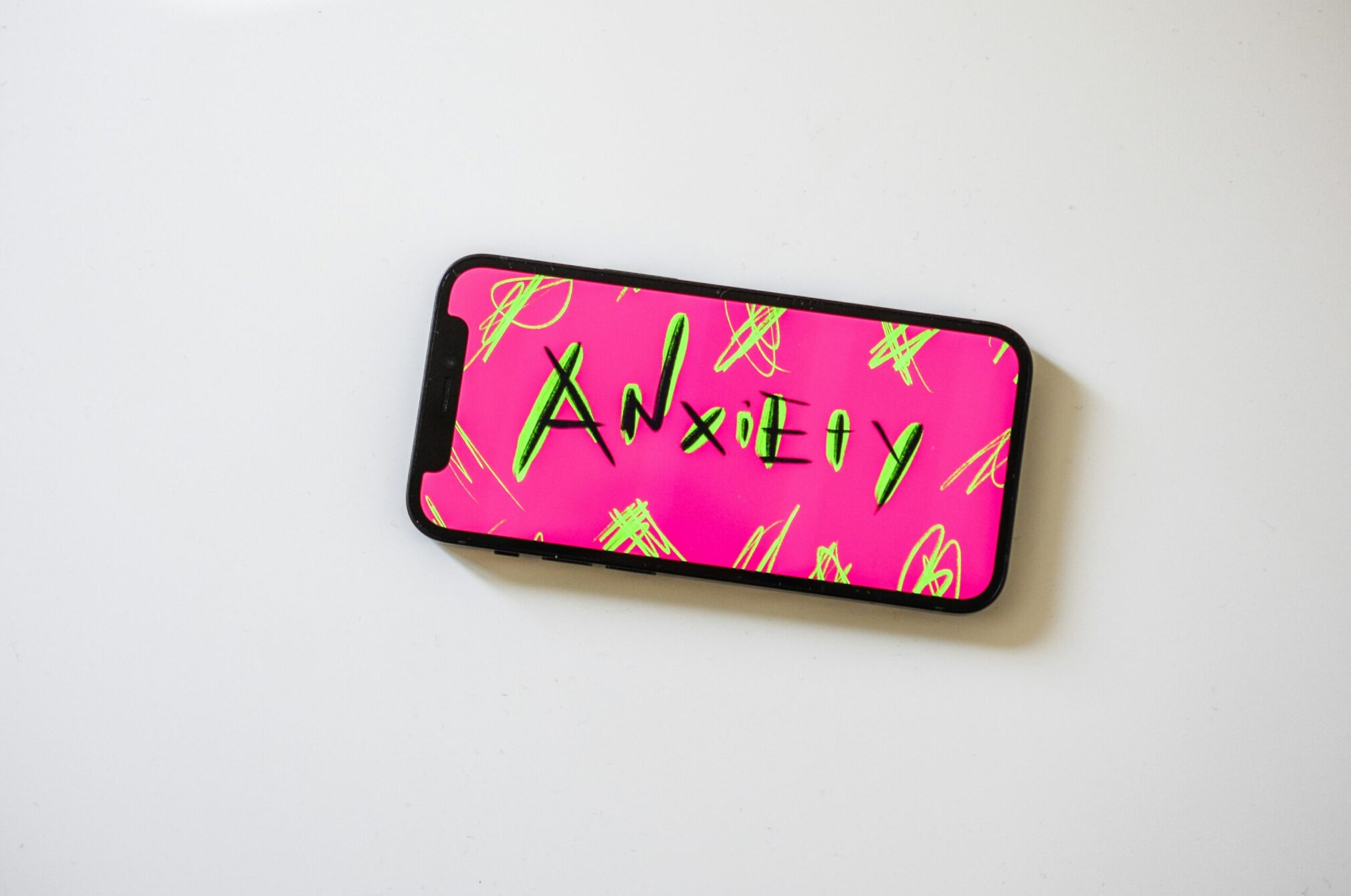
Anxiety is the most common mental health challenge worldwide — and the good news? It’s highly treatable. Yet, only 1 in 4 people with anxiety get the support they need. Why? Some don’t know where to start. Some don’t know who to turn to. Others don’t even realize they’re struggling with anxiety at all.
This guide is here to change that — to help you recognize the signs, understand what anxiety really feels like, and know when (and how) to seek help.
What Is Anxiety?
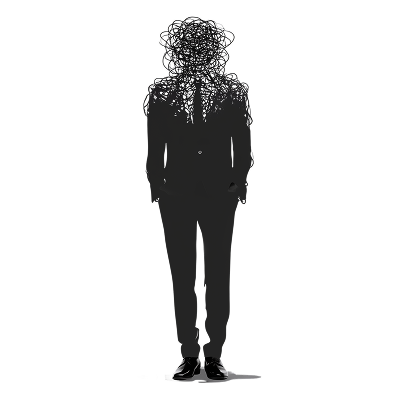
Anxiety is an emotional and physiological state triggered by anticipated threat or danger. It’s a signal from your nervous system that something might need your attention — a built-in alarm system that helped our ancestors survive. But when that alarm rings too often or too loudly, anxiety can shift from a helpful warning to something overwhelming.
You might feel anxious about things that aren’t immediately life-threatening — an email, a conversation, a mistake you made last week — but your body reacts like you’re facing a lion.
Neuroscientifically, anxiety involves hyperactivation of the amygdala, which scans for danger, and decreased regulation by the prefrontal cortex, which helps assess what’s real. It’s also tied to imbalances in neurotransmitters like gamma-aminobutyric acid and serotonin, which regulate mood and relaxation.
Everyone experiences anxiety occasionally. But when the worry becomes chronic, overwhelming, and disrupts daily life, it may be an anxiety disorder. This is not a character flaw — it’s a common, treatable mental health condition affecting millions globally.
Understanding anxiety as a biological and psychological response helps reduce shame. It’s not “just in your head.” It’s a system designed to protect you — it just needs recalibration.
Types of Anxiety Disorders
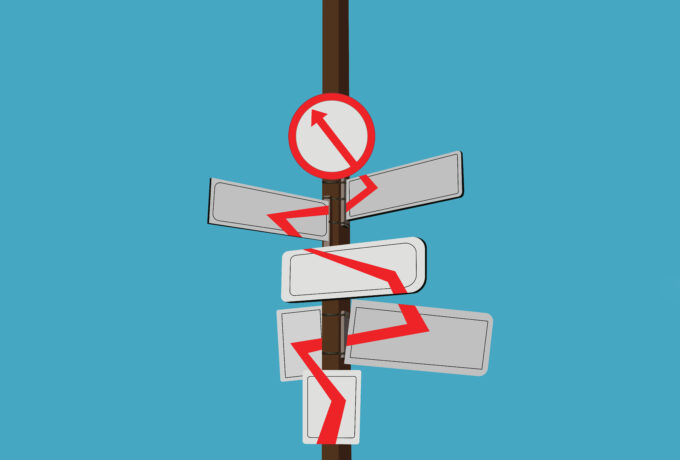
Anxiety can wear many masks. While the core experience of fear, tension, unease is shared, it shows up differently from person to person. Some people feel constant worry, others experience sudden waves of panic or avoid specific situations entirely. Understanding the major types of anxiety helps put a name to what you’re feeling — and points the way toward the right kind of support.
Generalized Anxiety Disorder
Chronic worry about many things — even small or hypothetical problems. People with GAD often say, “I can’t stop worrying, even when I know it’s irrational.”
Social Anxiety Disorder
Not just shyness — it’s a deep fear of embarrassment or rejection in social or performance situations. This can lead to avoidance and isolation.
Separation Anxiety Disorder
While often linked to children, adults can experience extreme fear about being away from loved ones, causing distress and physical symptoms.
Selective Mutism
A rare disorder in children where they’re unable to speak in certain settings, often linked to social anxiety. It’s not defiance — it’s fear.
Phobias are also classified as anxiety disorders due to their similar symptomatology, such as:
Specific Phobias
Intense, irrational fears triggered by specific objects or situations — like flying, needles, or animals. The fear response is immediate and overwhelming.
Agoraphobia
Fear of places where escape might be difficult — often public spaces, crowds, or transportation. People with agoraphobia may feel safest at home.
Panic Disorder
Recurring panic attacks — intense surges of fear with physical symptoms like chest pain, dizziness, or feelings of losing control. Often accompanied by anticipatory anxiety about future attacks.
What Does Anxiety Feel Like?
Anxiety doesn’t always manifest clearly, making it easy for others to misread or dismiss it. Some people shut down completely, seeming quiet or detached. Others overtalk, over-apologize, or obsessively plan — which might come off as “funny,” intense, or too sensitive to those who don’t get what’s going on.
But inside anxiety can feel unbearable. For many, it’s like a constant inner tension, as if something bad is about to happen even when everything seems fine.
It’s not just in your head: anxiety affects your whole body, mind, and emotions.
Emotionally, anxiety often comes with fear, unease, irritability, or a sense of doom. Mentally, it shows up as overthinking, indecision, “what if” spirals, and intrusive thoughts. Physically you might feel:
- Tightness in your chest
- A racing or irregular heartbeat
- Difficulty breathing or swallowing
- Restlessness or insomnia
- Digestive issues (nausea, cramps)
- Muscle tension or jaw clenching
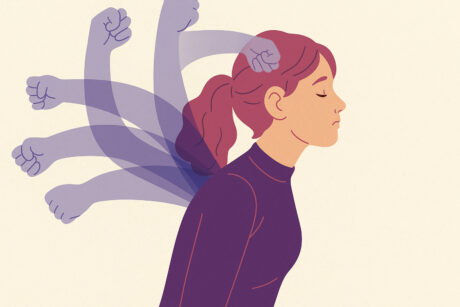
These symptoms are caused by the activation of your sympathetic nervous system — so called “fight-or-flight” responce. It floods your body with cortisol and adrenaline, priming you to take action. Normally, once the threat passes, these stress hormones return to baseline. But in an anxiety disorder, the brain signals danger far more often, and even in safe situations. This keeps the body in a prolonged state of tension, which makes anxiety incredibly exhausting.
It can also feel like you’re in a constant loop of trying to calm yourself down — and not knowing how. Fortunately, there are effective treatments for anxiety and techniques to reduce its impact.
Anxiety vs. Stress: What’s the Difference?
Stress and anxiety are often confused, but they’re different in cause, feel, and duration. Stress is more physical and time-bound; anxiety often includes ruminative thinking and emotional fear.
Distinguishing the two helps you understand what your body is asking for.
- Stress is a response to an external pressure — a looming deadline, an argument, a major life change, and it usually goes away when the stressor does.
- Anxiety, on the other hand, is internal and doesn’t need an external trigger: it lingers, loops, and stays present even in the absence of a clear stressor. Unlike stress, it often requires more intentional approaches to calm down — such as cognitive restructuring, grounding techniques, or therapeutic support.
Root Causes: Why Do We Get Anxious?
Anxiety isn’t random or a sign of personal failure. It might emerge from a complex number of factors — our biology, upbringing, personality, and the world we live in. Exploring the root causes can bring clarity and reduce the confusion that anxiety often carries.
- Biological roots: Brain structures like the amygdala (threat detection) and hippocampus (memory processing) play key roles. An overactive amygdala can make people perceive danger where there is none. Low levels of or gamma-aminobutyric acid can also contribute.
- Genetics: If someone in your family struggles with anxiety, your risk is higher. It doesn’t mean you’re destined to have it — but you might have a lower threshold for stress.
- Early experiences: Childhood trauma, neglect, bullying, or inconsistent caregiving can condition the brain to expect threat. Even one-off traumatic events can leave a long-term imprint.
- Personality traits: Highly sensitive people, perfectionists, and those with high levels of neuroticism are more prone to anxiety.
- Lifestyle and modern stressors: Sleep deprivation, digital overload, financial stress, isolation, and high-pressure environments can push the nervous system past its limit.
How to Cope: Strategies That Help
Anxiety doesn’t have to run your life. With the right tools, you can calm your nervous system, change how you relate to your thoughts, and build resilience over time. Coping isn’t about pushing anxiety away — it’s about responding to it skillfully, with support. From therapy to breathing techniques to lifestyle shifts, there are many evidence-based strategies that truly make a difference.
- Cognitive Behavioral Therapy (CBT): One of the most effective treatments for anxiety. CBT helps you identify distorted thought patterns (“I’m in danger”) and reframe them into more balanced thoughts (“I’m safe, even if I feel scared”).
- Mindfulness and breathwork: Techniques like box breathing, body scans, or even 5 minutes of focused breathing can activate the vagus nerve, calming your heart rate and helping you feel grounded.
- Physical activity: Exercise reduces cortisol, improves sleep, and increases endorphins — natural mood boosters. You don’t need a full workout — walking counts.
- Medication: Antidepressants like SSRIs and SNRIs help regulate brain chemistry and can reduce anxiety symptoms over time. Beta-blockers are another option — they ease physical symptoms like a racing heart and are often used for situational or performance anxiety.
- Legal psychedelic-assisted therapy: isn’t a first-line treatment, but it’s an emerging alternative for those who haven’t responded to traditional approaches.
- Self-care: Get enough sleep, eat consistently, stay hydrated, and reduce caffeine or alcohol. These small changes support emotional resilience.
- Connection: Talking to a therapist, friend, or support group can break the shame loop. You don’t have to go through this alone.
When to Seek Help
Everyone experiences anxiety sometimes — but when it starts to shrink your world or interfere with your daily life, it’s time to reach out. You don’t have to wait for a crisis to get support. The earlier you address anxiety, the easier it becomes to manage. Recognizing when to seek help is not a sign of weakness — it’s a powerful act of self-respect. Early markers of anxiety may include:
Mental Symptoms
- Excessive worry: Persistent fear or nervousness about everyday situations, sometimes accompanied by a sense of impending doom.
- Cognitive difficulties: Trouble focusing, making decisions, or thinking clearly.
- Sleep disturbances: Difficulty falling asleep, staying asleep, or waking up feeling unrested.
- Irritability: Feeling easily agitated, tense, or on edge.
Behavioral Symptoms
- Avoidance: Steering clear of situations or responsibilities that provoke anxiety.
- Restlessness: Trouble sitting still or a constant need to move.
- Social withdrawal: Pulling away from friends, family, or social interactions.
More Severe Signs of Anxiety Might Include:
- Anxiety significantly interfering with your work, studies, or relationships
- Panic attacks or frequent unexplained physical symptoms
- Persistent feelings of dread, irritability, or emotional exhaustion
- Thoughts of hopelessness or feeling stuck or trapped
If you’re experiencing any of these more intense symptoms, don’t wait and reach out to a mental health professional for support. Mental health professionals, including therapists, psychologists, and psychiatrists, are trained to help you explore the roots of anxiety and offer tools to manage it.
You might be offered CBT (Cognitive Behavioral Therapy), ACT (Acceptance & Commitment Therapy), or EMDR (Eye Movement Desensitization and Reprocessing) if trauma is involved. Medications are sometimes suggested, especially if symptoms are severe.
Asking for help isn’t weakness, it’s taking care of yourself. Anxiety is treatable — and seeking help is the first step toward feeling like yourself again.
FAQ:
Is anxiety a mental illness?
Yes. Anxiety disorders are classified as mental health conditions — but they are also highly treatable.
Can anxiety go away on its own?
Sometimes, especially if it’s tied to a specific event. But chronic or severe anxiety usually requires support or treatment.
What triggers anxiety the most?
Triggers vary — from caffeine to social pressure, trauma, or chronic stress. Identifying personal triggers is key.
What is the best way to calm anxiety fast?
Deep breathing, grounding techniques (like the 5-4-3-2-1 method), and moving your body can help interrupt the anxiety spiral.
Are anxiety and panic attacks the same?
Not exactly. Panic attacks are intense episodes of fear — anxiety is often more sustained or anticipatory.
Can anxiety be cured completely?
Many people experience full remission. Others learn to manage it effectively. Either way, anxiety doesn’t have to control your life.
When should I seek treatment?
If it’s daily, overwhelming, or interfering with your functioning, it’s worth getting assessed by a mental health professional.
How do I know if I have an anxiety disorder?
A licensed therapist or psychiatrist can make an official diagnosis. Self-screening tools can also offer insight.