On this page
Instituto Dr. Scheib
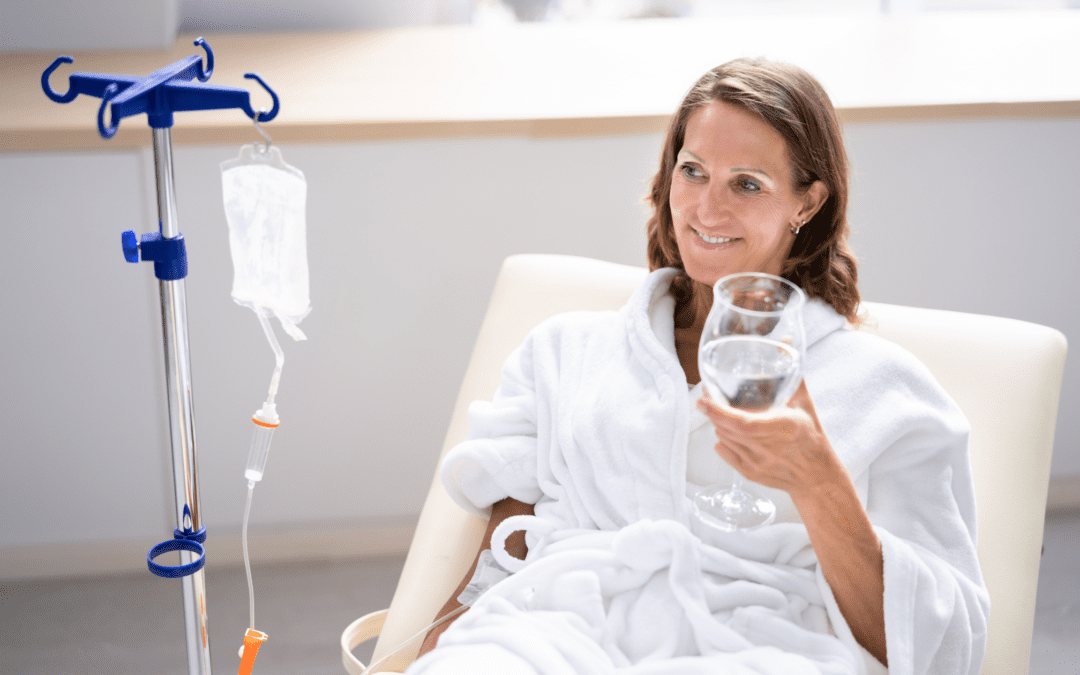
Medically supervised ketamine IV infusions combined with psychotherapy, rTMS and neurofeedback at a multidisciplinary treatment centre in Mallorca.
 Spain
Spain 

Overview
The clinic is a multimodal psychosomatic and mental health practice led by Dr. Mario Scheib, offering ketamine intravenous infusions as part of an integrated treatment programme. Their model emphasises combining ketamine with complementary therapies—psychotherapy, rTMS, neurofeedback and hypnosis—to improve and sustain outcomes rather than relying on infusions alone. The clinic operates a treatment centre on Mallorca (Clinica Luz / Instituto Dr. Scheib) and serves an international clientele.
Their mission is to provide personalised, evidence-informed care that addresses root causes as well as symptoms. The centre positions itself as medically supervised and multidisciplinary, integrating somatic, psychotherapeutic and neuromodulatory approaches within a supportive setting on Mallorca.
Best for
This provider is best suited for adults with treatment-resistant mood and trauma-related conditions who are able to travel for in-person treatment or engage in remote preparation and follow-up. Typical clients include people with chronic depression that has not responded to standard treatments, PTSD, OCD and individuals with persistent functional symptoms or chronic pain who are seeking medically supervised ketamine-assisted interventions within a broader therapeutic program.
- People with treatment-resistant depression
- Individuals with PTSD or severe anxiety-related disorders
- Clients seeking integrated ketamine-assisted psychotherapy combined with neuromodulation (rTMS, neurofeedback)
Approach
The clinic combines medically supervised ketamine IV infusions with scheduled psychotherapeutic work and neuromodulation. Ketamine infusions are framed as an initial «reset» that can open a therapeutic window; psychotherapy, integration work and other modalities are used to consolidate and extend treatment gains. rTMS and neurofeedback are offered to stimulate neuroplastic change and support longer-term symptom improvement.
Treatment typically begins with clinical screening and medical evaluation, followed by an individually tailored plan that may include a series of infusions, preparatory psychotherapy, on-site or remote integration sessions, and adjunctive neuromodulatory treatments. Hypnotherapy and specialized integration approaches are available to help translate acute experiences into lasting behavioural and emotional change.
The team emphasises safety, clinical oversight and multimodal continuity of care, combining medical monitoring during infusions with psychotherapeutic follow-up to minimise relapse and support recovery.
Education and Training
The clinical team includes medical doctors, psychiatrists and psychiatrically trained specialists as well as psychologists, psychotherapists and practitioners trained in ketamine-assisted psychotherapy and neuromodulative methods. Dr. Mario Scheib is a board-certified specialist in psychosomatic medicine and psychotherapy and the centre notes participation in international conferences and collaborations related to ketamine research. Several team members hold advanced training in rTMS, neurofeedback, EMDR, hypnosis and psychedelic-assisted therapy.
Support
Clients receive multidisciplinary support across the treatment pathway: medical screening, supervision during infusions, psychotherapeutic preparation and structured integration. The practice highlights a model of ongoing follow-up and access to complementary therapies (rTMS, neurofeedback, hypnosis) to help consolidate treatment effects and manage side effects such as transient dissociation or nausea.
The clinic states adherence to medical oversight and screening procedures prior to ketamine treatment and describes an inclusive, trauma-informed approach to care. Confidentiality and standard clinical safety practices are described as part of their medical service model.
Practical details
Services are delivered from a treatment centre in Mallorca with an international multidisciplinary team; some initial information sessions and consultations are offered remotely (e.g., online info meetings and contact form). Appointments can be requested via the website contact form or by email. Languages spoken across the team include English, German, Spanish and multiple other European languages. No session pricing is listed on the page; the clinic offers a free initial consultation inquiry via their contact form.
- Format: Primarily in-person at Mallorca treatment centre; preparatory and follow-up contact may be offered remotely (hybrid model)
- Location: Mallorca (Clinica Luz / Instituto Dr. Scheib, Palma)
This description was generated based on information from the official website and other materials provided by the provider.