Reading Navigation


This content is grounded in peer-reviewed research, clinical guidelines, and established best practices. Claims are reviewed for accuracy and transparency. Learn more about our evidence standards
Can Magic Mushrooms Make You Live Longer? Psilocybin Studied For Longevity
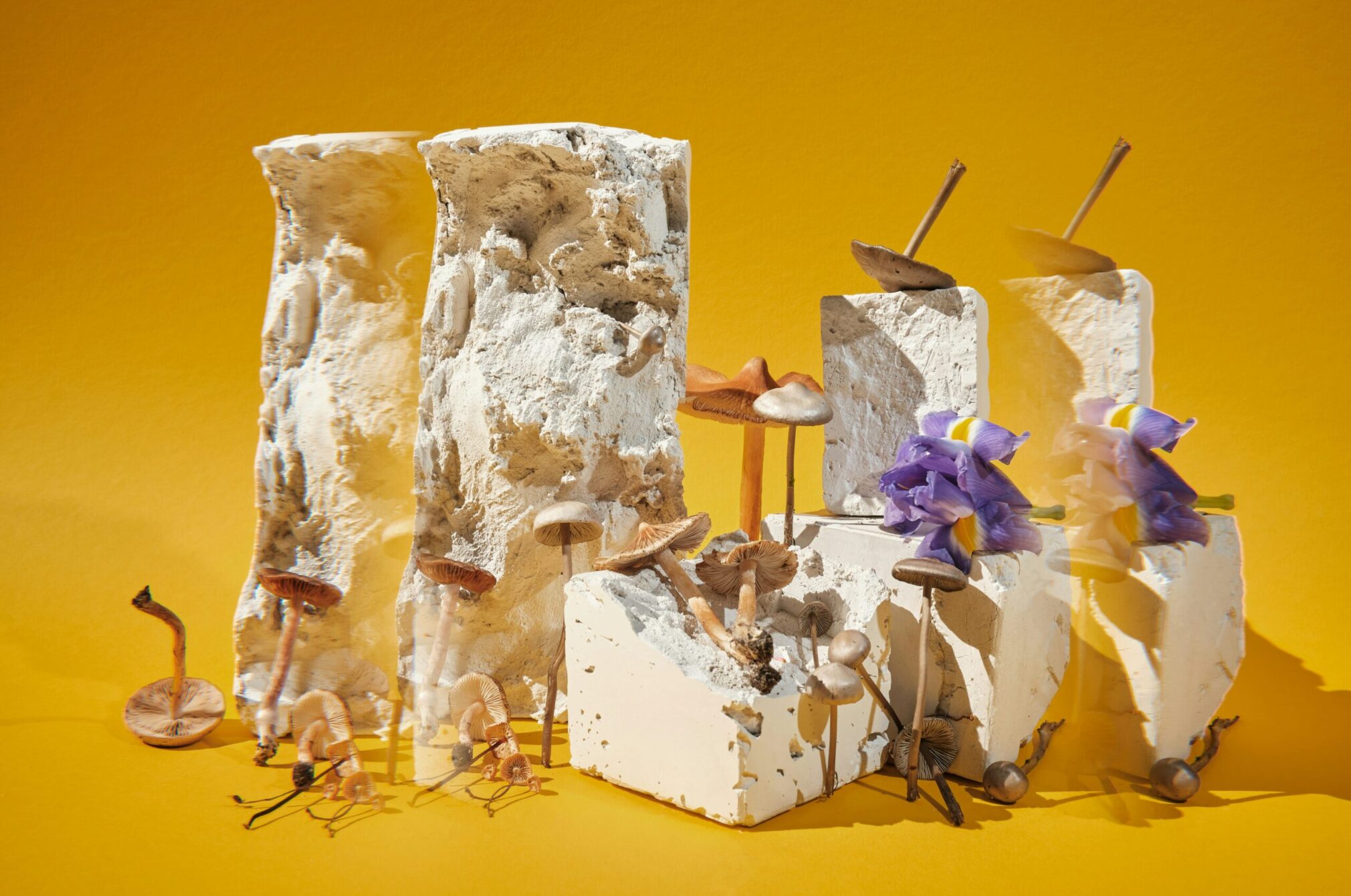
A new study1 has provided the first evidence that psilocin, the active compound of psilocybin (magic mushrooms), could have a potent longevity effect at the cellular level.
The study from Emory University and Baylor College of Medicine found that psilocin treatment given to aged mice extended their cellular lifespan and promoted longevity.
Validating the findings in human cells, the study demonstrated that psilocin created a delay in the aging of human lung and skin cells by 50%, as well as reduced oxidative stress and delayed senescence — a process by which cells stop dividing, connected to the aging process.
Most research around psilocybin to date has focussed on mental health, but this is the first study to look at its physiological and cellular effects in deeper detail.
Magic Mushrooms Extends Life Span (In Mice)
The study team highlights that, so far, psilocybin research has focused on neurological impacts and behavioral outcomes, with limited studies investigating “alternative or systemic mechanisms” that mediate its benefits.
To understand more about the molecular mechanisms and the compound’s systemic impacts, the researchers investigated whether the compound could extend cellular lifespan.
Louise Hecker, PhD, senior author on the study, explains that the team utilized a wide variety of aging markers, including oxidative stress markers and senescence markers — which identify cells that have stopped dividing due to stress or damage.
These markers can help researchers measure disease and aging.
“Every single marker I looked at was rescued, to some extent, in a dose-dependent manner,” says Hecker.
“Oxidative stress, which is a major regulator of oxidant production, was decreased, and a master regulator of antioxidant defenses was increased, so we saw less oxidant production and more antioxidant defenses.”


Settling on a once-per-month, psychedelic dose, the team saw a dramatic improvement in survival in the psilocybin-treated mice.
“Even more shocking, within the first couple of months, everyone in the lab noticed the treated mice looked better than the control group.
“At the start, they already looked old and had hair loss and scruffiness. Over the next 10 months, the control mice looked even older, but the psilocybin mice looked better than at the start of the experiment.
“Hair grew back. White hair grew back black, and their fur was shiny — psilocybin clearly had potent effects on hair and skin health.”
For dosing translation into human studies, Hecker says that the optimal protocol for geroprotection in mice will need to be established. And, while these early results lay the groundwork for further investigations, Hecker also emphasizes the need for research into safety, including the potential risk for cancer.
“What does repetitive dosing do? Could it increase cancer risk? We have to test it. We didn’t see evidence of that, but that doesn’t mean it can’t happen.
“What if you take psilocybin repetitively and then develop cancer, does it influence progression? There are a couple of small correlative studies suggesting psilocybin users may have decreased cancer risk, but those aren’t rigorous trials.”
Discover Progressive Therapies — for Longevity, Calm, and Beyond


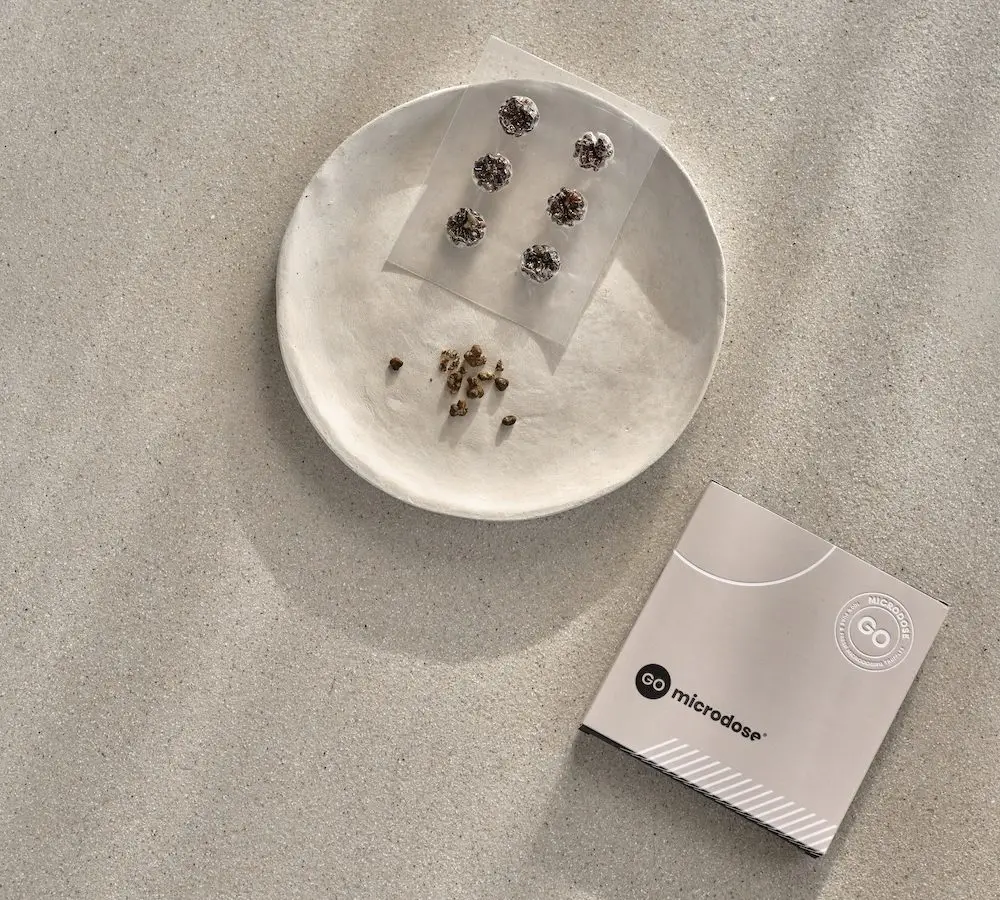
 Netherlands
 Platform selling microdosing truffles and providing guidance for mental well‑being.
Synergies in Psychedelics and Longevity Science
Hecker explains that when she initially began reading research on psilocybin for mental health, she was fascinated by evidence that demonstrated positive impacts five-years post treatment.
“I don’t know of another drug in the world where you can take one dose and have positive impacts five years later.
“Everything that’s known about psilocybin is about what it does in the brain, and what we know from clinical outcomes, which are mostly brain-related disorders or pathological conditions.
“So little is known about anything else that it does — which opens up a whole new frontier.”
This frontier is now beginning to be explored. Biopharma company Psyence Biomed has now launched a psilocybin longevity research program.
Hair grew back. White hair grew back black, and their fur was shiny — psilocybin clearly had potent effects on hair and skin health.
The program will investigate psilocybin’s impact on biological markers associated with aging, including markers of cellular stress, inflammation, mitochondrial function, as well as behavioural indicators associated with healthspan and lifespan.
Speaking to States of Mind, Dr. Neil Maresky CEO and Global Head Clinical Development at Psyence, explains that the company is working to address the current global mental health crisis through its research into psychedelics.
Its main programs are focused on mental health disorders in the context of palliative care and at substance use disorders, in particular, alcohol use disorders.
Maresky highlights that both of these indications have a tremendous burden on the individual, on society, and on healthcare systems.
“As we evolve our company and mature, we’re looking for opportunities that will align with that vision to address the global mental health crisis and address mental health,” says Maresky.
He explains that when the Emory study came out, Psyence’s approach was twofold: firstly, at the macro physiological level, whereby mental health sufferers have a shorter lifespan2 and are more likely to experience poorer health outcomes3.
“We are very optimistic that it may improve quality of life, improve outcomes, and thereby improve their potential to live longer,” says Maresky.
“Secondly, if you look at the micro physiological level that is explored in the Emory study, such as telomere length and the impact on the cellular level, ultimately, this is a potential therapeutic intervention for age related diseases as well.”
Psyence’s longevity program, in its initial, pre-clinical stages of research, will use a different mouse model from the Emory study. However, it will study different endpoints that will complement the Emory study.
“The trajectory of these biomarkers with continued dosing of psilocybin will be evaluated, along with cellular structure, and maybe fluid cognition tests that we can implement in a pre-clinical setting,” says Maresky.
“Once we have a bigger cache of preclinical data we can hone in in terms of looking at a particular indication that would be amenable to psilocybin therapy, where it might impact not only the indication itself, but longevity and extended lifespan.”
Today, many age-related diseases4 show up after the age of 60, and, with people living longer, more are now developing age-related diseases.
Hecker highlights Covid-19 as an example, noting that the older a person is when contracting the virus, the worse the outcomes.
“Why is that? Why don’t elderly people heal like young people? It’s the wear and tear of the body with age. There’s a direct correlation with aging. The holy grail is — can we slow the aging process? Instead of targeting each individual disease, if we slow aging itself, we could impact many diseases. That’s the big goal.
“When people think of psilocybin, they think of brain effects, since that’s what’s been studied. But the reality is, it has potent impacts across the body.”


Hacking Into The Public Consciousness
“Biohackers” have also been taking note of the potential impact of psilocybin on aging and longevity.
Bryan Johnson, author of Don’t Die and founder of Blueprint — which creates personalized protocols for longevity — recently tried a psilocybin protocol, dosing ~5g once a month for three months to explore its longevity effects.
At the time of writing, Johnson has completed his first and second dosings, tweeting his first journey, and streaming his second live on YouTube to thousands of viewers.
Featuring live guests, Johnson’s family, and a DJ set from Grimes, Johnson took nearly 250 biomarker measurements before, during, and after his journey and the following morning
Samples and markers included urine, stool, saliva, and fertility samples, inflammation, genetic and cellular health markers, and hormonal panels.
As founder of Kernel, a company developing neuroimaging devices, Johnson also used the Kernel Flow headset to measure brain activity.
In a public online post, Johnson described the experience as one of the “best days of his life,” saying it was “healing, energizing, and full of love.”
Johnson wrote: “I have hope that a new era of human existence is just around the corner and we might just be able to wrestle our most destructive instincts and amplify the splendor.”
Posting his first set of results on social media, Johnson described some of his findings, such as higher entropic brain patterns and a “first of its kind” face and body thermal map.
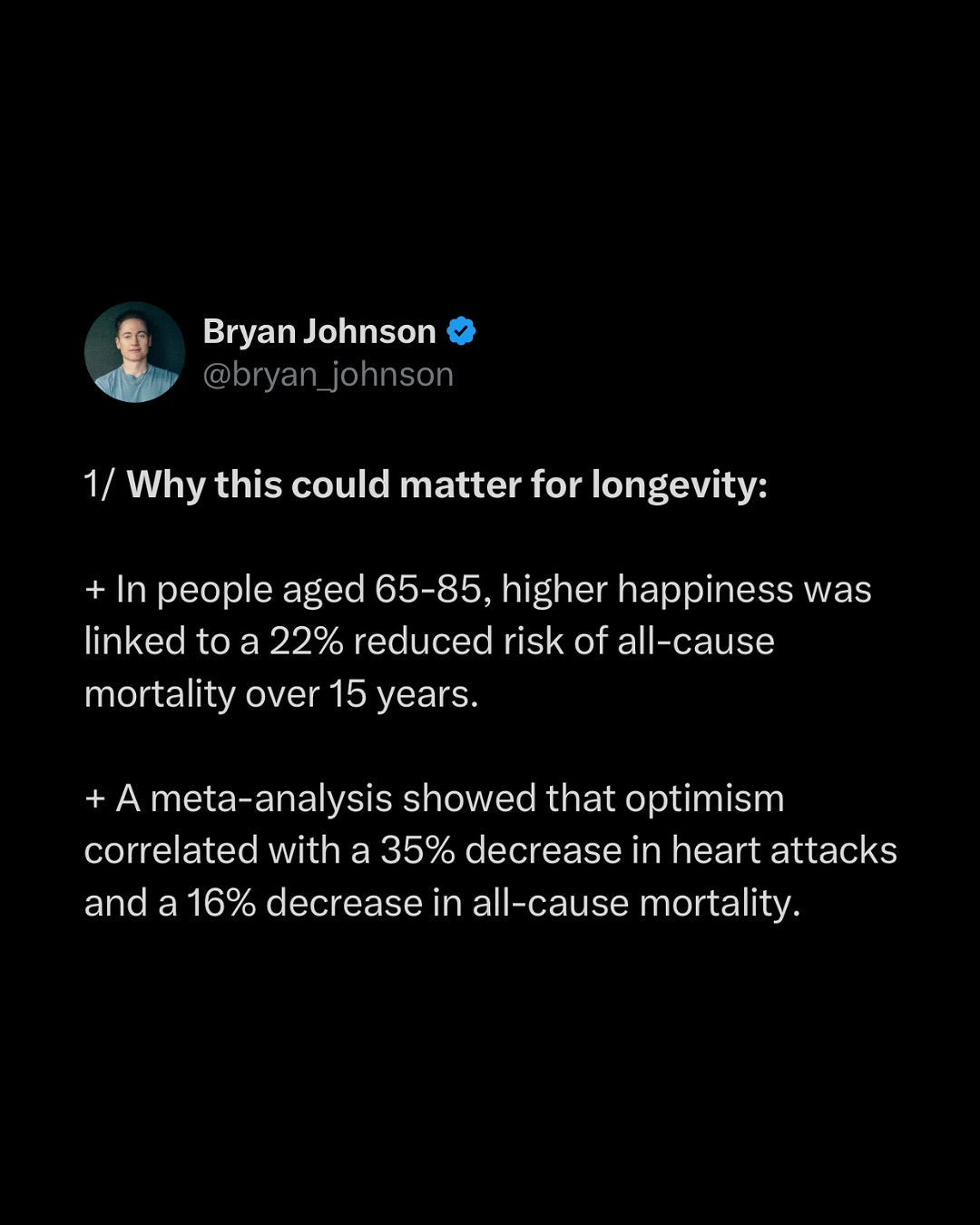
Maresky says that scientific research and the power of social media are now beginning to destigmatize the medical use of psychedelics.
“We’ve now seen a renaissance in this sector. We are evidence-based and will do clinical trials to prove these hypotheses; however, slowly but surely, society is accepting and destigmatizing psychedelics and reframing them as a purposefully designed, clinical therapeutic option for mental health.
The potential for a “fountain of youth” is always compelling — but Johnson’s experiment is just one person’s exploration and not a clinical study. Current data on psilocybin’s impact on longevity is still very limited and clinical research is needed.
Still, the early evidence is interesting enough for companies like Psyence to begin investing time and money into the possibilities. “It is an opportunity for people to be more open-minded to newer, evolving therapies.”
 Expert Board Member
The current psychedelic renaissance is incredibly exciting. We are finally emerging from a decades-long drought caused by the War on Drugs, and it feels like we are only on the tip of the iceberg. The next 5 to 15 years will be transformative for medicine and these substances will play a key part in reimagining health.