PTSD Symptoms: How to Recognise the Signs of Post-Traumatic Stress Disorder
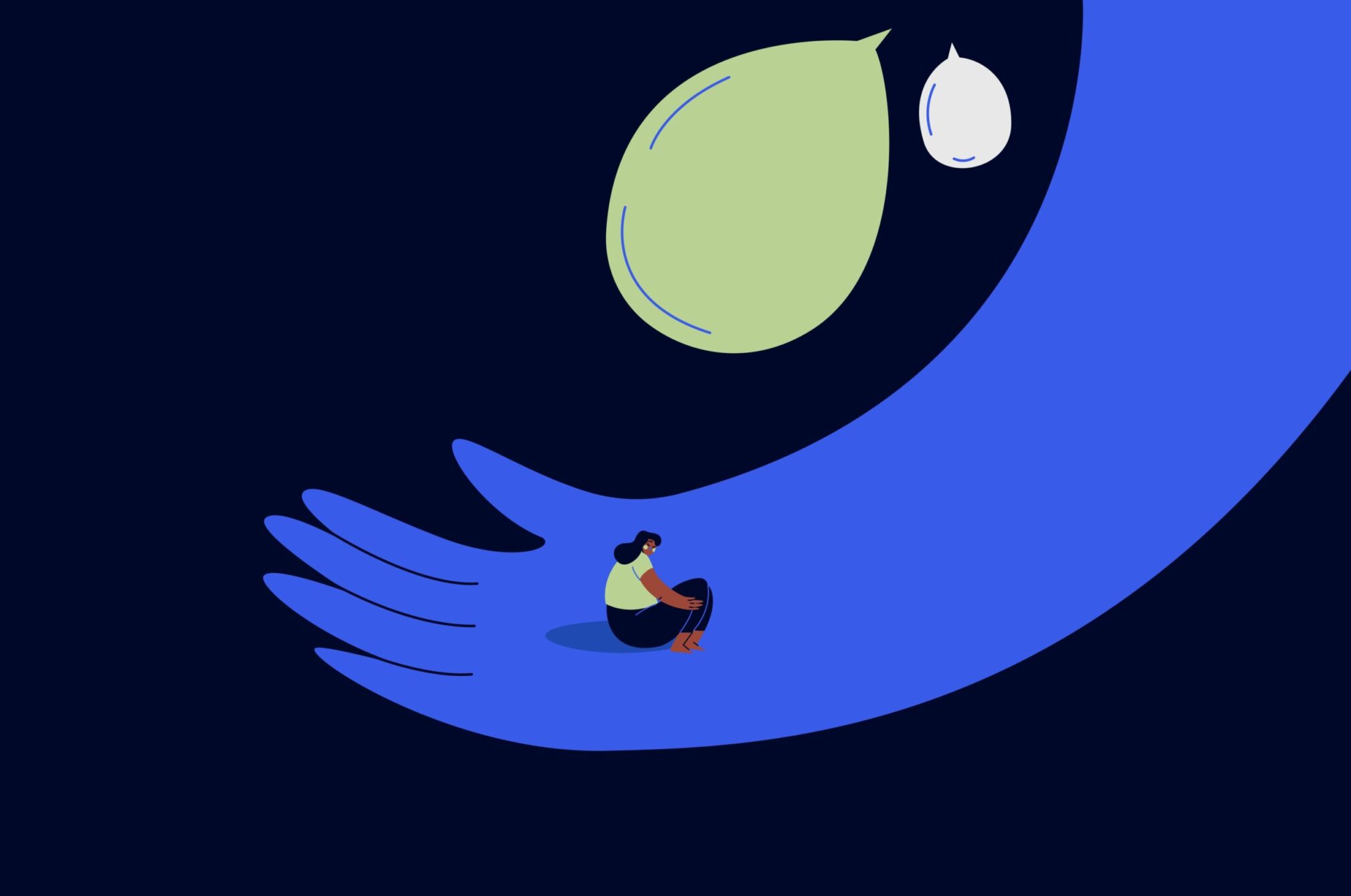
Exposure to trauma from accidents, violence, or prolonged stress has become unsettlingly common, yet many find it difficult to recognize when their distress has crossed into PTSD. If you or your close ones went through painful or traumatizing events, we hope this guide helps you to understand what’s going on in your mind and body, and start your healing journey at your own pace.
What Is PTSD?
Post-Traumatic Stress Disorder (PTSD) is a psychiatric condition that can develop in people who have experienced or witnessed a traumatic event. This could be violence, natural disasters, war, serious accidents, or emotional harm. PTSD isn’t just regular stress — it lasts longer and affects both mind and body in deeper ways.
While many people who experience traumatic events do not develop PTSD, around 3.9% of the global population will experience it at some point in their lives. Anyone can be affected, no matter their age or background. The good news is that noticing the signs early and getting help can make a big difference in feeling better and moving forward.
Core PTSD Symptoms
PTSD is typically categorized into four main types of symptoms, as outlined in the DSM-5 (Diagnostic and Statistical Manual of Mental Disorders): intrusion and avoidance symptoms, cognitive and mood changes, and arousal and reactivity symptoms. These groups show how trauma can affect your feelings, thoughts, and daily life.
However, everyone experiences PTSD a little differently. Some people might notice certain symptoms more than others, and the intensity can vary a lot from person to person. One key criteria for diagnosing PTSD is that symptoms have to be present for more than a month, and they need to cause real challenges — like making it hard to work, keep relationships, or do everyday tasks.
Why a month? Because it helps separate normal, short-term stress responses from something more persistent. After a traumatic event, it’s normal to feel shaken for a few days or weeks, but PTSD is when your brain and body stay stuck in a heightened stress response for longer than usual.
This happens because trauma changes how certain parts of the brain work — like the amygdala, which controls fear, and the hippocampus, which helps us process memories. These changes make it harder for your brain to “move on” from the trauma, causing symptoms that keep interfering with daily life.
Intrusion Symptoms
Intrusion symptoms are perhaps the most vivid signs of PTSD. They involve the uninvited return of the traumatic experience through various sensory and emotional channels.
Research shows that the brain of a person with PTSD often has heightened activity in the amygdala, which is involved in emotional memory, and diminished functioning in the prefrontal cortex, which helps regulate fear responses. This neurological imbalance can cause traumatic memories to feel fresh and immediate, as if the event is happening again.
- Flashbacks are vivid, distressing experiences where someone feels like they’re reliving the trauma all over again. They may experience sights, sounds, smells, or physical sensations from the original event, making these memories feel immediate and real, which can be deeply confusing and frightening. These episodes often come without warning and can be triggered by reminders — sometimes obvious, sometimes very subtle.
- Nightmares related to PTSD often replay the trauma or evoke similar feelings of fear and helplessness. These disturbing dreams disrupt sleep, causing frequent waking or difficulty falling asleep. Poor sleep then worsens anxiety and exhaustion during the day, making recovery harder if untreated.
- Distressing thoughts are sudden, unwanted memories or images of the trauma that interfere with concentration and daily life. These intrusive thoughts often carry feelings of guilt, shame, or fear. They aren’t chosen but result from trauma’s impact on the brain’s stress response, reminding us that these are symptoms of PTSD—not personal weaknesses.
Avoidance Symptoms
Avoidance is a core coping mechanism for many people with PTSD and is a natural survival response to overwhelming fear. From a neurobiological perspective, it happens when the brain is trying to reduce perceived danger by shutting out trauma-related triggers.
Avoidance may take form of:
- Avoiding reminders means staying away from people, places, activities, or conversations that bring back memories of the trauma. While this feels safer at first, it can gradually shrink a person’s world. This narrowing reinforces the belief that certain places or feelings are dangerous, which keeps the cycle of PTSD going.
- Emotional numbing is another way the mind protects itself by dulling feelings. While it reduces pain, it also blocks out positive emotions like joy or connection, leaving people feeling empty or disconnected from themselves and others.
If avoidance continues too long, it stops the brain from fully processing the trauma and keeps stress levels high. Experts in trauma care emphasize that gently facing these fears bit by bit helps people feel safe enough to heal.
Cognitive and Mood Changes
PTSD doesn’t only affect behavior or memory, it can fundamentally alter how people feel and view themselves, others, and the world. These cognitive and emotional shifts are often rooted in the traumatic event’s meaning, especially if it challenges core beliefs about safety, trust, or identity.
Trauma can disrupt the brain’s ability to regulate mood and process new information, causing persistent negative thoughts and emotions. Over time, these changes may lead to depression, challenges in relationships, and a loss of purpose. It’s important to understand that these symptoms are not simply “thinking too negatively” — they stem from deep emotional wounds and neurochemical changes in the brain.
- Negative beliefs often take the form of rigid, distorted thoughts such as “I am broken” or “Nothing will ever be okay again.” These beliefs can block healing by deepening feelings of hopelessness and unworthiness.
- Guilt and shame are common responses, especially when individuals blame themselves for the trauma or its consequences. Though these feelings may not be rational, they can feel overwhelming and lead to isolation from support and compassion.
- Emotional detachment means feeling cut off from yourself or others. It can feel like watching life from the outside or being unable to emotionally connect, even with those closest to you.
Arousal and Reactivity Symptoms
Hyperarousal is the body’s way of staying ready for danger, but in PTSD this state becomes chronic. The sympathetic nervous system, responsible for the “fight or flight, or freeze” response, remains overactive, even when the person is no longer in danger. This heightened arousal can impact sleep, mood regulation, attention, and physical health.
Studies show that individuals with PTSD often have elevated cortisol levels and altered stress hormone functioning, contributing to chronic tension and irritability. These symptoms are often exhausting and can lead to burnout, social withdrawal, or substance use as coping mechanisms.
- Hypervigilance is a constant state of alertness, where the person feels they must always be on guard. This can interfere with rest, relationships, and the ability to relax, as the nervous system remains in high alert mode.
- Sleep problems can range from trouble falling asleep to frequent waking or nightmares. Poor sleep impairs cognitive function, heightens emotional reactivity, and weakens the immune system, which can worsen other PTSD symptoms.
- Angry outbursts may happen without obvious provocation and often stem from internal stress overload. These episodes are not about aggression toward others but rather a release of intense, bottled-up emotions linked to trauma.
Physical Effects of PTSD
PTSD doesn’t just stay in the mind — it takes a toll on the body too. Chronic stress from unprocessed trauma can cause real, measurable changes in brain structure, immune response, and hormonal balance.
Acute physical symptoms may include:
- Cardiovascular: Increased heart rate, palpitations, and elevated blood pressure.
- Respiratory: Rapid breathing, shortness of breath, and panic attacks.
- Neurological: Trembling, sweating, dizziness, and headaches.
- Gastrointestinal: Nausea, stomach pain, and diarrhea.
- Other: Muscle tension, fatigue, and pain.
Chronic physical symptoms may also develop:
- Cardiovascular: High blood pressure, heart disease, and increased risk of stroke.
- Gastrointestinal: Irritable Bowel Syndrome (IBS), reflux, and other digestive issues.
- Pain: Chronic pain conditions, including back pain, joint pain, and fibromyalgia.
- Other: Obesity, sleep disturbances, and decreased life expectancy.
Along with emotional burden physical suffering can erode self-esteem, disrupt attachment and intimacy, and contribute to conditions like depression and anxiety.
When to Seek Help
It’s natural to feel stressed, hurt, or confused after a troubling event. However, if intrusive memories, avoidance behaviors, mood changes, or heightened arousal last more than a month, cause significant distress, or interfere with daily life, it may be PTSD, and professional support is important.
Warning signs include using substances to cope, withdrawing from loved ones, chronic anger, or thoughts of self-harm. Fortunately, there are treatments (though not always effective), such as CBT (Cognitive Behavioural Therapy), trauma-focused therapy, and medication.
Seeking help is not a sign of weakness, it’s an act of courage and self-care. Early intervention improves recovery and helps restore a sense of safety, trust, and control over one’s life.
FAQ:
How long after trauma do PTSD symptoms appear?
PTSD symptoms can show up within weeks of the trauma or even months (sometimes years) later. The timing varies from person to person.
Can PTSD go away on its own?
Some people see symptoms fade over time, but for many, they persist or even worsen without treatment. Professional support greatly improves the chances of recovery.
Is PTSD a mental illness?
Yes, PTSD is a recognized mental health condition. It’s not a personal weakness or something you can “just get over.”
What does untreated PTSD look like?
Untreated PTSD may lead to chronic anxiety, depression, substance use, and serious problems in relationships or at work. It can deeply impact a person’s quality of life.
What treatment options are available for PTSD?
Effective treatments include trauma-focused therapies such as Cognitive Behavioral Therapy (CBT), Eye Movement Desensitization and Reprocessing (EMDR), and medication like antidepressants. Treatment is often tailored to individual needs and can significantly reduce symptoms.
How common is PTSD among veterans?
PTSD affects a significant portion of veterans due to exposure to combat and other military traumas. Rates vary by conflict and individual experience, but many veterans benefit from specialized PTSD services through veteran health programs.
What self-help practices can support PTSD recovery?
Self-help can include mindfulness meditation, grounding techniques, regular exercise, maintaining a healthy routine, and building a supportive social network. These practices complement professional treatment and help manage symptoms daily.