
This content is grounded in peer-reviewed research, clinical guidelines, and established best practices. Claims are reviewed for accuracy and transparency. Learn more about our evidence standards
The 4 Stages of Trauma Recovery: Steps Toward Healing

- Trauma recovery consists of four distinct stages: 1) Safety and stabilisation, 2) remembrance and mourning, 3) reconnection and integration, 4) consolidation and resolution.
- A person in trauma recovery can oscillate through the four stages of trauma recovery, depending upon their level of emotional regulation and support system.
- CBT, EMDR, and somatic experiencing (SE) are among the therapeutic approaches that can support the trauma healing process and reduce long-term symptoms.
- A strong social network, grounding techniques, and a consistent set of coping strategies may help promote healing through all stages of trauma recovery.
Trauma can affect both the mind and body. Many people who have experienced a traumatic event report feeling overwhelmed by the various ways that their perceptions of themselves and the world around them have been altered. However, healing is possible and it often occurs through distinct stages or phases.
Understanding the stages of trauma healing can provide clarity about feelings and reactions, help ease guilt and shame, and increase self-compassion. It also helps explain the reasons why you may shut down at times, open up at others, or re-experience traumatic memories during stressful moments.
While each person’s journey is unique, most trauma-informed models, including the triphasic model, recognise four phases people tend to move through as they heal.

What Is Trauma?
Trauma is a physical and emotional reaction1 to a distressing, frightening, or potentially life-threatening situation. It is not just about what happened to you, but rather how much what happened to you impacts your mental health, physical health, and overall sense of safety.
Traumatic experiences manifest in many forms throughout life. Some people experience abuse, whether physical, emotional, or sexual, or grow up with childhood neglect and unstable caregiving. Others face medical trauma from accidents, injuries, or sudden health emergencies, while some survive natural disasters like floods, fires, or earthquakes. The sudden loss of a loved one, witnessing violence or assault, and living under chronic stress in unsafe or unpredictable environments all leave psychological marks. War, conflict, and displacement create widespread trauma, as do reproductive experiences like traumatic births or postpartum complications.
Trauma affects everyone differently. Some people feel numb or disconnected, while others experience anxiety, guilt, irritability, intrusive thoughts, or flashbacks. Many also develop physical symptoms such as headaches, muscle tension, gastrointestinal issues, or disrupted sleep.
Research studies show that trauma can alter brain function2, hormone regulation, memory, and the nervous system’s response to perceived threats. These changes may reduce your capacity to regulate emotions and leave you feeling less grounded in your day-to-day life.
Recognising that you have been experiencing these symptoms will help with your recovery from trauma. It is common for many people who experience trauma to downplay their own experiences as compared to others or try to minimise what happened to them.
However, the severity of a traumatic event is not directly related to the physiological and psychological impacts. Acknowledging your symptoms3 and naming what happened is often the first step in the stages of recovering from trauma.
The 4 Stages of Trauma Recovery
Trauma recovery is typically based on the model of trauma healing developed by psychiatrist Dr Judith L. Herman. These recovery stages are not sequential, meaning a person can go back and forth among the stages and spend more time at some stages than others.
Some frameworks also include a fifth stage of trauma recovery that they call acceptance or moving forward1, and this includes creating a new understanding of your experience and learning to live with the changes that occurred from the traumatic event.
Below is an overview of the four stages of trauma recovery and what to expect as you move through the trauma healing process.
Stage 1: Safety and Stabilisation
Following a traumatic event, the autonomic nervous system can remain “stuck” in a state of survival (fight, flight, or freeze4), long after the initial danger has passed. Stage 1 focuses on restoring enough physical and emotional safety for your body to settle and regain a sense of stability, as well as potentially safety planning to leave a dangerous situation.
This phase provides the foundation of all subsequent phases5 of trauma treatment and helps prevent retraumatisation as you engage in more deep inner work. The duration of stage 1 varies.
During this stage, you may work on:
- Creating predictable routines, such as consistent sleep, meals, and simple daily structure. This helps your nervous system feel safer and reduces hypervigilance.
- Noticing early signs of distress6, like spiralling thoughts, emotional overwhelm, or muscle tension so you can intervene before your system shuts down.
- Learning grounding or self-soothing skills, including slow breathing, orienting to your surroundings, simple sensory techniques that help bring you back to the present.
- Reconnecting with your body in gentle ways like breath awareness, scanning for tension, or mindful movement to rebuild trust and safety within yourself.
- Building an ongoing source of support for yourself with a trauma-informed professional or a single supportive person who provides validation, safety, and understanding.
Stabilisation gives you tools to regulate overwhelming emotions while processing traumatic experiences at a pace that feels manageable for your nervous system.
Stage 2: Remembrance and Mourning
After establishing a safe foundation for yourself (a basic level of security), the next step in the trauma healing process is to start slowly working on those memories that are connected to your traumatic event(s).
The purpose of this phase is to allow you to give meaning to your experiences, as well as to validate the emotional and physical losses caused by the trauma, whether those losses caused emotional pain or involved a tangible loss, such as the death of a loved one.
During this stage, you may:
- Recall traumatic events in a controlled manner, typically with the help of a trauma-trained therapist who helps you stay present and regulated. Structural therapeutic techniques like EMDR7, trauma-informed CBT, and somatic experiencing techniques8 may support this process while maintaining your nervous system within a range that you can tolerate.
- Acknowledge the pain and loss you have experienced, including the loss of safety, trust, opportunities, or parts of yourself you had to silence to cope. Naming these losses can be very painful, but it is a necessary step toward healing.
- Accept all your feelings9 without judgement. During this time frame, you will begin to allow yourself to feel whatever emotions arise, whether it’s anger, sadness, fear, shame, or confusion, without pushing them away or blaming yourself for having those feelings.
Trauma processing is often the most emotionally charged time10 in trauma therapy. Because of this, therapists need to go at a rate that your nervous system can handle to prevent an overwhelm.
Some common signs of emotional overload are:
- dissociation or zoning out
- emotional flooding
- feeling retraumatised or “too activated”
- shutting down or going numb
A trauma-informed therapist will help you move through this stage carefully, checking your capacity and making sure you feel supported throughout the process.

The most important conversations shaping the future of psychedelics, delivered weekly.
From thought-provoking podcasts and original stories to research breakthroughs and industry news, stay connected to the conversations that matter.


Joined by 12,000+ readers
Stage 3: Reconnection and Integration
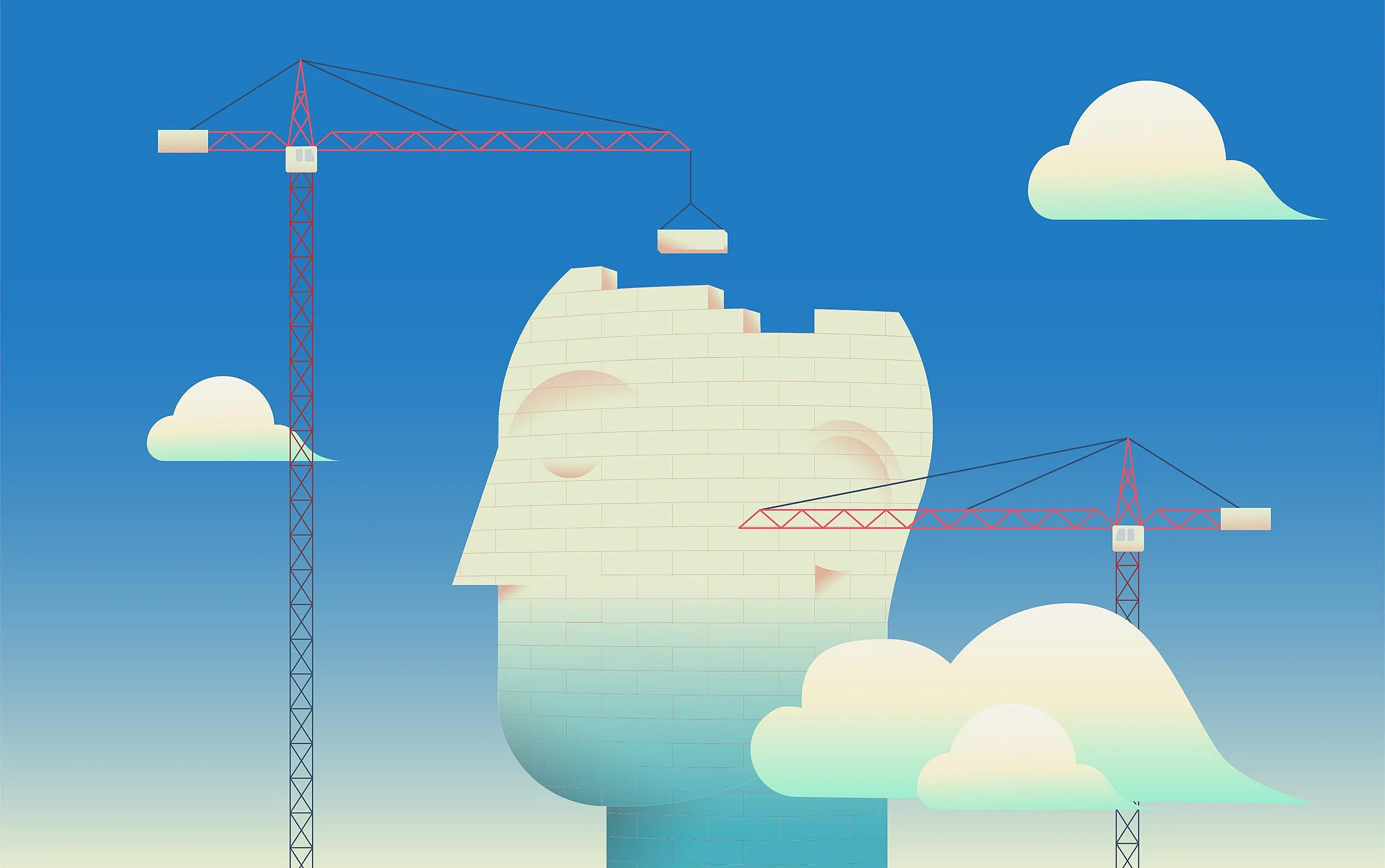
Once the level of intensity of processing memories has stabilised, your focus will be in rebuilding your relationship with yourself, other people, and the world.
Stage 3 focuses on11 reconnecting with your identity, strengthening supportive relationships, and integrating the trauma into your life without letting it define who you are.
During this stage, you may:
- Rebuild your sense of identity, rediscovering the positive aspects of your personality, values, and abilities, that may have been overlooked during survival mode. Many people begin to trust themselves again and develop a clearer sense of who they are becoming.
- Restore emotional balance by learning how to recognise your triggers and respond to them with greater self-awareness. Instead of being pulled back into survival mode, you’ll be able to move forward, looking outward at the life you’re building.
- Begin to express yourself creatively, find your purpose, and experience joy through movement, writing or journaling, spirituality, or other creative expressions that allow you to connect with parts of yourself that had become disconnected due to the traumatic events.
- Start to rebuild relationships and your community, and create new ones that support you in a safe and healthy manner. You may deepen existing relationships, establish firmer boundaries, or allow yourself to receive help without feeling ashamed.
The last stages of trauma recovery are generally the most positive. Most people entering this phase will say things like “I feel more like myself” or that there is new meaning and possibility in their life. While the trauma does not go away—it becomes part of your story.
Research12 has shown that depending on the complexity of the trauma, recovery timelines may vary widely. Some people experience this phase for a few months while others continue to work through the stages of trauma healing for many years. No one moves through these phases at a set pace, and moving back and forth between them is typical.
Stage 4: Consolidation and Resolution
As your body continues to work its way through the first four trauma recovery stages, your nervous system will eventually begin to shift away from being in constant survival mode.
By stage 413, you’ll be focused on building upon what you have already accomplished, sustaining your sense of stability emotionally, and continue to build a life that reflects your values.
During this stage, you may:
- Continue using your coping and self-regulation skills. Grounding, boundaries, movement, and self-care slowly become everyday habits that keep your body more regulated under stress.
- Understand and respond to triggers with more awareness. Triggers may still appear, but they feel less overpowering. You recognise them sooner, and have more space to choose how to respond.
- Build long-term resilience as you reconnect with your purpose, goals, and personal values. Many people feel more hopeful, confident, and capable of navigating stress, relationships, or major life transitions.
While trauma healing does not eliminate what happened, it can shape how the past influences your current life. It is common for survivors in this stage to realise they feel more grounded, less reactive, and more connected to the life they’re actively creating, because the trauma is no longer constantly impacting their day-to-day life.
(Alternative) Stage 5: Acceptance or Moving Forward
Some trauma models include a fifth stage, often called acceptance or moving forward. Although this isn’t a “required” phase in the trauma recovery process, it acknowledges how people make meaning of what they survived, and integrate it into their identity.
For some people, this may look like engaging in advocacy, supporting others, reconnecting with creativity, or embracing spiritual or reflective practices that help them feel grounded and whole. For others, it simply means living with more intentionality and ease—making choices based on who they are now rather than the protective patterns shaped by trauma.
Common Challenges in Trauma Recovery
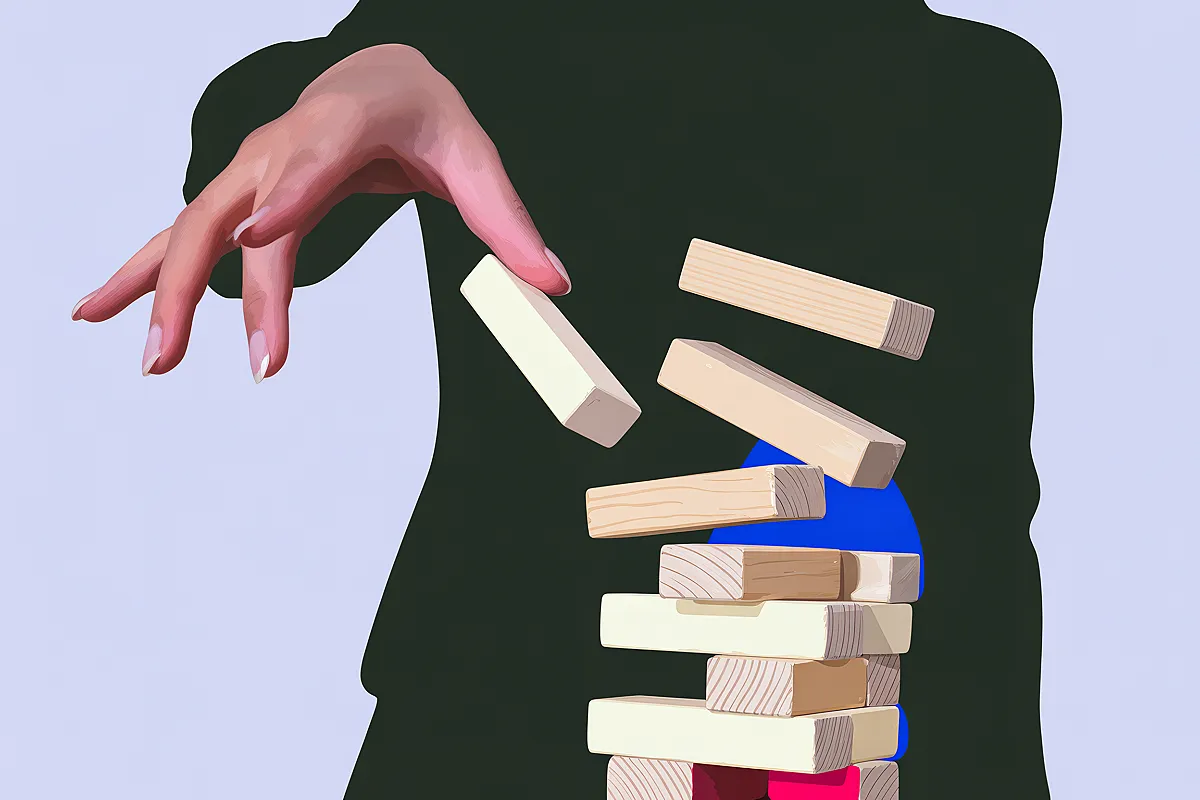
Healing from trauma is non-linear. Even with support, many people will experience periods of progress followed by periods where they “go back around” or become “stuck.”
When you encounter these periods, do not think you have failed or done anything wrong—you are simply going through one of the stages of healing from emotional trauma. Healing from trauma is a very slow and patient9 process.
Common challenges14 include:
- Emotional numbness or disconnection: Numbness can be a way for your nervous system to protect you from overwhelming emotions. It often shows up when you’re exhausted, feeling overwhelmed, or trying to cope with more than you are emotionally ready to manage.
- Fear of being vulnerable or seen: Opening up, even in therapy, may feel unsafe when trauma has taught you to minimise your needs, stay silent, or become hyper-independent. Vulnerability takes time to feel safe again.
- Emotional overload or fear during therapy: Old memories and feelings that were suppressed due to trauma may surface as you go through each of the phases of trauma treatment. It’s normal to feel more sensitive or uneasy during this part of your healing process.
- Temporary setbacks during significant life changes: Significant life events such as job changes, new family members, health issues, relationship conflicts, etc., may temporarily trigger previous trauma responses regardless of how well you have been progressing in your healing.
- Difficulty trusting others or allowing people to enter your life: When your safety is compromised, relationships can feel threatening, even when you have supportive people in your life. Your body must learn what it means to feel safe again.
Although these times can feel discouraging, they are a typical part of trauma recovery. Most people are generally able to progress through the different phases of trauma treatment with the assistance of support systems and resources, and use techniques for grounding and a willingness to wait for their healing to occur.

The Role of Professional and Community Support
Understanding the type of support available to you, such as a therapist, a supportive community (a group of peers), or at least one supportive person allows you to better navigate the stages of trauma healing more effectively than if you were to do it by yourself.
Here are some examples of the most common3 methods for approaching the stages of trauma therapy:
- Psychodynamic or attachment-focused therapies, which explore how past relationships and early experiences shape your current patterns, sense of safety, and emotional responses.
- Eye movement desensitisation and reprocessing (EMDR), which uses bilateral stimulation to help the brain safely process traumatic experiences.
- Cognitive behavioural therapy (CBT), a structured therapy that teaches you skills to reframe stressful thoughts and cope with difficult emotions more effectively.
- Somatic experiencing or body-oriented therapies, which focus on how trauma affects you physically and assist in releasing stored tension associated with fear or shutdown responses.
- Trauma-informed therapy, which focuses on helping to stabilise your nervous system, build grounding skills, and develop coping skills to deal with overwhelming emotions.
Although many people recovering from trauma seek professional help, you may also find benefits from other sources like peer communities and support groups. These groups are often helpful for reducing feelings of shame and isolation15.
Friends and family members may also be able to assist in many ways, including listening without making judgments about what they hear, respecting and honouring individual boundaries, allowing you to move through your trauma healing process at your own speed, and assisting you in whatever ways seem practical based on your needs
Conclusion: Healing Is Possible
Recovery from trauma is achievable, however, each person will experience trauma recovery differently. The four stages of trauma recovery provide an organised framework for what trauma healing may look like, while at the same time the recovery process is not meant to be a linear timeline. Most people are able to recover and develop the ability to handle triggers, rebuild trust in others and connect with meaningful aspects of their life with patience and ongoing support from trusted people or qualified professionals. Although healing does not erase the past, it allows you to transform how you choose to live with it.
FAQ
Complex trauma, like complex-PTSD is often considered one of the hardest traumas to recover from. These traumas often come from repeated or prolonged harm, and childhood trauma, which can derail important stages of brain and psychological development.
Emotional trauma can be released from the body through body-centered approaches to therapy. The body has its own way of processing and releasing stored emotional trauma through mindful movement, somatic therapies, breathwork, etc.
Yes, it is possible to heal from trauma, though healing doesn’t mean forgetting the past, but
learning to carry it without letting it control your daily life.
The physical signs of trauma release often include shaking, tears, warmth, trembling, yawning, or changes in breath or muscle tension.
 Expert Board Member
An evidence-based exploration of trauma recovery's four stages, from establishing nervous system safety through processing memories to rebuilding relationships and sustaining healing. It is important to emphasise that individual pacing is needed and setbacks are normal as recovery is non-linear. The ultimate goal of trauma recovery is that trauma becomes part of one's story rather than defining it.