Reading Navigation
This content is grounded in peer-reviewed research, clinical guidelines, and established best practices. Claims are reviewed for accuracy and transparency. Learn more about our evidence standards
The Courage to Heal: A Conversation With Tom Feegel of Beond Ibogaine Treatment Center
Psychedelic therapy is complicated. It’s healing. It’s therapy. It’s biotech and yet plant medicine. It must maintain the highest clinical standards of medical care; while not being too medical or clinical. And don’t forget the integration. And the setting. And the ceremony.
Psychedelic medicine therapy. Trying to fit the subtleties of human psychology and the incomprehensible experience of multi-dimensional ego obliteration into a scalable and commercially-viable service.
Like I said, complicated.

Talking Hope and Healing at Happy Hour
It was a hot and sunny Friday afternoon in downtown Denver. Very hot. A desert-like heat wave sitting on the plains of the Rocky Mountains. I walked into one of the nicer hotels surrounding the Colorado Convention Center, where thousands of attendees were just finishing up with Psychedelic Science 2025, psychedelic medicine’s largest industry conference.
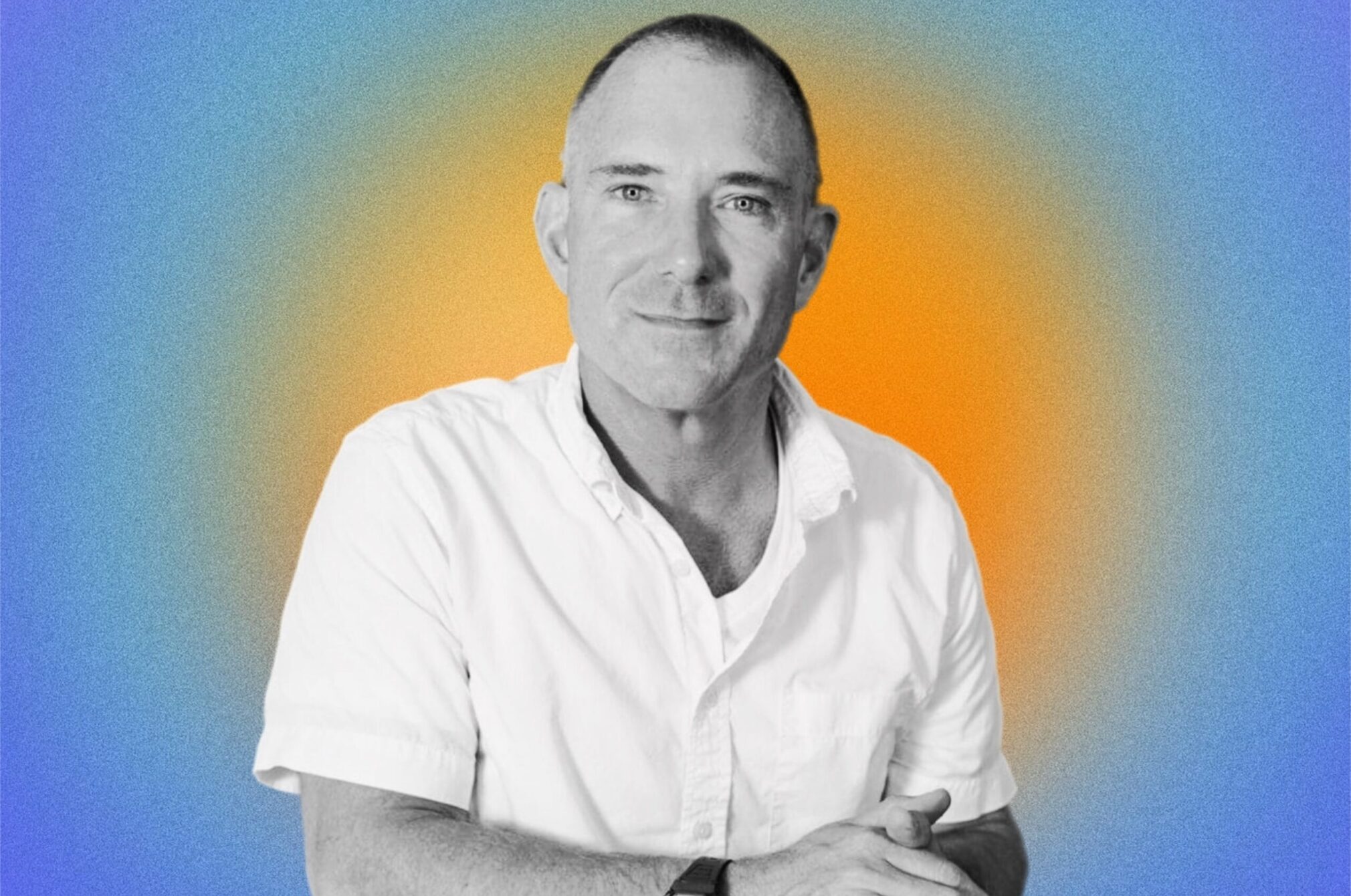
I walked through the hotel lobby, everything very pleasant and corporate trendy, and found my new acquaintances: Talia Eisenberg and Tom Feegel, co-founders of Beond Ibogaine Treatment Center. We chatted, enjoyed the Friday afternoon vibe, and sat down to talk psychedelic business.
This is what happens at conferences. You find yourself in swanky hotel lounges talking about the minutia of your niche industry. Perfectly-engineered ambient music, frigid air conditioning, overpriced appetizers — while people with trade show badges still hanging around their necks elevator pitch each other about dental equipment or, in our case, psychedelic medicine clinics.
Tom Feegel and I start talking and it’s pretty pleasant. Good podcast material. So interesting I almost forget to turn on my voice recorder.
“Beond is not a clinic, even though we’re licensed as a hospital, with 11 full-time doctors, 23 ICU certified nurses, and about 40 other team members across a range of functions. Adjunct therapy and coaching and cold therapy and fitness and nutrition and meditation training and sound healing.
“And it’s not a mental health and optimization facility, even though that’s what people come for.”
This is not his first interview. I’m already starting to see the picture he’s painting.
“It’s not a personal development retreat, even though it feels like it and we have the right tools to inspire people, envision their new future, and dig deep into the limiting beliefs of their past. And it’s not a resort, even though we’re based in a resort environment, with pools and hot tubs and gardens and gyms and so on.
“So it’s the right amount of hospital, the right amount of rehab, the right amount of retreat and resort – all combined together”
Some context. Beond is a psychedelic treatment center specializing in ibogaine therapy, with a large clinic based in Cancún, Mexico. Beond has treated thousands of individuals struggling with substance abuse, PTSD, and related behavioral health challenges.
Find Support to Match Your Needs
 Netherlands
Certified ACT therapist offering one‑on‑one psychedelic truffle journeys and integrative coaching in Anna Paulowna, Netherlands.
 United Kingdom
 Gemma Autumn is an integrative psychotherapeutic counsellor based in London who offers adult and adolescent psychotherapy using a flexible, person-centred approach.
Ibogaine is a powerful psychoactive compound derived from the iboga plant, traditionally used in West African spiritual ceremonies. It’s now being used to treat opioid addiction, depression, and trauma. It’s still illegal in most countries, but growing scientific research and anecdotal success stories have fueled increased interest. Clinics are now offering treatments in places like Mexico and U.S. lawmakers are beginning to support medical access to ibogaine and clinical trials.
The conversation moves to the healing. To how the services offered at their retreat center are actually helping people get better. Which is, at its core, what this conference, and this interview, and this article, are really all about.
“People come from all different backgrounds, from decorated combat veterans or soccer moms or CEOs. And they all connect around this desire to feel better, to get better, and to be better.
“There’s usually a painful past, and sometimes we label that as trauma. The trauma may be different for everyone, but the impact — of carrying the story of their pain — is nearly universal. So when they’re freed of that or have a new perspective on who they are beyond their pain, beyond the story of being a victim or a villain. That’s when they can really feel whole and healed.”
The conversation is flowing very nicely and I’ve been chewing some functional mushroom gummy samples from the conference (I said functional mushrooms) — so I jump in with my own experience, risking cliché to talk about a recent ayahuasca ceremony in the Argentinian countryside. I speak of the raw humanity I witnessed; humanity in its most naked form. Like the one lady hunched over in the grass, moaning in pain for hours, battling whatever she had to battle. All night. Right beside me. And the next day you’re sitting in the morning light and no one’s really slept, and you sit face-to-face with these strangers in an informal sharing-circle, looking each other in the eye, having just experienced the vulnerable moment of your life. You’re completely open. Uncovered. And yet, magically, unburdened and unashamed.
“Empathy,” Tom says. “An underlying and exhibited belief that you believe that something better is possible. And you didn’t wait. You didn’t put it off and neither did I. Apparently you believe that you deserve better.”
Bravery, I say, and hopefulness.
At this point in the recording transcript, I hear the waitress deliver me my craft beer and ask if we ordered the crab cakes. I take this as a cue to get back to some more traditional journalism.
What were some of the biggest challenges — legal, logistical, or personal — in building a psychedelic therapy clinic?
“We built something that didn’t yet exist: a licensed clinical operation that’s also a personal transformation center, a therapeutic retreat, and a hospitality experience, all centered around one of the most powerful psychedelics in the world. There were almost no playbooks. We had to figure out where to find the right talent, how to engage legal experts who understood both healthcare operations and international regulatory frameworks. We encountered deep cultural complexities that required humility and constant adaptation.
“Honestly, if we had known how hard this would be, we might never have tried. But if we had known just how powerful and life-changing the outcomes would be — for our guests, their families, and even our team — we would have started sooner. We’ve watched people who had given up on themselves rediscover hope. We’ve seen families reconnect, and veterans begin to live again.”
And what inspired you to take on such a demanding endeavor? To devote yourselves to opening an ibogaine retreat?
“The motivation came from something very personal: a family member who desperately needed treatment for trauma-related chemical dependency. Conventional options had failed them. When we finally found ibogaine, it helped — remarkably — but the care environment lacked the basic standards of safety, preparation, and support. It was clear to me that something better needed to exist.
“As the opioid and mental health crisis in the U.S. continued to escalate, my co-founder and I felt a responsibility to create a clinic where people would be treated with the dignity and support they deserve. We wanted to build a place that would be “good enough” for someone we love. A place that honored the courage it takes to seek healing.”
A place that honors the courage it takes to seek healing.
I let that sit.
I think about that woman suffering through the night and the bravery it took to tell us her story in the morning. I think about my own journey. About my friend’s courage. About how we often don’t give ourselves enough credit for trying to be better.
That’s something that often gets lost. Or isn’t even considered. Keeping this at the core of a business, of an industry, of your life, can only be a good thing.
Find Support For Your Journey

Ibogaine Context & Controversy
It should be mentioned that ibogaine is one of the most powerful plant medicines. It also has the highest risk profile of all psychedelics. While still relatively safe, there are safety concerns, especially around heart conditions. Over the years, several deaths have been reported1 after taking large amounts of igobaine, mostly due to the risk of cardiac arrhythmia — irregular heartbeats that can be especially dangerous for those in poor health or taking long-acting opioids.
Safety precautions and procedures2 are improving, with the majority of studies reporting few serious adverse events. Because of this improved safety profile and the potential healing benefits of ibogaine, governments are now promoting research, with Texas lawmakers recently allocating $50 million in funding for ibogaine clinical trials.
This brings us to Beond. In 2022, a patient underwent ibogaine treatment and, soon after the treatment, unfortunately passed away. A 2024 Rolling Stone article brought the tragic death into the news, with questions raised about patient pre-screening. The team at Beond contends they followed their usual strict medical and screening procedures. Co-owner Tom Feegel discussed the tragedy and the media’s reporting in this talk with Psychedelics Today.
We connected with the team at Beond for comment:
“While we can’t discuss specific cases due to patient confidentiality, we acknowledge that like any medical treatment, ibogaine therapy carries inherent risks that cannot be completely eliminated despite comprehensive safety protocols. Beond remains unwavering in our commitment to minimizing these risks through rigorous pre-treatment medical screening, continuous cardiac monitoring, strict adherence to evidence-based protocols, and compassionate care.”
This article is not about that controversy. It’s about ibogaine’s healing potential and the people trying to offer access to this potentially life-saving medicine. Yet these difficult chapters are a part of the bigger story, part of how we get better — as individuals, as businesses, as a movement — and so we all need the courage to deal with them.
 Expert Board Member
Ibogaine is currently one of the most interesting areas of psychedelic research, gaining significant popularity that will motivate further study. However, this medicine is not for the faint-hearted, and as with all powerful treatments, it is not a panacea. Any progress requires deep integration and dedication post-treatment to maintain lasting change.