What Is PTSD? Understanding Post-Traumatic Stress Disorder and Its Impact
Post-Traumatic Stress Disorder, commonly known as PTSD, is a mental health condition that can develop after experiencing or witnessing a traumatic event, be it a serious accident, violent assault, military combat, natural disaster, or prolonged exposure to stress and danger. While it is a natural human response to feel scared or shaken after such events, PTSD occurs when these reactions persist, intensify, or begin to interfere significantly with daily life.
Understanding PTSD means recognizing how trauma affects both mind and body’s response systems, and disrupts emotional and social functioning. It’s a condition that can affect anyone, regardless of age, background, or strength, and is not a sign of personal weakness or failure. With this explainer we hope to guide you through what PTSD is, its causes, symptoms, effects on mental state, and the pathways to recovery.
What Happens in the Brain During Trauma
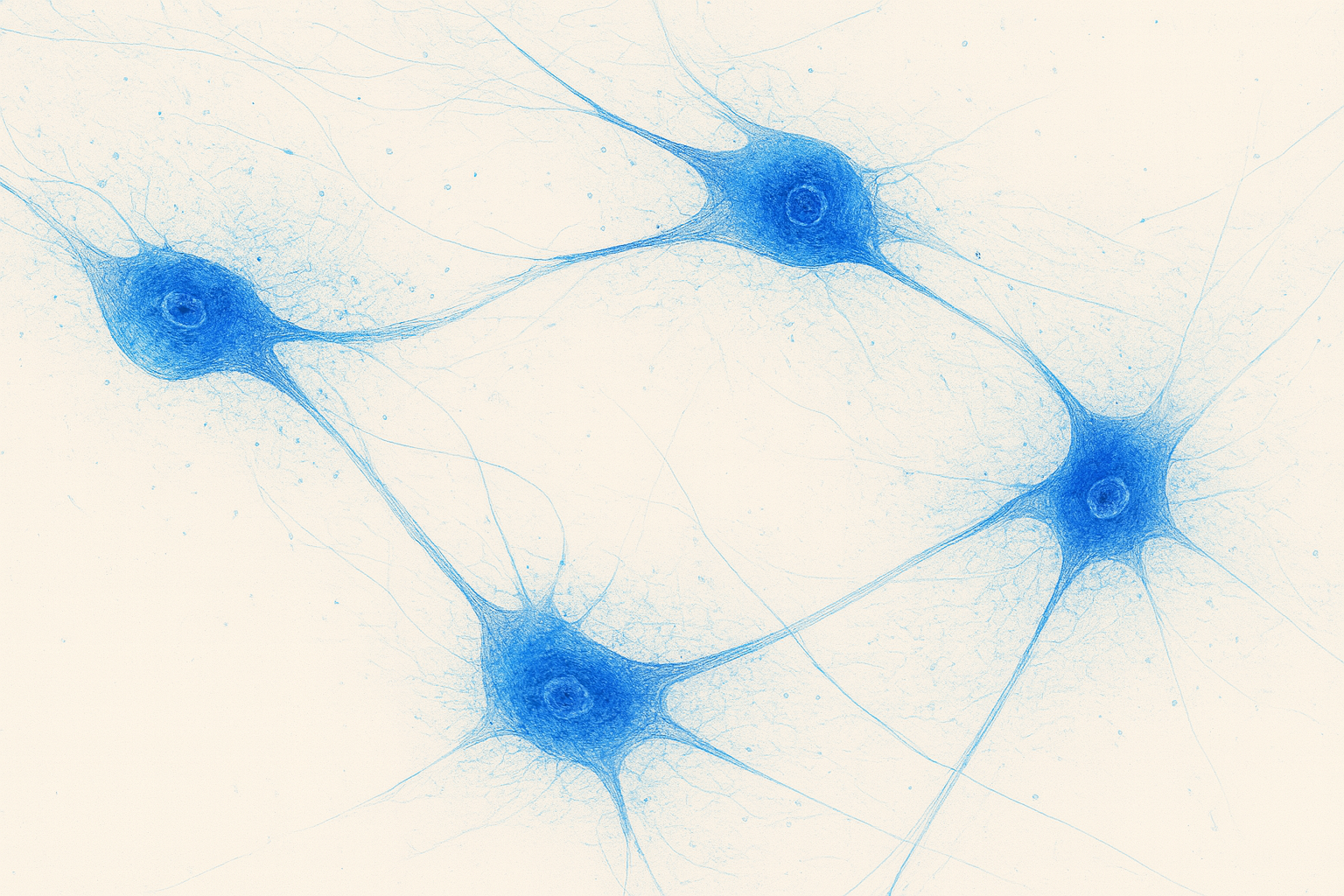
Trauma overwhelms the brain’s natural coping mechanisms. When faced with a threat, our bodies enter a so-called ‘defence cascade’, part of which is a “fight, flight, or freeze” mode — an automatic response designed to keep us alive. In this state, the brain’s amygdala (which processes fear) becomes hyperactive, while the prefrontal cortex (responsible for rational thinking and decision-making) may become less active. The hippocampus, essential for forming memories and distinguishing between past and present, can also be affected.
For most people, these responses settle down once the danger passes. However, in PTSD, the brain remains stuck in this heightened state of alertness. It becomes harder to regulate mood, process new information, and differentiate between actual danger and safe situations. This leads to intrusive memories, emotional numbness, and hyperarousal, hallmarks of the disorder.
Symptoms of PTSD: More Than Just “Bad Memories”
PTSD is often misunderstood as simply “dwelling on the past,” but the symptoms are far more complex. After trauma, the brain’s threat-detection system becomes hypersensitive, leaving individuals on high alert even when there’s no danger. This heightened reactivity shows up as intrusive memories, emotional numbness, and hypervigilance.
Generally, PTSD symptoms fall into four clusters:
- Intrusion Symptoms
These include unwanted, distressing memories or flashbacks of the traumatic event. Individuals may feel as if they are reliving the trauma. Nightmares are common and can disrupt sleep. - Avoidance Symptoms
People may avoid reminders of the trauma—places, people, conversations, or thoughts—that trigger distress. This avoidance can lead to social isolation or difficulties at work or school. - Negative Changes in Thinking and Mood
Trauma can lead to persistent negative beliefs about oneself, others, or the world. Common thoughts include “I am broken,” “No one can be trusted,” or “The world is completely unsafe.” Feelings of guilt, shame, and emotional numbness often accompany these beliefs. - Changes in Arousal and Reactivity
This includes irritability, angry outbursts, difficulty concentrating, hypervigilance (being constantly “on edge”), and an exaggerated startle response.
What’s more, PTSD doesn’t always show up immediately. In some cases, they emerge weeks, months, or even years after the traumatic event. This delay doesn’t mean the trauma is forgotten, it means the brain may store it in ways that aren’t immediately obvious. Over time, unresolved stress responses can surface in an unexpected way, and that’s how complex the brain’s processing of trauma can be.
Common Causes and Risk Factors
On a neurobiological level, trauma changes how the brain responds to threat and safety, and over time, a trauma survivor may become increasingly sensitive to both real and perceived dangers. It’s not just the event itself, but how the nervous system reacts, and whether it gets stuck in a heightened state. The more severe or prolonged the trauma, the more likely these brain circuits stay in survival mode, increasing the risk of PTSD.
While anyone can develop PTSD, certain factors make some people more vulnerable. Early-life trauma can shape stress response systems from a young age. A lack of support after the event, individual resilience and coping styles, or a history of anxiety, depression, or other mental health conditions, may also raise the risk. Genetics matter too: individuals with a family history of psychiatric conditions may inherit a heightened sensitivity to stress.
As for what kinds of events can trigger PTSD, the most common include:
- Violent experiences: Assault, physical or sexual abuse, witnessing violence
- Military combat: Exposure to war, bombings, or life-threatening situations
- Accidents: Car crashes, injuries or natural disasters like earthquakes and floods
- Sudden loss: The unexpected death of a loved one or traumatic grief
- Chronic trauma: Long-term abuse, neglect, or living in unsafe environments
PTSD in Veterans and Specific Populations
Veterans are among the most well-studied groups affected by PTSD, and it is often tied to combat exposure, moral injury, or loss. Approximately 15.5% of those exposed to intense combat develop PTSD, and in some cases, the effects can persist for up to 50 years after their service.
Military culture can make it especially difficult to experience and express emotional pain, and moreover, to seek help. Studies also show higher PTSD prevalence in female veterans, possibly due to greater rates of military sexual trauma: about one in three women veterans report that they experienced sexual harassment or assault during their military service.
Refugees, civilian survivors of conflict, war-zone journalists, first responders and survivors of violence are all in high-risk groups too, and they may all develop PTSD long after the immediate danger has passed. But even when individuals live through the same war or violent event, their psychological responses can differ greatly.
A soldier and a civilian might share the same battlefield, but their trauma pathways and healing needs can be profoundly different. That’s why tailored interventions are vital: what supports a combat veteran may not suit a survivor of sexual violence, even within the same treatment setting.
How PTSD Affects the Body
PTSD isn’t only psychological, it takes a toll on the body as well. Trauma dysregulates the autonomic nervous system, which governs our fight, flight, or freeze response. This often results in chronic physical symptoms:
- Sleep disturbances: Insomnia, frequent waking, nightmares
- Chronic pain: Headaches, muscle tension, unexplained aches
- Digestive issues: Nausea, irritable bowel syndrome
- Fatigue: Due to disrupted sleep and constant stress
- Immune dysfunction: Increased susceptibility to infections and slower healing
These physical symptoms often persist alongside emotional distress, creating a cycle that makes recovery more challenging.
Emotional and Social Impact
People with PTSD often struggle to connect with others, not because they don’t care, but because their emotional regulation and trust systems have been disrupted.
Emotional detachment or numbness can make it difficult to form or maintain close relationships. Some experience rapid mood swings, shifting between feeling overwhelmed and emotionally shut down. Concentration difficulties and low energy can interfere with performance at work or school, leading to job loss or academic struggles. Friends and family may feel confused or helpless, especially if the trauma isn’t well understood.
Feelings of guilt and shame can isolate individuals further, especially if they blame themselves for what happened or for how they’ve responded. These emotions are often irrational but deeply felt, and for some, the fear of being judged or misunderstood leads to silence, which compounds the problem.
Creating supportive environments at home, at work, and in healthcare is critical. PTSD is a response to injury, not a flaw in character.
Recognizing PTSD: When to Seek Help
It’s normal to experience distress after trauma, but when symptoms persist longer than a month, cause significant distress, or interfere with daily life, it may be PTSD.
Importantly, PTSD can look different depending on age, culture, or personality, which is why some people go undiagnosed for years. Warning signs to watch for include:
- Re-experiencing trauma through flashbacks or nightmares
- Avoidance of people, places, or activities that remind you of the trauma
- Persistent negative thoughts or feelings
- Heightened irritability, anger, or difficulty concentrating
- Using substances like alcohol or drugs to cope
- Withdrawing from family and friends
- Thoughts of self-harm or suicide
If you or someone you know is experiencing these symptoms that are making it hard to work, sleep, relate, or enjoy life, it’s time to seek support. Early intervention improves outcomes and literally may save lives.
PTSD Treatment Options
PTSD is treatable, and recovery is possible. The most effective approach is usually a combination of methods, blending trauma-focused therapy, medication, and nervous system regulation practices like mindfulness, yoga, or somatic work. These tools help process trauma memories more safely, reduce hyperarousal, and reshape harmful thought patterns.
In cases where traditional treatments haven’t brought relief, newer approaches like ketamine-assisted psychotherapy are showing promising results, while MDMA-assisted therapy is currently in late-stage clinical trials.
Effective treatments for PTSD typically include:
- Trauma-focused psychotherapy: Therapies like Cognitive Behavioral Therapy (CBT), Cognitive Processing Therapy (CPT), Prolonged Exposure therapy (PE) and Eye Movement Desensitization and Reprocessing (EMDR) help process traumatic memories and reduce their emotional impact, and are usually the first line of treatment for PTSD.
- Medication: Certain antidepressants and other medications can ease symptoms, especially when combined with therapy.
- Group therapy and support groups: Sharing experiences with others who understand can reduce isolation and provide validation.
- Complementary approaches: Mindfulness, yoga, and relaxation techniques can help manage symptoms and rebuild emotional regulation.
- Emerging treatments: Psychedelic-assisted therapy and neurofeedback are gaining attention as powerful tools, particularly for treatment-resistant PTSD.
All of these treatments work best in a supportive, trauma-informed environment that respects each person’s pace. Healing is not about erasing the past but regaining safety, connection, and agency in the present.
Self-Help Practices to Support Recovery
While professional treatment is essential, self-help practices and grounding techniques can help pull the mind out of a trauma spiral. Breathwork, mindfulness, and gentle movement can calm the nervous system and create a sense of inner safety. Keeping a routine, getting regular sleep, and reducing exposure to overwhelming stuff also support healing. And writing, art, or time in nature can help express what’s hard to say in words.
Self-help practices can empower individuals to manage symptoms and promote healing:
- Mindfulness and grounding: Techniques that focus on the present moment can reduce anxiety and intrusive thoughts.
- Physical activity: Regular exercise helps regulate mood and reduce stress.
- Healthy routines: Consistent sleep, nutrition, and social engagement build resilience.
- Creative outlets: Art, writing, or music can offer ways to express and process emotions.
- Building a support network: Connecting with trusted friends, family, or peer groups fosters safety and belonging. Healing from PTSD doesn’t mean fixing everything alone.
Breaking the Stigma and Moving Forward
Despite increasing awareness, stigma around mental health and PTSD persists, preventing many from seeking help. It’s important to understand that PTSD is a medical condition, not a personal failing. Courage to seek treatment and support is the first step toward reclaiming life.
Healing from PTSD is a journey — one that involves learning to live with and beyond trauma, rebuilding trust in oneself and others, and finding renewed purpose and meaning.
FAQ:
How is PTSD diagnosed?
A healthcare provider diagnoses PTSD through a clinical evaluation, often using questionnaires and interviews to assess symptoms, history of trauma, and their impact on daily functioning.
Can PTSD be triggered by something unrelated to the original trauma?
Yes, certain situations, sounds, smells, or events that remind a person of the original trauma can trigger PTSD symptoms, even if the trigger itself isn’t directly related to the trauma.
Can children develop PTSD?
Yes, children can develop PTSD after experiencing or witnessing traumatic events. However, their symptoms may manifest differently, such as through behavioral changes, regression, or difficulty expressing emotions.
Can PTSD affect relationships?
Yes, PTSD can strain relationships due to symptoms like irritability, emotional withdrawal, and difficulty trusting others. However, with appropriate treatment and support, individuals with PTSD can work on improving their relationships and emotional well-being.
How long does it take to recover from PTSD?
Recovery time varies depending on the individual, the severity of the trauma, and the treatment approach. Some people may experience significant improvement within months, while others may take years to fully recover.
What are the potential consequences of untreated PTSD?
If left untreated, PTSD can lead to chronic mental health issues such as depression, anxiety, substance abuse, relationship problems, and difficulties with employment or daily functioning. It can also contribute to physical health issues, like cardiovascular problems or chronic pain.