Conditions
Anxiety Eating Disorder
Substances
Ketamine
Format
In-person

Psyon Verified

Provider type Clinic
Location Czech Republic
Psyon

At Psyon, our promise is simple and serious: expertise, humanity, safety. We treat mental illness by combining thoughtful psychotherapy with the scientifically grounded potential of psychedelic‑assisted approaches, delivered in a clinically controlled setting and guided by kindness and professionalism. We believe expanded states of consciousness—held safely, prepared carefully, and integrated meaningfully—can reach the roots of suffering and unlock durable change in everyday life.

Our care is evidence‑based and patient‑centred. Ketamine’s well‑researched antidepressant and anxiolytic effects are paired with structured psychotherapy because science and experience show the synergy works—treatment becomes more effective, insight deepens, and clients can move forward. We uphold a trauma‑informed and harm‑reduction ethos: preparation, supported experience, and integration are integral to how we protect people and help them translate insight into healthier patterns of thinking, relating, and living.

We honour safety, dignity, and measurable outcomes. From first contact to final session, clients are treated as partners. We listen, explain, and decide together. Our environment is warm and reassuring; our team brings leading clinical and research experience with a gentle, human approach. We welcome diversity—in culture, gender, and neurodiversity—and we meet each person with respect for their story and goals. Above all, we believe in long‑term recovery over symptom masking: this is not a quick fix; it is a structured, supported path to durable improvement.

Approach

Psyon is the first clinic in Europe to provide ketamine‑assisted psychotherapy (KAP) in full harmony with the legislative framework. Our model rests on three pillars: psychedelic‑assisted therapy, standard psychiatric and psychotherapeutic care, and education/research. KAP is a pharmacological extension of psychotherapy—ketamine’s rapid antidepressant and anxiolytic effects open access to difficult mental content while psychotherapy provides the structure to understand, process, and consolidate change.

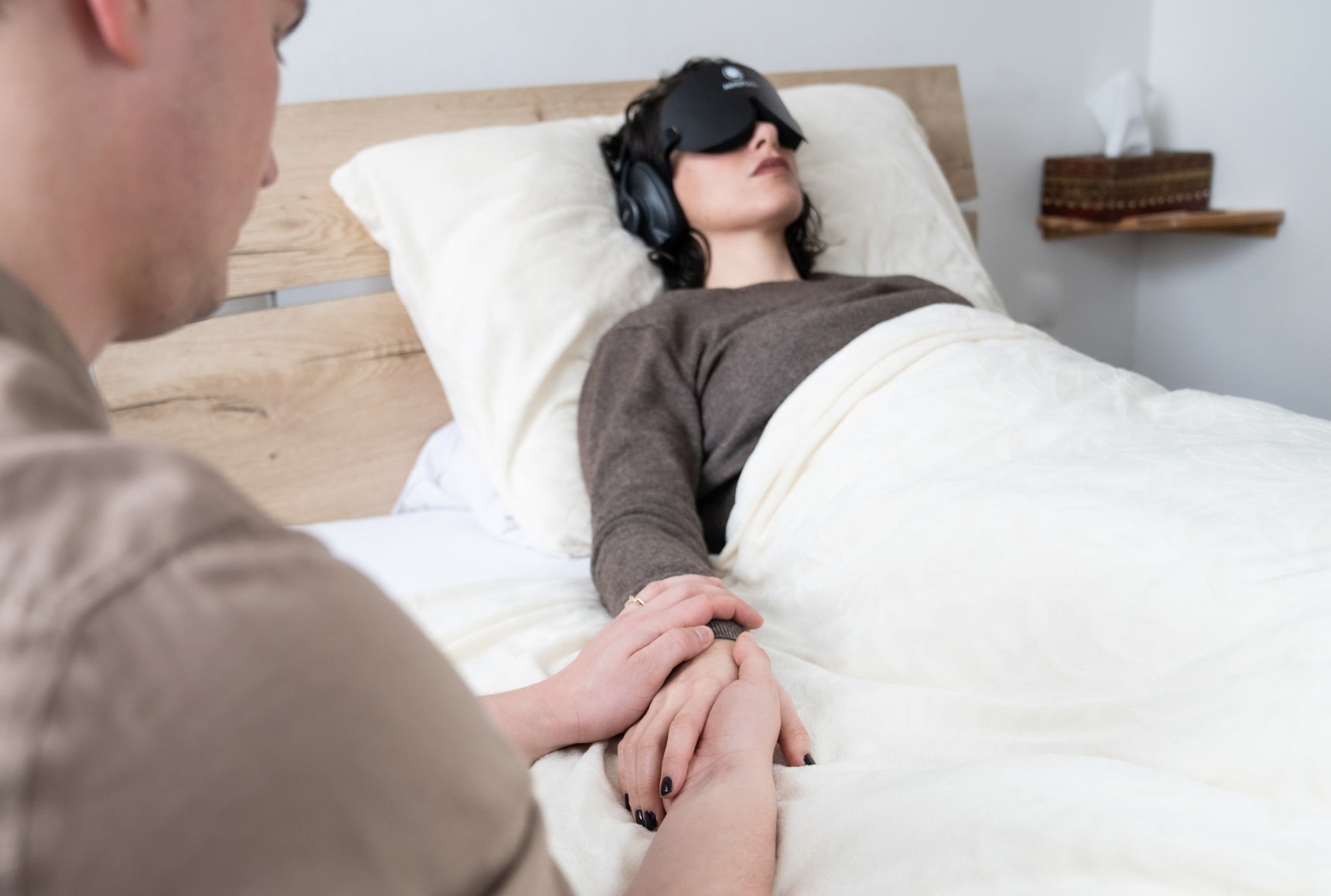
We tailor care to the individual using a comprehensive clinical evaluation. The psychotherapeutic framework includes preparation sessions to build trust and clarify aims, ketamine sessions in a clinical setting with continuous support, and post‑session integration therapy to translate insights into everyday life. For clients already in long‑term psychotherapy, KAP can catalyse breakthroughs that accelerate ongoing work.

In addition to KAP, we offer standard outpatient psychiatry and psychotherapy delivered by a multidisciplinary team. Our therapists have completed unique internationally certified training in psychedelic‑assisted psychotherapy (e.g., programs led by established centres of excellence). While Psyon’s site emphasises EMDR‑style processing principles in a broad sense of trauma‑informed work, our published modalities focus most on KAP paired with structured psychotherapy; we integrate well‑established approaches case‑by‑case (e.g., cognitive‑behavioural tools, mindfulness‑based practices) where clinically indicated. Adjunct supports include psychoeducation, practical self‑care routines, and rehabilitation guidance to help maintain gains after treatment.

Safety

Safety at Psyon is non‑negotiable. Every client undergoes comprehensive screening—an initial online interview, a full psychiatric assessment, and a physical examination (blood tests and cardiac evaluation such as ECG or echocardiography) to ensure KAP is appropriate and safe. Admission is determined by a physician based on clinical indications and contraindications, and treatment proceeds only with informed consent and shared decision‑making.

We follow established dosing and monitoring protocols for ketamine in psychiatric indications (using doses far lower than those for general anaesthesia). Sessions occur in a clinical environment with a therapist present throughout and a physician available on site. We maintain clear safeguards for clients with complex presentations, and we structure sessions to manage anxiety and challenge (e.g., breathwork, pre‑agreed support options). Confidentiality is foundational; health data are handled per legal requirements and clinic policy.

Contraindications include psychotic illness or strong family history of chronic psychosis, acute suicidality risk, active addiction, severe personality disorders, serious somatic disease (notably cardiovascular or liver‑related), pregnancy or breastfeeding, acute infection, ketamine allergy, or interacting medications. Minimum age is 18, and admission requires motivation to collaborate therapeutically plus at least one prior treatment attempt for the current episode (e.g., psychotherapy or pharmacotherapy).

We continuously review clinical outcomes and client feedback and adjust care accordingly; adverse experiences are assessed, documented, and used to improve practice. Psyon’s clinicians combine decades of medical use‑case knowledge for ketamine with current psychiatric safety standards—our governance prioritises prevention, clarity, responsiveness, and ongoing quality improvement.

Care Pathway

KAP at Psyon supports treatment‑resistant depression, anxiety disorders (including social phobia and GAD), OCD, PTSD, and eating disorders (anorexia, bulimia). The approach is particularly beneficial for clients whose previous treatments have been less effective or without effect.

Our pathway:

  • Referral or self‑referral → Initial online interview to align expectations and answer questions.
  • Comprehensive psychiatric evaluation → differential diagnosis, risk–benefit analysis, suitability for KAP.
  • Physical examination → bloods and cardiac testing to confirm medical safety.
  • Preparation → psychoeducation, trust‑building, intention‑setting, anxiety management strategies.
  • Active treatment → a structured series of sessions (preparation, ketamine, integration), typically at least five sessions totalling 8–14 hours, delivered in person within a calm clinical setting designed for comfort and reassurance.
  • Integration → post‑session psychotherapy to consolidate insights and embed behavioural change.
  • Follow‑up and relapse prevention → ongoing therapeutic support and practical guidance for self‑care and participation in daily life.

The first step is online; core treatment occurs in‑clinic for safety and support. Accessibility needs are considered individually so clients can engage with care effectively. We track outcomes using client‑reported changes and clinical assessments; Psyon reports that 77% of clients feel a positive change at the end of treatment, reflecting the meaningful impact when ketamine’s pharmacology is integrated with structured psychotherapy.

Evidence

KAP’s effectiveness and safety are supported by hundreds of scientific studies: more than 500 confirm effectiveness and more than 800 confirm safety; over 300 specialised facilities in the USA and several in Europe already provide ketamine therapy. Ketamine’s rapid antidepressant effect can arise on the day of administration, typically lasting 3–10 days; psychotherapy extends and deepens these benefits, facilitating long‑term change that ketamine alone usually cannot provide.

Psyon is part of the psychedelic renaissance in clinical research and training. The clinic’s founders and team include leading researchers, neuroscientists, physicians, psychologists, and therapists, many with internationally certified training in psychedelic‑assisted therapy. Psyon engages in clinical studies, hosts education for professionals, and collaborates across respected organisations, reflecting our commitment to scientific rigour, ethical care, and community leadership.

Our ethics emphasise autonomy, transparency, and equity. Clients are partners in care; information is clear and decisions are shared. We operate with compassion and respect for all people, across backgrounds and identities. In terms of access, Psyon maintains contracts with major Czech health insurers for psychiatric outpatient and psychotherapy services; ketamine‑assisted therapy is partially covered. We publish a price list and offer a subsidy program to improve affordability for clients unable to pay standard prices. Community support—education, rehabilitation guidance, and integration resources—helps maintain gains beyond the clinic.

Regulatory

Psyon delivers ketamine‑assisted psychotherapy in full compliance with the legislative framework. In the Czech Republic, ketamine’s psychiatric use is off‑label, permitted when supported by comprehensive scientific evidence and when the client has attempted at least one prior treatment for the current episode. Our protocols ensure appropriateness, consent, medical oversight, and safe administration. We adhere to applicable health‑care regulations and privacy requirements, handle medications within legal and internal procedures, and document care to clinical standards. This governance—together with our multidisciplinary expertise—anchors a practice defined by responsibility, clarity, and trust.

Expertise. Humanity. Safety. At Psyon, we create a professional, kind, and secure space where expanded consciousness meets structured psychotherapy—so clients can see differently, move forward, and build a life that genuinely feels better.

Conditions Treated

Anxiety Eating Disorder

Substances

Ketamine

Languages Offered

English

Editorial Picks

Mental States
ADHD Brain: What to Know About Symptoms of ADHD — and How to Cope

Having trouble staying focused or getting things done? It could be ADHD — more than…

Written by: Olga Strakhovskaya
Trends & Signals
Love After the Rupture: How Couples Therapists Help Rebuild Trust 

Discover how therapists help couples rebuild and move forward, with honesty and clarity.

Expert-Reviewed by: Dr. Amy Reichelt
Trends & Signals
Why Holidays Can Be Difficult With People With Narcissistic Personality Disorder

Occasions like holidays and birthdays typically bring to mind joy, laughter, and quality time with…

Expert-Reviewed by: Arielle Tandowski
Altered Healing
Inside an Integrative Therapy Session: How Talk Therapy, the Body, and the Nervous System Intersect

Integrative therapy can support emotional processing and lasting healing.

Expert-Reviewed by: Laurin Angermeier
Human Journeys
My Experience at a Legal Psilocybin Therapy Retreat 

States of Mind's Senior Editor tells us what actually happens at a psychedelic therapy session.

Expert-Reviewed by: Christian Snuffer
Practices
When To See A Psychiatrist

Talking about mental health (MH) and treating mental illnesses may have been normalised to a…

Expert-Reviewed by: Dr. Elena Deliu
Trends & Breakthroughs
Do Anxiety Pens Work? The Promise and Pitfalls of Portable Calm

Anxiety or calming pens can be part of a holistic wellness plan. But do they…

Expert-Reviewed by: Dr. Amy Reichelt
Mental States
Trusted Therapists for Anxiety: How to Choose One in the UK

Mental health conditions like anxiety are on the rise, in the UK and across the…

Expert-Reviewed by: Dr. Amy Reichelt

Check Your Mental State

See all