Reading Navigation


This content is grounded in peer-reviewed research, clinical guidelines, and established best practices. Claims are reviewed for accuracy and transparency. Learn more about our evidence standards
Do Anxiety Pens Work? The Promise and Pitfalls of Portable Calm
Anxiety is one of the most common mental health problems, affecting millions worldwide, and can severely impact people’s daily functioning. Anxiety disorders increased by almost 26%1 during the COVID-19 pandemic and are predicted to continue increasing in prevalence, illustrating the need for new treatment options. Approximately one-third of adults will develop an anxiety disorder in their lifetime.
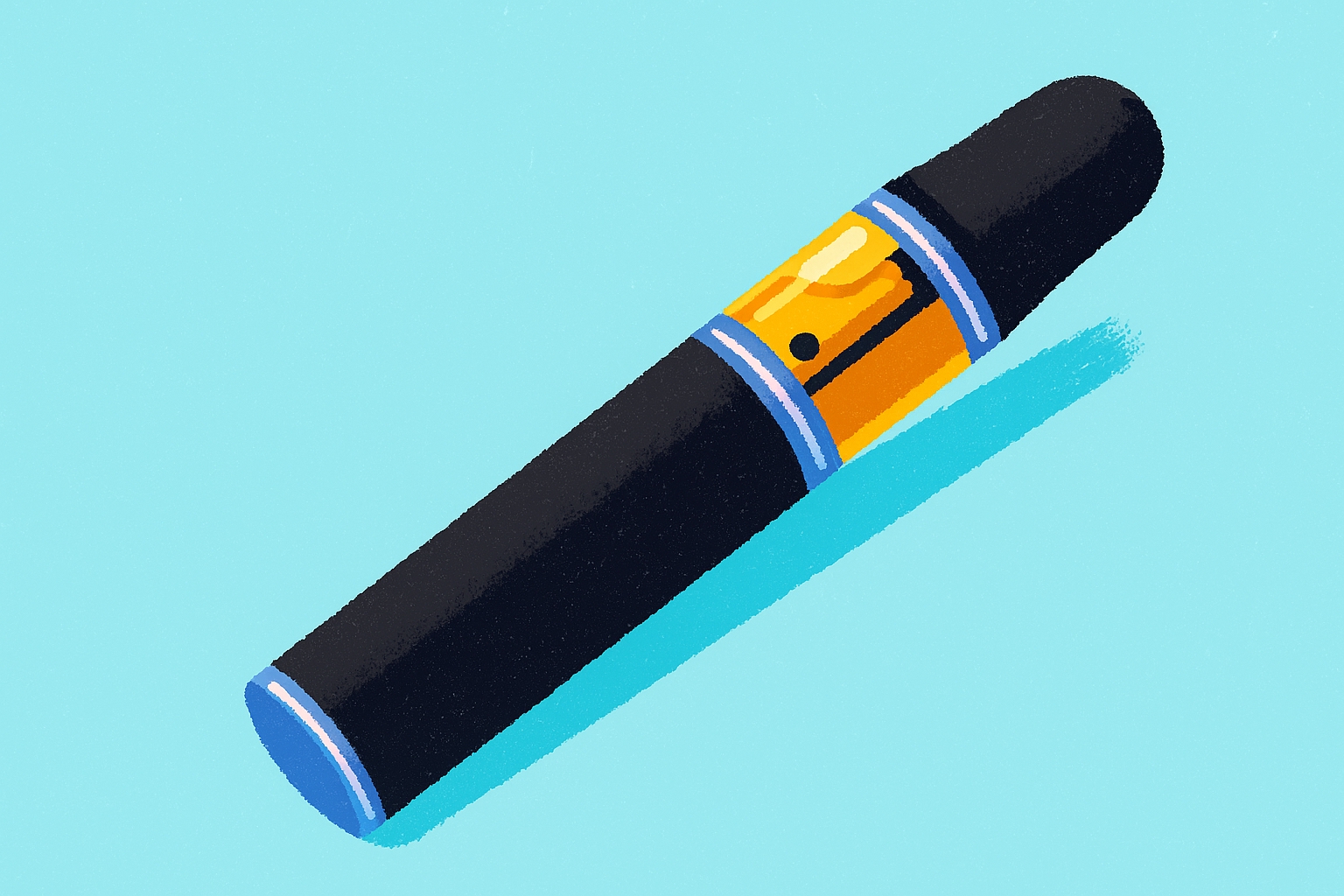
Recent wellness trends have suggested the use of anxiety pens — handheld, vapourizing devices that use essential oil cartridges or tactile features to rapidly relieve anxiety. These pens are often marketed as “natural” alternatives to medications, but are they safe and is there any scientific or clinical evidence to support their purported benefits?

What Is an Anxiety Pen?
An anxiety pen is a small device that contains either essential oils with calming properties or sensory distractors that help with focus. Most pens have a part that heats up liquid so that you can inhale the vapors. Anxiety pens could come in:
- Vape-style inhalers: These devices can contain CBD, essential oils like chamomile or lavender, or other botanicals.
- Aromatherapy inhalers: A small, portable nasal inhaler device, which holds a wick saturated with essential oils, sometimes called an “aroma stick”..
- Fidget Pens: Pens with sensory features that can help with focus.
Notably, these tools are not medical devices specific for the relief of anxiety, and their effectiveness and risk varies. Anxiety pens are not regulated like prescription medications, so it’s hard to know if they are safe or effective.
Types of Anxiety Pens on the Market
CBD Anxiety Pens
Cannabidiol (CBD), is a non-intoxicating chemical extracted from cannabis or hemp plants. Emerging evidence has demonstrated that CBD can be used to treat the symptoms of a range of physical and mental health care problems, including preliminary evidence that CBD helps with anxiety.
Notably, a metanalysis of studies showed that CBD taken orally has moderate evidence2 of effectiveness for anxiety. However, most studies were conducted with CBD taken orally3 rather than inhaled.
Importantly, CBD products differ in purity, labeling accuracy, and dosage. Laws regarding CBD are also variable, making it difficult to determine what the product contains and whether it will be helpful. Many anxiety pens with CBD may not undergo third-party testing, and the actual CBD content may not match the label.
Aromatherapy or Essential Oil Pens
Aromatherapy pens could be in the form of a vape, but could also come in the form of a nasal inhaler. Common oils include lavender, chamomile, peppermint, bergamot, eucalyptus, and botanical blends. Manufacturers use the health benefits from traditional aromatherapy in Ayurvedic medicine4 to make claims of anxiety relief.
In traditional aromatherapy, the essential oil is placed in a diffuser or on the skin, allowing for small amounts to be inhaled or absorbed. This practice is thousands of years old and part of ancient medical systems. The oil from a vape pen is transmitted directly to the lungs.
Aromatherapy with diffused essential oils is effective for decreasing anxiety5. These studies did not involve direct inhalation into the lungs, so it is difficult to say whether the oil in anxiety pens is equally as helpful.
When essential oils are heated in a vape pen, they can enter the lungs at a much higher temperature and concentration than in traditional aromatherapy. Some oils can cause irritation of the lungs when inhaled directly. The higher concentration may increase the toxicity6 of this delivery method.
Find Support That Matches Your Need

 Ireland
Noel Comer is an integrative psychotherapist based in Galway, Ireland, offering psychotherapy and specialised support for the preparation and integration of psychedelic experiences.

 Germany
 Roxana Junczyk is a psychologist based in Berlin, offering psychotherapy and breathwork facilitation.
Vitamin or Melatonin Vape Pens
Vitamin or melatonin vape pens claim to deliver vitamins or melatonin directly to the bloodstream by inhaling them into the lungs. They may also claim to be a “healthy” alternative to vaping with nicotine.
However, there is no evidence that the lungs can deliver vitamins to the blood. A 2024 study7 found that melatonin vape pens are contaminated with pharmaceutical drugs (such as stimulants and even antidepressant drugs) and industrial chemicals. Furthermore, exposure to aerosolized melatonin can create a dangerous immune reaction in the lungs.
Heating certain vitamins and other substances can release toxic byproducts and cause a severe inflammatory reaction in the lungs. In fact, vitamin E contaminants were responsible for an outbreak of EVALI8 (E-cigarette, or vaping product use-associated lung injury) in 2019, resulting in several deaths.
These products are controversial because the lungs are supposed to absorb oxygen, not hormones or vitamins. Research shows that inhaling these substances isn’t better than taking them orally. Vaping liquids is not a reliable way to absorb any substance and is often hazardous to health9.
Sensory or Fidget-Based Anxiety Pens
This category of anxiety pens uses sensory stimulation rather than inhaled liquids. They may contain magnets, textured surfaces, or vibrate in time to various breathing exercises.
The distraction of a fidget pen may be grounding and calming for a stressed person. While less studied, these devices may provide mild anxiety relief and avoid the risk of inhaled substances.
How Do Anxiety Pens Work?
Anxiety pens may help relieve anxiety through inhalation of substances that work in the central nervous system, by sensory engagement and breath regulation, or through ritual.
Inhalation of Active Substances
The theory behind the inhalation of active substances is that they will reach the bloodstream faster through the blood vessels in the lungs (rather than having to traverse the digestive tract). However, it is difficult to know how much of the compound is absorbed and what the effect will be. Most pharmaceutical drugs are studied after administration by oral or intravenous routes. The effects of inhaled compounds vary depending on the active ingredient:
- CBD: Vaporized CBD has been effective for the relief of anxiety, particularly in women, in small studies10. However, more controlled studies are needed to determine the right dose and delivery method. The amount of CBD absorbed from a vape pen is difficult to determine and is probably lower than the studied oral doses11 of 300 to 800 mg.
- Essential oils: Essential oils contain compounds that influence mood through the olfactory (smell) pathway to the brain. They can alter the levels of neurotransmitters12 in the brain associated with anxiety.
- Vitamins and melatonin: There is no known mechanism for relieving anxiety through inhaling these substances, and they may be dangerous.
Sensory Engagement and Breath Regulation
Slow breathing techniques13 can reduce anxiety by activating the parasympathetic nervous system.14 The vagus nerve15 is a major pathway linking respiratory control to the brain and causes the “rest and relax” response.
Ritual, Expectation, and the Placebo Effect
The ritual of using the anxiety pen can improve anxiety in other ways. Rituals can reduce hypervigilance, shifting the attention inward, and decreasing the brain’s response to threat16. These are biological changes in the brain that occur no matter what is in the pen.
However, the relief is not merely illusory. The placebo effect can create measurable biological changes in the nervous system. Interestingly, anxiety is one of the mental health conditions that responds the most to the placebo effect.


Do Anxiety Pens Really Work?
The evidence for anxiety pens is limited and mixed.
- Current research does not specifically support anxiety pens as effective anxiety treatments. CBD may help anxiety when taken orally, aromatherapy alleviates anxiety when diffused, and controlled breathing17 is effective at calming the nervous system.
- Controlled breathing is the most studied method, and it may underlie the effectiveness of anxiety pens. The slow inhalation of the vape pen may do more for mood than the contents do.
- The optimal dose, frequency, and duration of use of anxiety pens have not been studied.
- Results vary. Some people get relief from an anxiety pen while others have no benefit.
- Anxiety pens might help briefly relieve mild anxiety symptoms through breathing exercises and ritual. They won’t address severe anxiety or trauma, which require evidence-based treatment.
The Promise: Potential Benefits of Anxiety Pens
Despite a lack of evidence for their effectiveness, anxiety pens may help in certain situations:
- Convenience and portability: The mere presence of an anxiety pen can comfort people with anxiety.
- Discreet use in public: People with social anxiety prefer discreet tools that don’t draw attention.
- May help with mild, situational anxiety: Anxiety pens shift attention away from stress and encourage mindfulness.
- Can act as a grounding cue: Anxiety pens can ground you, slow you down, and prompt deep breaths.
The Pitfalls: Safety Concerns and Limitations
In some cases, an anxiety pen can be harmful, especially when the ingredients are unverified or unregulated. Some anxiety pens may prove dangerous:
- Inhalation of oils or unregulated vape liquids can introduce toxins from heating elements.
- Anxiety pens could harm your lungs. Essential oil inhalation can irritate the airways and cause inflammation.18
- The risk of overreliance. Anxiety pens do not address the underlying causes of anxiety and postpone professional help for anxiety disorders. Delaying treatment can increase the risk of depression or substance abuse.
- May cause dependence. When learning to manage anxiety, it is important to develop a sense that control over your symptoms lies within yourself — a core goal of therapy. Relying on external tools or substances can undermine this sense of agency and increase feelings of helplessness over time. Importantly, anxiety pens may be harmful if they encourage overuse or expose the body to potentially addictive substances.
- Inconsistent dosing or ingredient transparency: Manufacturers are often not regulated, so you don’t know how much of the desired ingredient you are inhaling, or if it is present in the pen at all.
Who Should Avoid Anxiety Pens
Certain groups of people are especially vulnerable to the potential toxins present in anxiety pens, including:
- Pregnant women (toxins in vape pens can cause birth defects)19
- People with lung problems (asthma, chronic obstructive pulmonary disease, other lung diseases). Inhaling vapors can worsen lung disease
- Children and adolescents have developing brains that may be more vulnerable to toxins
- People with a history of vape-related lung injury
- Anyone on medications that might interact with CBD or other inhaled substances
Find Support That Matches Your Need

 London, United Kingdom
 Ketamine-assisted therapy for treatment-resistant mental health and addiction

 Gozo, Malta
 Evidence‑based ketamine‑assisted psychotherapy retreat Hive Bio on Malta.
Anxiety Pens vs Evidence-Based Anxiety Care
Anxiety pens may provide temporary relief, but do not address the thought patterns and beliefs that create anxiety. Evidence-based care, such as medication and therapy, can have longer-lasting effects and prevent anxiety from happening in the first place.
Anxiety pens are best used as a supplement to, not a replacement for, therapy, medication, and learning new coping skills.
Alternatives to Anxiety Pens
Here are a few alternatives to anxiety pens that do not risk inhalation lung damage:
| Alternatives | Best for | Try this | Benefits |
| Guided breathing | Sudden stress | Inhale 4 counts, exhale 6 counts for 2 minutes | Longer exhale helps activate vagus nerve |
| Grounding (5-4-3-2-1) | Overwhelm | Identify 5 things you can see, 4 you can feel, 3 you can hear, 2 you can smell, and 1 you can taste | Redirects attention to the present moment and away from worry |
| Mindfulness | Overthinking | “In…Out…” for 10 breaths | Allows thoughts to pass without attachement |
| Journaling | Rumination | Write nonstop for 5 minutes | Good long-term strategy |
| Cognitive behavioral therapy | Negative thoughts | Write down fears, then write down more rational thoughts | Changes thought patterns |
| Movement | Restlessness | 10 min brisk walk or intense exercise | Releases anxious energy |
| Non-inhaled aromatherapy | Mild anxiety | Roll-on or diffuse for 10-20 minutes | Avoids dangers of vaping oils |
| Sleep hygiene | Sleep deprivation–related anxiety | Maintain same wake time, avoid screens and stimulating activity before bed | Sleep is restorative to the nervous system |
When Anxiety Pens Aren’t Enough
These are some signs that anxiety is severe and may require professional treatment:
- Symptoms are severe enough to interfere with work, family, relationships, or hobbies
- Panic attacks
- Avoiding people or situations that cause anxiety
- Sleep disruption
- Changes in appetite
- Using substances to relieve anxiety
- Symptoms are frequent or getting worse
If you have any of these symptoms or your anxiety feels out of control, it is time to seek care from a mental health professional or clinician.
Anxiety Pens: Portable Calm With Realistic Expectations
Anxiety or calming pens can be part of a holistic wellness plan that offers momentary relief. They can serve as grounding tools and encourage deep breathing. However, they are not a treatment for anxiety disorders, and the ingredients in anxiety pens are harmful.
An anxiety pen may effectively function as a vape if it contains essential oils, CBD, or vitamins, which can introduce potential health concerns. When these liquids are heated and inhaled, they can create aerosolized particles that pose respiratory and inhalation risks comparable to vaping.
In contrast, anxiety pens that only include removable fidget components do not involve inhaling any substances and carry fewer physiological risks. Anxiety pens should be treated with caution and it’s critical for you, the consumer, to evaluate marketing claims, prioritizing evidence-based strategies for managing anxiety such as cognitive behavioural therapy (CBT), mindfulness practices, adequate sleep, regular movement, and professional mental health support.
FAQ
 Expert Board Member
Wellness trends suggest that 'anxiety pens' can rapidly promote calmness, but this article takes a deeper look at these claims and the potential harms these devices may cause. While acknowledging their use as grounding tools, it highlights concerns and guides readers toward safer, evidence-based anxiety management strategies.