Reading Navigation

This content is grounded in peer-reviewed research, clinical guidelines, and established best practices. Claims are reviewed for accuracy and transparency. Learn more about our evidence standards
How Long Does Dizziness From Anxiety Last?
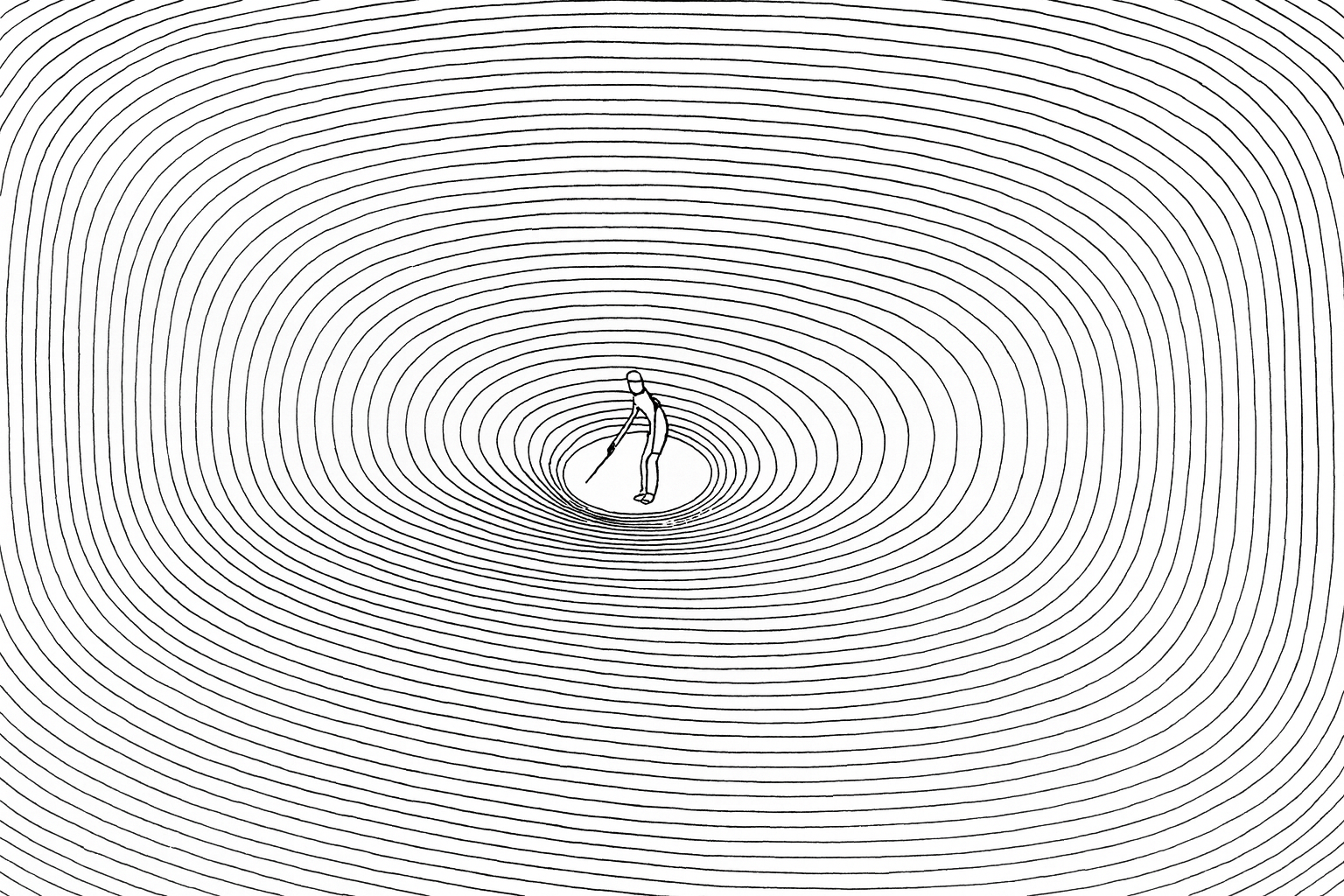
- In anxiety and panic attacks, dizziness typically peaks within a few minutes and fades away within 1 hour.
- Spinning sensations, also called “vertigo”, result from hyperventilation, redirected blood flow (from the brain to the muscles), increased heart rate, and elevated blood pressure.
- If you feel dizzy, try to breathe slowly, drink a glass of water, relax your neck and shoulders, lie down, and shift your gaze from nearby to distant objects.
*Disclaimer: The information provided in this article is for general educational purposes only and is not intended to diagnose, treat, cure, or prevent any medical condition. Always seek the advice of your physician or another qualified health professional. Do not disregard professional medical advice or delay seeking it because of something you have read here.
Anxiety disorders1 (e.g. panic attacks, generalised anxiety disorder (GAD), social anxiety disorder, agoraphobia, claustrophobia, and other specific phobias) are well-known by several typical symptoms: faster heartbeat, obsessive thoughts, tight chest, feeling nervous, among others. Dizziness, however, is also a common sign but is primarily associated with panic disorders.
This limited view makes the self-diagnostic process a bit more confusing for some people who can’t distinguish whether they are experiencing a panic or an anxiety attack, or something else. At the moment they occur, both of them feel intense, uncontrollable, and frighteningly permanent due to similar biological factors and sensations — including dizziness. In the medical context, feeling dizzy is ordinarily called vertigo, or episodic vertigo.
A 2022 small-scale study shows, 29% of participants with dizziness2 also experienced anxiety, and 15% had overlapping anxiety and depression. Anxiety disorders are not the only conditions associated with dizziness: migraines, vestibular disease, and many others, adding up to more than 2000 primary or secondary conditions3, present with dizziness symptomatology, making dizziness one of the hardest and most expensive to diagnose.
This article offers an in-depth look at anxiety-related dizziness, equipping you with the knowledge to better recognise and manage it. How long does it typically last? Which factors can influence the duration? Is it true that dizziness can last for weeks and even months? And finally, how to shorten dizzy episodes? No worries, in this 5-minute guide, we’ll walk through all the necessary research!
Typical Duration of Anxiety Dizziness
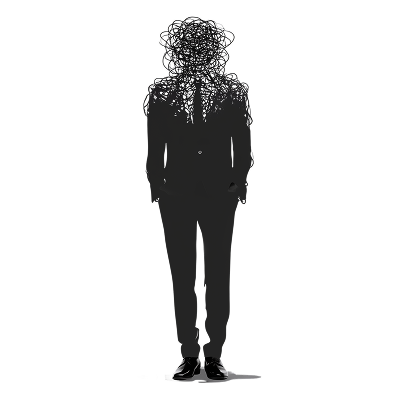
Because a whole mix of factors is involved, there is no one-fits-all timeframe; therefore, it’s difficult to define a “typical duration” for dizziness. Along this line, a specific estimation of how long an episode of anxiety-related dizziness can last is cumbersome. Nevertheless, across a broader range of health conditions, dizziness typically peaks within a few minutes and vanishes within 30-60 minutes after an outbreak. Physical manifestations are mostly short-term because such episodes occur without obvious threats or rational triggers presented, when danger is literally only in your mind. It is not unusual that dizziness accompanies a panic attack for its entire duration.
In individual case reports, patients with panic and anxiety attacks followed by sensory aftermath reported almost similar experiences. Their dizziness peaks within 10 minutes4 and then unexpectedly resolves within 1 hour as CO2 levels and blood pressure normalise.
In rare cases, lightheadedness and spinning last even longer: for instance, dizziness related to anxiety persists in nearly 1/3 of patients5 one year following vestibular treatment for neuritis. Besides vestibular disorders, other affecting factors include overuse of stimulant medication and other substances. If you feel dizzy for more than 1 hour, it’s recommended to consult your healthcare provider to determine the root cause. When dizziness is clearly tied to anxiety, the symptom tends to ease as your mental health starts to improve.
| (Mental) Health Condition | Dizziness Duration |
| Anxiety or panic attack | Peaks within 10 minutes4, fades within 60 minutes |
| Acute or chronic anxiety | Evolves into Chronic Subjective Dizziness (CSD), comes regularly in waves depending on stress levels |
| Diagnosed illnesses: vestibular infections, Persistent Postural-Perceptual Dizziness6 (PPPD), Meniere’s disease, and others | Persistent, over weeks or months (e.g. more than 3 months in PPPD) |
| Medication side effects | Situational, proportional to medication use7 |
Comparing Anxiety- and Non-Anxiety Related Dizziness
As noted earlier, dizziness doesn’t always stem from anxiety directly. Anxiety disorders can also be the engine that intermediately drives prolonged spinning in neurological and vestibular diseases. According to 2025 research, this overlap is quite common, and patients with vestibular disorders have higher rates and risks of anxiety — 31,4% vs 8.3%8 in other respondents.
And finally, dizzy episodes can have purely physical causes. The examples of medical conditions include:
- Vestibular inflammation, such as labyrinthitis and neuritis
- Inner-ear disorders, such as benign paroxysmal positional vertigo (BPPV) and Meniere’s disease
- Stroke or transient ischemic attack (TIA)
- Cardiac arrhythmia and increased heart rate
- Hypotension and sudden blood pressure drops
- Hypoglycemia and diabetes
- Multiple sclerosis flare
- Anaemia or thyroid swing
- Motion sickness
- Persistent postural-perceptual dizziness (PPPD)
You can recognise non-anxiety dizziness by its red flags and associated symptoms9: hearing loss, fainting, feeling off-balance, altered vision, intense spinning sensations, vomiting, tinnitus (ringing in the ears), and speech changes. Here are the main differences between the two types of dizziness:
| Characteristics | Anxiety Dizziness | Non-Anxiety Dizziness |
| Duration | Varies from 3 to 60 minutes, ends after a calm-down | Persists throughout the course of the condition (weeks or months) |
| Triggers | Stressful situations, worries, panic attacks, specific phobias drivers | Occurs without emotional spikes, e.g. after taking a new medication or when blood sugar drops |
| Patterns | Predictable, linked to stress levels | Relatively random, linked to vital signs and motion activities |
| Accompanying symptoms | Racing heart, hyperventilation, intrusive thoughts, tingling | Fainting, altered hearing and vision, speech changes, tinnitus |
| Improvement factors | Slow breathing, grounding, rest, decompression | Professional medical assistance |
If you notice any signs of chronic dizziness or symptoms of the diseases mentioned above, a medical evaluation is needed. Your GP or therapist will rule out secondary symptoms and identify the true root cause of feeling dizzy, whether it’s anxiety or something else.
Underlying Mechanisms of Dizziness in Anxiety
Dizziness reflects how the body naturally reacts to sustained stress — that’s why, for some people, it lasts only a few seconds, and for others, it comes and goes throughout the day.
Researchers found several similarities in how our bodies react during anxiety and panic episodes. In case of sudden stress, the brain automatically triggers a “fight-or-flight” response. An increased heart rate redirects blood flow to large muscles for action, so less blood is delivered to parts of the brain not involved in immediate life saving. Along with adrenaline surges and blood pressure spikes, this short drop in blood flow to the brain can cause dizziness. The good news is that the effect is temporary and treatable, and with breathing and grounding practices, dizziness can go away in minutes.
Let’s dive deeper into physiological patterns that trigger vertigo:
- Hyperventilation. Rapid, deep breathing lowers carbon dioxide levels in your blood and constricts cerebral vessels.
- Blood flow redistribution. Oxygenated blood rushes to muscles10 while the brain and balance centres remain “starving”.
- Reduced blood circulation in the inner ear. This muffles vestibular hair cells11 and erases the sense of balance.
- Muscle tension. An anxious posture clenches the upper cervical muscles12 and multiplies tension in the neck and shoulders.
- Increased heart rate
- Increased blood pressure
- Adrenaline rush
When the “fight-or-flight” response is active, it redirects blood flow away from the vestibular system, which consequently leads to balance disruption13. It restores as soon as the vitals return to baseline levels. During the anxiety episode, the goal is to release your body from a constant semi-alert state due to ongoing stress.
But there’s a nuance. When a person accidentally or intentionally overfocuses on physical sensations, it creates a so-called “feedback loop”14: dizziness triggers new waves of anxiety, which in turn worsen or extend dizziness. In these cases, therapists recommend attention shifts and grounding, such as naming five objects around you or pressing your feet into the floor.
Lifestyle choices, which fuel anxiety, can also affect dizziness. Poor sleep hygiene, dehydration, skipped meals, lack of physical activity, hypervigilance, intrusive thoughts, doomscrolling, and poor posture amplify anxiety symptoms15. By changing your daily activities, you can reduce anxiety and, in turn, prevent the dizziness associated with it. Therapists note that even subtle daily actions, like rapid head snaps and staring at one spot for a long time, may affect how your body handles stress16 and recovers after an anxiety episode.

Why Can Dizziness From Anxiety Last for Months?
When chronic or paired with other health issues, anxiety can provoke long-term dizziness. Long periods of anxiety lead to longer and recurring episodes of vertigo. Among people with acute and chronic anxiety (when symptoms persist over 6 months), dizziness is also continuous and may stay for weeks and even months. On the whole, several factors influence the duration of dizziness:
- Type and severity of anxiety disorder
- Co-occurring medical concerns (migraines, comorbid mental disorders, etc.)
- Specific triggers which cause the onset of dizziness (crowded spaces for agoraphobia, public speaking for social phobia, etc.)
- Prescription medications and possible side effects
- Use of other substances (caffeine, nicotine, alcohol, etc.)
- Effectiveness of self-soothing methods during the episode
Moreover, chronic dizziness itself triggers psychological problems and anxiety in particular.
It’s worth saying that with both anxiety-related and anxiety-triggered conditions, the feeling of dizziness and lightheadedness fades once the initial anxiety is managed. Among treatment options, experts describe16 cognitive-behavioural therapy, autogenic training and breathwork, anxiety medication (SSRIs / SNRIs), lifestyle changes like regular physical activity and healthy sleep habits.
Persistent spinning may also indicate vestibular disease intensified by anxiety17, in which vestibular circuits are constantly kept in semi-alarm mode due to chronic hyperarousal. This list includes persistent postural-perceptual dizziness (PPPD), benign paroxysmal positional vertigo (BPPV), labyrinthitis, vestibular neuritis, and some others.
If You’ve Noticed Concerning Symptoms, Consult an Anxiety Therapist

 London, United Kingdom
Psychologist and shamanic practitioner offering psychedelic preparation, integration, mentoring, ritual work and divination in London and online.

 Germany
 Julianna Markus is a psychologist and mindfulness-based therapist based in Trier, Germany.
 United Kingdom
 Gemma Autumn is an integrative psychotherapeutic counsellor based in London who offers adult and adolescent psychotherapy using a flexible, person-centred approach.
How to Shorten or Prevent Dizziness
Aside from treating anxiety in general, some therapies and techniques can specifically help reduce dizziness. A 2025 study found18 that vestibular rehabilitation therapy (VRT), when combined with cognitive-behavioural therapy (CBT) and medication, shows the most significant results in treating vertigo. A 2024 meta-analysis showed that additional CBT noticeably improves recovery19 in conventional vestibular treatment, lowers resting heart rate, and restores normal activity within 6 to 8 weeks. Clinical trials also proved that digital CBT combined with breathing practices reduce the incidence of dizziness from 36% to 17% in generalised anxiety disorder.
For immediate relief during episodes of dizziness, you can try these self-help steps recommended by healthcare organisations:
- Sit or lie down until the attack passes, and then get up slowly
- Drink more water to avoid dehydration
- Breathe slowly and controlled to prevent hyperventilation
- Practice box breathing (inhale for 4, hold for 4, exhale for 4, hold for 4) to restore CO2 levels
- Try grounding scan (5-4-3-2-1 method) or press your feet into the floor to redirect focus from spinning and escape an “anxiety loop”
- Avoid caffeine, cigarettes, alcohol and recreational drugs to lower blood pressure
- Wear compression stockings to help maintain blood flow
- Stretch, relax your neck and shoulders, and gently tuck your chin to correct the constrained posture
- Fix eyes on your finger, then shift gaze to distant objects every 20-30 seconds to refocus
- Hum or chew to activate the vagus nerve
When an acute anxiety attack has passed, you can think about long-term strategies and lifestyle changes. The extended action plan can consist of regular physical exercise, consistent sleep, reduced caffeine intake, balanced nutrition, and a revised medication plan — all factors that affect heart rate, blood flow, and muscle tension. Regular self-care plus integrated psychotherapy drastically reduces dizziness20 and related physical symptoms.
Depending on underlying and overlapping conditions, anxiety dizziness can last for minutes, days, or, in specific cases, for months. This symptom is widespread, short-lived, and rarely triggered by a serious condition, which means that a bit of self-awareness and basic self-care are often enough to reduce swirls during anxiety attacks. With proper care — vestibular rehabilitation, CBT, controlled breathing, and healthy daily routines — dizziness duration and intensity gradually decrease. But if your symptoms persist or if they make you worry even more, it’s time to consult a medical specialist. Seeking help and taking care of yourself are steps one and two toward a calm, peaceful life.


FAQ
 Expert Board Member
Dizziness is a nonspecific symptom associated with a wide range of conditions, and the underlying cause is one of the most difficult and most expensive to diagnose. Several lines of research investigated its association with and mechanisms within neurological and neuropsychiatric disorders, identifying a feedback loop in anxiety and panic disorder. Awareness of this association allows one to anticipate its duration and alleviate its impact on day to day life.






 Netherlands
 Portugal