Reading Navigation

This content is grounded in peer-reviewed research, clinical guidelines, and established best practices. Claims are reviewed for accuracy and transparency. Learn more about our evidence standards
Microdosing for Menopause: Research Shows Potential for Women’s Health
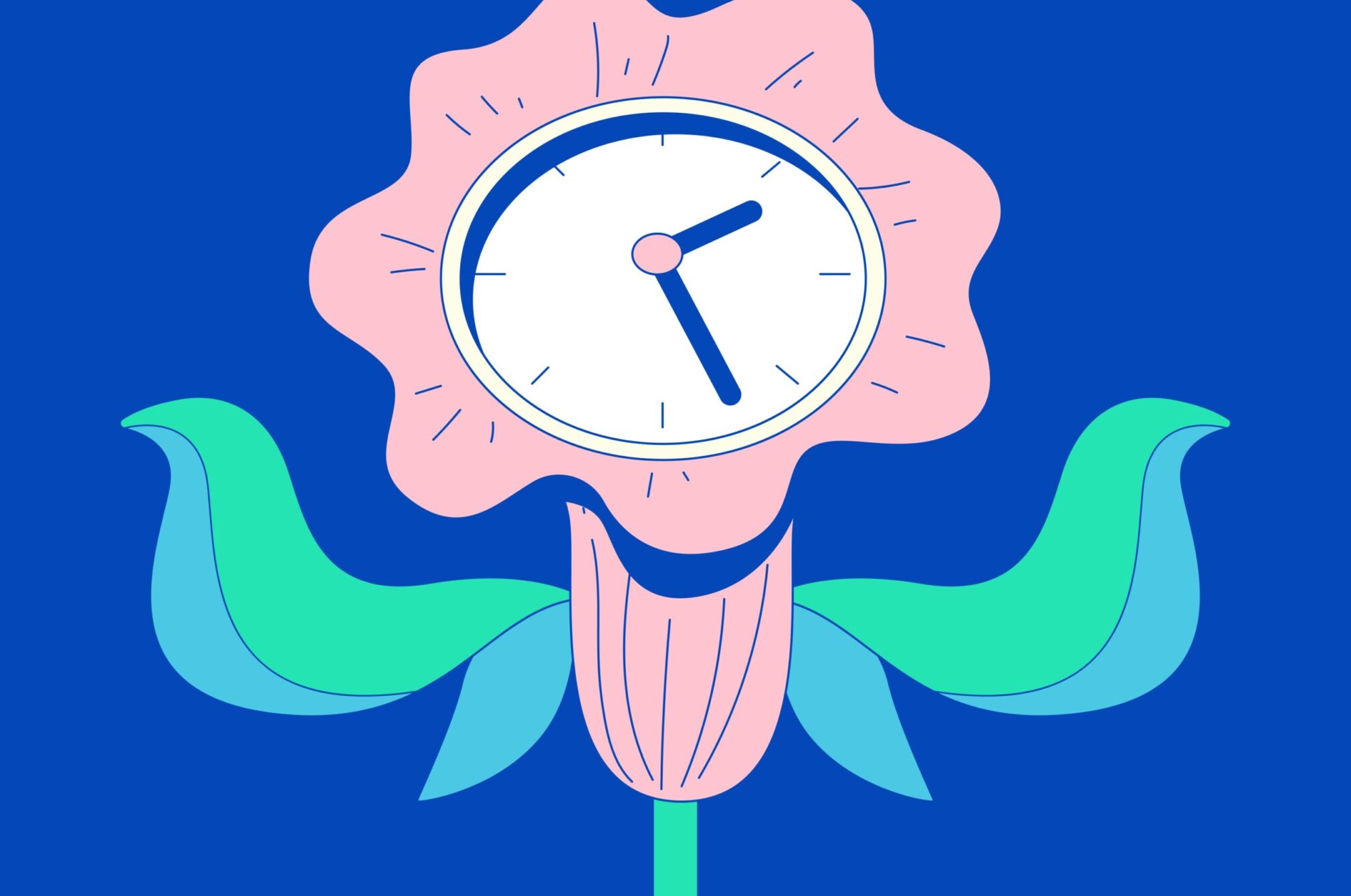
As women enter perimenopause, the transitional years leading up to menopause typically starting in the mid to late 40s, shifting hormone levels can trigger symptoms including hot flashes, night sweats, sleep disruption, and changes in mood and thinking. Menopause itself is defined as the point when menstrual periods have permanently stopped, marking a major biological transition, yet many symptoms can persist well into the years that follow.
While hormone replacement therapy and a small number of non-hormonal options can help, many women are unable to use these treatments or find that they do not provide adequate relief, leaving a significant gap in women’s healthcare. Now, researchers are beginning to explore whether psychedelic-based therapies could offer new approaches to improving symptom management and psychological wellbeing in this underserved population.
According to the World Health Organization, the number of menopausal women is growing globally due to increased life expectancy — with over 1.2 billion women worldwide expected to be perimenopausal or post-menopausal by 2030.
Despite this, health during this period of life has been seriously under-studied and under-funded, leading to a lack of treatments for symptom management and often leaving women left in the dark, struggling to manage their physical and mental health.
Important note: This article looks at the effects of the menopausal transition for women. If you are transgender or non-binary, some of this information might be relevant to you too.
Psychedelics and Female Health
In recent years, an emerging body of clinical research studies have suggested that psychedelic medicines could hold promise for treating mental health conditions such as anxiety and depression.
These conditions are often prevalent during the menopause transition, for example, up to 35.6% of menopausal women experience depression and up to 55.7% of menopausal women experience anxiety1 — influenced by the changes in sex hormones during menopause.
Additionally, a number of studies have uncovered sex differences2 in subjective and physiological experiences of psychedelics, revealing the possibility of a direct interaction between sex hormones and the serotonin system.
Psychedelic drugs, like psilocybin from “magic mushrooms” or LSD, primarily exert their effects through the serotonin 5-HT2A receptor. Oestrogen — a sex hormone dominant in biological women — also influences the activity of the serotonin system by regulating the number of serotonin receptors and influencing neuroplasticity.
Studies suggest that this interaction between psychedelics and ovarian hormones3 could impact the effects of psychedelics throughout different stages of the menstrual cycle and through different hormonal stages of a woman’s life, such as the menopausal transition.
Researchers say this could provide opportunity for enhanced research into psychedelics2 to potentially address unmet needs and enhance women’s wellbeing across a range of reproductive and mental health contexts.
Psychedelics have interesting effects on neuroplasticity and neurogenesis … Estrogen has these effects too, but we lose them during menopause
Microdosing for Menopause
One groundbreaking study is now digging deeper into the science of psychedelics for women’s health.
Dr. Grace Blest-Hopley — neuroscientist, psychedelic researcher and founder of the social enterprise Hystelica — is investigating if psychedelics could open new avenues for menopause research and symptom treatment.
Hystelica is collaborating with King’s College London to carry out an observational study exploring the impact of microdosing throughout the menopausal transition — from peri-menopause through to post-menopause.
The study is seeking to understand how symptoms are impacted by sub-perceptual doses of psychedelics, investigating both safety and effectiveness.
Blest-Hopley spoke to States of Mind about this research and its possibilities.
“There are two ways of looking at psychedelic treatment. Firstly, you can think about it in terms of people taking large doses of psychedelics, maybe going to a psychedelic retreat, taking part in a clinical trial, or even doing it themselves, which is probably the most accessible way people do this.
“The research we’re doing focuses on microdosing4. Investigating small, almost-daily doses of a psychedelic in women who are experiencing medical symptoms during perimenopause.
“Our study uses an observational research pathway, so we are not providing the drug ourselves. Instead, we ask women who are already planning to microdose, and who are experiencing menopause symptoms, to let us follow them over a 12-week period.”
The study will collect data at four different time points to assess whether different aspects of the participant’s menopause symptoms improve.


“This is very much the first stage of the research,” says Blest-Hopley. “We know that during menopause, one of the most common issues, unfortunately, is a huge spike in depression and anxiety.
“We already have strong evidence for psychedelics being effective for these conditions, particularly in ceremonial settings, and we’re looking at whether that might also apply here.
“However, we’re not just focusing on mood. Psychedelics have interesting effects on neuroplasticity and neurogenesis, similar to what’s being explored in head trauma research5. Estrogen has these effects too, but we lose them during menopause.”
The hope is that psychedelics could not only help with depression and anxiety, but also with symptoms of brain fog.
I believe psychedelics could be one of those tools … helping women process this major psychological and life transition.
“That’s the hypothesis, and we’re still at the start of testing it. As we get better at measuring these effects, we want to see whether psychedelics could help keep women’s brains healthier and younger — potentially acting as a kind of longevity agent in the brain.”
Blest-Hopley has also been collecting data through a larger survey of women who use psychedelics, asking women whether they had been through menopause, and if so, about their medical symptoms.
“We’re analysing that data now and hope to publish it by the end of the year,” says Blest-Hopley.
“We also have a new survey for women who are about to go through these psychedelic experiences, so we can collect before-and-after data, whether from a large ceremonial dose or otherwise, to see if their symptoms change.
Blest-Hopley explains that she has seen a number of anecdotal case studies from women who say psychedelics had a dramatic impact on their symptoms.
Many of these women highlight that the experience is also about processing a major life change, something psychedelics are known to help with.
“I’ve heard remarkable stories of women at the very end of menopause – no periods for nearly 12 months – who, after a psychedelic experience related to this transition, had one final significant bleed, and then entered menopause fully,” says Blest-Hopley.
“It’s fascinating to think there could be a mind-body connection here, where psychologically letting go of fertility triggers a physical release.”
Closing the Gap in Menopause Care
While current antidepressant therapies such as selective serotonin reuptake inhibitors (SSRIs), like fluoxetine [Prozac] or escitalopram [Lexapro]), are prescribed for mood changes like depression and hormone replacement therapies (HRT) with oestrogen and progesterone are available, they are not suitable for everyone, and can come with risks such as sexual dysfunction or increased chances of a stroke or blood clot.
HRT medicines are also often underprescribed, and have, in recent years, seen a shortage. The British Pharmacological Society has highlighted that these challenges underscore the urgent need6 for more research into the barriers to good menopause care. After a number of studies conducted over 20 years ago linked HRT to increased risk of breast cancer, stroke and heart disease, healthcare providers saw a dramatic reduction in prescriptions. However, more recent evidence has revealed7 that the benefit outweighs the risk of these side effects, particularly when treatment is initiated within 10 years of menopause or before age 60, now leading to an increased use of the therapy.
Blest-Hopley says: “The reality is that menopause treatment options are still very poor, largely because the experience has been under-respected and under-researched — much like premenstrual syndrome (PMS), it’s often dismissed as something women should just “get on with.”
“But with so many women of this age in the workforce now, the need for effective options is being taken more seriously.
“Currently, many people are prescribed SSRIs, which can have serious side effects and be hard to come off. And we have to ask: is depression in menopause due to the same mechanisms SSRIs target, or is it a result of profound neurological changes caused by shifting hormone levels?”
Importantly, the study excludes people who are currently taking antidepressants, as combining psychedelic compounds with medications that affect serotonin signaling in the brain may increase the risk of harmful drug interactions.
Moreover, HRT isn’t suitable for everyone, and comes with its own risks. Blest-Hopley says we need more tools in the menopause toolbox.
“I believe psychedelics could be one of those tools: at the microdosing level, possibly supporting brain longevity, and, at the higher-dose level, helping women process this major psychological and life transition,” she says.
 Expert Board Member
This article explores emerging research into the potential use of psychedelic therapies for symptoms like mood shifts during the menopause transition, which is an underserved area of health. While acknowledging the preliminary nature of findings, it examines how microdosing psychedelics like psilocybin or LSD might address mood changes, brain fog, and psychological transitions during perimenopause and beyond, highlighting both the potential and the significant research gaps.








 Paola, Malta

 Netherlands
 London, United Kingdom