Reading Navigation


This content is grounded in peer-reviewed research, clinical guidelines, and established best practices. Claims are reviewed for accuracy and transparency. Learn more about our evidence standards
Panic Attack vs Anxiety Attack: What’s the Difference?
- Panic attacks strike suddenly and intensely, while anxiety attacks build gradually and last longer.
- Panic is more physical — chest pain, dizziness, shortness of breath, while anxiety is more emotional, centred on worry, tension, and overthinking.
- Both activate the same fight-or-flight response, leading to similar symptoms — racing heart, trembling, dizziness, and shortness of breath.
- Grounding, slow breathing, and the S.A.F.E. method help calm the body and regain control during an episode.
Your heart starts racing. Your chest feels tight. For a moment, it’s hard to breathe, and you’re not sure what’s happening. Is this anxiety? Or a panic attack? These experiences can feel nearly identical, which is why so many people mix them up. Yet understanding the difference can make a world of difference in how you cope.
In fact, about 40% of people1 experience at least one panic or anxiety attack in their lifetime. While these are primarily associated with mental health conditions, such as panic disorder or PTSD, they can also occur2 without any present mental disorders. Knowing that difference can turn a frightening moment into something understandable and, more importantly, manageable. Research shows3 that with the proper knowledge and tools, from CBT to grounding techniques, it’s possible to move through both panic and anxiety with more calm and confidence.
What Is a Panic Attack?
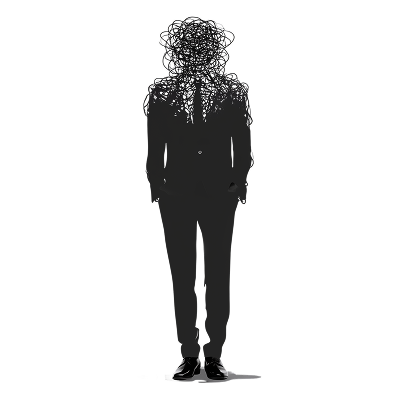
A panic attack is a sudden surge of intense fear or discomfort that peaks within minutes. It’s a recognised feature of clinical conditions4 in the DSM-5 (the diagnostic manual used by mental health professionals). It can appear either unexpectedly or in response to a specific trigger.
During a panic attack, the body’s fight-or-flight system floods with adrenaline, even when there’s no real danger. Physical sensations5 can be frightening: chest pain, shortness of breath, trembling, sweating, dizziness, nausea, and a racing heart. Many people describe feeling detached from their body (known as depersonalization) or surroundings (known as derealization), along with a powerful fear of dying or losing control. As Reddit user Francesca told States of Mind, her first panic experience felt like this:
My first panic attack was after a long period of very high stress and anxiety over college applications and other personal issues. One morning after a night of drinking, I woke up hungover with a headache. Usually, this was no big deal, but because of my mind being in such an unstable, overly paranoid and anxious state, I began to panic that it was something more serious. A wave of fear more acute and overwhelming than anything I had experienced before came over me. I later learnt this was the feeling of an ‘impending sense of doom’.
Most panic attacks last between 5 and 30 minutes5, though a sense of exhaustion or unease can linger afterwards. They can occur6 “out of the blue” or be triggered by factors like stress, trauma reminders, social exposure, phobias, caffeine, or lack of sleep.
When panic attacks recur and create a persistent fear of having another, they may develop into panic disorder3 — a treatable anxiety condition that affects nearly 5% of adults in the U.S.
What Is an Anxiety Attack?
In contrast, an anxiety attack isn’t an official medical diagnosis, but the phrase is widely used to describe intense periods of anxiety that can feel overwhelming. Unlike panic attacks, which appear suddenly, anxiety attacks tend to build up gradually: often in response to ongoing or anticipated stress7 rather than immediate danger.
Emotionally, anxiety attacks are marked by persistent worry, dread, irritability, and racing thoughts. People often report feeling “on edge” or unable to switch off their thoughts. Physically, they may experience7 muscle tension, chest pain or pressure, dizziness, restlessness, fatigue, an upset stomach, rapid heartbeat, or trouble sleeping.
These symptoms can build over hours or days and may last much longer than a typical panic episode. Anxiety attacks are often part of broader conditions such as generalised anxiety disorder (GAD), post-traumatic stress disorder (PTSD), obsessive-compulsive disorder (OCD), or phobias.
Common roots include chronic stress, past trauma8, perfectionism9, or significant life transitions like starting a new job or becoming a parent. Physiologically, anxiety attacks represent the body’s prolonged fight-or-flight response — a survival mechanism that stays switched on long after the immediate threat has passed.
Main Differences Between Panic Attacks vs Anxiety Attacks
Though panic and anxiety attacks share overlapping symptoms, the way they start, feel, and fade is strikingly different. Recognizing the type helps you take the right steps in the moment, communicate clearly with a mental health professional, and focus on the kind of recovery that truly fits your needs. Understanding the difference also prevents confusion, so that panic isn’t mistaken for anxiety or vice versa.
Onset and Triggers
A panic attack arrives suddenly — you might be resting, driving, or even asleep when it hits. The body reacts3 as if to an immediate threat, even when none exists. An anxiety attack, by contrast, builds gradually7, usually in response to ongoing stress or anticipation of a future event, like a big presentation, a health worry, or a social situation.
Intensity and Duration
Panic attacks are short and explosive, lasting5 from 5 to 30 minutes. Anxiety attacks are typically milder but longer-lasting, sometimes stretching over several hours or even days. Chronic anxiety can become a background hum of tension that never entirely switches off, and over time, this can lead10 to a variety of other health issues.
Physical vs Emotional Focus
Panic is dominated by physical sensations11: heart pounding, hyperventilation, dizziness, and chest tightness. It feels like a full-body alarm. Anxiety, however, is more cognitive12 and emotional: spiralling thoughts, constant rumination, a sense of unease or impending trouble.
Perception and Aftereffects
A panic attack often feels catastrophic: people describe thinking they’re dying or “going crazy.” Even after it ends, it can leave behind exhaustion3 and fear that it will happen again. Anxiety, on the other hand, tends to feel draining7 and persistent. It may not reach panic’s peak intensity, but it lingers, disrupting focus, sleep, and emotional balance.
What Panic and Anxiety Attacks Have in Common
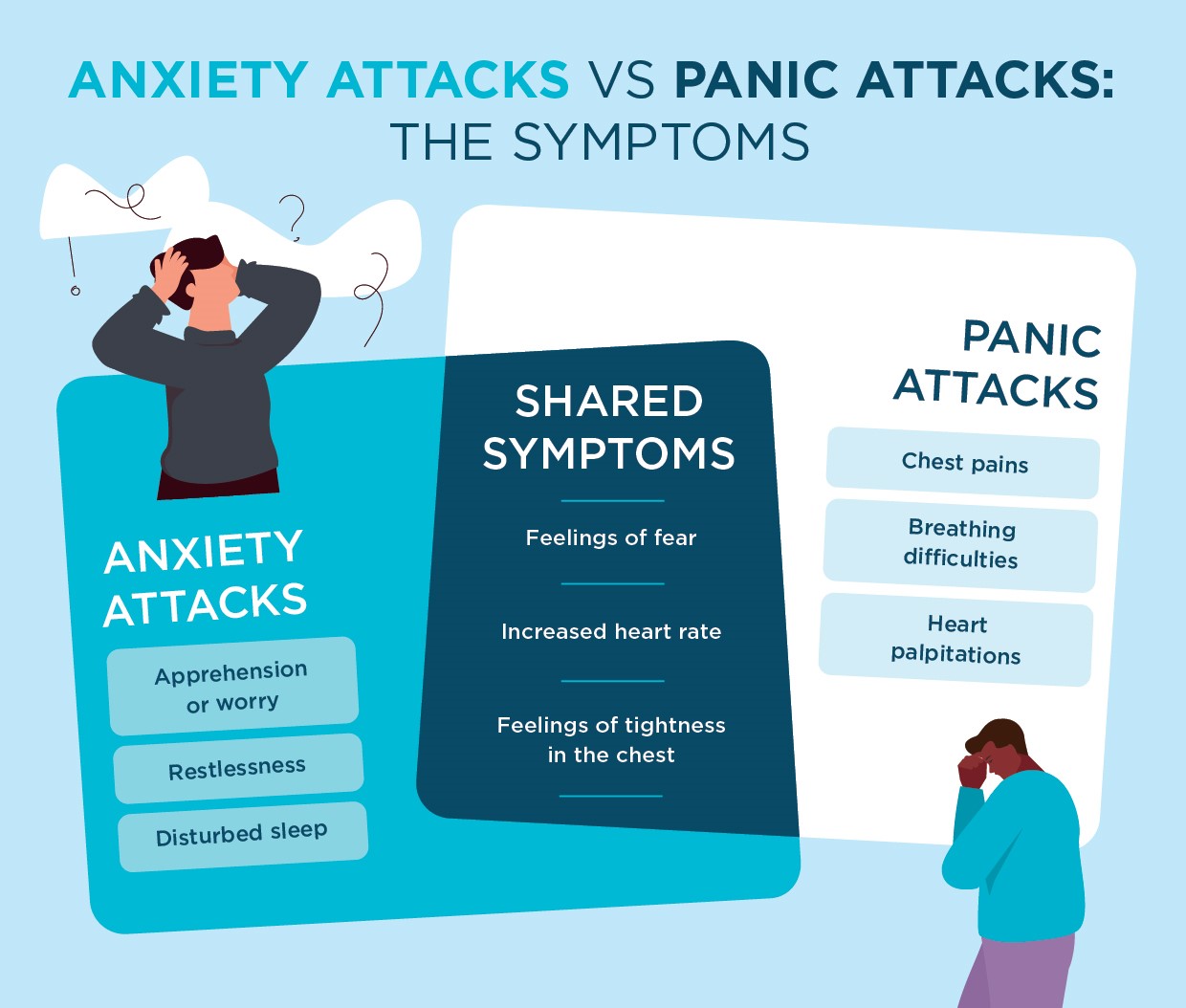
Despite their differences, panic and anxiety attacks share the same biological roots13: both trigger the body’s autonomic “fight-or-flight” system, leading to heightened arousal and stress hormone release. This system can become dysregulated over time, which researchers link to increased anxiety severity and reduced quality of life.
Because of this shared neurobiological mechanism, the symptoms often overlap — sweating, trembling, rapid heart rate, shortness of breath, and nausea are all common markers14 of autonomic activation. Both panic and anxiety also involve15 amygdala hyperreactivity and altered connectivity in fear-processing circuits — it explains why the body can feel in danger even without an external threat.
Clinically, both can limit daily functioning and promote avoidance behaviours, reinforcing the cycle of fear and physiological arousal. Yet, studies consistently show that CBT and mindfulness-based interventions reduce both anxiety and panic symptoms by targeting these shared neural pathways.
Both conditions are often confused due to similar sensations, like a pounding heart, shortness of breath, and dizziness. They activate the same emotions of fear, vulnerability, and loss of control. But where panic is sudden, anxiety tends to simmer.
Causes and Risk Factors
While no single cause explains every case of panic and anxiety attacks, research suggests that a combination of inherited sensitivity, stress exposure, and learned coping patterns shapes how the body and mind respond to fear.
Biological and Genetic Factors
Scientific studies have linked16 panic and anxiety disorders to imbalances in neurotransmitters such as serotonin, GABA, and cortisol — chemicals that regulate mood, arousal, and the body’s stress response.
A family history of panic or anxiety disorders significantly increases17 vulnerability, suggesting a genetic predisposition. People with a hypersensitive stress-response system may also experience exaggerated reactions15 to perceived threats, consistent with findings of amygdala hyperreactivity and altered limbic-cortical regulation in neuroimaging studies.
Psychological and Environmental Factors
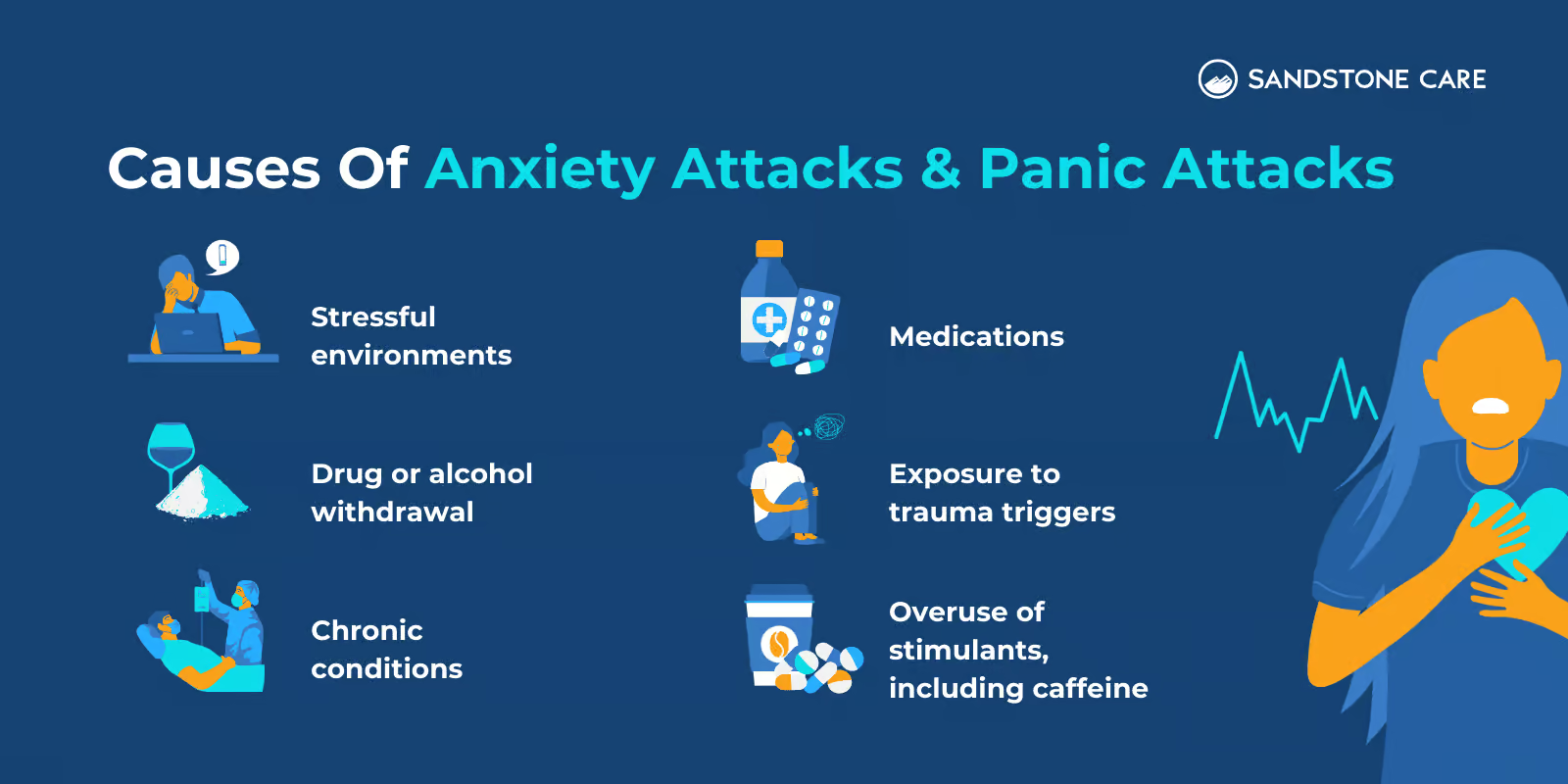
Chronic stress, trauma, or perfectionism can prime the body to remain in a prolonged state of vigilance. Over time, this persistent activation contributes10 to both anxiety and panic attacks. Emotional stressors such as unresolved grief, job loss, relationship strain, or significant life transitions can further heighten18 vulnerability. Lifestyle factors also play a role: substance use, excess caffeine, and poor sleep hygiene are well-documented triggers that can intensify3 anxiety and lower resilience to stress.
Medical Contributors
Sometimes, panic- or anxiety-like symptoms can stem from underlying health issues3 such as thyroid disorders, cardiac arrhythmias, chronic pain, or hormonal fluctuations. Clinicians emphasise the importance of ruling out19 these conditions before diagnosing a mental health disorder, as treating the root medical cause can resolve or ease the psychological symptoms.
Ultimately, the interaction between genes, brain chemistry, and environment determines whether anxiety stays manageable — or tips into a cycle of panic.
How to Tell the Difference in Daily Life
In everyday life, panic and anxiety can blur together, leaving you shaky and overwhelmed. The difference often lies in how suddenly they appear and what’s happening before they start.
Imagine that: You’re sitting on the couch, calm one moment, and the next, your heart begins to pound. You feel dizzy, your chest tightens, and a wave of terror crashes over you for no clear reason. Within minutes, it peaks, and you’re sure something catastrophic is happening. This is a pure example of a panic attack3: an abrupt, intense physical crisis with little or no warning.
Another day, you’re preparing for a stressful presentation. All day, your thoughts spiral. ‘What if I mess up? What if they judge me?’ Your body feels tense, your stomach unsettled, and sleep won’t come. The fear doesn’t explode, but it lingers, wearing you down. That’s how anxiety attacks, a sustained mental strain tied to real or anticipated stress.
Clinically, panic is like a lightning strike — sudden, overwhelming, and short-lived6 — while anxiety is more persistent and cumulative. Paying attention to timing, triggers, and body sensations can help you tell which one you’re experiencing. Keeping a brief journal of when and how symptoms appear can reveal patterns and guide the kind of coping strategies that will work best for you.
What to Do During an Attack
When panic or anxiety hits, it can feel as though you’ve lost control. What’s really happening is your body’s fight-or-flight system activating, flooding you with adrenaline to prepare for danger. The goal isn’t to suppress these sensations but to guide your body back to safety. Here’s a clear checklist you can use when an attack begins:
Step 1. Pause and Name What’s Happening
Acknowledge what’s going on: “This is a panic attack. It’s my body reacting to stress, not a real threat.” Naming the experience3 helps interrupt fear-based thinking and signals to your brain that you’re aware and in control.
Step 2. Control Your Breathing
Focus on slowing your breath. Inhale gently through your nose for four counts, hold briefly, then exhale through your mouth for four counts. Continue until your heartbeat starts to ease. Slow breathing activates20 the parasympathetic nervous system, the body’s natural “calm-down” switch.
Step 3. Ground Yourself in the Present
Use the 5-4-3-2-1 or any other technique to anchor yourself in your surroundings. Name 5 things you can see, 4 things you can touch, 3 things you can hear, 2 things you can smell, 1 thing you can taste. This sensory reset helps bring your attention away from fear and back to the present moment.
Step 4. Reframe Your Thoughts
Remind yourself that this will pass. Panic and anxiety attacks typically peak within minutes. Try to replace catastrophic thoughts with grounded statements like “This is my body’s alarm system misfiring. It’s uncomfortable but not dangerous.”
Step 5. Support Your Body
Sit down and steady yourself. Loosen tight clothing, sip water, or splash cool water on your face to help your nervous system reset. Simple physical gestures like unclenching your jaw or relaxing your shoulders can signal safety to your body.
Step 6. Avoid Escalators
Avoid quick fixes6 like alcohol, caffeine, or nicotine, which can intensify anxiety later. Don’t try to suppress your emotions or pretend nothing’s happening; resistance tends to amplify the sensations. Allow them to rise and fall.
Step 7. Reflect and Recover
Once the episode passes, give yourself time to rest. Panic can leave you physically tired and emotionally raw. Later, track when it happened, what you were doing, and what helped you feel better. Over time, this can reveal triggers and patterns that you can work on.
Interviews with Reddit users confirm how effective grounding techniques can be in moments of panic. Here are a few tips from people who’ve lived through panic or anxiety attacks themselves:
“What works for me is splashing cold water on my face and just trying to ground myself. As for the body pain, I’ve just got to remind myself that it isn’t happening right now, which is very difficult to do in the midst of it all,” mentioned a 20-year-old student.
“Whenever that fear of another panic attack rises, I actually don’t try to dismiss it. I try to encourage and embrace it — more of a “do your worst” attitude that helps to counteract that fear and does a great job at making it go away,” explained Reddit user Francesca.
The S.A.F.E. Method
A helpful shortcut for moments of panic is the S.A.F.E. approach, developed by a psychotherapist, Phil Lane. The acronym stands for:
- S – Stop. Take a deep breath: this simple exercise will slow the nervous system, and the racing physical sensations will become less rapid.
- A – Acknowledge. Recognise that what you’re feeling is a panic response, not a true emergency, and challenge the narrative of the attack.
- F – Feel. Ground yourself physically: “re-enter” your body, place both hands gently over the chest and heart, press your feet into the floor, feel the surface beneath you.
- E – Engage. Restore a sense of normalcy and safety by engaging with trusted individuals or in daily activities.
This four-step practice is easy to remember. It engages both body and mind, slowing panic’s momentum and helping you reestablish a sense of control within minutes.

When to Seek Professional Help
If panic or anxiety attacks become frequent, unpredictable, or start disrupting daily life, it’s essential to seek help. Persistent fear of future attacks or avoiding everyday situations can signal an underlying anxiety disorder.
Therapists often begin with a physical check-up to rule out other causes of panic-like symptoms. Tests may include11 heart monitoring, thyroid panels, or blood work to exclude conditions such as arrhythmia, hyperthyroidism, or hormonal imbalances.
If physical causes are ruled out, a mental health professional can evaluate symptoms using DSM-5-TR criteria21 to identify disorders such as Panic Disorder22, GAD, or PTSD. They’ll assess how long symptoms last, what triggers them, and how they affect daily functioning.
In the UK, for example, evidence-based treatments like Cognitive Behavioural Therapy and talking therapies are easily accessible for free through NHS Talking Therapies23. Participants can self-refer without needing a general practitioner referral. Early assessment and support not only clarify what’s happening but also make recovery faster and more sustainable.
Panic and Anxiety Attacks Treatment
Effective treatment addresses both the body’s stress response and the mind’s learned patterns of fear. Most people improve with a combination24 of therapy, medication, and lifestyle changes, all of which help retrain the nervous system to respond more calmly to stress.
Psychotherapy
The cornerstone25 of treatment for both panic and anxiety disorders is Cognitive Behavioural Therapy (CBT). It’s a structured approach that helps identify and challenge distorted thought patterns while teaching practical coping skills. For panic disorder, exposure therapy26 can gradually desensitise you to the sensations that trigger fear. In contrast, for chronic anxiety, mindfulness- and acceptance-based therapies (ACT) help reduce avoidance and improve emotional regulation.
Medication
Therapists may prescribe27 SSRIs or SNRIs (antidepressants that regulate serotonin and norepinephrine) for long-term management of both panic and anxiety disorders. In some cases, benzodiazepines or beta-blockers can be used for short-term relief of acute symptoms, but only under close medical supervision, since they carry a risk of dependence or side effects.
Lifestyle and Self-Care
Sustainable recovery also depends on everyday habits. Regular exercise, balanced nutrition, and a consistent sleep routine help stabilise mood and reduce28 baseline stress levels. Relaxation practices such as yoga, meditation, or progressive muscle relaxation strengthen the body’s ability to shift out of fight-or-flight mode. Limiting caffeine, nicotine, and alcohol can prevent unnecessary physiological triggers of anxiety, while peer or community support (whether online or in person) helps normalise the experience and reduce stigma.
Start Your Treatment with Verified Experts

 London , United Kingdom
 Cantourage Clinic offers integrated medical cannabis care with an emphasis on personalised treatment plans and compassionate support for patients
 Birmingham, United Kingdom
 A medical cannabis clinic combining technology and tailored medical care, providing affordable access to innovative treatments
Living With Panic or Anxiety
“The scariest part of an attack was that my brain was telling me with 100% certainty that I was about to die. It is by far the worst thing I have ever experienced, and I lived in fear for months afterwards. That fear stopped me from leaving the house, from flying, from drinking alcohol or doing anything fun. I remember reading on the subreddit about a man who had suffered a heart attack and said that his panic attacks were worse. I was honestly not surprised.”
That’s how Francesca, who experienced several panic attacks, describes her life with an overwhelming sense of fear. But living with panic or anxiety doesn’t mean it has to be ruled by fear. It can also become a process of balancing and rebuilding trust in your own body.
Understanding your patterns can make a real difference. Try to track triggers and symptoms — notice what situations, thoughts, or habits tend to precede an episode. Over time, this awareness helps predict and prevent attacks3, rather than just react when they arrive.
Connection also matters. Anxiety thrives in isolation, and sharing your experience lightens its weight. You’re not alone in this; millions of people experience the same struggle, and most recover fully with the right combination of care and consistency. It’s also vital to remember that panic or anxiety attacks have nothing to do with personality or strength, and certainly aren’t a character flaw. Seeing them that way can deeply affect a person’s confidence:
“Often, my panic attacks are so severe that I can very easily slip into suicidal ideation. My sense of confidence is relatively stable, but there are little dips in confidence, especially when talking about mental health, as my family is very traditional and views it as a moral failing,” reflected a 20-year-old student when speaking with States of Mind.
Finally, progress comes through small, steady changes: consistent sleep, daily grounding or breathing practice, gentle self-talk, and patience with yourself on harder days. Over time, those habits teach your nervous system the truth that panic tries to hide — that you are safe, capable, and not defined by fear.
FAQ
- Are panic attacks dangerous?
They feel terrifying but are not physically harmful. Panic attacks are intense surges of fear that pass within minutes. Once the episode ends, the body naturally returns to baseline.
- What’s the difference between a panic attack and an anxiety attack?
A panic attack comes on suddenly, often without warning, and feels intensely physical — pounding heart, shortness of breath, dizziness, or chest pain. An anxiety attack builds gradually and is more emotional, marked by worry, restlessness, and tension.
- How can I prevent an attack?
Prevention starts with stress management and body awareness. Regular exercise, enough sleep, grounding or breathing practice, and reducing caffeine and alcohol all lower your body’s stress baseline. Tracking your triggers helps you recognise early warning signs before anxiety builds to a peak.
- What should I do when an attack starts?
Pause and breathe. Name what’s happening and use grounding techniques to reconnect with the present. The S.A.F.E. method — Stop, Acknowledge, Feel, Engage — also helps slow panic’s momentum and restore control within minutes.
- When should I see a doctor or therapist?
If panic or anxiety begins to disrupt sleep, work, or daily functioning, it’s time to seek help. A clinician can rule out medical causes and recommend evidence-based treatments.
 Expert Board Member
The following article clarifies an increasingly important public health concern: the difference between panic and anxiety attacks. Panic attacks typically present suddenly as a surge of fear with physical symptoms, while anxiety attacks build more gradually and present with both physical and emotional symptoms. Understanding the distinct patterns of onset, duration, and symptoms can help individuals correctly identify their experience and seek appropriate treatment.