Reading Navigation

This content is grounded in peer-reviewed research, clinical guidelines, and established best practices. Claims are reviewed for accuracy and transparency. Learn more about our evidence standards
“Psychedelics Saved My Life”: In Conversation With Shawn Wells
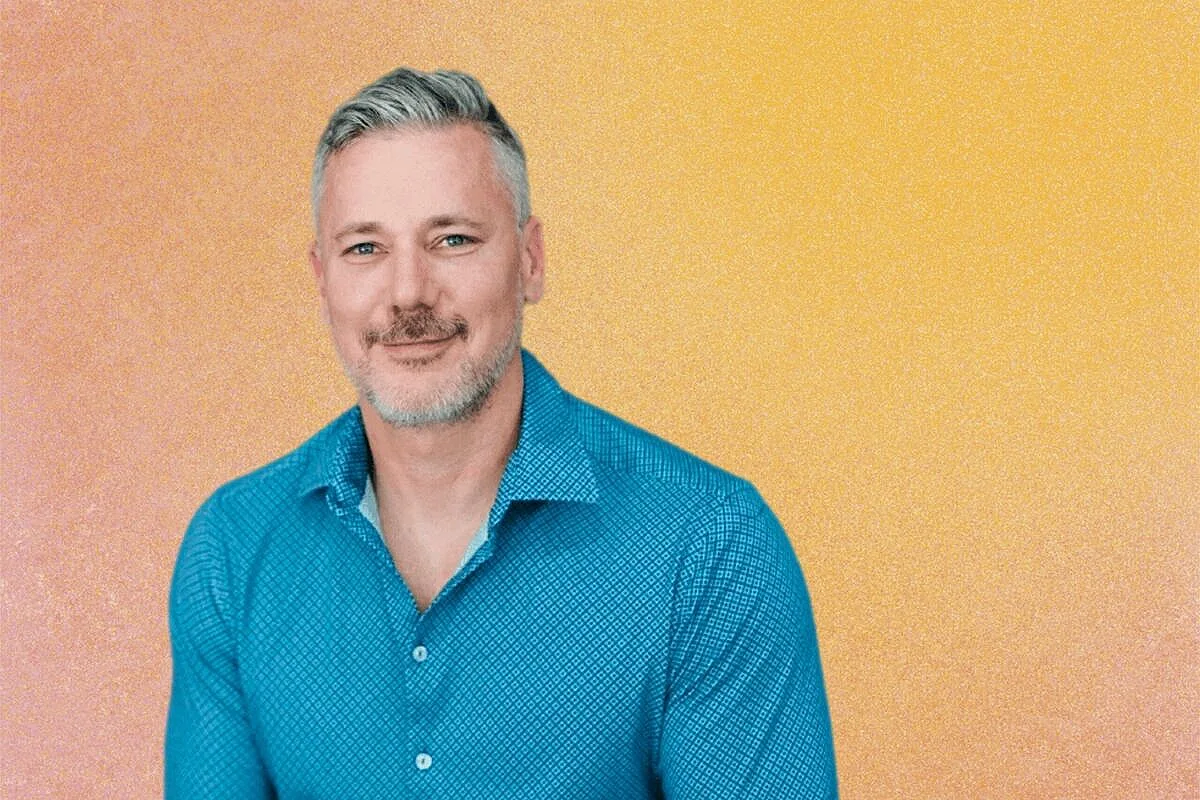
Working up to 100 hours a week on minimal sleep and driving toward burnout, Shawn Wells found his life was transformed after taking part in psychedelic therapy.
As a biochemist and a registered dietitian, Shawn was achieving great success: patenting over 1,200 products, writing his first book, The Energy Formula, and running a formulation company. But beneath the surface, Shawn’s struggles with stress, anxiety, and his past was having a huge impact on his mental health.
Afraid of trying psychedelics for years, Shawn turned to the medicines as a last resort — an experience that he says saved his life.
From Biohacking To Life-Saving Medicines
Despite being a biohacker and focused on longevity and wellness, Shawn says he was unwell with “no cognitive or emotional resilience.”
“I was in a platonic marriage that really was not working, and I was sleeping two, three, four hours a night using Ambien and Xanax. Struggling with poor sleep, bad sleep apnoea, and dealing with a lot of stress and anxiety.
“I was travelling probably 75% of the time, taking red-eye flights and waking up in hotels not knowing where I was.”
Trying psychedelics was a last resort for Shawn.
“I thought of it as ‘taking drugs’, which seemed crazy to me, even though I was already using alcohol and prescription medication.”
After hearing from the likes of Tim Ferriss, Dave Asprey, and Ben Greenfield about psychedelics and the potential biohacking benefits, Shawn believed he might be able to get “even more” out of his 100-hour weeks.
“In hindsight, that was ridiculous, but what came through from those experiences was life changing.
It was overwhelming. I lay awake for hours after everyone else had gone to sleep, just staring at the ceiling, thinking, I can be loved. I can have love.
“I learned to love myself, to accept myself, to stop hating myself.
“I realized that I was deserving of love and capable of finding love both within myself and with a partner. That led to a conscious uncoupling from my wife at the time and some deep soul-searching.”
Shawn continued with more psychedelic journeys and integration work, moving to Costa Rica for a year to work through grief.
“Not only from my marriage but also from letting go of the version of myself that no longer served me.
“I had reverence for that person because he achieved so much success and wealth, but he was also destroying me.”
Reborn Through The Psychedelic Journey
Shawn’s experience of being bullied when he was growing up had a deep impact on his self worth and self esteem. At home, Shawn’s father was a pastor and a Navy veteran, and his grandfather was a World War Two veteran.
“There was a lot of discipline, high expectations, and self-criticism.”
It wasn’t until Shawn’s psychedelic experience that he was able to address these issues.
“I was bullied very badly growing up, by classmates, friends, and even teachers. I was rejected constantly, so I learned to cope with humour, becoming a class clown, or by retreating inward through drawing, gaming, and computers.
“I absorbed all of that. I became extremely hard on myself, always defining love through achievement. I believed that if I achieved something, I would be loved, but that love was always fleeting. I never felt unconditional love from anyone, including myself.
Reconnect With Your True Self

 Netherlands
For people with little time who want a private all-round solution to return to aliveness.
“That is what the mushrooms (psilocybin mushrooms) gave me, or rather, what I gave myself.
“I remember during one of my first journeys being surrounded by people, many of whom were well-known, successful people. They were all taking care of me, holding me, comforting me. I kept thinking, why are these people helping me?
“They don’t know who I am; I haven’t told them what I do. For the first time in my life, people were showing me love and care for no reason other than that I existed.
“It was overwhelming. I lay awake for hours after everyone else had gone to sleep, just staring at the ceiling, thinking, I can be loved. I can have love.
“It sounds simple, but when you feel that truth deeply for the first time, it changes everything.
“I no longer wanted to die. I felt reborn, truly reborn.”
Working With Medicines And Community
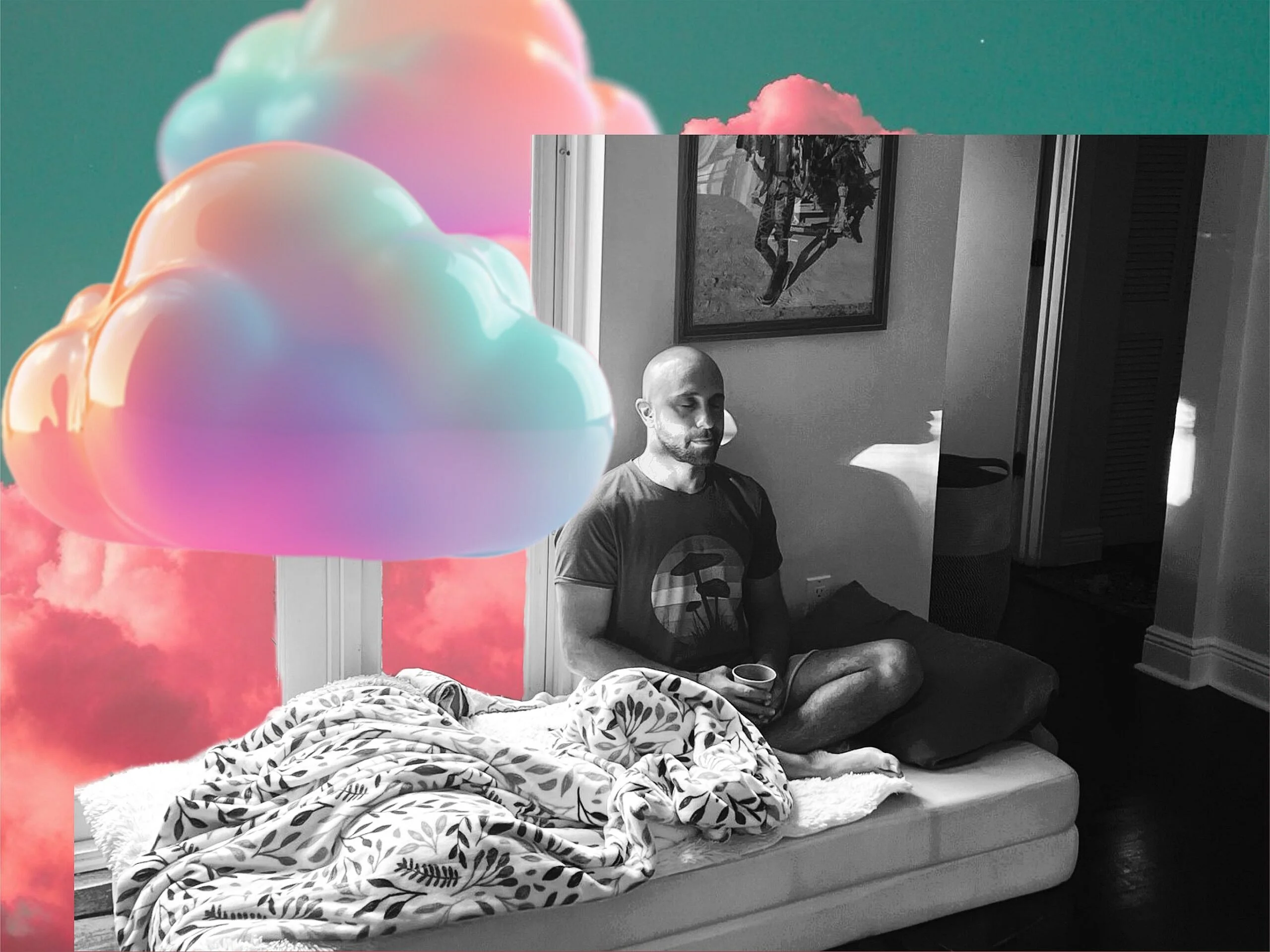
Working with facilitators, Shawn began his psychedelic journey with MDA, MDMA therapy, and psilocybin therapy alongside pre- and post- journey integration.
“I followed a protocol that began with MDA as a heart opener, then psilocybin with ceremonial cacao. The following day, we would do integration work.
“The idea was to start with the heart opener to release anxiety and to feel safe within the group before going deeper. Many people have fears about psychedelics, about being seen, about what others might think, especially if they have religious backgrounds or trauma triggers.
“The MDA helped calm that. I found that the more relaxed and parasympathetic you are, the lower the psilocybin dose needs to be.”
MDA, or 3,4-methylenedioxyamphetamine, is chemically related to MDMA. This class of drugs is often referred to as empathogenic1, meaning “empathy generating”, which, if used in a responsible therapeutic environment, may have beneficial effects for trauma and other mental health conditions.Shawn had taken part in one-on-one journeys, but says that the group experiences were especially powerful2.
“While it can be frightening to be seen, being witnessed and supported by others adds another layer of transformation.
“When you state your intentions and share your experiences in front of others, something shifts. There is power in saying out loud, ‘I am going to love myself unconditionally,’ and having others witness that.
“It is also deeply inspiring to watch others go through transformation, to see someone decide to end a marriage, leave a job, come out, or embrace a new identity.
“You see the freedom and light that come with it. It gives you courage to make your own changes.”
Hopes For The Future of Psychedelic Medicine Therapy
Shawn says that participating in psychedelic therapy was completely different from the traditional approaches he had taken to managing mental health.
“Psychedelics allow for ego dissolution, which is crucial. My identity had been built on stress, overwork, and self-abuse. Psychedelics stripped that away and allowed me to see my truth.”
Shawn is now a passionate advocate for psychedelic medicines, saying that it is “incredibly sad that so many people still do not have access to these treatments, especially those suffering deeply, such as veterans, healthcare workers, trauma survivors.”
With rates of depression rising sharply since Covid, and current treatments not working for many people, Shawn believes that the research on psychedelics shows promise over traditional approaches.
“When I look at studies on MDMA3, psilocybin, and ketamine4, they show 50 to 80% remission rates at six months with proper facilitation and integration. No pharmaceutical or traditional therapy comes close to that.
“My hope is that as access expands, it is done safely and ethically, because unsafe or exploitative use can cause harm.
“When done properly, these medicines have the potential to change lives, but they must be handled with care and respect.”
Reconnect With Your True Self
Netherlands For people with little time who want a private all-round solution to return to aliveness.
 Expert Board Member
Group psychedelic therapy is a powerful modality for personal transformation, offering a unique synergy of altered consciousness and communal support. The shared experience, enhanced by the psychedelic's ability to foster connection and openness, can rapidly dissolve feelings of isolation. This environment facilitates profound insight, mutual empathy, and accelerated integration, making deep, lasting changes.